
Table of Contents >> Show >> Hide
- The Golden Rule: Rotate Accents, Not Furniture
- Create a Seasonal Capsule Wardrobe for Your Home
- Room-by-Room Seasonal Decorating That Actually Makes Sense
- Season-by-Season Playbook
- Budget-Friendly Seasonal Decorating Without Looking Budget
- Storage and Rotation: How to Stay Seasonal Without Losing Your Mind
- Common Seasonal Decorating Mistakes (So You Don’t Have to Learn the Hard Way)
- Conclusion
- of Seasonal Decorating Experiences (The Real-Life Version)
If your home could talk, it would probably say: “I love a fresh look… but I do not love moving the sofa again.” Good news: seasonal decorating isn’t about redecorating your whole house four times a year. It’s about smart, satisfying little swapslike giving your space a new outfit instead of a whole new personality.
Done right, seasonal decorating makes your home feel current, cozy, and intentionalwithout turning your hallway closet into a haunted museum of wreaths. Let’s build a simple, repeatable system that works for spring, summer, fall, and winter (and still leaves you enough storage for, you know, actual coats).
The Golden Rule: Rotate Accents, Not Furniture
Think of your everyday decor as the “base layer”: your sofa, rugs, core art, and the big-ticket items you shouldn’t be hauling around like you’re training for a moving company Olympics. Seasonal touches live in the “accent layer”: smaller pieces you can swap in 10–30 minutes.
A useful mindset: keep 80–90% of your room consistent, and rotate the remaining 10–20%. That’s enough change for your brain to go “ooh!” without your wallet going “nooo!”
Create a Seasonal Capsule Wardrobe for Your Home
The easiest way to decorate seasonally is to stop thinking in terms of “stuff” and start thinking in categories. A seasonal capsule is a small set of items you can mix-and-match every year, like your favorite jeansbut for your coffee table.
Pick 5 quick-swap categories
- Textiles: pillow covers, throws, curtains, bedding, table linens
- Greenery/Florals: fresh stems, faux branches, wreaths, garlands, potted plants
- Tabletop + trays: bowls, vases, candlesticks, seasonal objects (pumpkins, shells, ornaments)
- Lighting: lamp shades, string lights, lanterns, flameless candles
- Scent + sensory cues: simmer pots, candles, essential oil diffusers (lightly!), seasonal soaps
Choose a flexible color strategy (so you’re not repainting for “Pumpkin Season”)
You don’t need a brand-new palette every season. Instead, choose a steady neutral foundation (warm whites, soft grays, natural wood tones), then add seasonal colors as accents:
- Spring: fresh greens, soft pastels, creamy whites
- Summer: breezy blues, sun-washed neutrals, sandy tones
- Fall: rust, amber, olive, deep neutrals
- Winter: evergreen, burgundy, charcoal, warm metallics
If you’re considering paint as a longer-term seasonal “mood setter,” warm neutrals can help spaces feel invitingespecially in rooms with cooler light. But paint is optional; textiles and lighting do most of the seasonal heavy lifting.
Use the “One-Tray Trick” for instant seasonal vibes
Want the fastest seasonal refresh? Design one seasonal vignette on a tray, shallow bowl, or decorative platter. Then your seasonal update is literally: swap the tray scene. It’s contained, tidy, and it keeps you from sprinkling tiny pumpkins across every surface like you’re feeding a fall-themed gremlin.
Basic formula: something tall (vase/branches) + something glowing (candle/lantern) + something seasonal (natural finds, ornaments, fruit).
Room-by-Room Seasonal Decorating That Actually Makes Sense
Entryway: Small space, big impact
If you only decorate one spot per season, do the entry. It sets the tone for the whole home and takes minimal effort. Try one or two of these:
- Wreath swap: keep a year-round base (grapevine or simple ring) and change the accents.
- Doormat + rug layering: a durable mat plus a washable rug adds texture and looks “styled,” not slippery.
- Seasonal catchall: a bowl or tray for keys that rotates with the season (wood for fall, ceramic for spring).
- Mini greenery moment: a small plant stand, a vase of branches, or a garland on a mirror.
Living room: Textiles are your best friend
This is where pillow covers and throws shine. You can keep the same pillow inserts year-round and swap covers seasonally (which is also a sneaky way to make your home feel “new” without buying new furniture).
- Spring/Summer: cotton, linen, lighter weaves; playful stripes or botanical prints
- Fall/Winter: knits, velvet, faux fur, plaid, richer textures
- Bonus: one statement throw blanket can shift the entire mood of a room
Finish with a seasonal coffee table setup: a stack of books, a small vase, and one seasonal object (like a bowl of citrus in winter or a bundle of lavender in summer).
Kitchen + dining: Make it seasonal without making it precious
Seasonal decorating works best in the kitchen when it’s practical. Focus on pieces you already use:
- Table linens: runner, placemats, napkinseasy to store, easy to swap
- Centerpieces: a shallow bowl with seasonal finds (pinecones/leaves, lemons/limes, flowers)
- Countertop styling: one tray for oil/salt/utensils, plus a small seasonal accent
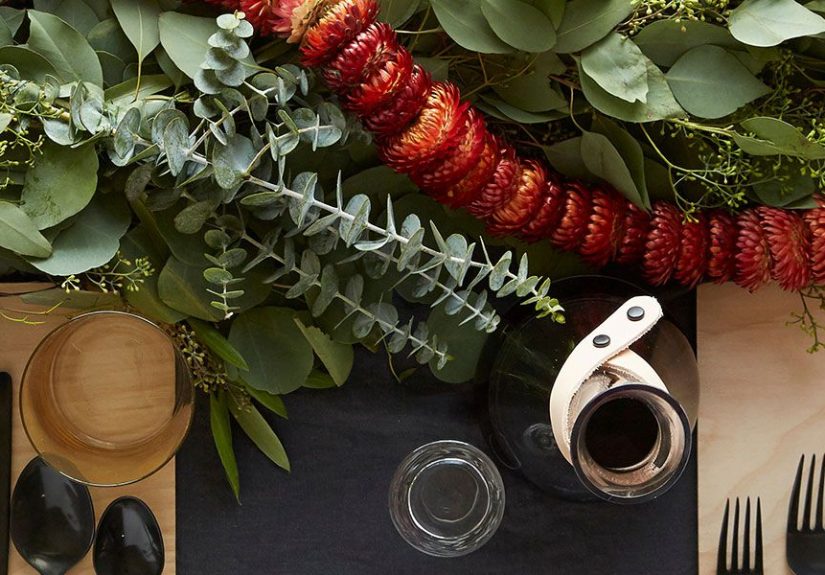
For fall and winter gatherings, natural centerpieces are often the most charming: pinecones, leaves, greenery, and a few candles in a shallow bowl create warmth without trying too hard.
Bedroom: Change the “soft goods,” keep the peace
Bedrooms respond beautifully to seasonal texture shifts:
- Warm months: lighter duvet, crisp sheets, a breathable quilt at the foot of the bed
- Cool months: flannel or heavier layers, a thicker throw, deeper-toned pillowcases
Add one seasonal bedside detail: a small vase of spring blooms, a summer candle, or a winter lantern (flameless is a stress-free win).
Bathroom: The underrated seasonal MVP
Bathrooms are perfect for seasonal refreshes because tiny changes feel huge:
- Swap hand towels (color and texture do wonders)
- Change the shower curtain seasonally (yes, reallyinstant makeover)
- Update soap scents and a small countertop vase
Outdoor spaces: Curb appeal, but make it effortless
Your porch doesn’t need a full movie set budget. Try a simple trio:
- Planter refresh: seasonal plants (mums in fall, evergreens in winter, herbs in summer)
- Lighting: lanterns, string lights, or battery candles
- Softness: weather-friendly pillows or a throw (just bring it in after use)
Season-by-Season Playbook
Spring: Fresh, bright, and “I opened a window!” energy
- Bring in floralsreal or fauxbut keep them simple and airy
- Swap to lighter pillow covers and table linens
- Use pastel accents sparingly; greens and whites feel timeless
- Add one “cheer object” like a bright vase or a springy wreath
Summer: Breezy, casual, and easy to clean
- Lean into coastal-ish neutrals, light blues, and sun-washed textures
- Use citrus or summer fruit in bowls as decor you can eat later
- Switch to lighter scents (fresh linen, citrus, herbs)
- Keep decor minimalsummer looks best when it’s not cluttered
Fall: Cozy layers without drowning in orange
- Introduce warmth with knits, velvets, and deeper tones
- Use pumpkins/gourds as accents, not as a full-time lifestyle
- Bring nature inside: branches, leaves, pinecones, dried florals
- Try an elegant palette: creams, olive, rust, and natural wood
Winter: Calm sparkle, soft light, and “sanctuary mode”
- Layer cozy textures (throws, rugs, plush pillows) for warmth
- Use greenery (real or faux) to add life when it’s gray outside
- Warm lighting is everything: candles, lamps, twinkle lights
- Consider rich hues like evergreen, burgundy, charcoal, and warm neutrals
Budget-Friendly Seasonal Decorating Without Looking Budget
Seasonal decorating can be surprisingly affordable if you focus on reusable staples:
- Swap covers, not inserts: pillow covers take less storage and cost less long-term.
- Forage (responsibly): branches, pinecones, and seasonal greenery can look expensive for free.
- Use what you already own: rotate items between roomsyour “new” vase might be in the guest room right now.
- Choose fewer, better pieces: avoid disposable decor that breaks, sheds glitter, and then emotionally haunts you.
Storage and Rotation: How to Stay Seasonal Without Losing Your Mind
The secret to stress-free seasonal home decor is organization. Here’s a system that doesn’t require a labeled spreadsheet (unless you enjoy that kind of joy):
- Clear bins + labels: one bin per season per “category” (textiles, tabletop, greenery).
- Store by season, not by room: you’ll decorate faster when everything seasonal is together.
- Keep the next season accessible: place upcoming decor toward the front of your storage area.
- One-in, one-out rule: if you buy a new seasonal item, donate or retire one older item.
Common Seasonal Decorating Mistakes (So You Don’t Have to Learn the Hard Way)
- Over-theming: a room shouldn’t look like it’s auditioning for a holiday parade.
- Too many small items: clutter reads as messy, not seasonal. Group objects on trays for a cleaner look.
- Ignoring lighting: the same decor can look totally different under warm vs. cool light.
- Scent overload: one scent cue is charming; five is a headache with ambition.
- Forgetting function: decor should support your life, not block the mail or trip your guests.
Conclusion
Seasonal decorating works best when it’s simple: keep your base timeless, rotate a handful of accents, and let texture, greenery, light, and a few well-chosen colors do the work. Start with the entryway and living room for maximum impact, build a small seasonal capsule you can reuse every year, and store it in a way that makes the next refresh feel like fun not a chore.
And if you want the most “designer” tip of all: stop when it feels good. Your home doesn’t need to be covered in seasonal objects to feel seasonal. It just needs a few intentional cues that say, “Yep, we live hereand we’re enjoying the moment.”
of Seasonal Decorating Experiences (The Real-Life Version)
The first time I tried seasonal decorating, I did what many optimistic people do: I bought a bunch of tiny themed items, scattered them everywhere, and then wondered why my living room felt like a gift shop. The lesson was immediate and humbling: small objects don’t read as “styled” unless they’re grouped. Once I started using trays and bowls to corral seasonal accents, everything looked calmerlike my home had a plan, not a panic.
My best “why didn’t I do this sooner?” upgrade was switching to pillow covers. I used to buy new pillows each season, which was expensive and also made my linen closet look like it was hiding an emotional support pillow collection. Now I keep the same inserts and rotate covers: linen and light stripes in summer, warm solids and knits for fall, and a couple of velvety textures in winter. The whole room changes in under five minutes, and I still have space to store towels like a functional adult.
Another surprise win: seasonal lighting. One winter, I realized my apartment felt gloomy in the late afternoons, so I added warmer bulbs and a string of soft lights near the entryway. That one change made the space feel like a cozy “winter sanctuary” instead of a dim waiting room for spring. Later, I tried a lighter lamp shade in a darker corner and it made the room feel brighter without changing a single piece of furniture. Now, I treat lighting like decorbecause it is.
The most budget-friendly seasonal moments have come from “shopping” outdoors. In fall, a bundle of branches or a bowl of pinecones looks surprisingly polished when paired with a candle. In spring, even a few grocery-store tulips in a simple vase feels instantly celebratory. I’ve also learned that seasonal decorating doesn’t require a new theme every month. My favorite approach is to choose a vibefresh in spring, breezy in summer, cozy in fall, calm in winterand let the details support that.
Finally, the biggest practical lesson: storage determines whether seasonal decorating is fun or frustrating. When I started labeling bins by season and category (textiles separate from tabletop decor), I stopped dreading the swap. Now the process feels like putting on a playlist and giving the house a quick “reset.” It’s not about perfection; it’s about creating a home that matches the season you’re actually living in.






 Close
Close