
Table of Contents >> Show >> Hide
- Why This Line Is So Funny
- What This Says About Restaurant Service Today
- The Real Deal With Tap Water in Restaurants
- The Customer Side of the Exchange
- What Restaurants Can Learn From This Tiny Comedy Classic
- If You Are the Customer in This Situation
- Why This Moment Feels So Online
- Final Sip
- Extra: Experiences Related to “Server Keeps Repeating ‘It’s Very Hydrating’ When Customer Asks For Tap Water”
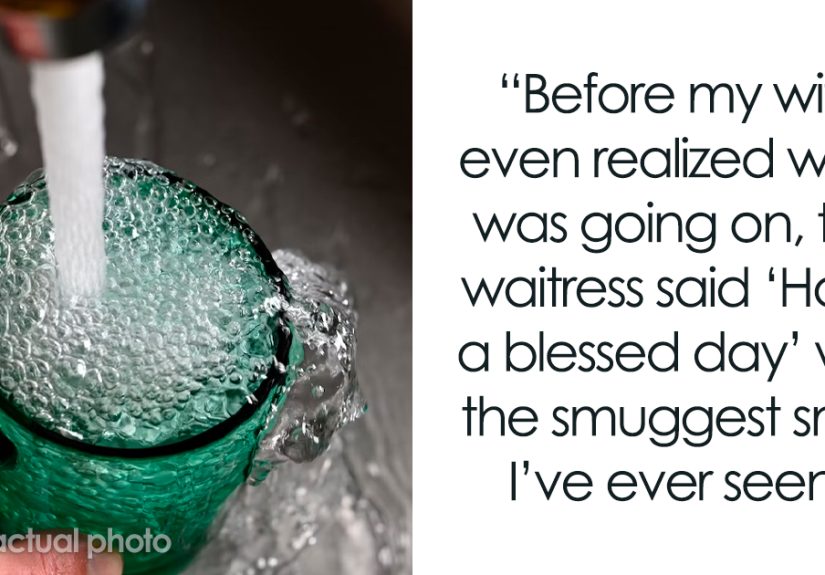
There are certain restaurant moments that feel so oddly perfect, they deserve to be framed, embroidered, and hung near the host stand. A customer asks for tap water. The server, perhaps trying to be helpful, perhaps trying to sound enthusiastic, perhaps trapped inside a hospitality script that should have been retired three staff meetings ago, replies: “It’s very hydrating.”
And just like that, a basic drink order becomes performance art.
The humor in this scenario is immediate. Water is, in fact, hydrating. That is its entire résumé. It is like recommending a chair because it is “very sittable” or selling socks by whispering, “These are amazing at foot coverage.” The line lands because it takes the most obvious feature of tap water and presents it like an insider secret. Suddenly the guest is not ordering a free glass of water. They are being pitched a lifestyle.
But beneath the joke is something real about restaurant culture, customer expectations, and the increasingly scripted language of service. The modern dining room is full of polished phrases designed to sound friendly, boost sales, and keep interactions smooth. Most of the time, those lines work. Sometimes, though, they crash directly into common sense and create comedy gold. “It’s very hydrating” is one of those moments.
Why This Line Is So Funny
Tap Water Does Not Need a Publicist
People do not ask for tap water because they are on a thrilling flavor journey. They ask for it because they are thirsty, practical, or trying to avoid paying six dollars for bottled water that arrived with the confidence of a luxury sedan. Tap water is the low-drama choice. It is humble. It is dependable. It does not require a tasting note.
That is exactly why the line feels hilarious. When a server describes tap water as “very hydrating,” the statement is technically correct and emotionally unnecessary. It sounds like the restaurant is trying to market the one beverage that sells itself by existing. Nobody has ever leaned back in a booth and said, “Before I commit, tell me more about the hydration profile.”
It Sounds Like Scripted Hospitality Gone Slightly Off the Rails
Restaurants train servers to speak with confidence, guide guests, and make recommendations. In theory, this creates smoother, more attentive service. In practice, it can sometimes produce language that feels a little too polished for the moment. When a guest asks for tap water, they usually want a simple yes, not a mini campaign slogan.
That mismatch is where the comedy lives. The guest is operating in the world of regular human communication. The server, meanwhile, sounds like they were programmed by a focus group that took beverage sales extremely seriously. The result is an interaction that feels both earnest and absurd.
What This Says About Restaurant Service Today
Beverages Are a Bigger Deal Than Diners Sometimes Realize
Restaurants care about drinks because drinks matter. Beverage sales can raise the check average, improve margins, and create a more polished experience when handled well. That is why servers are often trained to ask about sparkling, still, cocktails, pairings, and premium add-ons before the appetizer even arrives. In a lot of dining rooms, drinks are not just a side note. They are part of the strategy.
Once you understand that, the water exchange makes more sense. A server may not literally be trying to upsell tap water, but they may be used to treating every beverage conversation as a chance to add value, sound knowledgeable, or keep the table engaged. So when the guest shuts down the sparkling-versus-bottled dance by requesting tap, the script does not always know how to exit gracefully. Out comes: “It’s very hydrating.”
Service Scripts Can Help, Until They Stop Sounding Human
There is nothing wrong with training. Restaurants need consistency. New staff need guardrails. Guests generally appreciate clear communication. The problem starts when guidance becomes robotic repetition. Hospitality works best when it feels natural, not preloaded.
A good server reads the room. They know when a table wants detailed recommendations and when a table just wants water, menus, and a minute to breathe. Great service is not about saying the fanciest thing. It is about saying the right thing for that moment. Sometimes that means recommending a glass of Sancerre. Sometimes that means smiling and saying, “Absolutely, I’ll bring that right out.”
The Real Deal With Tap Water in Restaurants
Tap Water Is Ordinary, Not Suspicious
For all the bottled-water theater that can happen in restaurants, tap water is not some wild gamble pulled from a mystery hose behind the kitchen. In the United States, public drinking water is regulated, and food-service operations are expected to use approved water sources. That does not mean every glass of tap water is a transcendent experience. It means the default assumption should be normalcy, not fear.
Yet diners still sometimes feel weird ordering it, especially in places where the server opens with, “Still or sparkling?” That tiny question can make tap water feel like the socially awkward third option. Suddenly the guest is not merely thirsty. They are navigating class signals, restaurant cues, and the possibility of sounding cheap for wanting the most practical beverage on earth.
Why Some Restaurants Nudge Bottled or Sparkling
Sometimes it is about revenue. Sometimes it is about branding. Sometimes it is about aesthetics, especially in spots where every detail is designed to feel curated, including the water experience. A chilled glass bottle on the table can look more deliberate than a sweating pitcher. Fine. That is a style choice.
But there is a difference between offering an option and making a guest feel like tap water requires a defense attorney. Most customers are perfectly comfortable paying for drinks they actually want. What annoys them is the sensation that plain water has become a negotiation.
That is why the “very hydrating” line hits so hard. It captures the weird point where basic hospitality starts sounding like parody. It suggests a world where the server knows the guest wants water, knows water is water, and still feels compelled to keep talking as if the moment needs narrative tension.
The Customer Side of the Exchange
Diners Usually Want Clarity, Not Commentary
When people ask for tap water, they are often signaling simplicity. Maybe they are saving money. Maybe they already ordered wine. Maybe they are driving. Maybe they just prefer regular water because, unlike sparkling water, it does not taste like a soda that gave up on its dreams. Whatever the reason, the request is usually direct and low-maintenance.
That is why overexplaining can feel so strange. The guest asked for a practical thing. The server responded with a funhouse-mirror version of salesmanship. No offense is intended. The line is just unintentionally funny because it adds sparkle to the one beverage that specifically did not ask for sparkle.
There Is No Shame in Ordering Tap
This should not be controversial, but apparently modern dining requires periodic reminders: ordering tap water is normal. It is not rude. It is not embarrassing. It is not a moral failure against the beverage program. It is simply one of the most common restaurant requests in America.
The healthiest dining culture is one where guests can ask for what they want without performing confidence and where servers can respond without feeling pressure to turn every interaction into a brand moment. You want sparkling? Great. You want bottled? Fine. You want tap water because you are a person with functioning priorities? Also great.
What Restaurants Can Learn From This Tiny Comedy Classic
Train for Judgment, Not Just Lines
The best service training does not hand employees a rigid list of phrases and then hope for the best. It teaches timing, tone, and judgment. A server should know how to recommend, when to recommend, and when to stop recommending. Not every table wants a performance. Some just want competence with a side of calm.
Instead of teaching servers to fill every silence, restaurants should teach them to recognize intent. If a guest says, “Tap water is fine,” the ideal response is clean and reassuring. No pitch. No verbal garnish. Just a quick acknowledgment and follow-through.
Use Language That Sounds Like a Real Person Said It
One reason this phrase became so funny is that no one naturally talks that way about water in everyday life. Real hospitality language is simple. “Of course.” “Happy to.” “I’ll bring a pitcher.” “Absolutely.” These lines work because they do not call attention to themselves.
Once service language starts sounding like it was engineered in a lab, guests notice. And when they notice, the spell breaks. The interaction stops feeling warm and starts feeling weirdly theatrical. Restaurants do not need less hospitality. They need hospitality that still sounds like a human being is in the room.
If You Are the Customer in This Situation
Laugh Internally, Then Accept the Water
If a server tells you your tap water is “very hydrating,” the correct response is probably not a lecture on the chemical properties of H2O. It is to enjoy the surreal beauty of the moment, say thank you, and remember the line forever. Some dining experiences are memorable because the food changes your life. Others are memorable because someone managed to oversell water.
And honestly, there is something charming about the whole exchange. It is awkward, yes. But it is also kind of endearing. The server is trying. The guest is thirsty. Language took a wrong turn somewhere between sincerity and nonsense. That is not a tragedy. That is a story.
Why This Moment Feels So Online
The phrase also feels tailor-made for internet humor because it compresses a larger cultural truth into one tiny sentence. We live in an era where everything is branded, optimized, monetized, and described with suspicious enthusiasm. Skin cream is no longer lotion. It is a ritual. Coffee is not just coffee. It is an experience. Water is not water. Apparently, it is “very hydrating.”
That is why people instantly get the joke. It sounds like the exact kind of thing modern service culture might accidentally produce while trying too hard to sound polished. It is funny because it is believable. Not guaranteed-to-happen believable, but believable enough that everyone can imagine hearing it across a candlelit table and then spending the rest of the meal trying not to laugh into their napkin.
Final Sip
“Server Keeps Repeating ‘It’s Very Hydrating’ When Customer Asks For Tap Water” works as a headline because it captures a very specific modern absurdity: the collision between genuine hospitality, beverage economics, and language that forgot how normal people talk. The customer wants water. The server wants to be helpful. The script wants to participate. Chaos, lightly chilled, is served.
In the end, the whole thing is a reminder that great service is not about saying more. It is about saying what fits. Water does not need a hard sell. The guest does not need reassurance that hydration remains one of water’s top strengths. And yet, somehow, that needless description turns a forgettable order into a perfect little comedy sketch.
So yes, tap water is very hydrating. Thank goodness someone finally said it.
Extra: Experiences Related to “Server Keeps Repeating ‘It’s Very Hydrating’ When Customer Asks For Tap Water”
1. The Fancy Restaurant Water Cross-Examination
One of the most relatable experiences tied to this topic happens in upscale restaurants where the water question arrives with the seriousness of a legal deposition. The server approaches and asks, “Still, sparkling, or house filtered?” The customer, who simply wants water with dinner, says, “Tap is fine.” Instead of moving on, the conversation continues for another thirty seconds, as if the guest has rejected an invitation to luxury itself. The strange part is not the options. Options are fine. The strange part is the tone that makes plain water sound like an act of rebellion. By the time the glass arrives, the customer feels as though they have taken a social position instead of ordering a drink.
2. The Overexplaining Server Who Means Well
Another common experience is the server who is genuinely kind but so heavily trained to narrate everything that even the smallest request gets wrapped in explanation. You ask for tap water and hear, “Absolutely, our tap is filtered and very refreshing.” You ask for lemon and receive a short speech about how it brightens the flavor profile. None of this is malicious. In fact, it usually comes from a sincere desire to seem attentive. That is what makes it funny instead of irritating. The server is not trying to be ridiculous. They are trying so hard to be good at their job that ordinary reality starts to sound like menu copy.
3. The Group Dinner Where Everyone Pretends This Is Normal
There is also the group-dinner version of this moment, which is arguably the funniest. One person orders tap water. The server says, “It’s very hydrating.” For one full second, nobody at the table knows what to do with that information. Then everyone politely nods as though this was a completely reasonable contribution to the conversation. The menus reopen. Someone coughs. Another person stares at the bread basket with sudden intensity. Hours later, the group text is alive with messages like, “I still can’t stop thinking about the hydrating comment.” These are the restaurant moments people remember, not because they were dramatic, but because they were gloriously unnecessary.
4. The Customer Who Starts Questioning Everything
Sometimes a line like this sends the customer into a private spiral of silent comedy. If the water is “very hydrating,” what comes next? Is the salad “very leafy”? Is the soup “very liquid”? Will dessert be described as “extremely dessert-like”? The guest smiles, says thanks, and then spends the next ten minutes inventing imaginary menu language in their head. It is the kind of tiny interaction that turns a regular meal into a story you retell later with perfect dramatic timing. The restaurant may never know it created a household joke, but that joke now has a permanent seat at the table.
5. The Best Outcome: Everyone Laughs and Moves On
The best version of this experience is when the line lands, the customer laughs, and the server laughs too. In that moment, the script melts away and real hospitality finally shows up. The exchange becomes human again. Nobody is embarrassed. Nobody is offended. The whole table just shares a brief, ridiculous acknowledgment that yes, water is indeed one of the more hydrating choices available tonight. Those are the moments that actually build connection. Not the polished line, not the upsell, not the performance. Just two people recognizing that language occasionally does weird things in public and deciding to enjoy the joke together.




 Close
Close