
Table of Contents >> Show >> Hide
- Why Do Shoes Feel Too Tight?
- Can All Shoes Be Stretched?
- 7 Ways to Stretch Shoes That Are Too Tight
- When Shoe Stretching Is a Good Idea
- When to Do More Than Stretch Your Shoes
- How to Know If Shoes Fit Properly
- Best Materials for Stretching Shoes
- Common Mistakes to Avoid
- Real-Life Experiences: What Tight Shoes Teach You
- Conclusion
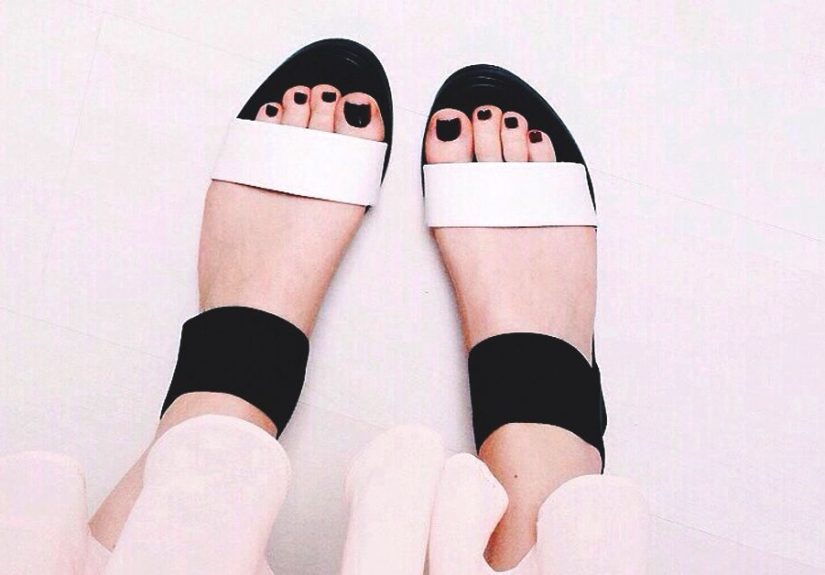
Few fashion betrayals feel as personal as a gorgeous pair of shoes that turns against you by lunchtime. They looked innocent in the store. They promised style, height, confidence, maybe even compliments from strangers. Then, two hours later, your toes are negotiating for a bigger apartment, your heels are filing a formal complaint, and every step sounds like, “Why did I do this?”
Tight shoes are more than a small annoyance. A pinching toe box, stiff leather, narrow forefoot, or rubbing heel can lead to blisters, corns, calluses, toenail pressure, arch discomfort, and foot pain that follows you long after the shoes come off. The good news: some shoes can be stretched safely. The better news: you do not have to suffer through a dramatic “break-in period” like your feet are training for a medieval endurance contest.
This guide explains how to stretch shoes that are too tight, which methods work best for different materials, when to stop trying, and when your feet deserve a better pair instead of another round of shoe gymnastics.
Why Do Shoes Feel Too Tight?
Shoes can feel tight for several reasons. Sometimes the shoe is genuinely too small. Sometimes it is the right length but the wrong width. Other times, the material is stiff, the toe box is too shallow, or the shape simply does not match your foot. A shoe can also feel fine in the morning and painful later because feet naturally swell during the day, especially after walking, standing, heat, travel, or exercise.
The most common tight-shoe trouble spots include the toes, ball of the foot, bunion area, heel counter, instep, and sides of the forefoot. If the shoe squeezes your toes together, causes numbness, creates burning pain, or leaves deep red marks, it is not “just new.” It is a fit problem.
Can All Shoes Be Stretched?
Not exactly. Leather, suede, and some natural materials usually respond best to stretching because their fibers can relax and mold slightly. Canvas may loosen with wear, but it does not always hold a dramatic stretch. Synthetic materials, patent leather, plastic, and heavily structured athletic shoes are harder to stretch and easier to damage. If a shoe is a full size too small, stretching is unlikely to perform miracles. Shoes are footwear, not magic beans.
A realistic goal is to create a little extra room: enough to relieve a pressure point, soften a stiff area, or make the forefoot more comfortable. Stretching may help with width, toe pressure, or a tight instep. It usually cannot make a short shoe longer in a meaningful way.
7 Ways to Stretch Shoes That Are Too Tight
1. Wear Them Around the House in Short Sessions
The simplest way to stretch slightly tight shoes is controlled wear. Put them on with the socks or hosiery you plan to wear normally, then walk around indoors for 15 to 30 minutes. Pay attention to specific pressure points. If the shoes start hurting, take them off. Do not wait until your heel looks like it lost a fight with a cheese grater.
This method works best for shoes that feel snug but not painful. It helps leather and soft uppers warm up and begin molding to your feet. For dress shoes, loafers, flats, and boots, try a few short indoor sessions before wearing them to an event. For running shoes or walking shoes, short walks are better than immediately taking them out for a long workout.
2. Use Thick Socks for a Gentle Stretch
Thick socks can add gentle pressure from the inside. Put on one pair of thick socks, wear the shoes for short periods, and walk on clean indoor floors. If the shoes are only slightly tight, this can help the material relax without tools.
Use caution: thick socks are not a license to crush your feet. If your toes go numb, your skin burns, or the shoe forces your foot into an unnatural position, stop. The goal is mild stretching, not turning your foot into a packed suitcase.
3. Try a Shoe Stretcher
A shoe stretcher is one of the most practical tools for tight shoes. It is usually shaped like a foot and inserted into the shoe, then expanded gradually. Many stretchers include small plugs that can target bunion areas, toe joints, or pressure points. This is especially useful when one exact spot is causing pain.
For best results, insert the stretcher, expand it slowly, and leave it in place overnight. Check the fit the next day. If needed, repeat the process. Do not crank the stretcher aggressively. Overstretching can distort the shoe, weaken seams, or create an odd shape that looks like the shoe had a stressful weekend.
4. Use Shoe Stretch Spray on Leather or Suede
Shoe stretch spray is designed to soften certain materials so they can relax more easily. It is commonly used with leather and suede shoes. Spray the tight area according to the product directions, then either wear the shoe briefly or insert a shoe stretcher.
Always test the spray on a hidden area first. Some products can darken suede, stain delicate finishes, or affect dyes. Avoid soaking the shoe. A light, targeted application is usually safer than treating the shoe like a houseplant.
5. Warm Tight Areas With a Hair Dryer
Heat can help some leather shoes become more flexible. Put on thick socks, wear the shoes, and apply warm air from a hair dryer to the tight area for 20 to 30 seconds at a time. Flex your feet gently while the material warms, then keep the shoes on while they cool.
Keep the dryer moving and avoid high heat. Too much heat can dry out leather, loosen glue, warp synthetic materials, or damage finishes. This method is not ideal for patent leather, plastic, delicate embellishments, glued-on details, or shoes you would cry over if they changed texture.
6. Freeze Water Bags Inside the Shoes Carefully
The freezer method is popular because water expands as it freezes. Fill sturdy sealable bags partly with water, remove extra air, seal them tightly, and place them inside the tight areas of the shoes. Put the shoes in the freezer until the water freezes, then let the ice thaw slightly before removing the bags.
This method can create space, but it comes with risk. Leaking bags can stain or damage shoes. Freezing may not be friendly to delicate leather, suede, glued construction, or expensive footwear. Use it only on shoes you can afford to experiment with, and double-bag the water. If your shoes are luxury leather, skip the freezer and call a cobbler.
7. Take Them to a Professional Cobbler
A shoe repair professional can stretch shoes more precisely than most home methods. Cobblers often use professional stretching machines, spot-stretching tools, and material-specific techniques. They can add room around bunions, widen the forefoot, raise the instep, or soften a pressure point.
Professional stretching is the smartest choice for leather dress shoes, boots, wedding shoes, expensive heels, vintage footwear, or any pair you truly care about. It is also helpful if one foot is wider than the other, which is very common. A cobbler cannot turn a size 7 into a size 9, but they can often make a nearly-right shoe much more wearable.
When Shoe Stretching Is a Good Idea
Stretching makes sense when the shoe is close to fitting. For example, maybe the length is right, but the forefoot feels narrow. Maybe the leather is stiff over your pinky toe. Maybe one boot presses across the instep. Maybe a bunion area needs a little more space. In these situations, stretching can turn “ouch” into “actually, these are coming with me to dinner.”
Stretching is also useful when the discomfort is caused by a single pressure point rather than the entire shoe. A shoe that pinches in one small area is a better candidate than a shoe that crushes every toe, rubs both heels, bends in the wrong place, and makes you question your life choices.
When to Do More Than Stretch Your Shoes
Sometimes, the right answer is not stretching. It is choosing a better fit, a wider width, a deeper toe box, a different style, or a medical opinion. Tight shoes can aggravate bunions, hammertoes, corns, calluses, ingrown toenails, blisters, and nerve irritation. If pain continues after stretching, the shoe is not being “broken in.” Your foot is being bullied.
Stop Wearing the Shoes If You Notice These Signs
- Numbness, tingling, burning, or shooting pain
- Blisters that keep returning in the same place
- Toenail bruising, lifting, or pressure pain
- Deep red marks that last after the shoes come off
- Pain around a bunion, hammertoe, corn, or callus
- Swelling that gets worse while wearing the shoes
- Any wound, sore, or skin breakdown, especially if you have diabetes or circulation problems
If you have diabetes, neuropathy, poor circulation, or a history of foot ulcers, do not rely on DIY shoe stretching to solve pressure problems. A small rub can become a serious issue faster than expected. Choose properly fitted shoes and speak with a podiatrist if you notice irritation, wounds, or persistent pain.
How to Know If Shoes Fit Properly
A good shoe should feel secure, not suffocating. Your heel should not slide dramatically, but your toes should have enough room to wiggle. The widest part of your foot should line up with the widest part of the shoe. The toe box should not squeeze your toes into a point unless your toes personally requested a career in origami.
Try shoes on later in the day when your feet are more likely to be slightly swollen. Wear the socks you will actually use. Stand, walk, and bend your foot. Do not buy shoes based only on the number printed inside, because shoe sizes vary by brand, style, and shape. A comfortable size in one brand may feel like a tiny leather cave in another.
Best Materials for Stretching Shoes
Leather
Leather is usually the best candidate for stretching. It responds well to shoe stretchers, sprays, gentle warmth, and professional stretching. Condition leather after stretching if it feels dry.
Suede
Suede can stretch, but it stains easily. Use suede-safe products, test first, and avoid water-heavy methods. A cobbler is often the safest option for suede shoes you love.
Canvas
Canvas may relax with wear and gentle stretching, but it does not reshape as predictably as leather. Avoid aggressive methods that can distort the upper or separate glued areas.
Synthetic Materials
Synthetic shoes are unpredictable. Some soften slightly; others barely move. Heat can damage them, and stretch sprays may not work well. If a synthetic shoe is painfully tight, replacing it is often wiser than wrestling with it.
Common Mistakes to Avoid
The biggest mistake is assuming pain is part of the process. Mild stiffness is normal. Sharp pain is not. Another mistake is trying every stretching hack at once. Heat, moisture, force, and freezing can all stress materials. Pick one method, go slowly, and check the shoe often.
Avoid soaking shoes in water, overheating leather, stretching shoes while they are dirty, or wearing painful shoes for a full day “to break them in.” That last one is how you turn a cute outfit into a survival documentary.
Real-Life Experiences: What Tight Shoes Teach You
Most people learn about tight shoes the hard way. There is the wedding guest who buys new heels the day before the ceremony and spends cocktail hour smiling politely while secretly looking for a chair. There is the office worker who chooses sleek loafers for a big meeting, only to discover that “professional polish” should not include toe numbness. There is the runner who tries new shoes on race day and meets a blister by mile three. Tight shoes have a way of turning confidence into strategy: Where is the nearest bench? Can I remove these under the table? Would anyone notice if I walked home in socks?
One common experience is buying shoes in the morning and regretting it by evening. In the store, the fit seems fine. The lighting is flattering, the mirror is persuasive, and your feet have not yet spent eight hours carrying your ambitions. Later, after walking, commuting, or standing, the same shoes feel smaller. This is why late-day try-ons are so useful. They reveal the truth. Morning feet are optimistic; evening feet are honest.
Another familiar lesson involves “almost perfect” shoes. Maybe the length is right, but the pinky toe rubs. Maybe the heel is comfortable, but the toe box pinches. These are the pairs that benefit most from careful stretching. A shoe stretcher or professional spot stretch can save them. The trick is recognizing the difference between a fixable pressure point and a fundamentally wrong shoe. If the shoe only needs a whisper more space, stretching may work. If your toes are stacked like files in a cabinet, no home method is going to create a luxury suite.
Boots bring their own drama. A new leather boot can feel stiff at the ankle, tight across the instep, or snug around the calf. Gradual indoor wear helps, especially with the socks you actually plan to use. A cobbler can often stretch the shaft or instep more safely than a DIY method. Many people make the mistake of taking new boots on a long trip too soon. By the end of the day, the boots may look rugged and adventurous, while the feet inside feel personally betrayed.
Dress shoes and formal heels are another category where patience pays off. Before wearing them to a wedding, work event, graduation, or dinner, test them at home. Walk on carpet. Stand for 20 minutes. Try stairs. Notice whether the pressure is in the toe box, heel, arch, or ball of the foot. Add cushioning, adjust straps, use a stretcher, or schedule a professional stretch before the big day. The best time to discover a painful shoe is not while walking across a parking lot in formalwear.
The best experience-based rule is simple: shoes should become more comfortable with wear, not more suspicious. If discomfort decreases after a few short sessions, you are probably dealing with normal stiffness. If pain increases, your foot is telling the truth. Listen early. Your future self, walking comfortably instead of limping dramatically, will be grateful.
Conclusion
Tight shoes can often be improved, but they should not be endured blindly. The safest ways to stretch shoes include gradual indoor wear, thick socks, a shoe stretcher, stretch spray, careful heat, cautious freezing, and professional cobbler service. Leather and suede tend to respond best, while synthetic materials are less cooperative.
The key is knowing when stretching is enough and when it is time to do more. If your shoes cause numbness, blisters, toenail pain, swelling, or repeated pressure on bunions and hammertoes, choose comfort over stubbornness. Great shoes should support your day, not turn every sidewalk into a negotiation.
Note: This article is for general educational purposes. Persistent foot pain, wounds, numbness, diabetes-related foot concerns, or recurring shoe pressure problems should be discussed with a qualified foot-health professional.





 Close
Close