
Table of Contents >> Show >> Hide
- The Short Answer: Yes, but Only When the Bread Needs It
- Why Bread Texture Matters So Much in French Toast
- What Happens When You Toast the Bread First?
- When You Should Toast the Bread Before Making French Toast
- When You Should Skip Toasting the Bread First
- The Best Bread for French Toast
- How to Toast or Dry Bread the Right Way
- Other Factors That Matter Just as Much as Toasting
- So, Should You Toast the Bread Before Making French Toast?
- Real Kitchen Experiences: What Usually Happens at Home
- Final Verdict
French toast seems like the kind of breakfast that should not require philosophical debate. You dip bread in custard, put it in a pan, and magically become the kind of person who deserves maple syrup before noon. And yet, one surprisingly heated question keeps popping up in kitchens and on the internet alike: Should you toast the bread before making French toast?
The honest answer is wonderfully annoying: sometimes, yes. If your bread is fresh, soft, and squishy enough to fold like a sad napkin, lightly toasting or drying it first can make a big difference. But if your bread is already a day old, slightly stale, or nicely dried out, pre-toasting is often unnecessary. In other words, toasting is not a sacred ritual. It is a tool.
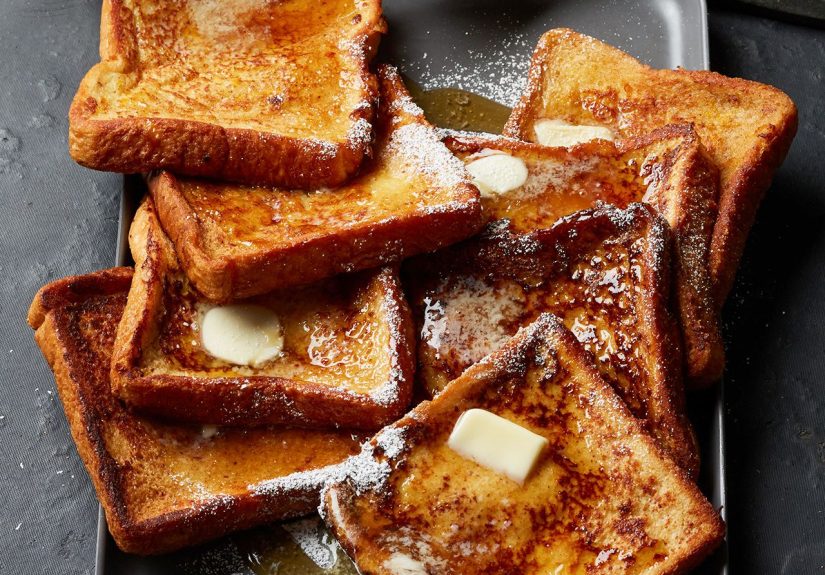
That little distinction matters because great French toast is all about texture. You want a golden exterior, a tender center, and enough structure that the slice feels luxurious instead of limp. Nobody wakes up craving “egg-flavored bread pudding with identity issues.” The goal is crisp edges, custardy middle, and bread that actually survives the trip from bowl to skillet.
This article breaks down when to toast the bread, when to skip it, which breads work best, how pre-toasting changes the texture, and how real home-cook experiences usually play out. So, if you have ever stood in your kitchen holding a loaf of brioche and questioning your life choices, congratulations: you are exactly where you need to be.
The Short Answer: Yes, but Only When the Bread Needs It
If you are making French toast with fresh bread, especially soft sandwich bread, brioche, or challah straight from the bag, then lightly toasting or oven-drying the slices first is a smart move. It helps remove excess moisture from the surface and crumb, which allows the bread to soak up custard without falling apart.
If your bread is already day-old, stale, or slightly dried out, you usually do not need to toast it first. In that case, the bread has already done the hard work of losing moisture. Making it even drier can push it too far and leave you with French toast that tastes firm, dry, or overly chewy in the middle.
So the better question is not “Should you always toast the bread first?” but rather “How dry is the bread I’m starting with?” That is the real decision-maker.
Why Bread Texture Matters So Much in French Toast
French Toast Is a Custard Game
French toast works because bread absorbs a mixture of eggs, milk or cream, sugar, and flavorings like vanilla or cinnamon. When cooked, that mixture sets into a soft custard inside the bread. The problem is that bread can only absorb so much before it loses its dignity.
Fresh bread is often too moist and too delicate. When it hits the custard, it can drink too quickly, turn soggy, and become prone to tearing. Then you try to move it to the skillet and suddenly breakfast becomes a rescue mission.
Dry or slightly stale bread performs better because it has more room to absorb liquid without collapsing. That gives you the classic French toast contrast: crisp outside, plush inside, and no panic on the spatula.
Drying the Bread Is Not the Same as Ruining It
Some people hear “stale bread” and imagine French toast made from something that belongs in a museum exhibit titled Bread, 3 Days Past Its Prime. But that is not the goal. You do not want bread that tastes old or lifeless. You want bread that is simply less moist.
That is why many cooks prefer lightly dried bread over truly stale bread. Pre-toasting fresh slices in the oven or toaster gives you the structural advantage of stale bread without quite as much flavor loss. Think of it as controlled aging for breakfast. Very classy. Very practical.
What Happens When You Toast the Bread First?
Pre-toasting changes the final texture of French toast in a noticeable way.
When bread is toasted first, it usually produces:
- a firmer center
- a more defined slice that holds its shape better
- less overall sogginess
- a slightly drier, less pudding-like interior
- better results when starting with very fresh bread
That sounds great, and often it is. But there is a trade-off. If you love French toast with a soft, rich, deeply custardy middle, pre-toasting may take you a little farther away from that texture. It can nudge the dish toward “structured and crisp” rather than “soft and creamy.”
So, toasting first is not automatically better. It is simply better for certain textures and certain breads.
When You Should Toast the Bread Before Making French Toast
1. The Bread Is Fresh from the Bag
If the loaf is new, soft, springy, and smells like a bakery aisle dream, it is probably too moist to go straight into the custard. Fresh bread often absorbs liquid quickly but unevenly, which can lead to a soggy surface and a weak interior structure. A short toast helps solve that.
2. You Are Using Rich, Soft Bread Like Brioche or Challah
Brioche and challah are two of the best breads for French toast because they are rich, tender, and flavorful. They also have soft crumbs that can become fragile when very fresh. A light drying step helps them stand up to soaking without turning to mush.
3. You Want a Cleaner, Firmer Slice
Some people prefer French toast that feels more substantial and less custard-heavy. If you like defined edges, easy flipping, and slices that plate beautifully, pre-toasting can help you get there.
4. You Are Cooking for a Crowd
When making a big batch, consistency matters. Slightly dried bread gives you more control over soak time and pan handling. That means fewer broken slices and less chaos, which is always a win before coffee fully kicks in.
When You Should Skip Toasting the Bread First
1. The Bread Is Already Day-Old or Slightly Stale
This is the classic French toast setup. The bread is dry enough to absorb custard well, but not so dry that it loses tenderness. In this case, an extra toasting step is usually unnecessary.
2. You Love a Soft, Custardy Center
If your ideal French toast is rich, creamy, and almost bread-pudding-like in the center, you may prefer bread that is stale rather than toasted. The slice will still hold up, but the interior can stay more tender and luxurious.
3. You Are Using Bread That Is Already Firm and Sturdy
Some thicker loaves, especially a day-old Pullman loaf, Texas toast, or certain sourdoughs, already have enough backbone. Toasting them again can over-dry the crumb and make the final texture feel tougher than intended.
The Best Bread for French Toast
Not all breads are created equal, and French toast is where bread gets judged harder than a reality show audition.
Brioche
Rich, buttery, and slightly sweet, brioche is a top-tier choice. It soaks beautifully and develops a luxurious interior. If it is fresh, a little drying time is helpful.
Challah
Challah is another favorite. It is eggy, tender, and sturdy enough for custard. Slightly stale challah is especially excellent because it gives you both flavor and structure.
Pullman or Classic White Bread
For nostalgic diner-style French toast, classic white bread still has a place. It is softer and less dramatic than brioche, but when slightly dried, it can create a fluffy, familiar result that many people genuinely love.
Texas Toast
Thick slices make Texas toast a strong option, especially if you want a slice that can soak without disintegrating. It is practical, hearty, and hard to mess up.
Sourdough
Sourdough can work beautifully, especially if you like a sturdier, less sweet base. It often has enough structure to hold the custard well, though its tangier flavor gives a very different profile from brioche or challah.
How to Toast or Dry Bread the Right Way
If you decide your bread needs help, do not blast it into full breakfast-toast mode. You are not making something to butter and eat immediately. You are simply trying to dry it out a bit.
Option 1: Let It Sit Out
Slice the bread and leave it uncovered for a few hours. This is easy, low effort, and effective if you have a little time.
Option 2: Use a Low Oven
Arrange slices on a baking sheet and dry them in a low oven until they are lightly dried but not deeply browned. This is one of the best methods because it removes moisture evenly.
Option 3: Use the Toaster Briefly
If you are in a hurry, a quick pass through the toaster can help. Just do not over-toast. Deep browning creates a crust that can block the custard from soaking in the way you want.
Your goal is dry, not crunchy. The bread should feel a little firmer and less squishy, but it should not resemble a crouton audition.
Other Factors That Matter Just as Much as Toasting
Slice Thickness
Thin slices are risky. They soak too fast and tear too easily. Thick slices, usually around 3/4 inch to 1 inch, are more forgiving and give you the best custardy contrast.
Soak Time
Longer is not always better. Soft bread may need only a quick dip, while drier bread can handle a longer soak. Watch the bread, not the clock. If the slice looks like it is one second away from emotional collapse, pull it out.
Custard Ratio
Too much milk and not enough egg can leave French toast wet and weak. Too little liquid can make it dense and eggy in the wrong way. A balanced custard matters more than people think.
Heat Control
If the pan is too hot, the outside browns before the center cooks through. Too low, and the bread sits there steaming sadly. Medium heat is your friend.
So, Should You Toast the Bread Before Making French Toast?
Yes, if the bread is fresh and soft. Lightly toasting or drying it first can improve structure, reduce sogginess, and make the slices easier to cook.
No, if the bread is already slightly stale or dry. In that case, you probably already have the texture you need, and extra toasting may make the result too firm.
The best rule is simple: French toast wants bread that is dry enough to absorb custard, but not so dry that it turns tough. Toasting is one way to get there, but it is not the only way.
Real Kitchen Experiences: What Usually Happens at Home
In real kitchens, the answer to the toasting question often comes down to what kind of morning you are having. There is the dreamy weekend version of life, where you planned ahead, bought a loaf of brioche, let it sit out overnight, and have enough emotional stability to whisk custard in a measuring jug. Then there is the very real version, where you open the bread bag, realize the loaf is extremely fresh, and start making French toast anyway because breakfast waits for no one.
When people make French toast with very fresh supermarket sandwich bread and skip the drying step, the results are usually mixed. The first slice often looks promising. It dips nicely, lands in the skillet, and browns on the outside. But the second you try to flip it, the bread can bend like wet cardboard. The middle may stay soggy while the edges get too dark. This is the moment when people start blaming the recipe, the pan, the stove, the eggs, and possibly the moon. In reality, the bread was just too soft.
Now compare that to the experience of using bread that has been lightly toasted or dried in a low oven. The slices feel more confident. Yes, bread can have confidence. They soak up the custard more evenly, transfer to the skillet more cleanly, and brown with less drama. The final French toast usually has better structure and cleaner edges. For many home cooks, that one extra step feels annoyingly helpful. It is not glamorous, but it works.
On the other hand, people who already have day-old brioche or challah often discover that pre-toasting is unnecessary. In fact, that bread can be the sweet spot. It has dried enough to absorb the custard well, but it still keeps that tender, rich interior that makes French toast feel special. This is the version that tends to produce the classic “crispy outside, soft center” experience people are chasing in the first place.
Another common experience shows up when someone toasts the bread too much before soaking it. The logic seems solid: drier bread equals better French toast, so extra dry must equal extra good. Sadly, breakfast does not always reward enthusiasm. When bread becomes too toasted, it can resist the custard instead of welcoming it. You may end up with slices that are browned outside, oddly dry in the middle, and less creamy than expected. That does not mean pre-toasting is wrong. It just means moderation matters.
People also notice big differences depending on bread type. Fresh brioche often benefits from drying because it is rich and delicate. Challah behaves similarly, though it can be a touch sturdier. Plain white bread can surprise people by making excellent old-school French toast, especially if it is slightly stale. Sourdough tends to feel more robust from the start, so some cooks skip the pre-toast and still get beautiful results. In practice, the bread choice changes the entire experience more than most first-time cooks expect.
There is also a practical side to all this. When you are cooking for two, you can baby each slice. When you are cooking for six hungry people standing around the stove asking whether it is ready yet, structure becomes your best friend. Slightly dried bread gives you more margin for error. It is easier to dip, easier to flip, and less likely to disintegrate under pressure. In real life, that convenience matters almost as much as flavor.
So the lived experience for most home cooks is not that one method is always right. It is that fresh bread usually benefits from drying, while already dry bread usually does not. The most successful cooks learn to judge the bread in front of them rather than follow a one-size-fits-all rule. That is why the smartest answer sounds less dramatic but ends up being more useful: toast the bread when it needs it, skip it when it doesn’t, and never underestimate how much a humble slice can change breakfast.
Final Verdict
If you want the clearest takeaway possible, here it is: toast the bread before making French toast only when the bread is too fresh and soft to handle the custard well. If the bread is already slightly stale or dry, skip the extra step.
French toast is not improved by rules for the sake of rules. It is improved by understanding what the bread needs. A lightly dried slice can save a fresh loaf from soggy disaster. A naturally stale slice can already be perfect. Either way, the best French toast comes from balancing absorption, structure, and tenderness.
So yes, you can toast the bread first. You just do not need to treat it like a universal law written on a maple-syrup tablet. Read the loaf, trust the texture, and make the kind of French toast you actually want to eat.





 Close
Close