
Table of Contents >> Show >> Hide
- Why Soup and Chili Deserve a Permanent Spot in Your Dinner Rotation
- What Makes Great Soup and Great Chili?
- Must-Try Soup Recipes for Cozy, Flavor-Packed Meals
- Best Chili Recipes Worth Repeating All Season
- Common Mistakes That Ruin an Otherwise Good Pot
- How to Serve Soup and Chili Like You Planned Ahead
- Make-Ahead, Freezer, and Leftover Tips
- The Experience of Soup and Chili: Why These Bowls Mean More Than Dinner
- Conclusion
Some dinners wear suits. Soup and chili show up in a hoodie, bring bread, and still somehow steal the whole evening. That is the magic of a great bowl. It can be frugal or fancy, weeknight-fast or slow-simmered all Sunday, brothy and bright or thick enough to make your spoon stand up and reconsider its life choices. When people search for the best Soup & Chili Recipes, they are usually not just looking for dinner. They are looking for comfort, leftovers, easy meal prep, crowd-pleasing game-day food, and something that makes the house smell like everybody made excellent decisions.
The beauty of soup and chili is their range. A simple tomato soup can feel like a warm blanket with grilled cheese on standby. A smoky beef chili can feed a hungry table with almost suspicious efficiency. A white chicken chili can split the difference between soup and stew in the most delicious way possible. And a bean-packed vegetable soup can rescue the produce drawer before those carrots become a science experiment. Whether you want easy soup recipes, hearty chili recipes, or a one-pot meal that tastes even better tomorrow, this guide brings the whole cozy crew together.
Why Soup and Chili Deserve a Permanent Spot in Your Dinner Rotation
Soup and chili are not seasonal one-hit wonders. Yes, they shine in cold weather, but they also work year-round because they solve real kitchen problems. They stretch ingredients, welcome substitutions, and forgive imperfect measurements. Half an onion, a lonely can of beans, leftover roast chicken, a handful of corn, the broth you forgot you bought three weeks ago; these are not random scraps. In the right pot, they are a plan.
They also play nicely with different eating styles. You can go classic with beef chili, lighter with turkey, greener with white bean chicken chili, meatless with black bean and sweet potato chili, or broth-forward with chicken noodle, tortilla soup, or vegetable soup. Even picky eaters are more flexible when cheese, sour cream, avocado, scallions, hot sauce, and crushed tortilla chips are involved. A customizable topping bar has ended many dinner table disputes before they could become family legends.
What Makes Great Soup and Great Chili?
The best bowls usually start the same way: build flavor before the liquid shows up. That means cooking onions, garlic, celery, peppers, or other aromatics until they smell like you know what you are doing. If you are using meat, browning it well matters. Browning creates savory depth, and depth is the difference between “nice” and “who made this?”
Spices matter too, especially in chili. Chili powder, cumin, paprika, oregano, coriander, cayenne, chipotle, and sometimes cocoa or cinnamon can all add complexity. The trick is not to dump them in at the end like confetti at a parade. Let them bloom briefly in the fat with the aromatics so they wake up and start doing their job. For soup, herbs, tomato paste, mushrooms, roasted garlic, miso, or a better broth can add the kind of savory backbone that keeps a pot from tasting watery and forgettable.
Texture is the next big divider. Soup can be silky, chunky, creamy, brothy, or somewhere in between. Chili should feel hearty and concentrated, closer to a stew than a broth bath. If your chili is too thin, simmer it longer, mash some beans, blend a small portion, or use a thickener such as a little cornmeal or masa harina. If your soup is too thick, add broth slowly instead of panicking and flooding the pot. This is dinner, not a water park.
Finally, balance is everything. Rich pots often need acidity. A squeeze of lime, a spoonful of vinegar, or a little tomato can brighten the whole bowl. Creamy soups benefit from black pepper, herbs, or a crunchy topping. Chili loves contrast too: cool sour cream, sharp cheddar, raw onion, cilantro, pickled jalapeños, or buttery cornbread on the side. The bowl may be hot, but the flavor should be layered.
Must-Try Soup Recipes for Cozy, Flavor-Packed Meals
Classic Chicken Noodle Soup
This is the reliable friend of the soup world. A good version uses a flavorful broth, tender chicken, and vegetables that still have some life left in them. The best chicken noodle soups taste clean, savory, and soothing rather than flat. Add noodles at the right time so they stay pleasantly toothsome instead of ballooning into sad pasta pillows.
Tomato Soup With Grown-Up Energy
Tomato soup is no longer just the sidekick to grilled cheese, though it remains excellent in that role. Roast tomatoes or deepen canned tomatoes with onion, garlic, and a little tomato paste. Finish with cream, butter, or olive oil depending on the vibe you want. A little basil or black pepper brings brightness, while a crunchy sandwich keeps the whole meal from feeling too polite.
Vegetable Soup That Actually Tastes Like Dinner
A great vegetable soup is not boiled sadness. It needs layers: sautéed aromatics, a solid broth, herbs, beans or grains for body, and enough salt and acid to make the vegetables taste lively. This is one of the smartest healthy soup recipes because it is endlessly adaptable. Zucchini, carrots, green beans, kale, cabbage, white beans, barley, lentils; all of them can make a convincing case for a second bowl.
Tortilla Soup
Tortilla soup brings smoky tomatoes, beans, chicken if you want it, and a broth with just enough kick to keep things interesting. The real joy is in the toppings: crispy tortilla strips, avocado, lime, cheese, cilantro, and maybe a dollop of sour cream. It is one of those soups that feels casual and festive at the same time, like sweatpants with very good earrings.
Creamy Mushroom Soup
Mushroom soup works best when it leans into deep, savory flavor. Brown the mushrooms properly instead of crowding the pan. Add garlic, shallots, or onions, then deglaze with something flavorful if the recipe allows. Blend part or all of the soup depending on whether you want it rustic or restaurant-smooth. Serve it with toast, because mushrooms and toast have a long-standing excellent relationship.
Bean and Sausage Soup
This is the weeknight hero for people who want dinner to feel hearty without a lot of drama. Sausage brings built-in seasoning, beans add protein and creaminess, and greens finish the pot with color and freshness. It is the kind of soup that tastes like it simmered all day even when you only had one episode of your favorite show to get it done.
Best Chili Recipes Worth Repeating All Season
Classic Beef Chili
If there is a signature bowl in the best chili recipe conversation, this is it. Ground beef or chunks of beef, onions, garlic, tomatoes, chile-based spices, and a slow simmer make a rich, bold pot that pairs beautifully with cornbread. Some cooks add beans, some do not, and that debate will likely outlive us all. What matters most is deep flavor, balanced heat, and a texture that feels hearty rather than soupy.
Turkey Chili
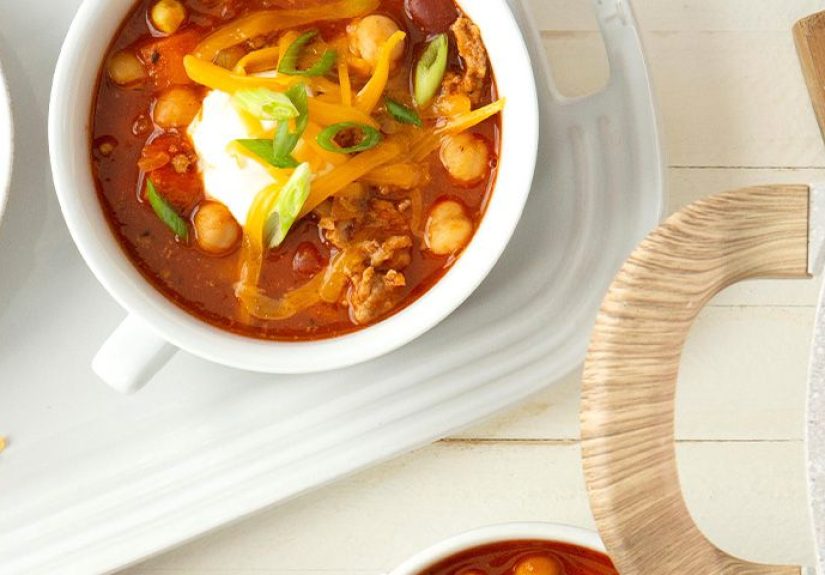
Turkey chili proves that lighter does not have to mean boring. Ground turkey benefits from extra help in the flavor department, so onions, peppers, tomato paste, spices, beans, and a longer simmer are your friends. Done right, it is satisfying, freezer-friendly, and perfect for meal prep. It also welcomes toppings with enthusiasm, which is always a good sign.
White Chicken Chili
White chicken chili sits in that delicious middle ground between soup and chili. It typically uses chicken, white beans, green chiles, garlic, onion, and a creamy or lightly thickened broth. Poblano or jalapeño adds heat, while lime and cilantro brighten everything up. It is ideal when you want a cozy bowl with a little Southwestern personality and less tomato-heavy intensity.
Vegetarian Chili
A smart vegetarian chili does not try to impersonate beef chili in a fake mustache. It wins by being itself: rich with beans, tomatoes, peppers, onions, corn, mushrooms, sweet potatoes, or squash. Layers of spices, a bit of umami, and a thick texture make it deeply satisfying. This is one of the most flexible one-pot comfort food dinners because it works with pantry staples and reheats beautifully.
Texas-Style or No-Bean Chili
For chili purists, especially those who prefer a meat-forward bowl, a no-bean chili can be a beautiful thing. The focus shifts to the chiles, the beef, and the sauce. With enough simmer time, the meat becomes tender and the flavors turn cohesive and bold. It is a great choice for cook-offs, football weekends, or anyone who believes beans belong somewhere else and is prepared to discuss it at length.
Black Bean or Sweet Potato Chili
This style brings a slightly sweeter, earthier personality to the table. Black beans offer creaminess, sweet potatoes add natural body, and smoky spices keep the pot from veering into bland territory. It is colorful, filling, and especially good with avocado, lime, or crunchy pepitas on top.
Common Mistakes That Ruin an Otherwise Good Pot
One of the biggest mistakes in both soup and chili is rushing the flavor-building stage. If the onions are still raw and the meat is gray, the pot is already starting behind. Another common problem is underseasoning. Large pots need more salt than timid cooks think, though it is smart to build seasoning gradually and taste along the way.
Texture mistakes are just as common. Too much liquid gives chili a soup identity crisis. Too little liquid can make soup feel like a spoonable traffic jam. Overcooked noodles, mushy vegetables, and chalky under-simmered beans can all drag a good idea down fast. And then there is the classic finishing mistake: forgetting brightness. Many heavy pots taste dramatically better with a little acid or a fresh topping added at the end.
How to Serve Soup and Chili Like You Planned Ahead
Soup and chili become even better when the sides and toppings are intentional. For soup, think crusty bread, grilled cheese, garlic toast, crackers, biscuits, or a simple salad. For chili, cornbread is a favorite for a reason, but baked potatoes, rice, tortilla chips, or macaroni can also turn it into a full comfort-food event.
A topping spread makes everything more fun. Try shredded cheese, sour cream, diced red onion, sliced scallions, cilantro, avocado, hot sauce, pickled jalapeños, lime wedges, crumbled bacon, tortilla strips, oyster crackers, or toasted breadcrumbs. Texture turns a good bowl into a memorable one.
Make-Ahead, Freezer, and Leftover Tips
Many of the best Soup & Chili Recipes improve after a night in the refrigerator. The flavors mingle, the spices round out, and the texture often gets even better. If you are cooking ahead, cool large batches promptly, portion them into shallow containers, and refrigerate or freeze them as soon as practical. Soups and chilis are meal-prep champions because one pot can cover dinner tonight, lunch tomorrow, and an emergency “I absolutely refuse to cook” night later in the week.
When reheating, add a splash of broth or water if the pot has thickened too much. Taste again before serving, because chilled dishes often need a little refresh in the seasoning department. A squeeze of citrus, a pinch of salt, or a handful of herbs can bring leftovers back to life like they just had a tiny spa day.
The Experience of Soup and Chili: Why These Bowls Mean More Than Dinner
There is something almost ceremonial about making soup or chili. You do not just cook it; you settle into it. The chopping slows you down. The pot starts talking in little bubbles. The kitchen fills with onion, garlic, stock, toasted spices, or tomatoes, and suddenly the whole house feels warmer, even before anyone has taken a bite. These are foods that change the atmosphere. They soften the edges of a long day.
For many people, soup and chili are tied to memory as much as appetite. Chicken noodle soup tastes like being looked after. Tomato soup with grilled cheese tastes like rainy afternoons, school nights, or that one perfectly lazy weekend lunch that somehow became a core memory. Chili tastes like gatherings: game days, potlucks, neighborhood cook-offs, family dinners where someone definitely argues about beans, and chilly evenings when everybody drifts toward the stove because that is where the good smell is coming from.
These dishes also create a kind of quiet kitchen confidence. You do not need perfect knife skills or restaurant timing to make a deeply satisfying pot. Soup and chili reward instinct. You taste, adjust, stir, wait, and trust that a little extra simmering is usually a smart move. They teach patience in a very edible way. They also make home cooks feel resourceful. Leftover roast chicken becomes soup. A couple cans of beans and tomatoes become chili. Random vegetables become dinner instead of guilt.
Then there is the experience of serving them. Few foods are as generous. A single Dutch oven can feed roommates, relatives, kids, friends dropping by unexpectedly, or a tired household that needs something easy and warm. Soup and chili do not demand elegant plating. They just ask for bowls, spoons, maybe a napkin if things get exciting, and something to dip. They make casual dinners feel abundant.
The best part may be the second-day magic. Opening the fridge and knowing there is a container of chili waiting for lunch feels oddly luxurious. Reheating soup after a long day feels like your past self did your future self a favor. Even the ritual of adding toppings becomes part of the pleasure. A handful of cheese, a crack of pepper, some crunchy chips, a swirl of cream, fresh herbs; those small final moves make leftovers feel chosen rather than repeated.
That is why soup and chili keep returning to the center of the table. They are practical, yes, but they also feel caring. They are cozy without being complicated, flexible without being boring, and familiar without ever running out of new variations. One week it is a broth-heavy chicken soup. The next it is smoky black bean chili with lime and avocado. The pot changes, but the feeling stays the same: warm, satisfying, generous, and just a little heroic on a busy night.
Conclusion
If you are building a dinner lineup that actually works in real life, start with soup and chili. These dishes are adaptable, affordable, freezer-friendly, and packed with room for creativity. Whether you lean toward creamy soups, brothy classics, thick beef chili, or veggie-packed one-pot meals, the formula is simple: build flavor early, season with intention, aim for the right texture, and finish with something fresh or crunchy. Do that, and your kitchen will keep turning out bowls people remember.







 Close
Close