
Table of Contents >> Show >> Hide
- Why Matted Fur Is More Than a Bad Hair Day
- What Happens First at a Rescue: Safety, Triage, and a Game Plan
- The Big Decision: De-Mat or Shave?
- The Makeover That Changes Everything: What a “Shave-Down” Actually Involves
- So… Why Does the Dog Look Like He’s Smiling?
- The Days After: Healing Skin, Rebuilding Trust
- How Matting Happens (Even to Loved Dogs)
- Prevention That Actually Works: Simple Coat Care Without the Drama
- If You Find a Stray Like This: What You Should (and Shouldn’t) Do
- Why These Transformations Matter Beyond the Cute Photos
- Experiences Related to Matted-Fur Rescues: What People Learn the Hard Way (and the Hope That Follows)
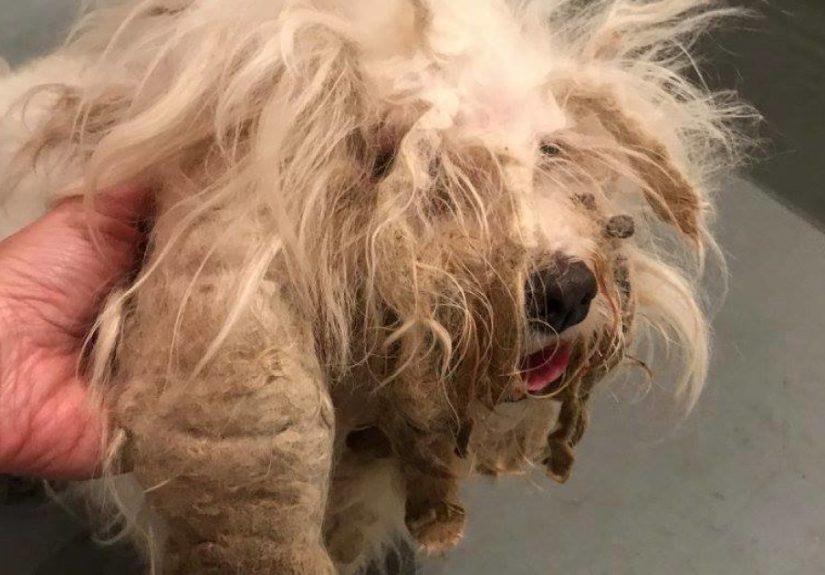
When the rescuers first spotted him, he didn’t look like a dog so much as a moving bundle of “before” photos.
A shaggy, matted coat hung off his small frame like an oversized sweater nobody asked forheavy, dirty, and
clearly uncomfortable. You know the kind of fur situation that makes you think, Is that a tail, or did someone
duct-tape a mop to a pillow?
But once he was safe and getting care, something incredible happened: after a careful shave-down and a proper
medical check, his face changed. Not just “cleaner” or “more recognizable,” but brighterlike relief had a
switch and someone finally flipped it on. The dog started trotting, leaning into gentle pets, and yes…
smiling. The kind of expression that makes people say, “He knows. He absolutely knows he’s going to be okay.”
Stories like this show up again and again across U.S. animal shelters and rescues (often covered by outlets like
People, Southern Living, Newsweek, and The Dodo) because severe matting
is heartbreakingly commonand completely preventable. They also get attention because the transformation is so
dramatic: what looks like a “haircut” is often the first real step toward comfort, health, and trust.
Why Matted Fur Is More Than a Bad Hair Day
Matted fur isn’t just messy. In severe cases, it’s a medical problem. Mats form when loose hair, dirt, moisture,
and friction twist together into tight clumps. Over time, the coat can become “pelted,” meaning it’s basically
a thick layer stuck close to the skin. That pelt can tug painfully with every movementlike wearing a too-tight
ponytail all over your body.
Common health problems hidden under heavy mats
- Skin irritation and infections: Mats trap moisture and grime against the skin, creating a perfect environment for inflammation and infection.
- Parasites and “surprises”: Fleas and ticks can hide deep in the coat where you can’t easily see them.
- Restricted movement: Thick mats around armpits, legs, or the belly can limit mobility and make walking painful.
- Overheating risk: A pelted coat blocks airflow, reducing the coat’s ability to help regulate temperature.
- Circulation and pressure issues: Severe mats can tighten like bands, especially around limbs, adding pressure that can seriously damage skin and tissue.
- Hygiene problems: Matted fur around the rear can trap waste and cause additional skin irritation.
The cruel twist is that matting can happen slowly enough that the dog simply learns to live with discomfort.
Many strays also develop mats because they’re surviving outside with no grooming, frequent wet conditions, and
no one checking their skin. In other cases, the dog may have had an ownerjust not the kind who noticed what was
happening under the fluff.
What Happens First at a Rescue: Safety, Triage, and a Game Plan
When a matted stray arrives at a shelter or rescue intake, the first priority is safetyfor both the dog and
the staff. A dog in pain may be fearful, reactive, or shut down. A dog that has been surviving outside may also
be dehydrated, underweight, or dealing with parasites.
Typical first steps
- Gentle handling and containment: The goal is to reduce stress, not “win a wrestling match.”
- Quick health assessment: Check hydration, temperature, gum color, obvious injuries, and pain level.
- Scan for a microchip: Many strays are lost petsespecially in urban areas.
- Parasite check and prevention: Flea/tick control may start immediately, depending on the dog’s condition.
- Veterinary exam: Severe matting often requires a vet’s involvement because skin underneath can be fragile.
Here’s the key point: for a severely pelted coat, “grooming” is not just a spa appointment. It’s often closer to
medical care. That’s why reputable rescues and shelters don’t treat it like a simple bath-and-brush day. They
treat it like a comfort-and-safety priority.
The Big Decision: De-Mat or Shave?
People love the idea of “saving the coat.” It sounds gentler, like preserving something beautiful. But when a
dog’s fur is severely matted, trying to brush it out can be more painful than removing it. The humane option
is often a shave-downdone carefully and, in some cases, with sedation if the dog is stressed or the matting is
extreme.
Why shaving is often the kinder choice
- Speed: Brushing out a pelted coat can take hours and cause prolonged stress.
- Reduced pain: Tight mats pull on skin; tugging them with combs can hurt.
- Skin visibility: Removing mats lets veterinarians actually evaluate skin health.
- Safety: Severe mats can hide wounds, parasites, or skin disease that needs treatment.
Most veterinary and animal welfare guidance also warns against using scissors to cut mats at home. Skin can be
thin and folded under a mat, and it’s easy to accidentally cut the dog. That’s why shelters and groomers rely
on the right clippers, blades, and techniqueplus a calm environment and, when necessary, veterinary support.
The Makeover That Changes Everything: What a “Shave-Down” Actually Involves
The viral photos make it look simple: “Before: shag carpet. After: adorable dog.” But the process is careful and
methodical, especially when a dog’s coat is heavily compacted.
What a rescue grooming-and-care day often looks like
- Stabilize first: If the dog is dehydrated or weak, hydration and nutrition may come before grooming.
- Slow, safe clipping: Groomers work in sections to avoid nicking irritated skin.
- Bath after removal: Washing a severely matted coat first can tighten mats even more, so many pros remove the bulk of mats before bathing.
- Medicated shampoo (if needed): If skin inflammation or infection is suspected, vets may recommend specific products.
- Nail trim and ear check: Overgrown nails and dirty ears often go along with severe coat neglect.
- Full-body assessment: Once the coat is gone, the team checks for skin irritation, parasites, and areas needing treatment.
Depending on breed and coat type, the grooming plan may also consider sun protection and regrowth. For example,
shaving certain double-coated breeds all the way down to skin can increase sunburn risk and may affect coat
recovery. However, with severe matting, comfort and health come firstespecially if the coat is already damaged.
So… Why Does the Dog Look Like He’s Smiling?
Let’s be honest: humans are professional “meaning-makers.” We see a dog’s relaxed mouth and bright eyes and we
call it a smilebecause it looks like one, and because we’re emotionally invested (fair). But there’s also a
practical explanation: after mat removal, many dogs show immediate signs of relief.
Signs of relief that look like happiness
- Loose, relaxed body language: Less tension in shoulders and back once the coat stops pulling.
- More movement: Dogs often start walking more freely when mats aren’t restricting joints.
- Increased curiosity: A dog that was shut down may begin sniffing, exploring, and interacting.
- Comfort behaviors: Rolling gently, stretching, leaning into petsthings they avoided when sore.
In other words, it’s not magic. It’s comfort. It’s the moment the dog realizes, “Oh. This is what it feels like
when my body isn’t fighting my fur.” And if you’ve ever taken off tight jeans after a long day, you already get it.
The Days After: Healing Skin, Rebuilding Trust
After a shave-down, the work isn’t “done.” In many cases, the dog’s skin has been under a heavy, dirty layer for
a long time. That can mean irritation, sensitivity, dryness, or infection that needs treatment. This is also when
the dog’s emotional recovery begins.
Physical aftercare
- Skin support: Vets may recommend topical care or medicated bathing schedules.
- Parasite prevention: Ongoing flea/tick prevention is key, especially if the dog came from outdoors.
- Sun protection: A newly exposed coat can be sensitive. Shade, timing walks, and vet guidance help.
- Nutrition and hydration: Healthy skin and coat regrowth depend on overall health.
Behavioral decompression
Many strays don’t immediately act like the “after” photos suggest. Some do perk up fast. Others need time. A dog
can be relieved and still nervousespecially if humans were unpredictable in the past. Foster homes and shelter
staff often follow a simple approach: quiet space, consistent routine, gentle interaction, and patience.
The result is often a dog who begins to offer trust in small increments: a tail wag, a soft eye, a choice to sit
nearby instead of hiding. Those moments don’t trend online as easily as a makeover montage, but they’re the real
transformation.
How Matting Happens (Even to Loved Dogs)
While severe matting in strays is common, matting doesn’t only happen in neglect cases. It can happen in busy
households, tooespecially with long, curly, or “high-maintenance” coats.
Everyday matting triggers
- Friction zones: Collars, harnesses, behind the ears, armpits, and back legs are prime mat territory.
- Moisture: Rain, swimming, or even a bath without thorough drying can worsen tangling.
- Shedding + undercoat: Loose hair tangles with living hair and forms compacted mats.
- Skin issues: Allergies or fleas can cause scratching, which tangles hair faster.
- “Doodle coat math”: Curly mixes can mat quickly because the coat texture grabs itself like Velcro.
The tricky part is that mats often start underneath the top layer. The dog may look fluffy and fine until you
run a comb down to the skinthen you realize the under-layer is turning into one big knotty sweater.
Prevention That Actually Works: Simple Coat Care Without the Drama
You don’t need a salon setup in your living room. You need consistency, the right tools, and a realistic schedule.
Many veterinary and animal welfare organizations emphasize that brushing should be frequent enough that a comb can
pass from skin outward in common mat zones.
Practical grooming habits
- Do “comb checks”: A brush can glide over mats. A comb tells the truth.
- Focus on hot spots: Behind ears, collar line, armpits, belly, and back legs.
- Brush before bathing: Detangle first; water can tighten mats.
- Dry thoroughly: Damp fur mats fasterespecially thick or curly coats.
- Schedule professional help: If your dog’s coat mats easily, routine grooming appointments prevent crises.
If you’re dealing with small tangles, go slow and work from the outer edge inward. If the mat is tight to the skin
or covers a large area, it’s usually safer (and kinder) to get professional help. The goal isn’t to “win” against
the mat. The goal is to keep your dog comfortable.
If You Find a Stray Like This: What You Should (and Shouldn’t) Do
Seeing a heavily matted dog can trigger an immediate urge to “fix it right now.” That instinct comes from compassion,
but severe matting is often best handled with professional support.
Do this
- Contact local animal control or a reputable rescue: They can provide safe intake and veterinary care.
- Offer calm help: Water, a quiet place, and minimal stress if the dog allows it safely.
- Use a leash or crate carefully: Only if the dog is friendly enough to handle without risk.
- Document location and condition: This helps rescues coordinate and may support a neglect investigation if needed.
Avoid this
- Don’t try to cut mats with scissors: It’s easy to injure skin hidden under the mat.
- Don’t bathe a fully pelted dog first: Water can tighten mats and increase discomfort.
- Don’t force handling: A scared dog can bite; safety matters.
In many communities, shelters coordinate with veterinarians and groomers for “medical grooms.” That’s the gold
standard for severe matting: safe removal, pain management if needed, and immediate treatment for any hidden issues.
Why These Transformations Matter Beyond the Cute Photos
The internet loves a glow-up, but the real value of these stories is education. When people see a dog lose pounds
of matted fur, they understand that grooming isn’t cosmeticit’s welfare. These stories also highlight the role of
shelters, foster homes, veterinary teams, and professional groomers who collaborate to give dogs a second chance.
They can also inspire practical action: donating to shelters, volunteering, fostering, adopting, and learning how
to prevent matting in our own pets. Because for every viral makeover, there are countless quieter rescues happening
dailyone dog at a time, one careful clip at a time.
Experiences Related to Matted-Fur Rescues: What People Learn the Hard Way (and the Hope That Follows)
If you ask shelter staff what severe matting “feels like” in real life, they rarely describe it as a grooming
challenge first. They talk about the moment they realize the dog has been carrying discomfort for so long that
it became normal. Volunteers often say the same thing: the dog doesn’t always arrive panicking. Sometimes the dog
arrives quietlike he’s conserving energy for survival. Then, after the mats come off, you see the dog’s personality
return in tiny sparks.
One common experience in rescue settings is the “new body” moment. A dog who barely took steps in intake suddenly
starts moving more, as if he’s surprised his legs still work that well. Foster caregivers sometimes describe it
like watching a dog test-drive freedom: a careful stretch, a slow walk across the room, then a sudden little bounce
that looks like a puppy move even if the dog isn’t a puppy at all. It’s not that the dog is instantly “fixed.”
It’s that comfort unlocks curiosity. And curiosity is often the first sign of emotional recovery.
Groomers who partner with rescues talk about a different side of the experience: the patience required to do the
job safely. A severely matted coat can hide skin that’s irritated and extremely sensitive. The work becomes less
about style and more about strategyhow to remove the coat without adding fear, how to take breaks, how to keep the
dog calm. When sedation is needed for a medical groom, the mood in the room can feel serious, because everyone
understands the stakes: comfort and safety first, vanity never.
Another experience rescuers mention is the emotional whiplash of before-and-after photos. The “before” image can
make people angryat neglect, at indifference, at the idea that a dog could end up like that. The “after” image
makes people cryfor relief, for joy, for the fact that the dog was still kind despite everything. And somewhere
between those photos is the part the camera can’t capture: the dog learning what gentle hands feel like, the first
night sleeping without discomfort, the first time the dog eats a full meal without rushing, the first time he
chooses to lean into affection instead of flinching away.
Foster families often have the most personal “day-to-day” stories. They learn quickly that the makeover is the
beginning, not the ending. A dog may be relieved but still skittish about sudden movements, loud noises, or being
cornered. Some fosters use simple routinessame feeding spot, same walk route, calm voiceto build trust through
predictability. They celebrate small wins most people would overlook: the dog wagging at the leash, choosing a toy,
or falling asleep belly-up for the first time (which, in dog language, is basically a five-star review of safety).
The most hopeful shared experience is what happens when adopters meet these dogs after recovery starts. Many people
assume a dog with a rough past will always be “broken.” But rescue workers will tell you: dogs are ridiculously
good at starting over, especially when their basic needs are finally met. When a once-matted stray looks up with
bright eyes and a relaxed face, it can feel like gratitudewhether we call it a smile or not. And for the humans
involved, it’s a reminder that compassion isn’t abstract. Sometimes it sounds like clippers, smells like medicated
shampoo, and looks like a dog discovering, with total sincerity, that life can be soft again.





 Close
Close