
Table of Contents >> Show >> Hide
Note: Clean HTML body only. Source markers and extra publication artifacts have been removed.
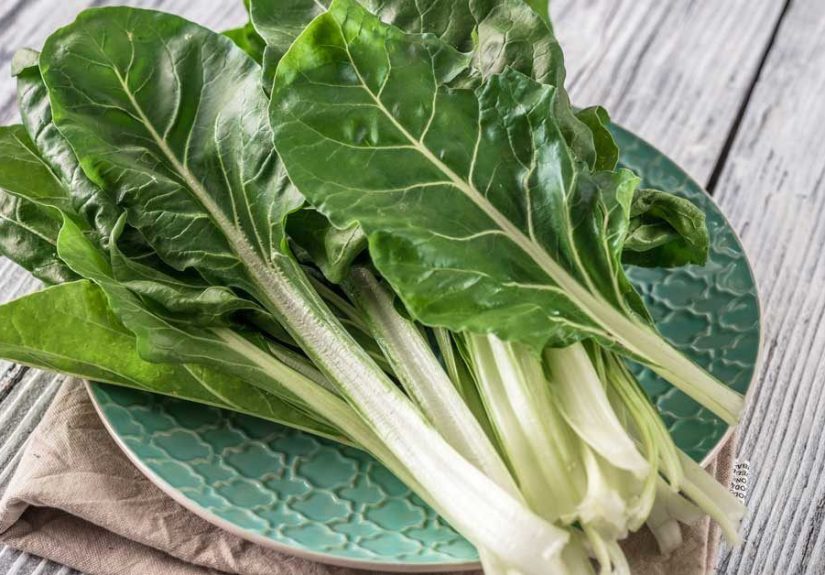
Swiss chard is the kind of vegetable that makes you feel unusually accomplished for buying it. It looks dramatic, with glossy leaves and stems in shades of ruby, gold, pink, orange, and white, as if your produce drawer suddenly decided to become an art gallery. But this leafy green is more than a pretty bunch. Swiss chard is nutritious, versatile, affordable, and surprisingly easy to cook once you know its one big secret: the stems and leaves do not cook at the same speed. Master that, and you are halfway to a better dinner.
If kale is the overachiever and spinach is the familiar favorite, Swiss chard is the charming middle child that deserves more attention. It belongs to the same species as beet, but unlike beetroot, it is grown for its large leaves and crunchy stalks. The whole plant is edible, and the flavor lands somewhere between spinach and beet greens: earthy, slightly sweet, faintly bitter, and much more tender once cooked.
In this guide, we will break down Swiss chard nutrition, explain its main health benefits, show you exactly how to cook it without turning it into a sad green puddle, and finish with real-world kitchen experiences that make this vegetable much less intimidating and a lot more delicious.
What Is Swiss Chard, Exactly?
Swiss chard is a leafy green vegetable from the beet family. Unlike beets, it does not form a large edible root. Instead, it grows broad, crinkly leaves and sturdy stalks that can be white, red, yellow, orange, or pink. That is why you will often see labels like rainbow chard or Bright Lights. In other words, it is the rare vegetable that can improve both your dinner and your garden aesthetic.
The leaves can be eaten raw when they are young and tender, but mature chard is usually cooked. The stems are also edible, though they are firmer than the leaves and need a little more time in the pan. Think of the stalks as the celery-like part and the leaves as the spinach-like part. Same plant, different personalities.
Swiss Chard Nutrition at a Glance
Swiss chard earns its nutrition reputation honestly. A cup of raw Swiss chard is very low in calories, with about 7 calories, 1 gram of fiber, and 1 gram of protein. That is not enough to make it a meal on its own, but it is more than enough to make it a powerful supporting player on your plate.
Where Swiss chard really shines is in its micronutrients. It is especially known for vitamin K and provitamin A carotenoids, and it also contributes vitamin C, magnesium, potassium, iron, folate, and other plant compounds found in dark leafy greens. In plain English, it gives you a lot of nutritional value without asking for much space on the calorie budget.
Its standout nutrients include:
- Vitamin K: important for normal blood clotting and bone health.
- Vitamin A precursors: carotenoids that your body can convert to vitamin A, which supports vision and immune function.
- Vitamin C: contributes antioxidant support and helps with collagen formation.
- Magnesium: supports muscle and nerve function, energy metabolism, and bone health.
- Potassium: helps regulate fluid balance and supports healthy blood pressure.
- Fiber: helps with fullness, digestion, and overall diet quality.
That combination is one reason dietitians love leafy greens. Swiss chard is not magic, and it will not fix your entire life because you sautéed it once on a Tuesday. But it does make it easier to build meals around more vegetables, more color, and more nutrient density.
Health Benefits of Swiss Chard
1. It supports bone health and normal clotting
Swiss chard is best known as a vitamin K-rich leafy green. Vitamin K plays a role in blood clotting and also supports healthy bones. That makes chard a smart choice for people trying to eat more dark leafy vegetables on a regular basis. It is one of those foods that quietly does important work in the background, like a good stage manager.
2. It helps cover vision and immune-support nutrients
The deep green leaves of Swiss chard are a clue that carotenoids are part of the story. Your body can convert some carotenoids into vitamin A, a nutrient tied to normal vision, immune function, growth, and the health of tissues throughout the body. This is one reason leafy greens continue to show up in nutrition advice year after year. They are not trendy because they are photogenic. They are trendy because they are useful.
3. It fits naturally into heart-healthy eating patterns
Swiss chard contains potassium and magnesium, two minerals that matter for cardiovascular function. Potassium helps counter the effects of sodium and can support healthy blood pressure. Magnesium is involved in hundreds of biochemical reactions in the body, including nerve and muscle function, blood pressure regulation, and energy production. No single vegetable can carry your whole heart-health strategy on its leafy shoulders, but Swiss chard absolutely belongs in a balanced eating pattern that favors vegetables, beans, whole grains, and minimally processed foods.
4. It is low in calories but high in nutritional payoff
One of the most practical benefits of Swiss chard is how easy it is to add to meals without making them heavy. It works in soups, grain bowls, omelets, pasta dishes, casseroles, tacos, and side dishes. It adds volume, flavor, and nutrients while keeping meals light. For anyone trying to eat more vegetables without feeling like they are being punished by a plate of steamed sadness, chard is an excellent choice.
5. It helps make meals more satisfying
Swiss chard is not a high-protein food, but its fiber and bulk can still make meals feel more substantial. Pair it with eggs, beans, chicken, salmon, tofu, or whole grains and you get a meal that looks better, tastes fresher, and usually leaves you feeling more satisfied than a beige dinner made entirely from convenience foods.
How Swiss Chard Tastes
Raw Swiss chard has a slightly bitter, earthy flavor and a texture that is sturdier than spinach. Younger leaves are milder and can work in salads. Mature leaves are better cooked, where the bitterness softens and the texture becomes silky. The stems are mildly sweet and crisp when cooked properly.
If you have ever tried chard raw and thought, “Well, that was a personality,” do not give up on it. A quick sauté with olive oil, garlic, and lemon transforms it. The leaves wilt into tenderness, the stalks mellow, and the whole thing tastes much more balanced. Swiss chard is one of those vegetables that rewards a little technique.
How to Cook Swiss Chard
Step 1: Wash it well
Like other leafy greens, Swiss chard can hold onto grit. Rinse the leaves thoroughly under cool water and dry them well. Nobody wants a mouthful of garden crunch unless the recipe specifically says potato chips.
Step 2: Separate the stems from the leaves
This is the key move. The stems are thicker and take longer to soften than the leaves. Slice the stems into small pieces and roughly chop or ribbon the leaves. Once you do that, Swiss chard becomes much easier to manage.
Step 3: Choose your cooking method
Sautéing
This is the easiest and best all-purpose method. Start the stems first in a skillet with olive oil. Cook them until slightly tender, then add the leaves and cook just until wilted. Garlic, lemon juice, red wine vinegar, black pepper, red pepper flakes, and Parmesan all play very nicely here.
Boiling or blanching
If you want a softer texture or less bitterness, you can boil chard briefly. This can also reduce some of its oxalate content. Drain it well before seasoning so your side dish does not turn into soup by accident.
Steaming
Steaming is gentle and works well if you want to preserve the vegetable’s structure. Finish with olive oil, salt, pepper, and a squeeze of lemon.
Raw preparations
Young, tender chard leaves can be used raw in salads, chopped finely into grain bowls, or mixed with milder greens. If the leaves are larger or more mature, they can be a little tough and bitter for raw eating.
Easy ways to use Swiss chard in meals
- Fold it into scrambled eggs or omelets.
- Add it to soups, stews, and bean dishes.
- Toss it with pasta, olive oil, garlic, and white beans.
- Stir it into risotto or polenta.
- Use it in frittatas, savory pies, or grain bowls.
- Swap it in for spinach or kale in many cooked recipes.
A little fat can also help with flavor and with absorption of fat-soluble carotenoids, which makes olive oil more than just a delicious detail. Swiss chard and olive oil are not merely friends. They are a team.
Buying, Storing, and Prepping Swiss Chard
When buying Swiss chard, look for crisp stems and vibrant leaves without too many yellowed, wilted, or slimy spots. The leaves should look alive, not like they have already given up on the week.
Store Swiss chard in the refrigerator, ideally unwashed, in a bag or wrapped loosely so it does not trap too much moisture. It is best used fairly quickly. Some extension sources say a couple of days for peak quality, while others note that it can last longer depending on storage conditions. As a general rule, sooner is better.
If you have a large bunch, prep it in stages. Use the tender leaves first for salads or quick sautés. Save sturdier stems for stir-fries, soups, or omelets. You can also blanch the leaves and freeze them, although the stems do not freeze quite as beautifully.
Who Should Be Careful With Swiss Chard?
Swiss chard is healthy for most people, but there are two common cautions worth knowing.
If you take warfarin
Because Swiss chard is high in vitamin K, it can affect how warfarin works. That does not mean you must avoid chard forever and become enemies. It means consistency matters. If you take warfarin, talk with your healthcare professional about how much vitamin K-rich food is appropriate for you and try not to make huge swings in intake from one week to the next.
If you are prone to calcium oxalate kidney stones
Swiss chard contains oxalates. For most people, that is not a deal-breaker. But for people who have a history of calcium oxalate kidney stones or high urine oxalate, portion awareness may matter. In those cases, it is smart to talk with a healthcare professional or dietitian instead of assuming every green vegetable should be eaten in heroic quantities.
Real-World Experiences With Swiss Chard
One of the most common experiences people have with Swiss chard is simple confusion at first sight. They buy a bunch because it looks gorgeous, bring it home, and then stare at it in the refrigerator like it is a homework assignment. That is completely normal. Swiss chard has a visual flair that suggests it might be complicated, but in practice it behaves a lot like other leafy greens once you cut it down to size.
Many first-time cooks are surprised by how much the leaves shrink. A big bunch can look ambitious in the produce aisle and then collapse into a modest side dish in the skillet within minutes. That is not a scam. That is just leafy-green physics. Because of this, experienced home cooks often buy more chard than they think they need, especially if it is going to be the main vegetable on the plate.
Another common experience is discovering that the stems and leaves really do need separate treatment. People who toss the whole bunch into a pan at once often end up with one of two outcomes: crunchy stems and overcooked leaves, or nicely cooked leaves and stems that still feel like they are auditioning for celery. The moment you start cooking the stems first, Swiss chard gets easier and better. It is one of those tiny techniques that makes you feel suspiciously competent.
Flavor-wise, many people notice that raw Swiss chard can be a little assertive. Not bad, just bold. Slightly bitter, a bit earthy, and sturdier than spinach. But when it is sautéed with olive oil, garlic, and something acidic like lemon juice or vinegar, the flavor changes fast. The bitterness softens, the sweetness comes forward, and suddenly the vegetable tastes much friendlier. This is why Swiss chard often converts skeptics when served cooked rather than raw.
Gardeners tend to have especially good experiences with Swiss chard because it is productive and attractive. It can keep giving leaves over a long season, and the bright stems make it look ornamental enough to earn a place outside the traditional vegetable patch. For people who grow food at home, Swiss chard often becomes one of those “cut and come again” favorites that quietly keeps dinner interesting.
Families also report a funny pattern with rainbow chard: people who claim not to like greens are more willing to try it when the stems are bright red, yellow, or pink. Color helps. Presentation helps. Garlic helps a lot. So does Parmesan. If you are introducing chard to picky eaters, putting it into pasta, eggs, soup, or rice dishes usually goes over better than serving a giant pile of plain greens and hoping for a miracle.
There is also the weeknight-dinner experience, which is where Swiss chard really earns its keep. It cooks fast, works with pantry staples, and makes simple meals look more intentional. Toss it with white beans and pasta, add it to a frittata, stir it into lentil soup, or serve it beside roasted chicken. It brings color, nutrition, and a “yes, I absolutely meant to do that” energy to dinner, even when the truth is you were just trying to use up the produce drawer before things got tragic.
In other words, Swiss chard is not just healthy on paper. It is useful in actual kitchens, forgiving enough for beginners, and versatile enough for people who cook all the time. That combination is a big part of why it deserves a regular spot in the rotation.
Conclusion
Swiss chard is one of the most underrated leafy greens in the produce section. It is low in calories, rich in valuable nutrients, easy to adapt in the kitchen, and colorful enough to make healthy food feel a little less dull. Its vitamin K, carotenoids, potassium, magnesium, and fiber make it a smart addition to balanced meals, while its tender leaves and crisp stems give cooks more than one texture to work with.
The simplest way to enjoy Swiss chard is still the best: wash it well, separate the stems from the leaves, sauté the stems first, add the leaves second, and finish with olive oil, garlic, and lemon. From there, you can fold it into almost anything. That is the beauty of chard. It looks fancy, but it cooks like a weeknight hero.





 Close
Close