
Table of Contents >> Show >> Hide
- Why Wood-Handled Kitchen Knives Still Have a Cult Following
- What to Look for in a Wood-Handled Kitchen Knife
- Wood-Handled Kitchen Knife Roundup: The Styles Worth Your Attention
- How Wood Handles Change the Everyday Cooking Experience
- How to Care for a Wood-Handled Kitchen Knife
- Who Should Buy a Wood-Handled Knife?
- Final Verdict
- Real Kitchen Experience: What Living With Wood-Handled Knives Is Actually Like
There are kitchen tools you buy because you need them, and then there are kitchen tools you buy because they make you feel like the kind of person who casually juliennes carrots while jazz plays in the background. Wood-handled kitchen knives somehow manage to do both. They are practical, beautiful, tactile, and just dramatic enough to make chopping an onion feel faintly cinematic.
But good looks alone do not make a good knife. A wood-handled kitchen knife has to earn its place the hard way: by feeling balanced in the hand, staying comfortable during long prep sessions, holding an edge, and surviving everyday kitchen life without turning into a high-maintenance diva. After comparing guidance from major U.S. kitchen editors, knife makers, specialty retailers, and cookware brands, one thing is clear: the best wood-handled kitchen knives blend form and function. The handle may catch your eye, but the geometry, steel, grip, and care routine decide whether the knife becomes your favorite or just another pretty object with commitment issues.
This roundup breaks down what makes wood-handled knives special, which styles are worth considering, how different brands approach the look, and what kind of cook should actually bring one home. Because yes, a gorgeous knife can absolutely improve your countertop mood. But it should also slice a tomato cleanly instead of smushing it into salsa.
Why Wood-Handled Kitchen Knives Still Have a Cult Following
Wood has warmth that plastic cannot fake and steel cannot soften. In the hand, it feels less clinical and more organic. That matters more than people think. A knife is one of the few kitchen tools that stays in direct contact with your body while you work, so texture, shape, and comfort count. Many cooks love wood handles because they feel secure without being rubbery, elegant without being slippery, and substantial without being clunky.
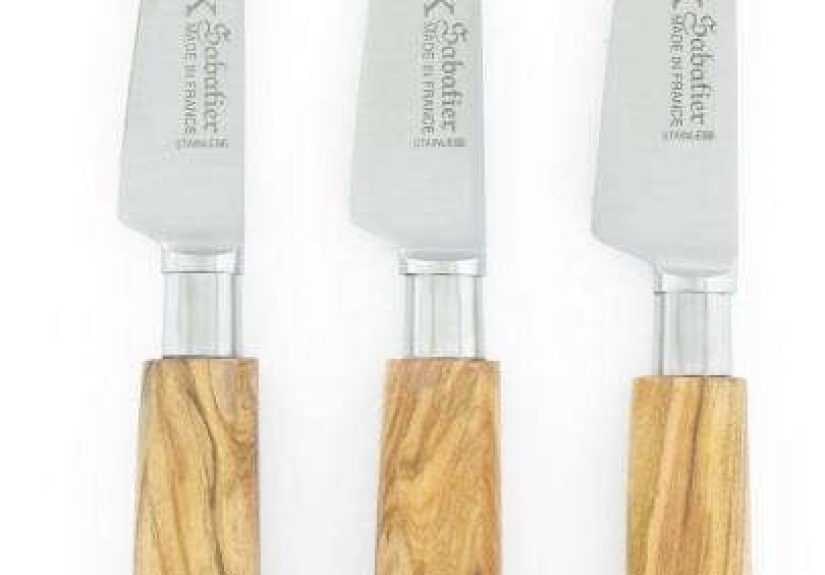
There is also range within the category. Some knives use natural woods like olive, maple burl, walnut, or beech. Others use stabilized or resin-infused wood composites such as pakkawood, which preserve the visual richness of real wood while improving durability and moisture resistance. That is why so many premium Japanese-style knives lean on pakkawood: it gives you the old-world beauty without quite as much real-world drama.
And yes, style matters. A knife block filled with black synthetic handles says, “I am organized.” A magnetic strip lined with wood-handled blades says, “I roast carrots on purpose and own flaky salt.” Neither is wrong. One is just more photogenic.
What to Look for in a Wood-Handled Kitchen Knife
1. Natural wood vs. pakkawood
Natural wood handles have unmistakable character. Grain variation, color changes, and slight patina development make the knife feel more personal over time. Olive wood, beech, walnut, and maple burl are especially popular because they balance beauty with usable strength. The tradeoff is maintenance. Natural wood dislikes soaking, high heat, and neglect. It needs gentle washing, immediate drying, and occasional oiling or waxing if the maker recommends it.
Pakkawood is the more practical cousin at the family reunion. It is real wood impregnated with resin, then shaped and polished into a stable handle material. It still looks elegant, but it is better equipped to resist moisture and everyday wear. If you love the wood-handled aesthetic but do not want to fuss over a diva, pakkawood is often the sweet spot.
2. Handle shape matters as much as handle material
A beautiful handle that fights your grip is basically countertop jewelry. Look for shapes that match how you hold a knife. Western handles tend to be contoured, familiar, and friendly to home cooks transitioning from classic German-style knives. Japanese wa-style handles often come in octagonal or D-shaped forms and can feel lighter, more nimble, and more blade-forward. That can be fantastic for precision, but it is a different feel.
3. Balance, tang, and blade style
For an everyday chef’s knife, balance is king. Full-tang knives often feel more substantial and stable. Half-tang or lighter Japanese constructions can feel quicker and more agile. Neither is automatically better. If you mince herbs all day, you may prefer a classic chef’s knife with some weight. If you love precise slicing and vegetable prep, a lighter santoku or gyuto may feel like a revelation.
4. Know your steel personality
Wood-handled knives show up in both stainless and carbon steel formats. Stainless is easier to live with and better for most home cooks. Carbon steel can be wickedly sharp and develop a gorgeous patina, but it demands fast cleanup and a little emotional maturity. In kitchen terms, that means you cannot leave it lounging around with lemon juice on the blade while you answer texts.
Wood-Handled Kitchen Knife Roundup: The Styles Worth Your Attention
Best for the cook who wants one great do-it-all knife
If you want a single wood-handled knife that can handle most of your cooking life, start with an 8-inch chef’s knife or gyuto. This is the workhorse category, and it is where the differences between brands become especially interesting.
STEELPORT’s chef’s knife stands out for shoppers who want an American-made statement piece. Its stabilized Oregon maple burl handle brings real visual drama, and the brand leans hard into hand-finishing, carbon steel performance, and heirloom positioning. This is the kind of knife you buy when you want performance and a story to tell while showing it off to dinner guests who absolutely did not ask but are now getting the full tour.
Miyabi and other ZWILLING Japanese lines are excellent for cooks who love refined, lightweight precision. Many of these knives pair hard Japanese steel with pakkawood handles in octagonal or rounded Japanese-inspired forms. They tend to feel elegant, nimble, and tailored to fine slicing rather than brute-force hacking.
Shun Classic-style knives remain popular because they sit in a very appealing middle ground: premium enough to feel special, polished enough to look expensive, and practical enough for regular home use. Their pakkawood handles and thin, sharp blades appeal to cooks who enjoy control and finesse over heavy rocking-chop energy.
Made In’s olive wood collection deserves attention for cooks who want the warmth of natural wood with a more modern luxury vibe. The brand’s French-forged approach and olive wood handle options create a knife that feels equal parts professional tool and tabletop flex.
Best budget-friendly wood-handled options
Not every wood-handled knife has to come with a dramatic origin story and a price tag that makes you blink twice. Opinel’s kitchen knives, especially in the Parallèle line, are a smart entry point. Their beech and olive wood handles keep the old-school charm alive, and the straightforward stainless blades make them approachable for everyday cooking. These are not “buy once, inherit forever” trophies, but they are genuinely appealing for cooks who want character without dropping luxury-money on prep work.
In practical terms, Opinel is what you buy when you want your kitchen to feel a little more French country and a little less “random utensils in a drawer.”
Best wood-handled knives for vegetable lovers
If your ideal evening involves thinly slicing cucumbers, shaving cabbage, and pretending meal prep is your cardio, look toward santoku, nakiri, and bunka styles with wood or pakkawood handles. These blade shapes are often lighter and flatter than classic Western chef’s knives, which makes them especially satisfying for precise vegetable prep.
Miyabi’s Japanese-style lines are particularly strong here, especially when paired with octagonal or rounded pakkawood handles that encourage control. Cangshan and select specialty-retailer exclusives also show how faceted dark wood handles can improve grip while delivering a more modern look. The best models in this lane feel quick, sharp, and almost annoyingly efficient.
Best bread and carving knives with wood handles
Wood-handled knives are not just for your main chef’s knife. Serrated bread knives and long slicers benefit from the same comfort and balance. If you bake, roast, or serve on the table often, this is one of the easiest places to appreciate the difference.
Opinel’s wood-handled bread knives and Miyabi’s pakkawood slicers are great examples of how the category expands beyond the standard chef’s blade. A good bread knife with a comfortable wood handle feels less fatiguing during long sawing motions, while a long carving knife with a stable grip adds confidence when you are slicing brisket, turkey, or that roast you cooked specifically so people would compliment you.
Best for gifting or special-occasion table style
Wood-handled steak knives are a whole separate pleasure. They turn an ordinary dinner into something that feels just a little more finished. Mixed-wood steak knife sets, olive wood sets, and handcrafted American-made steak knives are especially popular for weddings, housewarmings, and holiday gifting because they straddle utility and display value so well.
If your goal is to elevate the tabletop itself, this is where wood really shines. The grain, tone, and natural variation add softness to metal-heavy place settings, and they pair beautifully with linen napkins, ceramic dinnerware, and boards full of things that cost too much at the cheese shop.
How Wood Handles Change the Everyday Cooking Experience
The appeal of a wood-handled knife is not just visual. It is sensory. Good wood or pakkawood feels warm from the start. It does not shock your hand the way all-metal handles sometimes can. It often provides a more secure grip, especially when the shape is subtly contoured or faceted. And because many wood-handled knives are designed with premium positioning in mind, the overall fit and finish often gets more attention.
That said, the magic disappears fast if you buy the wrong match for your habits. If you are rough on tools, leave knives in the sink, or want zero-maintenance convenience, a wood-handled knife may not be your soul mate. It is more like a charming partner who asks only for basic respect and absolutely will remember if you put it in the dishwasher.
How to Care for a Wood-Handled Kitchen Knife
Hand wash it. Always.
This is the big one. Brands, kitchen schools, and editorial testers say the same thing in slightly different ways: do not put wood-handled knives in the dishwasher. Heat, detergent, moisture, and banging around are bad for the blade and worse for the handle. Hand wash with mild soap, rinse promptly, and dry immediately.
Do not let it lounge in water
Soaking is how wood handles start plotting revenge. Even stabilized handles and pakkawood are better off kept away from prolonged moisture exposure. Wash, dry, done. That is the routine.
Oil natural wood when needed
If your knife has a natural wood handle, occasional conditioning can help prevent drying, roughness, or splintering. Follow the maker’s instructions, but food-safe mineral oil or a recommended wood treatment is often part of the long game. If the handle starts looking thirsty, believe it.
Store it like you respect it
A blade guard, magnetic strip, saya, or proper block beats tossing it into a drawer where the edge can knock into other tools. Good storage protects sharpness, improves safety, and keeps that handsome handle from getting beat up by rogue kitchen gadgets.
Learn the difference between honing and sharpening
Honing realigns an edge. Sharpening removes material to create a new edge. Both matter, and neither should be confused with “I cut one tomato badly and now I guess this knife is dead to me.” Regular honing and occasional sharpening keep good knives performing the way they should.
Who Should Buy a Wood-Handled Knife?
A wood-handled kitchen knife makes sense for cooks who care about tactile comfort, presentation, and long-term enjoyment. It is ideal for people building a more intentional kitchen, upgrading from generic knife sets, or choosing a signature blade they will reach for daily. It is also a smart gift for newlyweds, serious home cooks, design lovers, and anyone who appreciates tools that look as good as they work.
It may not be the best choice for someone who wants zero maintenance, has a chaotic dishwashing routine, or treats all kitchen tools as interchangeable. A wood-handled knife rewards attention. Thankfully, the attention required is not dramatic. It is less “high-maintenance collectible” and more “please do not boil me in lemon-scented detergent.”
Final Verdict
The best wood-handled kitchen knives are not just pretty blades for aspirational countertops. They are genuinely satisfying tools that blend craftsmanship, grip, balance, and visual warmth in a way few other kitchen items can. For most home cooks, the best fit will be a high-quality chef’s knife or santoku with a stable wood composite like pakkawood. For shoppers who love natural materials and do not mind a little upkeep, olive wood, beech, walnut, and stabilized maple handles add timeless beauty and personality.
If you want the easiest path into the category, start with a reliable wood- or pakkawood-handled chef’s knife from an established maker. If you already have your main prep knife covered, a bread knife, slicer, or steak knife set can bring the same charm to the table without replacing your daily driver. Either way, wood-handled knives prove that utility and beauty do not have to live in separate drawers.
In other words: a great knife should cut beautifully, feel right in your hand, and make you oddly excited to dice shallots. Wood-handled knives do all three. Which is probably why so many cooks keep buying them despite knowing full well they will eventually start giving unsolicited speeches about edge geometry at dinner parties.
Real Kitchen Experience: What Living With Wood-Handled Knives Is Actually Like
The first thing most people notice about a wood-handled knife is how it looks. The second thing they notice is how different it feels after a week of actual use. That difference is hard to explain until you have spent a few evenings chopping onions, trimming herbs, slicing crusty bread, and reaching for the same knife again and again. A good wood handle does not just decorate the knife; it changes your relationship with it.
In day-to-day cooking, the biggest shift is comfort. A nice wood or pakkawood handle tends to feel warmer and less sterile than plastic. On long prep sessions, that matters. When you are halfway through a mountain of vegetables for soup, tacos, or holiday meal prep, subtle comfort becomes a real performance feature. The knife starts to feel like an extension of your hand instead of a tool you are merely borrowing from the drawer.
There is also a psychological effect, and yes, it is real. People tend to treat beautiful tools better. A wood-handled knife often gets washed right away, dried more carefully, and stored more thoughtfully simply because it looks like it deserves respect. Oddly enough, that can make the knife last longer and perform better over time. In other words, beauty can create better habits. Your knife becomes less “thing I own” and more “small kitchen investment I do not want to ruin before pasta night.”
Another experience many cooks mention is how wood-handled knives encourage slower, more deliberate prep. That is not a flaw. It is part of the appeal. A substantial chef’s knife with a figured maple or olive wood handle invites a certain rhythm: line up the carrots, square off the onion, keep your grip steady, enjoy the clean slices. It turns prep from a chore into a craft, or at least into something slightly more dignified than panic-chopping garlic while your skillet smokes.
Of course, the romance only works if the knife suits your habits. If you are the sort of cook who leaves tools in the sink under a damp dish towel, a wood-handled knife will quickly become a lesson in consequences. But if you can manage the modest routine of hand washing, drying, and storing it properly, the payoff is real. The handle begins to feel familiar. The knife develops identity. Over time, it becomes the one you reach for without thinking.
That is really the magic of a good wood-handled kitchen knife. It is not just that it performs well. It is that it makes cooking feel better while you are doing it. The prep is smoother, the grip is more pleasing, the table looks sharper, and the tool itself brings a little ceremony to an ordinary task. And in a world where most kitchen clutter is forgettable, that kind of everyday pleasure is worth something.





 Close
Close