
Table of Contents >> Show >> Hide
- What Is Diabetic Neuropathy (and Why Does It Hurt So Much)?
- What Is a TENS Unit?
- How TENS Works (No, It’s Not Tiny Lightning Fighting Your Pain)
- TENS for Diabetic Neuropathy: What the Evidence Actually Says
- Safety First: Who Should Avoid TENS (or Use It Only with Medical Guidance)?
- How to Use a TENS Unit for Neuropathy Pain (Practical, Not Pinteresty)
- TENS vs Other Treatments for Painful Diabetic Neuropathy
- Frequently Asked Questions
- Conclusion: The Realistic Promise of TENS
- Experiences: What Using TENS for Diabetic Neuropathy Feels Like (and What People Learn)
Diabetic neuropathy can feel like your nerves joined a rock band and hired a drummer who only knows one song: thump-thump-burn-tingle.
If you’ve ever described your feet as “on fire,” “buzzing,” or “wearing invisible socks made of sandpaper,” you’re not being dramaticyou’re being accurate.
One non-drug option that keeps popping up in pain clinics, physical therapy offices, and “what else can I try?” conversations is
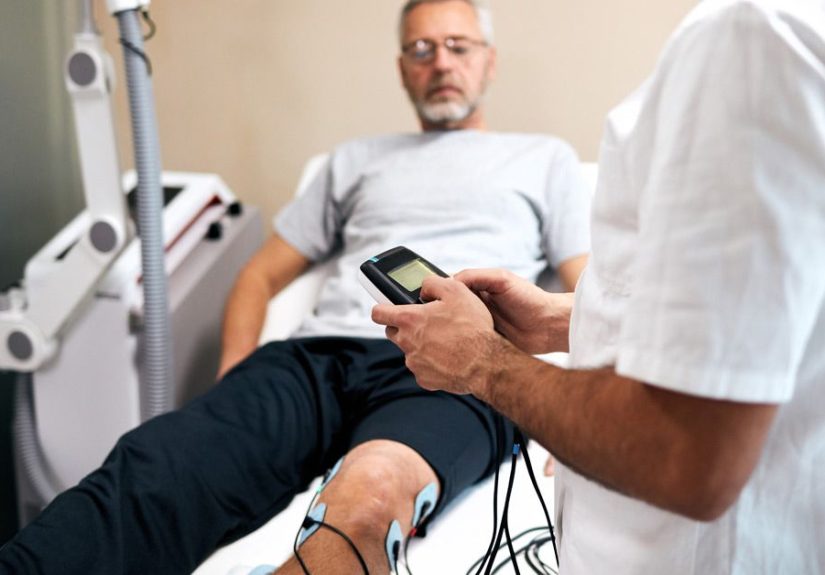
TENSshort for transcutaneous electrical nerve stimulation. It’s the little battery-powered device with sticky pads that sends mild electrical pulses through your skin.
The big question: can it help diabetic peripheral neuropathy pain, and if so, how?
Let’s break down what TENS actually does, what the research suggests (including where it’s frustratingly mixed), how to use it safely when you have diabetes,
and what real people tend to experience when they give it a fair try.
What Is Diabetic Neuropathy (and Why Does It Hurt So Much)?
Diabetic peripheral neuropathy is nerve damage that commonly affects the feet and legs. Symptoms often include burning, tingling (“pins and needles”), numbness,
pain even from light touch, and trouble sensing temperature or pain. Many people notice symptoms more at night, because apparently nerves prefer drama after dark.
Here’s the extra twist: neuropathy can reduce sensation and create pain. That means you can have intense discomfort while also missing injuries like blisters,
cuts, or pressure spots. This is why foot care matters so much for people with diabetesunnoticed wounds can become serious.
Where TENS Fits In
TENS doesn’t “fix” nerve damage, and it’s not a blood-sugar tool. Think of it as a symptom-management strategyone possible way to reduce the sensation of pain,
especially as an add-on to the bigger plan (glucose management, foot protection, movement, sleep, medication when needed).
What Is a TENS Unit?
A TENS unit is a small device powered by batteries that connects to electrode pads placed on the skin near the painful area. When switched on, it delivers
low-voltage electrical current in pulses. Most devices let you adjust intensity and patterns (often described as “modes”), and some allow frequency changes too.
If you’ve ever tried one and thought, “This feels like my skin is lightly fizzing,” congratsyou’re using it correctly (assuming it’s comfortable and not painful).
How TENS Works (No, It’s Not Tiny Lightning Fighting Your Pain)
TENS is considered a form of neuromodulation, meaning it influences how nerves communicate. Pain isn’t only about what’s happening in your feetit’s also about
how signals travel through your nervous system and how your brain interprets them. TENS aims to change that messaging in a few key ways.
1) The “Gate Control” Theory: Closing the Pain Door
One classic explanation is the gate control model. Your spinal cord acts like a bouncer at a club: it decides which signals get VIP access to your brain.
TENS stimulates non-pain nerve fibers, which may “close the gate” on pain messages traveling upward. It’s similar to why rubbing an “ouch” can make it feel better.
2) Changing Pain Perception During Use
Many people report the most noticeable benefit during stimulation or shortly afterward. That lines up with large evidence reviews showing pain intensity often
decreases while the device is running (and sometimes for a bit after). In other words: TENS is often more like a dimmer switch than a permanent rewiring job.
3) Supporting the Body’s Natural Pain-Relief Chemistry
Research discussions around TENS also include effects on the body’s own pain-control systems. Depending on settings, TENS may influence endogenous pain modulation
pathways (the nervous system’s built-in “shhh, we’re fine” signals). The takeaway for everyday use: different settings may feel different, and the “best” setting
is often the one that provides comfortable relief without irritation.
4) Why Settings Matter More Than People Expect
A common reason TENS gets mixed reviews is that real-life use is highly variable:
pad placement, intensity, frequency, skin condition, session length, and the type of pain all matter.
One person’s “miracle buzz” can be another person’s “meh, annoying mosquito.”
TENS for Diabetic Neuropathy: What the Evidence Actually Says
The research story on TENS is a bit like a TV series with uneven seasons: some strong episodes, some filler, and a lot of “we need better writing.”
Here’s the most honest summary:
-
Across many pain conditions, high-quality evidence reviews suggest TENS can reduce pain intensity during or immediately after stimulation,
with no serious adverse events reported in large analyses. -
For diabetic peripheral neuropathy specifically, trials and meta-analyses have reported improvements in neuropathic symptoms in some studies,
though study quality and methods vary. -
Long-term outcomes are less certain. Some clinical education resources note that evidence is stronger for short-term relief than durable,
long-term benefit.
So… Is It Worth Trying?
If you want a non-drug approach and you can use it safely, TENS is often reasonable to tryespecially when neuropathy pain interferes with sleep, walking,
or basic “I’d like to wear shoes without crying” activities.
The smart mindset is: trial it like a science experiment. Track pain levels, sleep quality, and function for a couple of weeks.
If it helps, great. If it doesn’t, you’ve learned something without committing to a medication change.
Safety First: Who Should Avoid TENS (or Use It Only with Medical Guidance)?
TENS is generally considered safe, but “safe” doesn’t mean “use it like a DIY fireworks kit.” There are important precautionsespecially with diabetes.
Common Contraindications and Cautions
- Pacemaker, defibrillator, or implanted electrical/infusion devices: avoid unless specifically cleared by your specialist.
- Pregnancy: generally listed as a contraindication without clinician guidance.
- Epilepsy/seizure disorders: caution is commonly advised.
- Heart/neck/head placement: avoid placing electrodes near the heart, throat, eyes, or other sensitive areas.
- Broken, irritated, infected, or numb skin: avoid placing pads on compromised skin.
Special Diabetes-Specific Safety Tips
If you have neuropathy, you may not reliably feel “too hot,” “too intense,” or “my skin is getting angry.” That means you should:
- Start with the lowest comfortable intensity and increase slowly.
- Check the skin under pads after every session (look for redness, blisters, or irritation).
- Never use TENS over open sores, ulcers, or areas where you’ve lost protective sensation.
- Follow foot-care habits: daily checks, proper footwear, and quick attention to any wounds.
How to Use a TENS Unit for Neuropathy Pain (Practical, Not Pinteresty)
The goal with TENS is comfortable stimulation near the painful areawithout causing skin problems or triggering muscle cramping.
Always follow your device’s instructions and consider a quick lesson from a physical therapist if you’re unsure.
Step-by-Step Basics
- Prep the skin: clean, dry, intact skin works best. Avoid lotions right before use (pads hate moisturizer).
- Place pads thoughtfully: often around the painful region rather than directly on bony prominences. If pain is in the feet,
placement may be on the lower leg/ankle region depending on comfort and guidance. - Set intensity to “strong but comfortable”: you should feel a noticeable tingling or tapping, not pain or burning.
- Session length: many people use 10–30 minutes per session. If your clinician suggests otherwise, follow that plan.
- Re-check skin after: especially important for diabeteslook for irritation and rotate pad sites when possible.
What Should It Feel Like?
Most people describe TENS as tingling, buzzing, tapping, or a gentle pulsing sensation. If it feels sharp, painful, or leaves significant redness that lasts,
that’s your cue to lower intensity, adjust placement, or stop and ask a professional.
How Often Should You Use It?
There’s no one-size schedule. Some people use it before bed to calm symptoms; others use it after activity.
The most useful approach is consistency for a short trial periodthen judge the results with a clear head.
TENS vs Other Treatments for Painful Diabetic Neuropathy
TENS is rarely the only tool. It’s usually part of a “stack” of strategies.
Medications and Topicals
Common medical treatments for painful diabetic neuropathy include prescription medications (often targeting nerve pain pathways) and topical options.
Some sources note that topical capsaicin can help certain people but may cause burning or irritationironic, but true.
Lifestyle and Risk-Factor Management
Managing blood glucose, blood pressure, and cholesterol can help slow progression of nerve damage.
Regular foot checks are non-negotiablebecause neuropathy can reduce your ability to notice injuries early.
Physical Therapy, Movement, and Sleep
Movement supports circulation, balance, and function. Sleep is also a big deal: pain is louder when you’re exhausted.
Many people use TENS as a “sleep support” toolless pain, fewer wakeups, better recovery.
Frequently Asked Questions
Can TENS cure diabetic neuropathy?
No. TENS may reduce pain signals or change pain perception, but it does not reverse nerve damage.
Think “symptom relief,” not “cure.”
Does TENS work for numbness?
TENS is primarily used for pain modulation. Numbness is harder. Some people report temporary changes in sensation, but you should not rely on TENS to restore feeling.
If numbness is worsening, talk with your clinicianespecially because reduced sensation increases injury risk.
Is it safe to use TENS on my feet?
It can be, but diabetes adds extra caution. Avoid any area with ulcers, broken skin, infection, or severely reduced sensation.
When in doubt, ask a clinician for placement guidance.
What if it stops working after a while?
Some people notice reduced benefit over time. Changing settings, rotating pad placement, and using it strategically (not 24/7)
may help. If benefit fades completely, it’s okay to move onyour pain plan should evolve.
Conclusion: The Realistic Promise of TENS
TENS for diabetic neuropathy sits in a sweet spot: it’s non-drug, relatively low-risk for many people, and often helpful for short-term pain relief
especially during use and sometimes afterward. It’s not magic, it’s not a cure, and it doesn’t replace medical care or foot safety.
But if nerve pain is stealing your sleep or making every step feel like a personal insult, TENS can be a practical tool worth testing.
The best way to approach it is like any good experiment: use it safely, track your outcomes, and keep what works.
Your nerves may not become perfectly polite, but they might stop yelling long enough for you to live your life.
Experiences: What Using TENS for Diabetic Neuropathy Feels Like (and What People Learn)
Let’s talk about the part most articles skip: the human reality of using a TENS unit when your feet feel like they’re hosting a bonfire.
People’s experiences vary a lot, but patterns show up again and againand knowing them can save you time, money, and at least one “why is this thing bullying me?” moment.
The First Session: “Is It Supposed to Feel Like a Sparkling Water Commercial?”
Many first-time users worry they’re doing it wrong because TENS doesn’t feel like “pain relief” right away. It often feels like tingling, tapping,
or a gentle buzzing. Some describe it as a tiny massage made of electricity. The most common beginner mistake is turning the intensity up too fast,
chasing instant results. People who do best usually start low, find a comfortable level, and give their nervous system time to respond.
The “Aha” Moment: Relief During Use (and the Quiet After)
A frequent report is, “I felt better while it was on.” That’s not a disappointmentit’s actually typical. Some people get a window of calm afterward, too,
ranging from minutes to a couple of hours. This is why many users build TENS into predictable pain-trigger times: before bed, after long standing,
or during a flare day. It becomes less of a miracle button and more of a routine toollike brushing your teeth, but for your nerves.
Pad Placement: The Goldilocks Problem
People quickly learn that pad placement matters. Too close to bony areas and it can feel sharp or annoying. Too far from the painful region and the sensation
may not “cover” the pain. Some users find that placing pads near the ankle or lower leg (rather than directly on the most sensitive foot spots) feels better.
Others benefit from guidance by a physical therapist, who can help map out comfortable, effective placement options. The takeaway: if your first attempt is “meh,”
adjust placement before you declare TENS useless.
Skin Issues: The Surprise Plot Twist
People with diabetes often become very aware of skin reactionsbecause you have to. Mild redness where the pads sit is common, but it should fade.
If redness persists, if the area looks irritated, or if you notice blisters, that’s your sign to stop, rotate sites, and reassess intensity.
Many experienced users keep a simple routine: clean skin, short sessions at first, and a quick skin check afterward. It’s not glamorous, but it’s effective.
Tracking Results: The “My Sleep Improved” Discovery
Pain scores are helpful, but many users find the biggest wins show up as better sleep and improved function. They might not say “my pain went from 8 to 2,”
but they do say, “I fell asleep faster,” “I woke up less,” or “I walked the grocery store without wanting to sit down in the cereal aisle.”
These functional improvements are meaningfuland they’re often the best way to judge if TENS is worth keeping in your toolkit.
What People Wish They Knew Earlier
- More intensity isn’t always better. Comfortable stimulation tends to be the sweet spot.
- Consistency beats random use. A short, structured trial works better than occasional sessions.
- TENS is a “during-and-after” helper. Expect short-term relief first, then see if it builds.
- Foot safety is non-negotiable. Don’t place pads over ulcers, broken skin, or areas you can’t reliably feel.
- It’s okay if it’s not your thing. If it doesn’t help after thoughtful testing, move on guilt-free.
In the end, most real-world experiences land in one of three buckets:
(1) “This helps enough that I use it regularly,” (2) “It’s useful occasionally, like during flares,” or (3) “Not for me.”
All three are valid outcomes. The win is learning what your nervous system responds towithout risking your safety or relying on pure guesswork.






 Close
Close