
Table of Contents >> Show >> Hide
- Quick Setup: What “Killer Queen” Is Trying to Be
- The Big Debate: Why People Split So Hard on This Sequel
- How These Rankings Work (So You Don’t Throw Popcorn at Me)
- Killer Queen Power Rankings: Characters Who Own the Screen
- 1) Bee (Samara Weaving) The Franchise’s Cheat Code
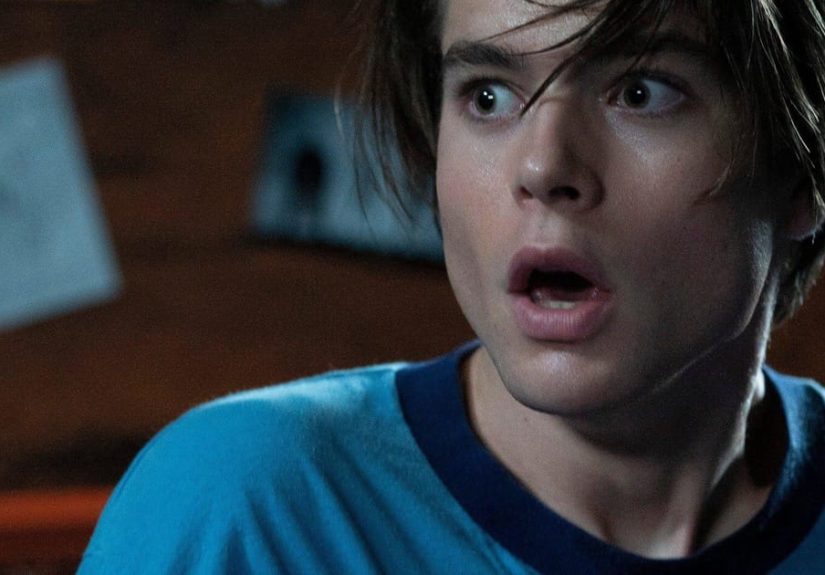
- 2) Cole (Judah Lewis) Final Boy With Actual Personality
- 3) Phoebe The Newcomer Who Actually Matters
- 4) Melanie The Twist That Redefines the Friendship
- 5) Sonya Pure, Unfiltered Mayhem
- 6) Max The Jock Villain With Cartoon Physics
- 7) Allison Mean Girl Energy, Slasher Edition
- 8) John Comic Relief That Understands the Assignment
- 9) Jimmy, Diego, and Boom-Boom Useful Chaos Agents
- Set Piece Rankings: The Moments That Define the Movie
- Bee Moment Rankings: Peak “Killer Queen” Energy
- Hot Takes and Opinions (Because That’s Half the Fun)
- Bonus: Viewer Experiences (500+ Words of Real-World Ways This Movie Lands)
- Conclusion: So… Is It Worth Watching?
Some sequels show up politely, knock on the door, and ask if it’s a good time to continue the story. The Babysitter: Killer Queen shows up at 2 a.m., climbs through the window, and yells, “SURPRISE!” while dragging a confetti cannon behind it. If you’re here for tasteful restraint… this is not that house.
This piece is for people who like their Netflix horror-comedy with extra attitude: the kind that winks at slasher rules, leans into teen-movie chaos, and still tries to land an emotional beat between the mayhem. We’re ranking the characters, the set pieces, and the overall “Killer Queen” energyplus sharing the kinds of viewer experiences this movie practically dares you to have (watch parties included).
Quick Setup: What “Killer Queen” Is Trying to Be
Set two years after the first film, The Babysitter: Killer Queen drops Cole back into a new nightmare: high school. Nobody believes his original “my babysitter led a satanic cult” story, and that disbelief becomes its own kind of horroruntil old enemies return and the sequel hits the gas. The movie streams on Netflix and runs about 1 hour and 41 minutes.
Genre-wise, it’s a black-comedy slasher that plays like a mashup of teen party movie, horror sequel escalation, and cartoonish action choreography. It’s not aiming for “scariest movie of the decade.” It’s aiming for “did that really just happen?”and then doing it again with a louder sound effect.
The Big Debate: Why People Split So Hard on This Sequel
If you’ve ever watched a sequel and thought, “They took the exact same recipe and doubled the sugar,” you already understand the main conversation around Killer Queen. Critical reception leaned more mixed-to-negative than the first film, while plenty of audience reactions land closer to “messy but fun.” On Rotten Tomatoes (as of late December 2025), it sits around the mid-40s with critics and higher with audiences; Metacritic’s critic score is notably low, with a more moderate user score.
Here’s what that actually means in normal-human terms: the movie’s fans tend to love its self-aware silliness, big twists, and “anything can happen” energy. Its critics tend to argue it’s less tight, less clever, and more chaotic than it needs to be. Both can be true. The sequel’s main superpower is also its main weakness: it goes bigger… even when smaller would’ve hit harder.
How These Rankings Work (So You Don’t Throw Popcorn at Me)
We’re ranking by a mix of:
- Scene-stealing factor: Who grabs your attention the moment they enter?
- Story impact: Who actually changes what happens next?
- “Killer Queen” energy: Who rules the vibeconfidence, chaos, charisma, or all three?
- Rewatch value: Who gets funnier or more interesting the second time around?
Important: “lower-ranked” doesn’t mean “bad.” In this franchise, even the lesser characters are still committed to the bitlike they all signed the same contract that said, “No half-measures. Only full send.”
Killer Queen Power Rankings: Characters Who Own the Screen
1) Bee (Samara Weaving) The Franchise’s Cheat Code
Bee remains the gravitational center of this universe. Even when she’s not on-screen, the movie is basically asking, “Okay, but what would Bee do?” Her power isn’t just that she’s charismaticit’s that she can sell three tones at once: scary, funny, and oddly heartfelt. That’s a rare skill in horror-comedy, where a single wrong note can turn “camp” into “cringe.”
In Killer Queen, Bee’s presence also functions like a sequel promise: if the story gets too wild, she’s the character who can make the wildness feel intentional. She’s the sequel’s “I meant to do that” button.
2) Cole (Judah Lewis) Final Boy With Actual Personality
Cole’s evolution is the sequel’s quiet flex. He’s not just surviving; he’s dealing with trauma, disbelief, and the weird loneliness of being the only person who knows the truth. The movie uses high school as a second monstersocial pressure as a creature that bites without teeth.
And yet, Cole doesn’t become a grim, brooding hero. He stays awkward, earnest, and (sometimes painfully) hopeful. That’s what keeps the franchise watchable: the protagonist isn’t trying to out-cool the chaos. He’s just trying to outlive it.
3) Phoebe The Newcomer Who Actually Matters
Phoebe isn’t just “new girl, new screams.” She’s a real story engine: she believes Cole when others don’t, and the film builds emotional stakes around her backstory and choices. In a movie that loves jokes, she helps the serious moments land without turning the whole thing into a lecture.
Also: Phoebe’s energy is different from Bee’s. Bee is polished confidence. Phoebe is sharper edgesguarded, practical, and unexpectedly brave. That contrast keeps the sequel from feeling like it’s only chasing the first film’s vibe.
4) Melanie The Twist That Redefines the Friendship
Melanie is where Killer Queen chooses chaos over comfort. The movie takes a relationship that felt safe and flips itturning “best friend” into “danger.” It’s a classic horror move (trust no one), but it’s also a teen-drama move (betrayal hits harder than monsters).
Is it always subtle? No. But it’s effective. Melanie’s role forces Cole to stop treating survival as a one-night event and start seeing it as an ongoing fight for his reality.
5) Sonya Pure, Unfiltered Mayhem
Sonya is the sequel’s espresso shot: short, intense, and absolutely not recommended right before bed. Her vibe is gleefully unhinged in a way that matches the movie’s heightened reality. She’s a walking reminder that this franchise isn’t trying to be “realistic.” It’s trying to be funin that “laughing because it’s so ridiculous” sense.
6) Max The Jock Villain With Cartoon Physics
Max is basically the movie saying, “What if a classic teen-movie bully became a horror monster?” He’s physical, relentless, and played with the exact level of swagger you’d want in a slasher-comedy sequel. He doesn’t need layers. He needs momentum.
7) Allison Mean Girl Energy, Slasher Edition
Allison’s brand is sharp-tongued and self-satisfied, like she’s reviewing the movie while she’s in it. She’s fun because she’s so unapologetically performative. Even when the story doesn’t give her a ton of room, she makes the most of the space she haslike a character who knows the camera loves her and acts accordingly.
8) John Comic Relief That Understands the Assignment
John works because he’s not trying to be cleverer than the movie. He’s there to keep the pace bouncy, to break tension, and to make the cult feel like a weird friend group you would never invite to your house again. In a sequel that can get crowded, that clarity is valuable.
9) Jimmy, Diego, and Boom-Boom Useful Chaos Agents
These characters function like dominoes: the story tips them, and the night gets worse. They bring party-movie texture (friends, flirting, peer pressure) so the horror beats can crash into something recognizable. They’re less “deep character study” and more “narrative rocket fuel,” and that’s okay for what this movie is.
Set Piece Rankings: The Moments That Define the Movie
1) The Lake Party Shift When the Movie Changes Gears
If you want to understand Killer Queen in one segment, it’s the early stretch where teen-movie vibes collide with “nope, this is a horror sequel.” The movie uses that whiplash on purpose: it wants you to feel how quickly a normal night becomes a nightmarethen it dares you to laugh anyway.
2) The Chase-to-Improvisation Sequences “We’re Not Heroes, We’re Just Panicking”
Some horror movies build tension through silence. This one builds tension through frantic problem-solving: grabbing whatever’s nearby, making bad plans, and surviving by being slightly more stubborn than the people chasing you. It’s chaotic, but it gives the film its personalitylike a slasher where the main strategy is “improv comedy, but with running.”
3) The Cabin Stretch Where the Movie Tries for Heart
The cabin sequences slow the pace just enough to let emotions show up. For some viewers, this is where the sequel gets surprisingly sincere. For others, it’s where the movie briefly forgets it’s supposed to be a sugar-rush. Either way, it’s a bold choice: horror-comedy sequels often avoid vulnerability because it’s riskier than jokes.
4) The Final Confrontation Big, Loud, and Very On-Brand
The ending is peak Killer Queen: heightened, dramatic, and not shy about turning the dial past “reasonable.” The movie wants closure, spectacle, and a little weirdness in the same package. Whether that works for you depends on what you want from this franchise: tidy logic or maximum vibes.
Bee Moment Rankings: Peak “Killer Queen” Energy
- The comeback factor: Bee’s return has “you missed me” swagger without needing to say it out loud.
- The tonal control: When Bee is on-screen, the movie’s chaos feels guided rather than random.
- The emotional pivot: Bee’s arc adds a strange sincerity to a movie that could’ve been pure noise.
- The mythic babysitter vibe: She’s less “person” and more “legend,” like a slasher icon built for the streaming era.
- The franchise identity: Bee is the reason these movies feel like these movies instead of generic horror-comedy.
Hot Takes and Opinions (Because That’s Half the Fun)
Opinion #1: “Bigger” Isn’t Always “Better,” But It Can Be “More Rewatchable”
Killer Queen isn’t as clean as the first film. It’s louder, twistier, and sometimes feels like it’s juggling too many ideas at once. But there’s a trade-off: messy movies can become comfort watches. When you already know the beats, the chaos turns into a ride you can relax intolike a horror-comedy roller coaster where you stop worrying about physics and start appreciating the dumb fun.
Opinion #2: Cole Being Earnest Is the Secret Sauce
In a world full of ironic protagonists, Cole’s sincerity is refreshing. He’s not too cool to be scared. He’s not too cool to care about someone else. That earnestness is why the movie can swing toward emotion without collapsing under its own jokes.
Opinion #3: This Movie Is Basically “Slasher Fanfiction With a Budget” (Compliment)
The sequel energy is strong: callbacks, escalations, bigger set pieces, more characters, more twists. It’s the kind of movie that feels like it was made by people who love genre tropes enough to remix them. If you want elegant storytelling, you might roll your eyes. If you want a horror-comedy that commits to the bit, you might have a great time.
Opinion #4: Bee Is the “Killer Queen,” But the Movie’s Real Theme Is Belief
Under the jokes, the sequel keeps returning to one idea: what happens when nobody believes you? Cole’s struggle isn’t just survivalit’s credibility. The horror isn’t only the cult; it’s the isolation. That’s why it hits when someone finally chooses to trust him. For a movie with this much chaos, that through-line is surprisingly human.
Bonus: Viewer Experiences (500+ Words of Real-World Ways This Movie Lands)
Watching The Babysitter: Killer Queen tends to be less like “quietly enjoying a film” and more like “reacting to a film in real time.” It’s the kind of Netflix horror-comedy that almost invites commentarypause-button laughter, group-text updates, and the occasional, “Wait… did they really just do that?” moment that forces you to rewind because your brain refused to process it the first time.
Watch-party energy is basically built into the DNA. If you’ve ever watched a slasher with friends and turned it into a mini-eventsnacks, dramatic gasps, someone predicting the next twist like they’re calling a sports playthis movie rewards that vibe. The tonal shifts are big enough that people naturally react out loud. Even if you’re watching solo, you might find yourself narrating to the screen like the movie is a chaotic roommate who keeps making questionable choices.
It also plays differently depending on your mood. If you press play expecting a tight, “clean” sequel, you might notice every moment where the film gets extra wild, extra fast, or extra “because the script said so.” But if you watch it like a late-night genre partysomething that’s supposed to be a little ridiculousyou’ll likely enjoy the way it leans into heightened reality. It’s the difference between grading it like homework and treating it like a roller coaster: one mode looks for logic, the other looks for fun.
For a lot of viewers, the biggest experience is the Bee factor. Bee is the character people talk about afterwardthe reason memes happen, the reason you recommend the movie with a very specific pitch (“Okay, hear me out…”). If you’re watching with someone who loved the first film, you can practically feel the anticipation whenever the story circles back toward her presence. And if you’re watching with someone new to the franchise, Bee’s charisma tends to create instant reactions: “Who is she?” followed by “Oh, I get it.”
Then there’s the “final boy” experience. A lot of horror fans are used to final girls as the genre’s emotional anchor. Cole as a final boy changes the flavorless swagger, more anxious determination, more “please let me survive this while also not losing my mind.” That can feel surprisingly relatable, especially if you’ve ever had the experience of being the only person in a room who remembers something clearly while everyone else treats you like you dreamed it. Even though the plot is heightened, that emotional experiencebeing dismissedlands in a very real way.
Finally, this movie is a prime “rewatch with lowered expectations” candidate. The first watch is often about surprise: twists, reveals, escalations. The second watch becomes about texture: the absurd humor, the genre references, the way the movie commits to its over-the-top style. Many people find they enjoy it more the second time, once they stop asking it to be the first film and let it be its own weird, loud sequel self.
In other words: your experience with Killer Queen is often less about whether it’s “objectively perfect” and more about whether you’re willing to meet it where it liveshalf teen movie, half slasher parody, fully committed to chaos.
Conclusion: So… Is It Worth Watching?
If you want a polished, tightly written horror sequel, The Babysitter: Killer Queen may feel overstuffed. If you want a fast, goofy, self-aware Netflix horror-comedy that treats slasher logic like a suggestion, it can be a blastespecially if you watch it as a “vibes first” genre ride. The best way to enjoy it is to pick your lane: either critique it like a traditional sequel, or embrace it like a midnight movie that wandered onto your couch.
Either way, the franchise’s secret weapon remains the same: a cast that commits, a tone that refuses to be shy, and “Killer Queen” confidence that’s impossible to ignore.




 Close
Close