
Table of Contents >> Show >> Hide
- What Rule Am I Talking About?
- Why Culinary Schools Love This Rule So Much
- Why I Never Follow It Exactly at Home
- The Better Rule: Prep Intelligently, Not Religiously
- When the Rule Absolutely Deserves Respect
- What Home Cooks Get Wrong About “Cooking Like a Chef”
- My Real Kitchen Version of the Rule
- Conclusion: The Rule I Break Is the Rule I Still Respect
- Extra Reflections: My Experience With the Rule I Never Follow
If you spend enough time around chefs, culinary students, or anyone who owns more than three tiny prep bowls and a suspicious amount of confidence, you’ll hear one phrase again and again: mise en place. It sounds elegant, authoritative, and just French enough to make the rest of us stand up straighter. In culinary school, it’s treated less like a suggestion and more like a commandment carved into stainless steel. Everything in its place. Everything prepped ahead. Everything measured before the pan even thinks about getting hot.
And here’s my confession: I almost never follow it exactly.
That probably sounds like I’m one dropped onion away from kitchen disaster. But stay with me. I’m not arguing that prep doesn’t matter. It absolutely does. Good cooks read recipes, organize tools, think ahead, and avoid turning dinner into a live-action panic attack. I’m arguing something far more useful for real people cooking real food on real weeknights: the strict, bowl-for-every-ingredient version of culinary school prep is not always the smartest way to cook at home.
In fact, sometimes it’s overkill. Sometimes it creates more dishes, more counter clutter, and more of that “why do I need six ramekins just to sauté spinach?” energy. The truth is that professional kitchen rules are built for speed, consistency, and controlled chaos. Home kitchens are built for survival, improvisation, and occasionally cooking while replying to a text and wondering whether the garlic is already in the pan or still on the cutting board.
So yes, there is one culinary school rule I never follow to the letter. But that doesn’t mean I ignore its wisdom. It means I translate it. I steal the parts that make me a better cook, ditch the parts that make me a more exhausted dishwasher, and build a method that actually works in a home kitchen.
What Rule Am I Talking About?
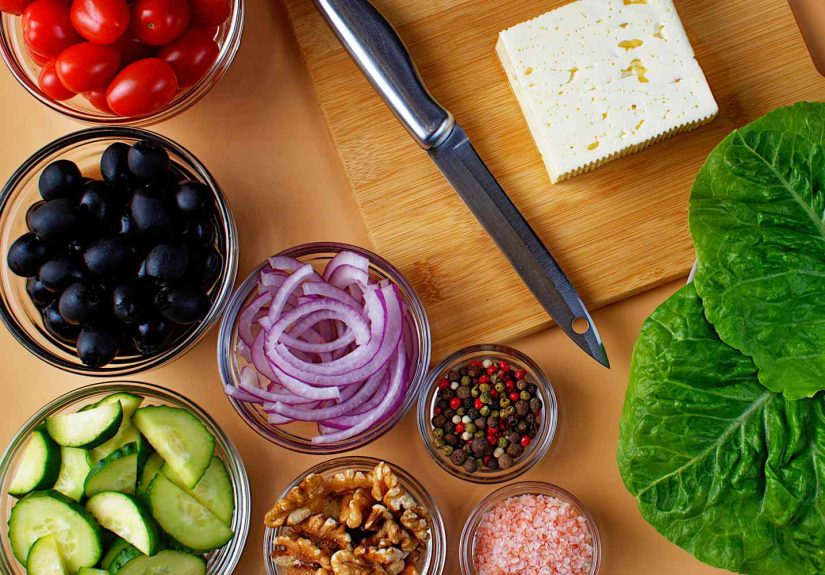
The rule is mise en place, the classic kitchen discipline of preparing everything before cooking starts. In its purest form, that means reading the recipe, gathering all ingredients, chopping vegetables, measuring spices, portioning liquids, setting out tools, and arranging everything neatly before the first burner clicks on.
In culinary school, this rule makes perfect sense. A professional kitchen runs on timing, rhythm, repetition, and sharp edgesboth literal and emotional. If you’re on a line, you do not want to discover halfway through searing fish that the capers are still in the fridge, the shallots are uncut, and the butter has mysteriously vanished into some dairy-based witness protection program. Mise en place prevents delays, reduces mistakes, and keeps service moving.
It also makes certain dishes dramatically easier. Stir-fries move fast. Frying demands focus. Baking laughs in the face of “I’ll measure that later.” Grilling, broiling, and other high-heat methods are similarly unforgiving. In those moments, the rule is not fussy. It’s practical.
So no, this isn’t an anti-prep rant. This is a pro-reality rant.
Why Culinary Schools Love This Rule So Much
There’s a reason culinary instructors hammer this idea into students early. Mise en place isn’t just about neatness. It’s about efficiency, consistency, safety, and mental calm. That last one matters more than people admit. A cluttered station produces cluttered thinking. When ingredients are organized and tools are within reach, you stop making frantic, low-IQ decisions like using a cereal spoon to stir a cream sauce because the whisk is “technically somewhere nearby.”
It Creates Speed Without Panic
Professional cooking is choreography. Prep is what turns a recipe from a scavenger hunt into a performance. When every ingredient is ready, a cook can focus on heat, timing, seasoning, and texture instead of hunting for soy sauce like it just escaped custody.
It Helps Prevent Mistakes
Measuring and organizing in advance reduces the odds of forgetting salt, doubling paprika, or realizing too late that you only had one lemon when the recipe clearly required three. A calm setup protects your brain from its own overconfidence, which is useful because the human brain loves saying, “I’ll remember that,” right before remembering absolutely nothing.
It Supports Food Safety
Prep also has a less glamorous side: it helps with kitchen safety. A thoughtful workflow can keep raw meat away from produce, reduce cross-contamination, and encourage cleaning as you go. That matters whether you’re feeding restaurant guests or your own family. Nobody wants a memorable dinner for the wrong reason.
Why I Never Follow It Exactly at Home
Here is where I break with culinary school orthodoxy: my kitchen is not a restaurant, and my dinner does not require the choreography of a 90-seat service. I’m cooking for actual life, not for a chef instructor silently judging my shallot geometry.
At home, strict mise en place can become a theatrical production. Suddenly every tablespoon of vinegar gets its own tiny bowl, every chopped herb gets a dedicated dish, and before the meal even begins, the sink looks like a pottery class had a nervous breakdown.
That level of prep is sometimes helpful, but often unnecessary. Many home recipes unfold in stages. You can boil pasta while grating cheese. You can roast vegetables while mixing a dressing. You can sauté onions and chop the next ingredient during the time they soften, assuming you already understand the rhythm of the dish. Home cooking often has natural pauses, and smart cooks can use them.
So the version of mise en place I never follow is the rigid, photo-ready one. The one with ten cute bowls lined up like they’re auditioning for a cookware catalog. It looks beautiful. It is occasionally useful. It is not always the best use of time, space, or dish soap.
The Better Rule: Prep Intelligently, Not Religiously
What do I do instead? I use what I call selective mise en place. It’s all the wisdom, with fewer tiny bowls and less emotional damage.
1. I Read the Recipe All the Way Through
This is non-negotiable. The biggest kitchen mistakes rarely happen because people can’t cook. They happen because people assume. They assume the oven temperature. They assume the ingredient list is short. They assume “marinate for 30 minutes” was just a fun little suggestion tucked into step four. Reading everything first is the grown-up move.
2. I Prep the Time-Sensitive Ingredients First
If a dish cooks quickly, I prep aggressively. Garlic, ginger, sauces, proteins, garnishes, and anything that has to go in fast gets handled before heat enters the chat. This is especially true for stir-fries, pan sauces, fried foods, broiled fish, and most egg dishes. Eggs, in particular, reward confidence and punish hesitation.
3. I Don’t Measure What I Don’t Need to Measure Yet
If I’m making soup and the carrots won’t matter for ten minutes, I may chop them while the onions sweat. If I’m building a stew, I don’t need a ceremonial lineup of every ingredient before I begin. I just need to understand the sequence.
4. I Group Ingredients Instead of Isolating Them
Instead of one container per ingredient, I combine ingredients that go in together. Spices for the same stage? One bowl. Sauce ingredients? One measuring cup. Garnishes? One plate. This keeps the counter clear without turning dinner into a dishwashing side quest.
5. I Clean as I Go
If there is one culinary school habit worth stealing in full, it’s this one. A quick wipe, a rinse, a trash bowl, and a little order go a long way. A cleaner kitchen makes you calmer, faster, and less likely to plate dinner next to a mysterious onion peel that somehow survived all previous inspections.
When the Rule Absolutely Deserves Respect
Even I know there are times when strict prep is the hero of the story.
Fast-Cooking Recipes
Stir-fries, scrambled eggs, seared shrimp, and many skillet dishes move too quickly for casual chopping midstream. If you pause at the wrong moment, food burns, sauces break, and dinner develops a smoky personality nobody asked for.
Baking
Baking is chemistry wearing an apron. It is less forgiving than savory cooking and much less interested in your improvisational spirit. Measure first. Preheat first. Assemble first. The cake does not care about your creative energy.
Frying
Any recipe involving hot oil deserves your full attention. You want the breading station ready, the draining rack ready, the tongs ready, and the panic level low. This is not the moment to go searching for salt.
Grilling and Broiling
High heat has a rude personality. Once things start cooking, they move fast. Get the platter, tools, sauces, and resting space ready before the food hits the heat.
Cooking Raw Proteins Alongside Produce
Whenever raw meat, poultry, seafood, eggs, or ready-to-eat ingredients share a workspace, organization matters. Separate boards, clean surfaces, and an intentional order of operations are not optional. This is where prep stops being style and starts being common sense.
What Home Cooks Get Wrong About “Cooking Like a Chef”
Home cooks often assume that professional-looking behavior equals better food. But the real lesson from culinary school isn’t “own more prep bowls.” It’s “reduce friction.” Chefs aren’t organizing ingredients because it looks pretty on social media. They’re doing it because it eliminates hesitation and supports consistent execution.
That means the spirit of the rule matters more than the aesthetic of the rule.
If measuring every spice into separate bowls helps you cook better, do it. If it makes you tired before dinner even starts, don’t do it. If chopping everything in advance keeps you focused, great. If a slower recipe gives you room to prep as you go without losing control, that can work too.
The goal is not to imitate restaurant theater. The goal is to cook well, safely, and without creating the kind of mess that makes you order takeout tomorrow out of spite.
My Real Kitchen Version of the Rule
So here is the culinary school rule I never follow: I never prepare absolutely every single ingredient in a perfectly arranged lineup before I start cooking. I don’t do the full miniature-bowl pageant unless the recipe truly needs it. I refuse to believe that chopping parsley 18 minutes early makes me morally superior.
What I do believe is this: cooking gets better when you think ahead.
I believe in reading first, prepping the risky parts first, separating raw and ready-to-eat foods, clearing the counter, keeping a trash bowl nearby, and understanding the rhythm of a recipe before I jump in. I believe in enough structure to keep dinner moving and enough flexibility to keep it human.
That, to me, is the version of culinary school wisdom worth keeping. Not blind obedience. Not performative neatness. Not a countertop lined with tiny glass bowls like a museum exhibit called Spices in Captivity. Just smart preparation that serves the food instead of dominating it.
Conclusion: The Rule I Break Is the Rule I Still Respect
The older I get, the less interested I am in cooking rules that sound impressive but don’t survive contact with ordinary life. Mise en place is a brilliant system. It teaches discipline, awareness, timing, and respect for the process. But in a home kitchen, the strictest version of it is not always necessary.
So yes, the culinary school rule I never follow is also one of the rules I value most. I just use it with judgment. I adapt it. I let it breathe. I keep the principle and lose the rigidity.
Because the best home cooks are not the ones who mimic restaurant kitchens perfectly. They’re the ones who understand why the rules exist, then apply them in ways that make dinner more delicious, less stressful, and a lot easier to clean up afterward.
And if that means I chop the parsley while the onions cook? So be it. The food still tastes good. The kitchen still functions. And the tiny prep bowls can rest, just as nature intended.
Extra Reflections: My Experience With the Rule I Never Follow
The funny thing about culinary rules is that they usually arrive wearing a tuxedo. They sound formal, polished, and deeply committed to the idea that there is one proper way to do things. Then actual life shows up in sweatpants. That has been my experience with mise en place from the beginning. The first time I tried to follow it with total seriousness, I felt incredibly professional for about seven minutes. I had little bowls. I had measured spices. I had chopped onions, sliced peppers, minced garlic, and lined everything up like I was about to host a cooking competition nobody asked for. And yes, dinner turned out great. But when I looked at the sink afterward, it seemed like I had cooked one chicken dish and somehow generated enough dishes to cater a wedding.
That was the moment I realized the rule needed translation. Not rejectiontranslation. Because the discipline behind it really does help me. When I skip the planning entirely, I become the worst version of myself in the kitchen. I start improvising at bad times. I misread the recipe. I discover halfway through that the cilantro is still wet, the can opener is missing, and the butter I swore I bought is either gone or living under an incorrect label in the fridge. That version of cooking is exciting in the way flat-pack furniture is exciting: lots of confidence at the start, regret in the middle, and one strange loose piece at the end.
Over time, I developed a quieter, more realistic routine. I take out what I need. I prep the ingredients that matter most. I group things by cooking stage. I keep one side of the board clean. I wash the knife if I switch from produce to protein. I set out a plate for scraps because chasing onion skins across the counter is not the kind of cardio I enjoy. This system is less glamorous than textbook mise en place, but it suits the way people actually cook at home.
I’ve noticed something else too: when I stop trying to perform like a chef, I actually cook better. I taste more. I pay attention more. I adjust heat sooner. I notice texture. I become less obsessed with doing things “the right way” and more focused on doing them well. That shift matters. A home kitchen should have standards, but it should also have some mercy. Not every meal needs to look like a lesson. Some meals just need to get on the table before everyone starts asking what time dinner is in the tone normally reserved for hostage negotiations.
So if I sound rebellious when I say this is the culinary school rule I never follow, I’m only half kidding. I respect it. I borrow from it constantly. I recommend its logic to anyone who wants to become a calmer, smarter cook. I just don’t worship the strict version anymore. My version is messier, more flexible, and a lot more forgiving. It makes room for weeknights, small kitchens, surprise interruptions, and the simple truth that cooking at home is not a final exam. It’s dinner. And if dinner is delicious, safe, and doesn’t leave me washing nineteen tiny bowls at 9:40 p.m., I’m calling that a win.





 Close
Close