
Table of Contents >> Show >> Hide
High heelsthose stylish, height-boosting footwear stapleshave long been a symbol of fashion, femininity, and elegance. However, contrary to popular belief, they were not originally designed exclusively for women. Both men and women have worn high heels throughout history, and their role in society has evolved dramatically over the centuries. In this article, we’ll take a fascinating journey through time, exploring the history of high heels, their origins, and how they became the fashion statement they are today.
The Origins of High Heels: The Men Who Wore Them First
The story of high heels dates back to ancient Persia, where they were initially worn by men. Persian cavalry soldiers used heels to secure their feet in stirrups while riding horses. The elevated heel allowed them to maintain better stability and control while on horseback. These heels were not designed for style or stature, but for practical purposes related to warfare.
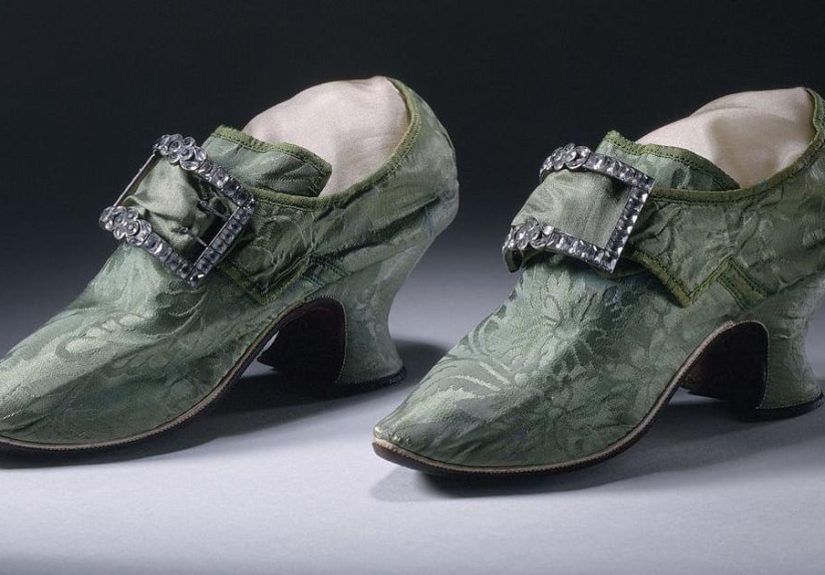
As time went on, the popularity of heels spread across Europe, especially during the 16th century. European aristocrats, both men and women, adopted heels as a symbol of social status. King Louis XIV of France, known for his extravagant fashion choices, is perhaps the most famous figure to sport high heels. His shoes were often red-heeled, which was a mark of his royal status. Louis XIV even passed a law requiring that only nobility could wear heels, reinforcing the idea that high heels were a luxury item reserved for the elite.
High Heels as a Symbol of Masculinity
In the 17th century, high heels were closely associated with masculinity. During this period, men in France and other parts of Europe wore shoes with heels to signal their power and dominance. The higher the heel, the more impressive the wearer appeared. The elaborate fashion choices of men at the time included silk stockings, embroidered coats, and powdered wigs, creating a bold and opulent look that became the norm among the upper classes.
In fact, men’s fashion in the 1600s and 1700s was not only about function but about visual authority. Men wore heels to appear taller and more commanding, as height was often associated with power. Over time, however, the high heel became feminized, and it was eventually relegated to women’s fashion, especially in the 19th and 20th centuries.
The Shift to Women’s Fashion
The shift of high heels from men’s wear to women’s fashion began in the late 17th century and became more pronounced during the 18th and 19th centuries. As the aristocracy and European courts became more focused on women’s fashion, high heels were increasingly associated with femininity, grace, and elegance. Women began to wear heels to enhance their posture, lengthen their legs, and appear more graceful. This period also saw the introduction of the stiletto heela thin, high heel that became synonymous with female sexuality and allure.
By the 20th century, high heels had fully transitioned to women’s wardrobes. In the 1920s, fashion icons like Coco Chanel and Marlene Dietrich started to embrace more masculine styles, including tailored suits and pants. However, the heel continued to be an essential part of women’s fashion, with famous designers like Christian Dior and Salvatore Ferragamo creating iconic shoe styles that cemented high heels as a fundamental element of the modern woman’s wardrobe.
High Heels in the 20th Century: Fashion and Function
In the 20th century, high heels became increasingly popular in mainstream fashion. The 1950s and 1960s saw a surge in the popularity of the stiletto heel, made famous by designers such as Christian Louboutin and Manolo Blahnik. These shoes were not only functional, adding height and making women appear taller, but they were also seen as symbols of status, sexuality, and femininity.
Throughout the 1980s and 1990s, high heels were often worn as a part of formal attire for women, especially in professional settings. Heels became a symbol of empowerment, with women in the workplace embracing them as a way to boost their confidence and assert their authority. Famous figures like Princess Diana and models like Naomi Campbell wore high heels with confidence, solidifying the footwear’s place in both fashion and pop culture.
The 21st Century: Heels for Everyone
In recent decades, high heels have remained a staple in women’s fashion, but men’s footwear has also evolved to incorporate elements of high heels. Designers like Jean-Paul Gaultier and Thom Browne have pushed the boundaries of gender in fashion, experimenting with high-heeled shoes for men. Celebrities like Billy Porter and Harry Styles have embraced wearing high heels on the red carpet, helping to challenge traditional gender norms and blur the lines between masculinity and femininity.
In addition, the growing awareness of the discomfort and health risks associated with wearing high heels has led to the development of more comfortable, ergonomic designs. Brands are now offering heels that combine style with practicality, incorporating padding, arch support, and lower heel heights to provide a more comfortable experience for wearers.
High Heels Today: A Modern Fashion Staple
Today, high heels are worn by people of all genders and have come to symbolize much more than just fashion. They represent power, confidence, and self-expression. Whether it’s a man wearing heels as part of a runway show or a woman slipping into stilettos for a night out, high heels are no longer limited by gender or traditional roles. They have become a statement of individuality and self-assurance.
Conclusion: The Evolution of High Heels
The history of high heels is a testament to the evolving nature of fashion and gender roles. From their practical use by Persian soldiers to their role as symbols of power and femininity in European courts, high heels have undergone a dramatic transformation. Today, they are worn by both men and women as a way to express personal style, challenge norms, and enhance one’s presence. The high heel has transcended its origins to become a universal fashion statementone that continues to evolve with time.
So, the next time you slip on a pair of heels, remember that you are not just wearing a piece of footwear but a symbol of centuries of history and cultural change.
Additional Insights: Personal Experiences with High Heels
When reflecting on the evolution of high heels, it’s interesting to consider how personal experiences shape our perceptions of them. For some, wearing high heels is a rite of passagean opportunity to feel more confident, stylish, and empowered. For others, it’s a struggle with discomfort and pain, which often leads to the growing trend of flats and other comfortable alternatives. Yet, the history of high heels shows that they have always had a purpose beyond fashion. For centuries, they served as symbols of power, social status, and even military advantage.
As someone who has worn high heels on various occasions, I’ve experienced both the ups and downs that come with them. From towering stilettos at formal events to more comfortable block heels for a day at work, I’ve found that the key to enjoying high heels lies in finding the right fit. When paired with the right outfit, high heels can make you feel like you’re walking on air, but when they’re too tight or poorly designed, they can quickly turn into a painful experience.
One memorable experience was attending a fashion event where I wore a pair of classic black pumps. Despite being beautiful and elegant, I had to sit down every few minutes to relieve the pressure on my feet. This experience reminded me of the importance of not only choosing heels that match your style but also considering comfortespecially if you’re going to be wearing them for an extended period. This balance between style and comfort has influenced modern high-heel design, with more focus now on ergonomic support without sacrificing aesthetics.







 Close
Close