
Table of Contents >> Show >> Hide
- What Is Non-Medical Switching in Diabetes?
- Why Diabetes Care Is Uniquely Vulnerable to Disruption
- How Non-Medical Switching Affects Blood Sugar Control
- The Adherence Problem: When “Preferred” Does Not Mean “Practical”
- The Administrative Burden on Patients and Clinicians
- The Financial Paradox: Savings for the System, Costs for the Patient
- Policy Changes That Help, But Do Not Solve Everything
- Who Is Hit the Hardest?
- When Switching Can Be Done Well
- What Patients and Clinicians Can Do
- Experiences Related to the Topic: What Non-Medical Switching Feels Like in Real Life
- Conclusion
Diabetes management is already a full-time job wearing part-time clothes. Patients count carbs, track blood sugar, remember refills, juggle appointments, and try to live normal lives while doing pancreas math before lunch. Then comes a curveball from the insurance side: the medication that was working just fine is suddenly no longer preferred, no longer covered the same way, or hidden behind step therapy and prior authorization. Welcome to the world of non-medical switching.
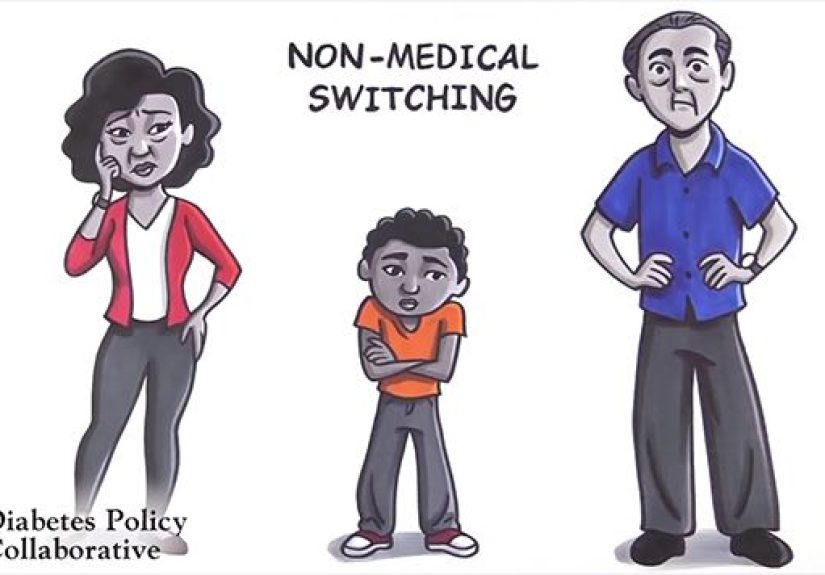
In plain English, non-medical switching happens when a patient is moved from one medication to another for coverage, formulary, or cost reasons rather than because the original treatment stopped working or caused side effects. In diabetes care, that can mean switching from one insulin to another, from one DPP-4 inhibitor to another, or from a familiar drug and device setup to a new and less convenient one. On paper, it can look tidy. In real life, it can feel like someone changed the controls while the plane was already in the air.
The impact of non-medical switching in diabetes is not always dramatic in the same way for every patient. Some transitions are smooth. Some may even lower costs without obvious short-term harm when they are carefully planned, clinically supervised, and clearly explained. But forced or poorly supported switching can disrupt glucose control, create confusion, add emotional stress, increase administrative burden, and raise the risk that a patient delays, skips, or abandons treatment altogether. That is why this topic matters so much to patients, clinicians, caregivers, employers, and health plans alike.
What Is Non-Medical Switching in Diabetes?
Non-medical switching refers to changing a stable diabetes treatment regimen for reasons unrelated to clinical need. The most common drivers are insurer formulary changes, pharmacy benefit manager preferences, rebate arrangements, cost-sharing rules, prior authorization requirements, or step therapy policies. The patient may be told that the “preferred” product has changed, even though their previous drug was working and their clinician had no intention of changing it.
That distinction matters. A clinically driven switch is normal medicine. If a patient develops side effects, starts having frequent lows, becomes pregnant, struggles with kidney disease, or needs stronger glucose control, a clinician may change the regimen because the body is asking for something different. Non-medical switching is different because the body did not ask. The spreadsheet did.
In diabetes, switching is especially sensitive because many therapies are not simple plug-and-play substitutes. One person may respond well to a certain basal insulin timing pattern, injection device, titration schedule, or mealtime insulin behavior. Another may rely on a specific combination of insulin, oral medication, CGM data, meal timing, exercise habits, and daily routines. Change one part, and the whole system may wobble.
Why Diabetes Care Is Uniquely Vulnerable to Disruption
Diabetes treatment is highly individualized. The right therapy depends on the type of diabetes, the person’s age, daily schedule, risk of hypoglycemia, kidney function, cardiovascular risk, pregnancy status, technology use, comfort with injections, and ability to afford and access medication consistently. That is not overcomplication; that is just Tuesday in endocrinology.
Insulin illustrates the point best. Basal insulins are designed to control blood sugar between meals and overnight, but they differ in duration, concentration, dosing flexibility, and device format. Rapid-acting insulins are used around meals and can vary in onset and timing. A change that looks small on a formulary chart can mean new instructions, new education, different correction rules, different refill logistics, and a new learning curve for the patient.
Even outside insulin, diabetes drugs are often chosen for reasons beyond lowering A1C alone. A clinician may favor one therapy because it supports weight management, another because it is kidney-friendly, and another because it has a better fit for older adults or people who live alone and need to reduce the risk of dangerous lows. When coverage rules override that nuance, the burden lands on the patient first.
How Non-Medical Switching Affects Blood Sugar Control
1. It can destabilize a routine that took months to build
Anyone who has ever fine-tuned diabetes treatment knows the process is rarely instant. Patients and clinicians often spend weeks adjusting doses, meal timing, correction factors, and monitoring habits before a regimen feels predictable. A non-medical switch can undo that stability. Even when two products are clinically similar, the patient still has to relearn dosing behavior, timing expectations, and day-to-day patterns.
That matters because better glucose control is not just a vanity metric for lab results. Higher A1C levels are linked to diabetes complications, and both high and low blood sugar can cause real harm. In people who use insulin, severe hypoglycemia can lead to seizures, loss of consciousness, coma, or worse. In type 1 diabetes, not having enough insulin can raise the risk of diabetic ketoacidosis, a medical emergency that nobody wants added to the weekly calendar.
2. It can increase fear of hypoglycemia
When patients are forced onto an unfamiliar product, one of the first casualties is confidence. If they are unsure how the new insulin behaves overnight or after meals, they may run their blood sugar higher “just to be safe.” That is understandable. It is also counterproductive. Fear of low blood sugar can lead people to underdose, snack defensively, reduce activity, or avoid intensifying treatment when they need it most.
3. It can create treatment gaps
Coverage changes often sound administrative until you reach the pharmacy counter and discover your prescription now requires a prior authorization, a new prescription, or an appeal. Those delays can leave people rationing doses, stretching supplies, or going without medication for days. In diabetes, treatment gaps are not minor inconveniences. They can quickly become dangerous.
The Adherence Problem: When “Preferred” Does Not Mean “Practical”
One of the biggest concerns with non-medical switching in diabetes is the effect on medication adherence. Patients are more likely to stay consistent when treatment is familiar, affordable, and easy to obtain. Add confusion, extra paperwork, higher out-of-pocket costs, or forced step therapy, and adherence gets shaky fast.
That is not just a personal failing or a motivation issue. It is a systems issue. Research on cost-related nonadherence has shown that when people with chronic disease skip or delay medication because of financial barriers, the consequences can extend beyond worse control to higher mortality. For diabetes specifically, underuse of insulin due to cost remains a serious concern in the United States. If a non-medical switch increases cost, complexity, or pharmacy friction, it can trigger the exact behavior every care team is trying to avoid.
Some patients stop taking the non-preferred drug because it is no longer covered. Others stop the forced replacement because it does not seem to work as well for them, feels unfamiliar, or costs more than expected. Still others get lost in the famous maze of prior authorization, where no one technically says “no” right away, but everyone definitely says “later.” For a chronic disease that depends on consistency, “later” can be a very expensive word.
The Administrative Burden on Patients and Clinicians
Non-medical switching does not only change medications. It creates work. Patients may need new prescriptions, device teaching, extra glucose checks, formulary exception requests, appeals, and follow-up visits. Clinicians and pharmacists must review alternatives, rewrite orders, answer pharmacy calls, document medical necessity, and troubleshoot new coverage restrictions. That time is real, even if it never appears on the explanation of benefits.
Professional diabetes organizations have warned that these insurance-driven changes can intensify diabetes-related distress and create gaps in care for patients who are trying to stay adherent. Endocrinologists have also noted that the most serious consequence of switching can be loss of control leading to dangerous outcomes and hospitalization. In a condition where care is already data-heavy and detail-heavy, extra administrative friction acts like sand in the gears.
The irony is hard to miss. A policy designed to streamline drug spending can end up adding clinician labor, more phone calls, more refill confusion, and more patient anxiety. Health care systems are very good at measuring the price of a pen injector. They are less good at measuring the cost of five frantic portal messages, two pharmacy callbacks, and one patient deciding it is all too much.
The Financial Paradox: Savings for the System, Costs for the Patient
To be fair, the story is not all one-sided. Some non-medical switching programs do lower spending. Certain structured switches, especially when there is close pharmacist support and strong therapeutic similarity, have shown cost savings without clear short-term deterioration in health outcomes. That is why payers continue to use these strategies.
But those savings are not guaranteed to show up where patients need them most. Lower net costs for a plan do not automatically translate into a smoother refill process, lower stress, or better continuity of care. A patient may still face higher copays, a new deductible problem, device incompatibility, or the need to relearn dose timing. In other words, the spreadsheet may be happier while the patient is busier, poorer, and more confused.
There is also an important difference between switching to expand access and switching to exploit formulary leverage. Biosimilar insulins may create real opportunities for more affordable care, and the FDA continues to approve additional biosimilar insulin products. That is potentially good news. But a biosimilar-driven switch is most likely to succeed when the patient is informed, the clinician is involved, state substitution rules are clear, and the transition includes monitoring and support.
Policy Changes That Help, But Do Not Solve Everything
Recent policy changes have reduced some of the financial pressure around insulin, particularly in Medicare. Covered insulin products in Medicare Part D are capped at $35 for a month’s supply, and similar caps apply under certain Part B pump-related situations. That is a meaningful improvement and a welcome one.
Still, there are limits. The cap applies to covered insulin products, which means formulary placement still matters. Plans can also change formularies during the year for certain approved reasons, and notice requirements do not erase the disruption patients may feel. Meanwhile, the cap does not apply to every diabetes drug, device, or supply. A patient may pay less for insulin itself while still facing barriers with patch pumps, non-insulin injectables, or the broader treatment plan.
So yes, the policy needle is moving in a better direction. No, the sewing is not finished.
Who Is Hit the Hardest?
Non-medical switching does not affect every patient equally. The burden is often heaviest for people with type 1 diabetes, older adults, patients with multiple chronic conditions, individuals with limited health literacy, people with unstable insurance coverage, and those already struggling with costs. It can also hit families hard when parents must suddenly learn a new pediatric insulin routine or caregivers need to update school, home, and emergency instructions all at once.
People who use complex regimens are especially vulnerable. Someone taking basal insulin, mealtime insulin, a CGM, and several other medications may already be managing a full-blown command center before breakfast. Add one forced switch, and the risk of confusion rises. Add two or three, and the treatment plan starts to look less like precision medicine and more like a scavenger hunt.
When Switching Can Be Done Well
Not every medication change is a bad idea, and not every coverage-driven switch ends badly. Some transitions work well when they include clinician oversight, patient education, transparent communication, reasonable timing, and access to follow-up. A carefully managed switch to a biosimilar insulin or a therapeutically comparable diabetes drug may succeed without meaningful harm and may reduce costs for patients or plans.
The key difference is that good switching respects continuity of care. It gives the patient time to prepare. It provides clear dosing instructions. It includes pharmacist or diabetes educator support. It ensures the replacement is truly appropriate for that person. And it allows exceptions when the preferred option is not clinically right.
In other words, the best switching strategy is not “same diagnosis, same drug, close enough.” The best strategy is individualized care with affordability built in from the start.
What Patients and Clinicians Can Do
For patients
Patients should review formularies during open enrollment, ask whether their exact diabetes medications and supplies are covered, and contact their care team immediately if a pharmacy says a drug is no longer preferred. They should also ask whether a formulary exception, appeal, or patient assistance option is available. Most important, they should not quietly ration medication while hoping the paperwork sorts itself out.
For clinicians
Clinicians can help by prescribing with coverage realities in mind, documenting medical necessity clearly, and preparing patients for likely access issues before they become emergencies. Team-based care with pharmacists, diabetes educators, and nurse support can make a major difference during transitions. The goal is not only to write the right prescription, but to make sure the patient can actually get and use it safely.
For payers and policymakers
Payers and policymakers should focus less on short-term product substitution and more on continuity, transparency, and outcomes. Stable patients should have a practical pathway to remain on effective therapy. Exception processes should be simple, fast, and genuinely available. If a switch is required, monitoring and education should be part of the policy, not an optional bonus feature hidden somewhere after page fourteen.
Experiences Related to the Topic: What Non-Medical Switching Feels Like in Real Life
To understand the impact of non-medical switching in diabetes, it helps to move beyond policy language and imagine what the experience feels like on the ground. Consider a person with type 1 diabetes who has finally achieved stable mornings after months of adjusting basal insulin timing. Their numbers are not perfect, but they are predictable. Then a new insurance year starts, and the pharmacy says the insulin is no longer preferred. Suddenly that patient has to contact the clinic, wait for a replacement prescription, study a different pen device, monitor more often, and wonder whether the new insulin will behave the same overnight. What looks like a small change in coverage feels like starting over.
Or think about an older adult with type 2 diabetes who takes several medications, lives on a fixed income, and depends on routine. Their refill process is part of the monthly rhythm: same pharmacy, same shelf, same instructions. A non-medical switch interrupts that pattern. The pill bottle looks different, the label instructions change, the copay is not what they expected, and the pharmacist says they may need prior authorization for the original product. Even if the replacement drug is clinically reasonable, the confusion alone can reduce confidence and adherence.
Family caregivers feel the disruption too. A parent caring for a child with diabetes may have already trained grandparents, teachers, coaches, and babysitters on a very specific insulin routine. Then a formulary change arrives. Now everyone needs retraining. Timing rules may shift. Packaging changes. Backup supplies need to be updated. The parent’s stress level spikes not because the child suddenly became sicker, but because the support system now has to relearn something that was finally working.
For clinicians, these experiences often show up as fragmented messages. A patient portal note says, “The pharmacy won’t fill it.” A nurse gets a fax requesting step therapy. A pharmacist asks whether the new product is okay to substitute. A follow-up visit that should have focused on long-term goals turns into a forty-minute conversation about insurance rules. Everyone is doing work, but not the kind that improves health in a meaningful way.
Some patients handle the transition well. With good education and close follow-up, they adapt, glucose control remains steady, and costs may even improve. That possibility is real and should not be dismissed. But many patients describe the experience as frustrating, exhausting, and oddly demoralizing. They did the hard part by taking their medication, checking their numbers, and following the plan. Non-medical switching can make them feel as if stability is temporary and control is conditional.
That emotional effect matters. Diabetes already asks a lot from people every single day. When coverage changes force them to fight for the treatment that was keeping them well, the message can feel backwards: do everything right, and you may still have to prove you deserve to stay on it. That is why conversations about non-medical switching should never be limited to drug acquisition cost alone. The real impact includes time, trust, fear, fatigue, and the lived experience of managing a chronic disease in a system that does not always reward consistency.
Conclusion
The impact of non-medical switching in diabetes reaches far beyond the pharmacy counter. It touches blood sugar control, hypoglycemia risk, treatment adherence, patient confidence, caregiver workload, and clinician time. In some carefully managed situations, a switch can reduce costs without obvious short-term harm. But when the change is abrupt, poorly explained, or driven by rigid coverage rules, the consequences can ripple across the entire care plan.
Diabetes care works best when it is individualized, stable, and practical enough for real life. That means affordability matters. Access matters. Continuity matters. And any medication switch should be guided by the needs of the person living with diabetes, not just the preferences of a formulary committee. Because when it comes to chronic disease, the cheapest change on paper is not always the least expensive choice in the real world.







 Close
Close