
Table of Contents >> Show >> Hide
- Why Vertical Gardens Make Tiny Spaces Feel Bigger (and Smarter)
- Small-Space Reality Check: 6 Things to Plan Before You Build
- The Most Ingenious Vertical Garden Ideas For Small Spaces
- 1) The Classic Trellis-in-a-Pot (a.k.a. “Instant Height”)
- 2) Pocket Planter Wall (Felt or Fabric Panels)
- 3) Shoe Organizer Herb Garden (Budget Legend)
- 4) Gutter Garden (Sleek, Narrow, Surprisingly Productive)
- 5) Pallet Vertical Garden (Rustic + Space-Smart)
- 6) Ladder Planter (Lean, Layered, and Renter-Friendly)
- 7) Rail Planters for Balconies (The “No Floor Space” Move)
- 8) Wall-Mounted Pots on a Grid (Modern + Customizable)
- 9) Hanging Baskets in Vertical “Columns”
- 10) Strawberry Tower or Stacking Planter
- 11) DIY “Living Privacy Screen” Planter
- 12) Triangular Trellis (Grow on Three Sides)
- 13) Pegboard Plant Wall (Micro-Adjustable and Fun)
- 14) Hydroponic Vertical Tower (Maximum Yield, Minimum Dirt)
- 15) Fence-Mounted Planter Boxes (A Straightforward Workhorse)
- What to Plant in a Vertical Garden (So It Thrives, Not Just Poses)
- Watering and Feeding: The Make-or-Break Layer
- Design Tricks That Make a Vertical Garden Look Intentional (Not Accidental)
- Common Mistakes (So You Can Skip the Drama)
- Mini Blueprint: A High-Impact Vertical Garden in One Afternoon
- Real-World Experiences and Lessons From Small-Space Vertical Gardening (Extra Depth)
- Conclusion
If your “yard” is a balcony the size of a welcome mat (or your patio is basically a chair with confidence),
you’re not doomed to a life of sad, single-succulent ownership. Vertical gardening is the cheat code:
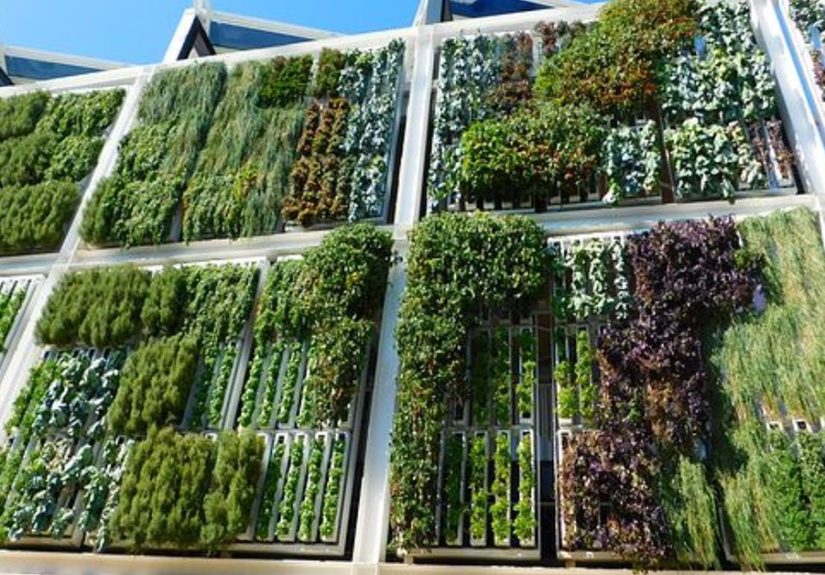
it turns blank walls, railings, fences, and forgotten corners into lush, productive plant real estate
without demanding you move to a farmhouse or learn to milk anything.
In this guide, you’ll find smart, space-saving vertical garden ideas for small spacesranging from
beginner-friendly DIY builds to polished “living wall” looksplus real-world tips on light, watering,
plant choices, and keeping your setup from becoming a drip-and-mud performance art piece.
Why Vertical Gardens Make Tiny Spaces Feel Bigger (and Smarter)
Vertical gardens work because they shift your growing area from square footage to surface area.
You’re not competing with chairs, grills, bikes, or that mysterious storage bin you’ve carried through
three apartments. You’re using what’s already there: walls, rails, posts, and air space.
Bonus perks: plants off the ground often get better airflow, cleaner harvests, and fewer soil splash issues.
And when you train vines upward, you can get straighter, cleaner fruit (looking at you, cucumbers).
Small-Space Reality Check: 6 Things to Plan Before You Build
1) Sunlight is your boss now
Before you buy a single planter, watch your light for a day. A bright wall can be perfect for herbs,
strawberries, and compact veggieswhile a shady wall may be better for shade-tolerant ornamentals and
foliage plants. In apartments, “full sun” might mean “two hours of light and a lot of hope,” so plan accordingly.
2) Weight matters (seriously)
Wet potting mix is heavy. So are ceramic pots. So is the water you’ll add daily in summer. If you’re attaching
anything to a wall or fence, confirm it can handle the load. If you’re on a balcony, keep your system lighter,
distribute weight, and avoid concentrating everything in one corner like you’re trying to stress-test the building.
3) Drainage is not optional
Vertical setups fail fast when water has nowhere to go. Use containers with drainage holes, add drip trays where needed,
and choose a well-draining potting mix. If you want a tidy wall indoors, consider sealed reservoirs or self-watering designs
that control runoff.
4) Watering is different when you grow “up”
In stacked planters, top pockets can dry out faster while lower pockets may stay wetter from runoff. Your goal is even moisture
not a top row of crunchy regrets and a bottom row of swampy sorrow. Simple drip lines, slow-release watering spikes, or
bottom-watering reservoirs can make maintenance way easier.
5) Pick plants that match your structure
Some plants climb with tendrils, some twine, and some cling. Match the plant to the support: peas and many cucurbits like netting,
beans like sturdy trellises, and clinging vines prefer rough surfaces or appropriate supports.
6) Microclimates are real
Walls reflect heat. Corners block wind. Upper tiers might get more sun and dry faster. Treat your vertical garden like a tiny ecosystem,
not a uniform grid. This mindset saves plants (and your patience).
The Most Ingenious Vertical Garden Ideas For Small Spaces
Mix and match these based on your light, budget, and whether you’re a “weekend DIY warrior” or a “please let it be pre-assembled” person.
1) The Classic Trellis-in-a-Pot (a.k.a. “Instant Height”)
One of the simplest vertical garden ideas for small spaces: place a tall trellis or obelisk directly into a large container.
This gives you a vertical backbone for climbers (beans, peas, compact cucumbers) or decorative vines.
For small patios, a triangular or obelisk shape can provide support from multiple sides without taking up extra ground space.
Pro tip: Choose a container wide enough to resist tipping and anchor the trellis well. If your area is windy, add weight at the base
with heavier potting mix or a stable pot materialwhile still keeping balcony limits in mind.
2) Pocket Planter Wall (Felt or Fabric Panels)
Fabric pocket panels create a lush “green tapestry” look. They’re great for shallow-rooted plants like lettuce, strawberries,
herbs, and trailing ornamentals. Just remember: pockets dry quickly in heat and wind, so consistent watering matters.
Best for: herbs, leafy greens, strawberries, small annuals.
Make it easier: add a simple drip line across the top row and let water trickle down.
3) Shoe Organizer Herb Garden (Budget Legend)
Yes, the over-the-door shoe organizer. It’s basically a ready-made pocket garden. Hang it on a fence or sturdy wall,
fill pockets with potting mix, and plant herbs. It’s especially handy near a kitchen door or grilling area, because fresh basil
tastes better when you can grab it without putting on “outside shoes.”
Important: poke drainage holes (if needed) and protect surfaces behind it. Add a tray or splash guard if runoff could stain.
4) Gutter Garden (Sleek, Narrow, Surprisingly Productive)
Mount vinyl gutters or purpose-made trough planters horizontally in tiers. This system shines for shallow-rooted plants:
herbs, lettuce, spinach, and flowers. It’s clean-looking and perfect for railings or narrow fence lines.
Design tip: Stagger tiers so each row still gets light. Don’t create a leafy eclipse where the top row hogs the sun.
5) Pallet Vertical Garden (Rustic + Space-Smart)
A wooden pallet can become a vertical planter with landscape fabric backing and planting openings. Pallets are popular because
they’re often low-cost and naturally segmented. They’re best for ornamentals or herbsnot heavy, deep-rooted crops.
Safety note: Use clean, safe wood and avoid pallets that may have been chemically treated. When in doubt, use a purpose-built planter frame instead.
6) Ladder Planter (Lean, Layered, and Renter-Friendly)
An A-frame ladder shelf lets you stack plants vertically without drilling into a wallgreat for renters.
Put sun-lovers on top, shade-tolerant plants on lower shelves, and rotate pots as seasons change.
Small-space styling win: mix texturesupright rosemary, trailing thyme, and a pop of color from edible nasturtiums.
7) Rail Planters for Balconies (The “No Floor Space” Move)
If you have a balcony railing, you already have a mounting system. Rail planters are ideal for compact herbs, salad greens,
and flowers for pollinators. Choose secure brackets and avoid overloadespecially in windy high-rise conditions.
Plant idea: a “pizza rail” (basil, oregano, thyme) or a “taco rail” (cilantro, chives, jalapeño if you get enough sun).
8) Wall-Mounted Pots on a Grid (Modern + Customizable)
Attach a sturdy metal grid or slat wall and hang pots with hooks. The beauty is flexibility: you can rearrange pots, swap out
seasonal plants, and leave breathing room for airflow.
Maintenance hack: keep a few empty hooks. When something finishes (looking at you, spring lettuce), you can rotate in a new pot immediately.
9) Hanging Baskets in Vertical “Columns”
Hanging baskets are vertical gardening classics. In a small space, think in columns: hang three baskets at different heights
along one vertical line, or use a multi-hook stand. Trailing plants make the whole arrangement feel fuller without crowding the floor.
10) Strawberry Tower or Stacking Planter
Stacking planters (often marketed as strawberry towers) are compact, productive, and great for patios. They’re designed so water can
move downward through tiers, but you still need to watch moisture: the top can dry out faster.
Crop ideas: strawberries, lettuce, spinach, trailing herbs, compact flowers.
11) DIY “Living Privacy Screen” Planter
Want privacy on a balcony without building a whole fence? Use tall planters with trellises or wire panels to create a green screen.
Train climbers upward, or hang pocket planters directly on the panel. This is one of the best vertical garden ideas for small spaces
because it solves two problems at once: more greenery and less “hello, neighbor” eye contact.
12) Triangular Trellis (Grow on Three Sides)
A triangular trellis is like a tiny plant skyscraper: it creates multiple climbing faces in a small footprint.
It’s especially useful for annual vines and compact vine crops, letting you harvest from different sides without stepping into a jungle.
13) Pegboard Plant Wall (Micro-Adjustable and Fun)
For indoor or covered outdoor spaces, a pegboard system lets you reposition small pots, propagation jars, or mini planters.
It’s great for herbs, small houseplants, and cuttings. If you like tinkering, this will scratch the itchin a productive way.
14) Hydroponic Vertical Tower (Maximum Yield, Minimum Dirt)
If you want a cleaner setup and you’re okay with a little “gardening meets appliance” energy, a hydroponic tower can produce a lot in very little space.
These systems can be especially effective indoors with grow lights or outdoors in bright conditions.
Best for: leafy greens and herbs. Fruiting plants can work too, but they typically demand more light and nutrient management.
15) Fence-Mounted Planter Boxes (A Straightforward Workhorse)
Mount narrow planter boxes to a fence in staggered rows. This is a clean, classic look and works for herbs, flowers, and compact greens.
Add a simple catchment tray or a gravel strip below to manage runoff.
What to Plant in a Vertical Garden (So It Thrives, Not Just Poses)
The best plants for vertical gardening are either natural climbers or plants that stay compact and tolerate container life.
Here are reliable categories to consider:
- Climbers: pole beans, peas, compact cucumbers, small-fruited squash varieties (with strong support).
- Leafy greens: lettuce, spinach, arugula, baby kale (great for pockets and shallow planters).
- Herbs: basil, thyme, oregano, chives, parsley (match to your sun; many prefer 6+ hours).
- Strawberries: excellent in towers, pockets, and troughs with good drainage.
- Ornamentals: trailing annuals, ferns for shade, compact flowering plants for pollinators.
If you’re growing edibles, aim for strong light and consistent moisture. If you’re growing ornamentals, prioritize texture, color,
and a mix of upright + trailing shapes for that “designer installed it” look.
Watering and Feeding: The Make-or-Break Layer
Go for a potting mix made for containers
Container mixes are lighter and drain better than garden soil. That matters a lot when your plants are stacked vertically
and your roots can’t sprawl to find oxygen.
Use slow, steady watering whenever possible
Hand-watering works, but vertical gardens reward consistency. Options that help:
- Simple drip line: a small tube at the top tier that distributes water evenly.
- Self-watering reservoirs: reduces daily maintenance and helps stabilize moisture.
- Mulch the soil surface: even a thin layer can reduce evaporation in containers.
Feed lightly, but regularly
Nutrients wash out of containers faster than in-ground beds. A diluted liquid fertilizer on a schedule (or a slow-release container fertilizer)
can keep growth steady. The goal is “healthy and productive,” not “giant plant auditioning for a monster movie.”
Design Tricks That Make a Vertical Garden Look Intentional (Not Accidental)
- Use repetition: repeating the same pot style or plant type creates a calm, cohesive look.
- Mix plant shapes: combine upright, mounding, and trailing plants for depth.
- Stagger heights: avoid a flat wall of identical greenerygive your eye somewhere to travel.
- Keep harvest plants reachable: put daily-use herbs at arm height, not at “step stool and prayer” level.
Common Mistakes (So You Can Skip the Drama)
- Overloading a wall or rail: wet soil is heavybuild for reality, not optimism.
- No drip plan: water will go somewhere. Decide where before it decides for you.
- Wrong plant, wrong place: shade plants baking in sun won’t “adjust,” they’ll resign.
- Ignoring wind: balconies can be windy; choose sturdier plants and secure everything.
- Uneven moisture: watch top pockets and sun-facing tiersthese dry out first.
Mini Blueprint: A High-Impact Vertical Garden in One Afternoon
If you want a fast win, here’s a simple plan that works in many small spaces:
- Pick a bright wall or railing that gets at least 4–6 hours of sun.
- Install a metal grid panel (or use a freestanding ladder shelf if you can’t drill).
- Hang 6–10 small pots with hooks or brackets.
- Plant: basil, thyme, chives, parsley, lettuce, and one trailing plant for style.
- Add a catch tray or protective backing if runoff could stain surfaces.
- Water consistently and rotate plants weekly for even light.
You’ll get function (fresh herbs) and aesthetics (a living wall look) without complicated carpentry.
Real-World Experiences and Lessons From Small-Space Vertical Gardening (Extra Depth)
People usually fall in love with vertical gardens the same way they fall in love with tiny homes on TV:
it looks perfectly curated, breezy, and suspiciously free of clutter. Then real life shows upsun angles shift,
a heat wave hits, and suddenly you’re negotiating with a row of basil that has decided it’s either thirsty every
six hours or it will simply faint dramatically.
One of the most common “aha” moments small-space gardeners share is realizing that vertical gardening is less about
building a structure and more about building a routine. When plants are stacked, they don’t forgive neglect as quietly.
The top tier dries out first, especially on a bright, reflective wall. The bottom tier can stay damp longer from runoff,
which means you may need to water in smaller amounts more oftenrather than blasting the whole system like you’re putting out a fire.
Once you switch to “frequent and gentle,” most vertical gardens calm down and start behaving like the elegant space-savers they promised to be.
Another lesson: you’ll never regret planning for drip management. On day one, it feels like an unnecessary detail.
By day ten, you understand that water has hobbieslike staining concrete, warping wood, and creating tiny mud streaks
that appear exactly when someone visits. A simple tray, a splash guard, or a gravel strip under the garden turns maintenance
from annoying to automatic. Even better, if you can add a basic drip line or slow watering method at the top, you reduce
the “top row crispy, bottom row soggy” effect that makes beginners think they’re bad at gardening. They’re notphysics is just being physics.
Plant choice becomes personal in a small space because every plant has to earn its spot. Gardeners often report that herbs are the best
“confidence builders” for vertical gardening: they’re useful, forgiving, and they reward you quickly. Leafy greens are also great,
especially in pockets or troughs, because they don’t demand deep soil. Fruiting plants can be amazing, but they come with higher expectations:
more sun, more feeding, more consistent watering. Many people find it easier to start with herbs and greens, then “level up” to compact peppers,
strawberries, or climbing beans once the routine feels easy.
Vertical gardening also changes how you notice your space. A blank fence becomes potential. A boring wall becomes a background for texture
and color. And there’s a surprising satisfaction in realizing that you can grow a meaningful amount of food or greenery in a footprint smaller
than a coffee table. Small-space gardeners often describe a new kind of pride: not the “look at my giant backyard” pride, but the
“look what I pulled off with almost nothing” pride. It’s creative, resourceful, and a little bit rebelliousin the best way.
Finally, most experienced small-space gardeners will tell you this: vertical gardens are happiest when you treat them like living design.
Rotate pots. Swap seasonal plants. Edit ruthlessly. If something isn’t thriving, replace it without guilt. Your vertical garden isn’t a museum
exhibitit’s a working, changing system. And once you accept that, your setup gets easier, prettier, and way more productive.
Conclusion
The best vertical garden ideas for small spaces aren’t just cleverthey’re practical. They respect light, weight, drainage, and your daily routine.
Start simple (a trellis-in-a-pot or a railing planter), learn how your microclimate behaves, then expand into pockets, grids, towers, or a full living wall.
With a little planning, you can turn “tiny outdoor area” into “this place has a garden,” and honestly, that feels pretty great.







 Close
Close