
Table of Contents >> Show >> Hide
- What Is the Vegetarian Diet?
- What You Can Eat on a Vegetarian Diet
- What to Limit (Because “Vegetarian” Isn’t Automatically “Healthy”)
- Key Nutrients to Pay Attention To
- A Simple Vegetarian Grocery List
- What You Can Eat: Meal Ideas (So It’s Not Just “Salad Again”)
- How to Start a Vegetarian Diet Without Getting Overwhelmed
- FAQ: Quick Answers to Common Vegetarian Diet Questions
- Experiences People Often Have When Going Vegetarian (The Real-Life Part)
- Conclusion
Going vegetarian can feel like stepping into a new neighborhood: the streets smell like roasted veggies, the locals are
obsessed with chickpeas, and someone keeps trying to hand you nutritional yeast like it’s a VIP wristband.
But the vegetarian diet isn’t a single strict rulebookit’s more like a “choose-your-own-adventure” where the main
character (you) eats mostly plants and skips meat.
In this guide, we’ll break down what a vegetarian diet is, the most common types, exactly what you can eat, and how to
make it balanced (so you’re not accidentally living on pasta and good intentions). We’ll also cover key nutrients like
protein, vitamin B12, iron, omega-3s, and morebecause “vegetarian” isn’t automatically “nutritionally complete” unless
you build it that way.
What Is the Vegetarian Diet?
A vegetarian diet is an eating pattern that avoids meat, poultry, and seafood. What people do include varies.
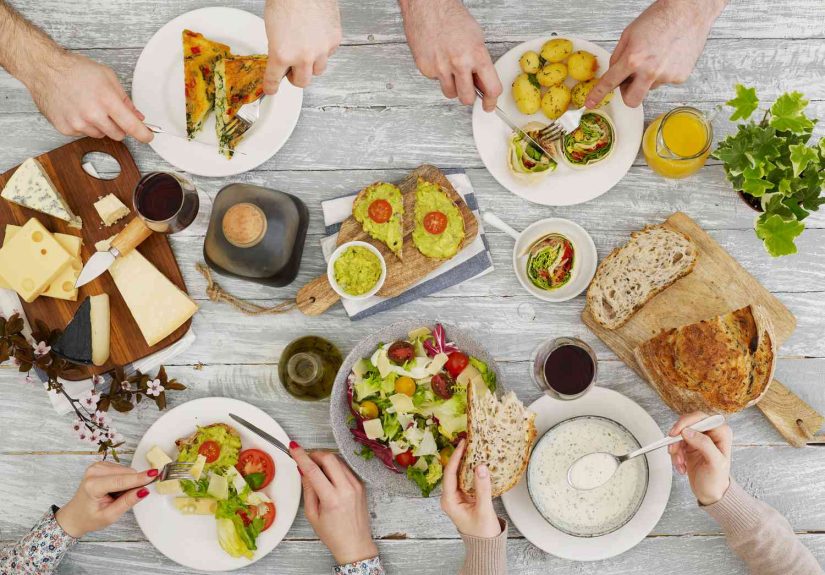
Most vegetarian diets emphasize vegetables, fruits, whole grains, beans and lentils, nuts, seeds, and healthy fats.
Some also include eggs and/or dairy. The key idea is simple: your protein and “main dish” energy comes mostly from
plants rather than animal flesh.
Common Types of Vegetarian Diets
- Lacto-ovo vegetarian: No meat, poultry, or fish. Includes dairy and eggs. This is one of the most common styles.
- Lacto-vegetarian: Includes dairy, but not eggs, meat, poultry, or fish.
- Ovo-vegetarian: Includes eggs, but not dairy, meat, poultry, or fish.
- Vegan: Avoids all animal products (meat, fish, eggs, dairy, and typically honey). Vegan is a type of vegetarian diet, but it requires extra planning for certain nutrients.
- Flexitarian (semi-vegetarian): Mostly plant-based, but occasionally includes meat or fish. Not strictly vegetarian, but often used as a stepping-stone.
- Pescatarian: Includes fish/seafood, but avoids meat and poultry. Also not strictly vegetarian, but commonly grouped in “plant-forward” conversations.
If you’re thinking, “So… there are options?” Yes. Vegetarian eating is less like joining a secret society and more like
choosing a playlist. Pick what fits your health needs, your culture, your budget, and your taste buds.
What You Can Eat on a Vegetarian Diet
The best vegetarian diet isn’t built around what you can’t eat. It’s built around what you can eatlots of it,
in fact. The goal is variety: different colors, textures, and food groups across the week.
The Core Building Blocks
- Vegetables: fresh, frozen, canned (watch sodium), roasted, stir-fried, steamedyes, even the “sad salad” kind (but we can do better).
- Fruits: whole fruit, frozen fruit, applesauce, and fruit-as-dessert that still feels like dessert.
- Whole grains: oats, brown rice, quinoa, whole-wheat pasta, barley, farro, popcorn (yes, it counts).
- Legumes: beans, lentils, peas, chickpeasthese are vegetarian MVPs for protein, fiber, and staying power.
- Nuts and seeds: almonds, walnuts, peanuts, chia, flax, pumpkin seeds, sunflower seeds, tahini.
- Soy foods: tofu, tempeh, edamame, soy milk (especially fortified), miso.
- Eggs and dairy (if included): eggs, yogurt, milk, cheese, cottage cheese, kefir (choose what works for you).
- Fortified alternatives: fortified plant milks, fortified cereals, fortified nutritional yeast (helpful for nutrients like B12).
- Healthy fats: olive oil, avocado, nuts, seedsbecause flavor is not a moral failing.
Vegetarian Protein: What Counts?
Protein on a vegetarian diet doesn’t have to be complicated. You’re aiming for consistent protein across the day,
using a mix of legumes, soy foods, dairy/eggs (if included), and other plant proteins.
- Beans and lentils: black beans, kidney beans, pinto beans, lentils, split peas.
- Chickpeas: hummus, chickpea salad, roasted chickpeas.
- Tofu and tempeh: tofu scrambles, baked tofu, tempeh tacos.
- Edamame: snack it, toss it in salads, add it to stir-fries.
- Greek yogurt / cottage cheese (if included): easy, high-protein options.
- Eggs (if included): quick and versatile.
- Nuts, nut butters, and seeds: great add-ons for protein and healthy fats.
- Whole grains with more protein: quinoa, oats, whole-wheat pasta.
- Seitan: wheat gluten-based protein (not for gluten intolerance/celiac).
A helpful (and sanity-saving) meal formula:
Protein + Fiber-rich carb + Colorful produce + Healthy fat.
Example: lentil bowl (protein) + brown rice (carb) + roasted veggies (produce) + tahini drizzle (fat).
Congratulationsyou just made “balanced” taste good.
What to Limit (Because “Vegetarian” Isn’t Automatically “Healthy”)
A vegetarian diet can absolutely be nutrient-richbut it can also become a “beige food festival” if you’re not careful.
Fries are vegetarian. So is a giant cinnamon roll. Delicious? Yes. A full nutrition strategy? Not unless your plan is
“live deliciously and then call a dietitian.”
Common Pitfalls
- Leaning too hard on refined carbs: lots of white pasta, white bread, pastries, and snack foods without enough protein/fiber.
- Overdoing ultra-processed meat substitutes: some are great occasionally, but many are high in sodium or saturated fat.
- Not getting enough protein at meals: leading to constant snacking and “why am I hungry again?” moments.
- Skipping key nutrients: especially B12 (for vegans), iron, omega-3s, zinc, iodine, vitamin D, and calcium depending on your pattern.
The solution isn’t perfectionit’s planning. Aim for mostly whole or minimally processed foods, and treat convenience
foods as helpers, not the entire cast of characters.
Key Nutrients to Pay Attention To
Well-planned vegetarian diets can meet nutrient needs, but some nutrients deserve special attentionmainly because
they’re less abundant, less absorbable, or require fortified foods/supplements depending on your style of vegetarian eating.
Vitamin B12
Vitamin B12 is naturally found in animal-derived foods. If you eat eggs and dairy, you may get some B12 from those foods.
If you eat vegan (no animal products), you’ll need reliable sources like B12-fortified foods (certain cereals,
nutritional yeast, fortified plant milks) or a B12 supplement. This is not optional “wellness culture”it’s biology.
Iron (and How to Absorb It Better)
Plant foods contain non-heme iron, which is less efficiently absorbed than heme iron from meat. Vegetarian iron
sources include beans, lentils, tofu, spinach, fortified cereals, and whole grains.
The easy upgrade: pair iron-rich foods with vitamin C (like citrus, bell peppers, strawberries, broccoli, or tomatoes)
to improve absorption. Example: lentil chili + tomatoes, or beans + salsa, or spinach + lemon.
Protein and Amino Acids (No, You Don’t Need to “Combine” at Every Meal)
Plant proteins vary in their amino acid profiles, but your body is not a strict accountant that only accepts perfectly
matched proteins at the same meal. If you eat a variety of plant proteins across the daybeans, grains, soy foods, nuts,
seedsyou can meet protein needs. Variety is the strategy.
Omega-3 Fats
Omega-3s matter for overall health. Plant foods provide ALA (alpha-linolenic acid) found in flax, chia, walnuts,
and certain plant oils. Fish are common sources of EPA and DHA, but these fats originate from microalgae in the food chain.
If you don’t eat fish, some people choose an algae-based DHA/EPA supplement as an optionespecially if they want a more direct source.
Calcium and Vitamin D
If you include dairy, calcium may be easier to cover. If you don’t, look for calcium-fortified plant milks, calcium-set tofu,
leafy greens, and fortified foods. Vitamin D is trickier because it’s in relatively few foods; fortified foods and supplements
are common options, and sunlight exposure varies widely by lifestyle and location. If you’re unsure, a clinician can help you assess needs.
Zinc
Zinc is present in beans, whole grains, nuts, and seeds, but plant compounds like phytates can reduce absorption.
Practical moves: include a variety of zinc-rich plant foods, and use cooking methods like soaking, sprouting,
fermenting (hello, tempeh), and leavening (yeast breads) when possible.
Iodine
Iodine supports thyroid function. In the U.S., iodized salt is a common source, but not all salt is iodized (for example,
many fancy salts are not). Some people also get iodine from dairy and eggs (if included), and certain seaweeds are iodine-rich
(but can be extremely high, so portion awareness matters). If you’re fully plant-based and avoid iodized salt, iodine is worth a closer look.
Fiber (Your Gut May Have Opinions at First)
Many vegetarian diets are high in fibergreat for health, but if you jump from low-fiber to “bean-based lifestyle” overnight,
your digestion may stage a small protest. Increase fiber gradually, drink water, and use gentler options like lentils,
cooked vegetables, and oats while your system adjusts.
A Simple Vegetarian Grocery List
If you want vegetarian eating to feel easy, stock your kitchen like you mean it. Here’s a practical list you can mix and match.
Proteins
- Beans (canned or dry): black, chickpeas, kidney, pinto
- Lentils: brown/green, red, or canned
- Tofu, tempeh, edamame
- Eggs and Greek yogurt/cottage cheese (if included)
- Nuts and nut butter
- Seeds: chia, flax, pumpkin, sunflower
Carbs That Actually Do Something
- Oats
- Brown rice, quinoa, barley, farro
- Whole-wheat pasta or higher-protein pasta (like lentil or chickpea pasta)
- Whole-grain bread or tortillas
- Potatoes and sweet potatoes
Color and Crunch
- Leafy greens (spinach, kale, romaine)
- Cruciferous veggies (broccoli, cauliflower, Brussels sprouts)
- Bell peppers, carrots, tomatoes, cucumbers
- Frozen mixed veggies (busy-night hero)
- Fruit: berries, apples, bananas, oranges
Flavor Builders
- Olive oil, vinegar, lemons/limes
- Garlic, onions, ginger
- Spices: cumin, chili powder, smoked paprika, curry blends
- Tahini, salsa, soy sauce, miso
- Nutritional yeast (especially if fortified)
What You Can Eat: Meal Ideas (So It’s Not Just “Salad Again”)
Breakfast
- Oatmeal with chia seeds, berries, and peanut butter
- Greek yogurt parfait (if included) with fruit + nuts + granola
- Tofu scramble with spinach and salsa
- Avocado toast with a side of eggs (if included) or white beans smashed with lemon
Lunch
- Lentil soup + whole-grain bread
- Chickpea “tuna” salad sandwich (mashed chickpeas, celery, pickles, mustard)
- Grain bowl: quinoa + roasted veggies + tofu + tahini
- Bean burrito bowl: brown rice + black beans + corn + salsa + avocado
Dinner
- Veggie stir-fry with tofu and edamame over brown rice
- Chili with beans + tomatoes + peppers (add vitamin C-rich toppings like tomatoes or a squeeze of lime)
- Whole-wheat pasta with lentil marinara and a big side salad
- Tempeh tacos with slaw and salsa
- Egg frittata with veggies (if included) + roasted potatoes
Snacks
- Hummus + carrots/peppers
- Apple + peanut butter
- Roasted chickpeas
- Trail mix (nuts + seeds + dried fruit)
- Edamame with a pinch of salt and chili flakes
How to Start a Vegetarian Diet Without Getting Overwhelmed
You don’t have to flip your entire life like a dramatic season finale. Start with small, repeatable wins.
Step 1: Pick Your “Why” (It Helps on Busy Nights)
Health, ethics, environment, budget, culture, curiosityyour reason matters because at some point you’ll be tired,
hungry, and tempted by convenience. A clear “why” helps you choose a default meal that supports your goal.
Step 2: Swap One Meal at a Time
Try “Meatless Monday,” vegetarian breakfasts, or replacing two dinners a week. Build a list of 5–10 meals you genuinely like.
The magic isn’t endless noveltyit’s having reliable favorites.
Step 3: Make Protein Non-Negotiable
At main meals, include a clear protein source (beans, lentils, tofu/tempeh, eggs/dairy if included). This supports fullness and helps the diet feel sustainable.
Step 4: Use Fortified Foods Intentionally (Especially for Vegans)
Fortified plant milks, fortified cereals, and fortified nutritional yeast can help fill nutrient gaps. For vegans, vitamin B12 needs a reliable plan.
Step 5: If You’re Feeding Kids or Teens, Plan Carefully
Vegetarian diets can work for many people, but growing bodies have higher nutrient needs. If you’re a teen (or feeding one),
focus on balanced meals and talk with a healthcare professional or registered dietitian if you’re unsure about nutrients like iron, B12, calcium, vitamin D, and overall energy intake.
FAQ: Quick Answers to Common Vegetarian Diet Questions
Is a vegetarian diet the same as a plant-based diet?
Not exactly. “Plant-based” often means most foods come from plants, but some people still include small amounts of meat, fish, eggs, or dairy.
Vegetarian specifically avoids meat (and sometimes other animal foods depending on the type).
Can you get enough protein without meat?
Yes. The strategy is consistency and variety: legumes, soy foods, dairy/eggs if included, nuts, seeds, and whole grains. Build meals around a protein anchor.
Do vegetarians need supplements?
It depends. Vegans need reliable vitamin B12 sources (often fortified foods or supplements). Other supplements (vitamin D, iodine, omega-3 DHA/EPA, iron) depend on your intake, lab values, and health needs.
A clinician or dietitian can personalize this.
Is vegetarian eating expensive?
It doesn’t have to be. Beans, lentils, rice, oats, frozen vegetables, and seasonal produce are often budget-friendly.
Specialty substitutes and packaged foods can raise costs, so use them as optional conveniences.
Experiences People Often Have When Going Vegetarian (The Real-Life Part)
You know how every big change comes with a “Wait, is this normal?” phase? Vegetarian eating is no different.
While everyone’s experience varies, here are common things people report when they shift toward a vegetarian dietplus a few
practical ways to make the transition smoother.
1) Your grocery cart starts looking… greener. At first, it can feel like you’re buying “a suspicious amount of produce.”
You’ll learn quickly that frozen vegetables are not a compromise; they’re a strategy. (They don’t wilt. They don’t judge you.
They show up ready for stir-fry duty.) Many new vegetarians also discover that canned beans are basically time travel: you get
the benefits of cooking beans without the “I forgot to soak them” subplot.
2) You may become a label reader. Not in a dramatic waymore like “Why is there gelatin in this?” curiosity.
People are often surprised where animal-derived ingredients can show up (certain marshmallows, some candy, a few sauces).
The upside: you also learn which foods are naturally vegetarian, which makes shopping easier over time.
3) Your digestion might need an adjustment period. If your old routine was low in fiber and your new routine is
“beans + lentils + cruciferous vegetables,” your gut may have opinions. This is common, and it’s usually manageable:
increase fiber gradually, drink water, and rotate in gentler fibers like oats, bananas, cooked vegetables, and lentils
before going full “three-bean chili every night” mode.
4) People will ask questions. So many questions. Some are supportive (“What do you eat now?”),
some are weirdly intense (“But where do you get protein?”), and some are just hungry (“Can I try that?”).
A simple response helps: “I eat beans, lentils, tofu, eggs/dairy, nuts, whole grainslots of options.” You do not owe anyone a
dissertation at the dinner table unless you’re trying to avoid washing dishes, in which case, talk away.
5) Restaurant ordering gets easier… after the first few tries. The early stage can feel like scanning menus for
“the one lonely veggie entrée.” Then you learn the hacks: ask for beans instead of meat, build a bowl, order a veggie burger,
choose pasta with vegetables and a protein add-on, or combine sides. Many cuisines are naturally vegetarian-friendly
(think Mediterranean spreads, Indian lentil dishes, many Mexican bean-based meals, hearty vegetable stir-fries).
6) You start collecting “default meals.” This is where vegetarian eating becomes sustainable.
People often find 5–10 meals that are quick and reliable: oatmeal + nut butter, tofu scramble, lentil soup,
burrito bowls, chickpea salad sandwiches, pasta with lentil marinara, stir-fries, sheet-pan roasted veggies with tempeh,
or yogurt bowls if dairy fits. When you’re tired, defaults beat motivation.
7) You may notice you’re thinking more about balance. Many new vegetarians realize they feel best when meals
include protein and healthy fats, not just vegetables. “Salad for dinner” can be a great dinnerif it includes chickpeas,
tofu, nuts, seeds, or eggs/cheese (if included), plus a satisfying carb like whole-grain bread or roasted potatoes.
The big lesson people learn: plants are amazing, but structure matters.
8) You might feel proud… and occasionally annoyed. Proud because you’re cooking more, trying new foods,
and aligning your eating with your values. Annoyed because someone will eventually say,
“But bacon though,” like they’ve invented a brand-new argument. (They haven’t.)
The good news: the learning curve fades, and the routine becomes normaljust with better hummus.
Conclusion
The vegetarian diet is a flexible way of eating that centers plants and skips meatwhile still offering plenty of room for
variety, comfort foods, and real-life practicality. The key is to build meals with intention: emphasize vegetables and fruits,
choose whole grains, lean on legumes and soy foods (plus eggs/dairy if you include them), and pay attention to nutrients
like vitamin B12, iron, omega-3s, calcium, vitamin D, zinc, and iodine based on your specific style.
If you want a simple next step, pick one vegetarian meal you’ll actually look forward to and make it twice this week.
Sustainable change doesn’t come from perfect eatingit comes from repeatable wins.







 Close
Close