
Table of Contents >> Show >> Hide
- What Exactly Is a “Tiered” Hanging Basket?
- Why Tiered Hanging Baskets Are Worth the Hype
- Choosing the Right Tiered Hanging Basket System
- Planting Tiered Hanging Baskets So They Actually Thrive
- Design Like a Pro: “Thriller, Filler, Spiller”Tiered Edition
- Plant Picks That Love Hanging Life (By Light Level)
- Edible Tiered Hanging Baskets: Pretty, Useful, and Snackable
- Troubleshooting: When Your Tiers Throw a Tantrum
- Seasonal Strategy: Keeping Tiered Baskets Looking “Expensive”
- Hands-On Experiences: What Gardeners Commonly Learn the “Fun” Way (About )
- Conclusion: Your Shortcut to a Stunning Vertical Display
Tiered hanging baskets are the gardening equivalent of a great haircut: they lift everything up, make small spaces look bigger,
and somehow convince neighbors you’ve got your life together. One basket is nice. Two baskets are charming. Three baskets?
That’s a full-on vertical garden momentcolor, texture, and “wow” stacked in the air where it can’t be trampled by pets, kids,
or that one friend who “just wanted to smell the flowers” with both hands.
This guide breaks down what tiered hanging baskets are, how to choose the right style, how to plant them so they don’t dry out
in 48 minutes, and which plants behave best when they’re living the high life. You’ll also get practical design recipes and
an experience-based section at the end (because nothing teaches faster than real-world “oops” moments).
What Exactly Is a “Tiered” Hanging Basket?
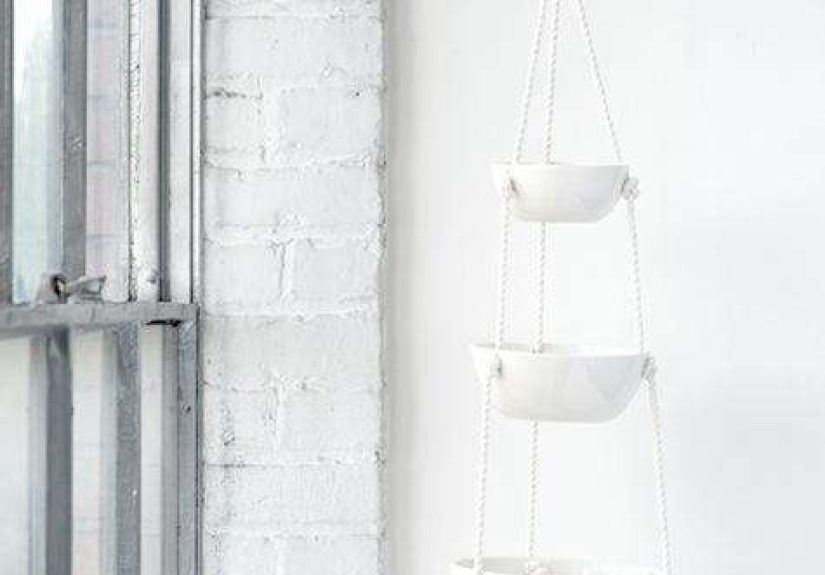
“Tiered” simply means more than one planting space arranged vertically. In the wild (also known as garden centers and online
carts), you’ll see tiered hanging baskets in a few common formats:
- Stacked baskets on one chain: Two or three baskets hang one below another from a single hook.
- Multi-pot hanging frames: A metal frame holds multiple small pots at different heights.
- Cascading “tower” planters: Tiered containers designed for compact vertical gardening.
- Pocket-style vertical planters: Fabric or felt pockets hung on a wall or fence (not “baskets,” but the same tiered concept).
The big advantage is obvious: you get more planting area without taking up more floor space. The sneaky advantage is better
visual balancetiering lets you layer tall plants, mounding plants, and trailing plants in a way that looks intentional
(even if you chose them while speed-walking the nursery aisle).
Why Tiered Hanging Baskets Are Worth the Hype
1) Maximum impact in minimum space
If you’ve got a porch, balcony, small patio, or a sunny window area, tiered baskets let you garden upward instead of outward.
That’s huge for renters and small-space gardenersand for anyone whose “yard” is basically a generous doormat.
2) Built-in design drama
Tiering creates a natural cascade effect. Even a simple palette (say, white + purple + chartreuse foliage) looks more dynamic
when it spills from level to level. Better Homes & Gardens leans hard into plant-combo “recipes” for hanging baskets,
and tiered setups make those combinations look even more layered and lush.
3) Easier to tailor plants to light
Light can shift from top to bottomupper tiers often get more sun and wind, while lower tiers are more shaded and protected.
With tiers, you can match plants to micro-conditions instead of forcing everyone into the same situation.
Choosing the Right Tiered Hanging Basket System
Start with the setting: indoor, outdoor, or “semi-chaotic porch”
Outdoors, your biggest challenges are wind, heat, and drying out. Indoors, it’s usually lower light and making sure water
doesn’t drip onto something you love (like your laptop, your hardwood floors, or your sense of calm).
Pick materials that match your lifestyle (and your watering personality)
-
Wire baskets + coco coir liners: Classic look, great airflow, and excellent drainage. They also dry faster,
so they’re best if you’re consistent with watering. -
Plastic/resin hanging planters: Hold moisture longer and often come with built-in saucers or reservoirs.
Great for “I water when I remember” gardeners. -
Fabric pockets: Lightweight and space-saving, but they can dry quickly in sun and windideal for herbs and
smaller-rooted plants if you stay on top of moisture. -
Metal frames with separate pots: Easy to swap plants and rotate for light, and easy to take down one pot
at a time for watering.
Don’t ignore weight (wet soil is not shy)
Tiered systems get heavy fast because you’re essentially hanging multiple containers from one point. Check the rating on your
hook/bracket and use secure mounting (especially outdoors where wind adds extra force). If you’re renting or unsure about your
mounting surface, choose lighter setups: smaller pots, fewer tiers, or wall-mounted pocket planters.
Drainage is non-negotiable
Every tier should drain well. Standing water leads to unhappy roots, while zero moisture retention leads to daily plant
dramatics. The sweet spot is a well-drained potting mix, drainage holes, and a watering routine that keeps the soil evenly moist.
University extension guides consistently emphasize proper media and drainage for baskets, plus frequent watering and fertilizing
due to limited soil volume.
Planting Tiered Hanging Baskets So They Actually Thrive
Use a high-quality potting mix (not garden soil)
Hanging baskets are containers, not miniature garden beds. Use a quality potting mix that drains well and holds moisture
without turning into a swamp. When filling baskets, leave a small “lip” at the top (about 1/2 to 1 inch) so water doesn’t
immediately run off the sidesthis is a classic extension recommendation for easier watering and less mess.
Fertilize like you mean it (because watering washes nutrients out)
Frequent watering is the price of entry for hanging baskets, and it also leaches nutrients. University extension resources
commonly recommend either slow-release fertilizer mixed in at planting, plus supplemental liquid feeding during the season,
or regular water-soluble fertilizer on a schedule. A practical home-gardener approach:
- At planting: Mix in a controlled/slow-release fertilizer according to label directions.
- After plants settle in: Feed with a diluted water-soluble fertilizer about every 1–3 weeks during active growth.
- Rule of thumb: Fertilize moist soil (not bone-dry) to reduce risk of root burn.
Watering: the make-or-break habit
Hanging baskets dry out faster than most containers because they’re exposed to air on all sides and have limited soil volume.
In warm weather, daily watering is common; in extreme heat or wind, it can be twice a day. If soil dries out and becomes
water-repellent, soaking the basket (carefully) can help rehydrate it thoroughlysome gardeners use “bottom watering” or a
brief dunk in a bucket so the root zone fully re-wets before hanging it back up.
With tiered baskets, gravity is both your friend and your prankster. If you water the top tier, some water may trickle down,
but don’t assume it’s enough for the lower tiers. Each tier should get attention. If your setup is outdoors and you want an
easier life, consider drip irrigation stakes or a simple micro-watering linetiered baskets are perfect candidates for that
kind of steady moisture.
Deadheading and light pruning keep baskets full
Regularly pinch back leggy stems, remove faded blooms on plants that need it, and trim spillers that get too ambitious.
This encourages branching and keeps the display looking lush rather than “sad fireworks.” Some modern varieties are
“self-cleaning” and drop spent blooms on their own, which is basically the plant version of doing dishes unasked.
Design Like a Pro: “Thriller, Filler, Spiller”Tiered Edition
Container designers often use a simple concept:
thriller (tall focal point), filler (mounding volume), and spiller (trailing edges).
Tiered baskets let you distribute those roles across levels:
Top tier: keep it sturdy and not too thirsty
The top tier gets the most sun and wind. Choose plants that can handle brighter light and won’t wilt instantly. Think compact
upright flowers or structured foliage (depending on your sun exposure).
Middle tier: the “body” of the arrangement
This tier often becomes the visual anchor. Use mounding bloomers and textured foliage that fills space without swallowing
everything else.
Bottom tier: let the spillers do their thing
This is where trailing plants shinecalibrachoa, sweet potato vine, creeping Jenny, trailing verbena, ivy, and similar spillers
give you that luxurious cascade effect.
Plant Picks That Love Hanging Life (By Light Level)
Full sun (6+ hours): big bloom energy
For bright porches and sunny patios, classic hanging-basket stars include petunias and calibrachoa (“million bells”), plus
verbena, lantana, and ivy geraniums. These show up repeatedly in reliable plant lists because they flower heavily and trail
beautifully when fed and watered well.
Tiered combo idea (sun):
- Top: Upright geranium (zonal) or a compact mandevilla on a small support
- Middle: Petunias in one color family + a bright foliage accent (like chartreuse sweet potato vine)
- Bottom: Calibrachoa + trailing verbena for nonstop spill
Part sun / bright shade: flexible favorites
Begonias (especially for containers), coleus (for foliage drama), and some impatiens varieties do well with morning sun and
afternoon shade. If your tiers are under an eave, you’ll often have “bright but not scorching” conditionsperfect for these.
Tiered combo idea (part shade):
- Top: Coleus (upright color) or a compact begonia
- Middle: Impatiens + begonias for reliable bloom
- Bottom: Trailing torenia or creeping Jenny for cascade
Shade: lean into foliage and texture
In true shade, flowers can be pickier, so foliage becomes your best friend. Boston ferns are a classic shade hanging choice,
and they look especially dramatic in tiered arrangements when paired with trailing greenery.
Edible Tiered Hanging Baskets: Pretty, Useful, and Snackable
Strawberries that don’t rot on the ground
Strawberries are popular in hanging baskets because fruit stays cleaner and slugs have to work harder for their free buffet.
Container-growing guides often suggest that a 12–14 inch hanging basket typically suits a small number of strawberry plants
(commonly around 2–3, depending on variety and vigor). Choose types that trail or stay compact, and keep moisture consistent
so fruit doesn’t go from “juicy” to “tiny and confused.”
Tip: Because strawberries are thirsty while fruiting, they do best in a setup where you can water reliably (or use drip).
Herbs: the “cook’s porch” upgrade
Tiered baskets are excellent for herbs if you match water needs. Basil loves warmth and sun, parsley tolerates a bit more
shade, and trailing herbs like oregano can spill beautifully. Keep mint contained (in its own pot) unless you enjoy
surprise mint everywhere.
Greens and small edibles
Lettuce, baby kale, and compact edible flowers (like nasturtiums) can work in cooler seasons. Just remember: edible plants
still need regular feeding in containers, and they’ll bolt faster in heat.
Troubleshooting: When Your Tiers Throw a Tantrum
“It wilted an hour after I watered it.”
This can happen if the soil dried out so much it became hydrophobic (water runs off instead of soaking in). A deeper soak can
help re-wet the root zone. Also check if the plant is rootboundsome nursery plants come packed tight and need loosening at planting.
“The top looks great, the bottom looks… haunted.”
Lower tiers might get less light and less direct watering. Rotate the whole hanger occasionally (if possible), and water each tier
deliberately. Also consider swapping plant roles: shade-tolerant spillers below, sun-lovers above.
Yellow leaves or weak flowering
In baskets, this often points to nutrition issueseither not enough fertilizer, or inconsistent watering causing nutrients to flush.
A steady, diluted feeding schedule (and not overdoing it) usually brings plants back.
Mushy stems or fungus gnats
That’s usually a sign of staying too wet. Make sure drainage holes aren’t blocked, avoid letting pots sit in water, and adjust
watering frequency to match temperature and plant size.
Seasonal Strategy: Keeping Tiered Baskets Looking “Expensive”
Most tiered hanging baskets are at peak glory from late spring through early fall. To keep them looking full:
- Start strong: Healthy plants + good potting mix + slow-release fertilizer at planting.
- Stay consistent: Water thoroughly, then feed on schedule.
- Midseason haircut: A light trim and deadheading can refresh blooms and reduce legginess.
- Refresh if needed: If liners degrade or soil compacts, replanting can be worth itespecially for multi-year frames.
In colder climates, many basket plants are grown as annuals. But you can overwinter certain houseplants or shade plants indoors
if you have space and light. If you do bring them inside, be mindful of wateringindoor conditions usually mean slower drying.
Hands-On Experiences: What Gardeners Commonly Learn the “Fun” Way (About )
If you ask ten people about tiered hanging baskets, at least eight will say some version of: “They’re gorgeous… and they’re thirsty.”
That’s the first real-world lesson. The second is that thirst doesn’t hit evenly. Gardeners often notice the top tier dries out
first on hot, windy days, while the bottom tier stays damp longerespecially if it’s shaded by the tiers above. The fix isn’t
complicated, but it is a habit: water each tier on purpose. A quick splash at the top and a confident “good enough” usually
leads to a bottom tier that feels ignored and starts dropping leaves like it’s auditioning for autumn.
Another common experience is the “weight surprise.” Dry potting mix feels light. Add water, and suddenly your hanging setup
becomes a physics demonstration. People regularly discover that a cute hook is not the same thing as a secure, rated hook.
The best approach is to plan for the heaviest moment (right after watering) and make sure the mounting method is solid. If that
feels like too much commitment, a lighter tiered frame with smaller pots can be a safer and easier win.
Plant choices also teach quickly. Trailing plants look magicaluntil you pick three aggressive spillers for every tier and end up
with a botanical mop. Many gardeners find a better balance by choosing one “main” spiller per basket, then adding smaller
trailing accents. The goal is a cascade, not a plant traffic jam. Similarly, mixing sun-lovers and shade-lovers in the same tier
can be a slow-motion heartbreak. Tiered setups are a great excuse to separate needs: sun-tough plants near the top, shade-tolerant
or moisture-loving plants lower where conditions are gentler.
Feeding is another “aha.” People often assume potting mix has enough nutrients for the season. Then blooms fade, leaves pale,
and everything looks tired by midsummer. The real-world solution most gardeners land on is simple: combine slow-release fertilizer
at planting with a consistent, diluted liquid feed during active growth. Not mega-dosesjust a steady routine. The improvement is
usually obvious within a couple of weeks: fuller growth, better color, and blooms that don’t quit early.
Finally, there’s the aesthetic lesson: tiered baskets look best when you plan the view from a few steps away. Up close, you’ll
obsess over individual flowers. From a distance (where your guests will actually stand), it’s all about shape and flow. A tidy,
rounded middle tier and a generous bottom cascade reads as “lush and intentional.” A few trims through the seasonsnipping leggy
stems and removing tired bloomscan be the difference between “garden goals” and “this seemed like a good idea in May.”
Conclusion: Your Shortcut to a Stunning Vertical Display
Tiered hanging baskets are one of the fastest ways to add color, texture, and vertical styleespecially in small spaces.
The winning formula is straightforward: choose a tiered system that matches your space and watering style, use quality potting
mix with good drainage, fertilize consistently, and design each tier with a clear job (structure up top, body in the middle,
and spill at the bottom).
And if you only remember one thing, make it this: tiered baskets don’t want “more” wateringthey want reliable watering.
Do that, and you’ll get the kind of cascading display that makes people slow down on the sidewalk and pretend they’re just
checking the weather.







 Close
Close