
Table of Contents >> Show >> Hide
- What “Traditional” Style Really Means (And Why It Works)
- Start With the “Bones”: Architectural Details That Make a Space Feel Traditional
- Traditional Color Palettes: Warm, Layered, and (Yes) Sometimes Dramatic
- Furniture: Classic Shapes, Comfortable Scale, and a “Symmetry-First” Mindset
- Patterns and Textiles: The “Layer It Like You Mean It” Part of Traditional Style
- Classic Materials and: Wood, Brass, Stone, and Things That Age Gracefully
- Room-by-Room Traditional Decorating and Design Ideas
- How to Keep Traditional Style From Feeling Stuffy (Because We’re Not Trying to Live in a Wax Museum)
- Traditional Decorating on a Budget: Classic Doesn’t Have to Mean Costly
- Common Mistakes to Avoid (So Traditional Looks Timeless, Not Tired)
- Experiences: What It’s Like to Actually Create a Traditional Home (The Real-World Version)
- Conclusion
Traditional decorating gets a bad rap. People hear “traditional” and picture a living room that smells like potpourri, where you’re not allowed to sit on anything unless you’re wearing a tuxedo. But real traditional design isn’t a museum exhibitit’s a cozy, polished, lived-in look built on balance, craftsmanship, and the kind of timeless choices that don’t panic every time a new trend hits TikTok.
In other words: traditional style is not “old.” It’s “still good.” Like cast-iron skillets, quality denim, and that one aunt who always knows where the good snacks are hidden.
What “Traditional” Style Really Means (And Why It Works)
Traditional interior design is rooted in classic European-inspired decorating, with an emphasis on symmetry, order, and comfort. The vibe is graceful and welcoming, not chaotic or overly edgy. Think: furniture that looks like it belongs in the room, lighting that flatters everyone, and details that make a house feel thoughtfully finished.
At its best, traditional decorating feels like your home is giving guests a warm handshake. At its worst… well, it feels like your home is giving guests a lecture. The goal is warmth and easeelegant, not uptight.
Start With the “Bones”: Architectural Details That Make a Space Feel Traditional
If traditional style had a superpower, it would be architecture. The fastest way to make a room feel classically designed is to add (or highlight) the details that look built-in and intentional.
Crown Molding, Trim, and Classic Proportions
Crown molding, substantial baseboards, and window trim create that “finished” feeling traditional rooms are known for. If you already have these details, celebrate them. If you don’t, you can add them strategicallyespecially in rooms where you want instant polish, like an entryway, dining room, or living room.
Wainscoting and Paneling: The Traditional Shortcut to Instant Charm
Wainscoting is basically the interior design equivalent of putting on a blazer. It makes everything look more put-together, even if you’re still wearing sweatpants (and emotionally, we all are). Popular traditional options include raised-panel or beadboard styles. A common approach is installing wainscoting around 30–40 inches high, then adjusting for taller ceilings so it feels proportional rather than random.
Where it shines: dining rooms, hallways, stairwells, powder rooms, and any space that needs structure. Paint it the same color as the wall for a subtle, tailored lookor contrast it slightly to make the architectural detail pop.
Traditional Color Palettes: Warm, Layered, and (Yes) Sometimes Dramatic
Traditional color doesn’t mean “beige forever,” but it does mean intentional harmony. Many traditional rooms start with a neutral foundationcreams, warm whites, soft grays, greige, and classic tansthen add depth with richer accents.
Easy Traditional Color Formulas
- Warm neutral walls + dark wood + brass accents (classic and foolproof)
- Cream + navy (tailored, timeless, and surprisingly modern-feeling)
- Soft taupe + burgundy/oxblood accents (moody but elegant)
- Warm white + sage + natural linen (traditional with a relaxed twist)
- Chocolate brown + ivory + muted green (rich, cozy, and very “grown-up”)
If you want traditional style that feels current, lean into complex, muted tones rather than loud primary colors. Jewel tones (navy, emerald, burgundy) work beautifully in traditional homes because they read as classic rather than trendy.
Furniture: Classic Shapes, Comfortable Scale, and a “Symmetry-First” Mindset
Traditional furniture tends to feature classic silhouettesrolled arms, gentle curves, turned legs, and tailored upholstery. It’s not about every piece being ornate; it’s about pieces looking substantial and well-proportioned.
Traditional Layout Rule: Symmetry Calms the Room
Traditional rooms often feel restful because they’re visually balanced. Symmetry is your secret weapon. You don’t need perfection, but you do want a sense that the room was arranged on purpose.
Try this in a living room:
- Anchor the room with a sofa facing a focal point (often a fireplace or a statement piece of art).
- Add two matching chairs opposite the sofa, or one chair on each side of the fireplace.
- Use matching lamps on end tables to reinforce balance.
Pro tip: Traditional style loves pairs. Pairs of chairs. Pairs of lamps. Pairs of framed prints. (Pairs of cookies are also encouraged, but that’s more lifestyle than design.)
Patterns and Textiles: The “Layer It Like You Mean It” Part of Traditional Style
Traditional decorating and design ideas almost always include layered textiles. Patterns are welcome hereflorals, stripes, plaids, checks, damask, and toileespecially when they’re mixed thoughtfully.
The Scale Trick That Makes Pattern Mixing Look Expensive
If you want to mix patterns without creating visual chaos, vary the scale:
- Large-scale pattern (rug or drapery)
- Medium-scale pattern (accent chair or bedding)
- Small-scale pattern (pillows, lampshade, or a subtle wallpaper)
This “small-medium-large” approach helps rooms feel layered instead of matchy-matchy. Traditional spaces often look collected over time, and textiles are a big reason why.
Window Treatments: The Unsung Hero of Traditional Rooms
If there’s one detail that can instantly make a space feel more traditional, it’s drapery. Floor-length curtains (or tailored Roman shades) add softness and a finished look. Hang rods higher than the window frame to make ceilings look taller, and choose fabrics with some weightlinen blends, cotton, velvetdepending on the formality you want.
Classic Materials and: Wood, Brass, Stone, and Things That Age Gracefully
Traditional decorating isn’t obsessed with “new.” It’s obsessed with “lasting.” Materials that patina wellwood, brass, marble, leatherfeel right at home in a traditional space because they look better with time (unlike that bargain faux-leather chair that starts peeling the moment you make eye contact with it).
Traditional Metals
Brass, antique bronze, polished nickel, and classic black finishes all work in traditional interiors. The key is consistency: pick one primary metal for a room, then sprinkle in a secondary metal subtly (like picture frames or a decorative tray) to keep things from feeling too uniform.
Room-by-Room Traditional Decorating and Design Ideas
Traditional Living Room Ideas
A traditional living room should feel welcoming, conversational, and anchored. Use a classic rug (Persian-style, floral, or subtle geometric) to define the seating zone, then arrange furniture with balance in mind.
- Foundation: a sofa with classic lines in a neutral fabric
- Supporting cast: two matching chairs, or a chair + a tufted ottoman
- Traditional touch: a substantial coffee table (wood or upholstered)
- Finishing layer: lamps, books, and a few meaningful objects (not 47 random candles)
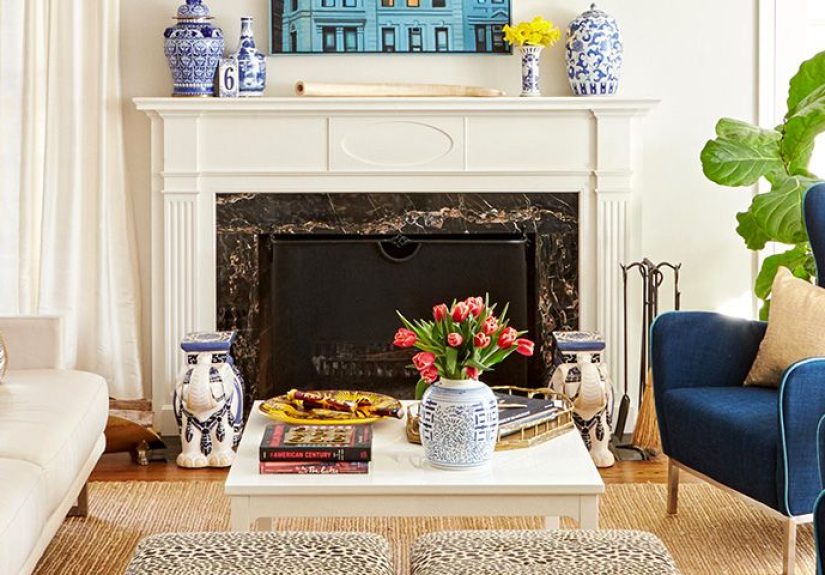
If you have a fireplace, let it be the focal point. Frame it with built-ins, sconces, or matching decor on either side for symmetry. If you don’t have a fireplace, no worriescreate a focal point with a large piece of art, a mirror, or a gallery wall in classic frames.
Traditional Dining Room Ideas
Traditional dining rooms love structure. Start with a solid wood table, then add upholstered dining chairs or slipcovered seats for comfort. A chandelier is practically the official mascot of traditional dining rooms.
Classic move: add wainscoting, then paint it a slightly different tone than the walls for depth. If you want instant “heritage home” energy, try a patterned wallpaper above the chair railfloral, stripe, or a subtle damask.
Traditional Bedroom Ideas
The traditional bedroom is calm and layeredlike a boutique hotel that also gives great hugs. Choose a headboard with presence (upholstered, wood, or iron), then build a bedding mix that looks intentional but not fussy.
- Use crisp sheets as a base.
- Add a quilt or duvet in a classic pattern or solid.
- Finish with layered pillows (different sizes and textures).
- Ground it with a rug under the bed.
Nightstands should be proportional and ideally a matched pair. Add matching lamps, then personalize with books, a small tray, or framed photos. Traditional doesn’t mean sterileit means curated.
Traditional Kitchen Ideas
Traditional kitchens lean on classic, recognizable elements: shaker-style cabinets, warm wood tones, stone countertops, and timeless backsplashes (subway tile, marble, or a subtle patterned tile that won’t feel dated in five minutes).
Want an easy traditional upgrade? Swap modern hardware for classic knobs and pulls in polished nickel, brass, or oil-rubbed bronze. Add a bridge faucet, a vintage-inspired pendant light, or a runner rug for warmth.
Traditional Bathroom Ideas
Traditional bathrooms are often “quiet luxury” spaces: classic tile, refined finishes, and thoughtful lighting. Add beadboard or wainscoting for instant charm, and choose mirror shapes that feel classic (arched, oval, or rectangular with a substantial frame).
Even a small powder room can go full traditional “jewel box” with a rich paint color, a statement mirror, and a classic sconce. Traditional style loves a little dramajust not the kind that involves your plumbing.
Entryway and Hallway Ideas
Traditional homes often have strong entry moments. Create one with a console table, a lamp, and a mirror. Add a small bowl or tray for keys, and consider a runner rug to bring color and pattern into transitional spaces.
Bonus traditional touch: a classic umbrella stand, framed art in a consistent style, or wall paneling that makes a hallway feel less like a passage and more like part of the home.
How to Keep Traditional Style From Feeling Stuffy (Because We’re Not Trying to Live in a Wax Museum)
The easiest way to modernize traditional decorating is to keep the bones classic but make the styling feel fresh.
Five “Not Stuffy” Traditional Moves
- Edit your accessories: traditional rooms don’t need clutter to feel layered.
- Use modern art: a contemporary painting over a traditional mantel is a great contrast.
- Choose comfortable upholstery: slipcovers, linen blends, and performance fabrics keep it livable.
- Mix eras: pair a traditional rug with a cleaner-lined sofa for a transitional feel.
- Let the room breathe: negative space is not the enemy; it’s the reason the room feels calm.
Traditional design loves order, but it doesn’t require you to be allergic to personality. Add one or two standout piecesa bold lamp, a colorful artwork, or a vintage find that has a story. The best traditional homes feel collected, not copy-pasted.
Traditional Decorating on a Budget: Classic Doesn’t Have to Mean Costly
You can absolutely create traditional decorating and design ideas without spending like you’re furnishing a small castle.
Budget-Friendly Traditional Upgrades
- Paint: the least expensive way to add sophistication and depth.
- Swap lighting: one chandelier or a pair of classic lamps can transform a room.
- Add molding strategically: a simple chair rail or picture frame molding can fake custom architecture.
- Thrift and antique: traditional style welcomes older piecesespecially wood furniture and framed art.
- Upgrade textiles: curtains, a rug, and a few pillows can shift the entire mood of a room.
Also: don’t underestimate how “traditional” a space can feel when you simply improve proportions. Longer curtains. Bigger art. Lamps that aren’t the size of a soda can. Traditional style is often about scale and balance more than price tags.
Common Mistakes to Avoid (So Traditional Looks Timeless, Not Tired)
- Matching everything: traditional style is coordinated, not identical. Let it look collected.
- Too many tiny decor items: a few substantial pieces look more classic than lots of small knickknacks.
- Ignoring lighting: traditional rooms need layered lightingoverhead, table lamps, and sconces when possible.
- Overdoing heavy fabrics: balance velvet or brocade with lighter linens or cottons so the room doesn’t feel weighed down.
- Forgetting function: the most beautiful traditional room still needs to work for real life.
Experiences: What It’s Like to Actually Create a Traditional Home (The Real-World Version)
Traditional style looks effortless in photos, but in real life it’s a processmore like a slow-cooked stew than instant noodles. People who build a traditional home often start with one “anchor decision” and let the rest unfold. For example, someone chooses a classic Persian-style rug first, then realizes the sofa should be a calmer solid so the room doesn’t look like a pattern wrestling match. Another person falls in love with a vintage dining table, and suddenly the whole house is being judged on whether it’s “worthy” of that table. (The table usually wins.)
A very common experience is discovering that traditional is as much about proportion as it is about style. Homeowners often try to “traditional-ize” a room by adding more decormore frames, more accessories, more everythingonly to find the space looks busy instead of classic. The turning point is usually when they swap five small items for one larger one: a substantial mirror instead of tiny wall art, full-length curtains instead of short panels, or a larger lamp that actually makes the room glow instead of spotlighting one corner like an interrogation.
Another real-life moment: pattern confidence. Traditional design loves layered textiles, but mixing patterns can feel intimidating at first. Many people start cautiouslymaybe a striped pillow and a floral pillow, then a subtle plaid throwand they learn quickly that the magic isn’t “matching,” it’s balancing scale. Once they see that a large floral rug can coexist with a small ticking stripe and a medium check, it becomes less scary and more fun. It’s like learning how to season food: you start with salt and pepper, and one day you’re adding smoked paprika like you own the place.
There’s also the “vintage hunt” phase, which is basically a hobby disguised as home improvement. Traditional homes often feel best when at least a few pieces have historyan antique mirror, a classic chest, or even a simple wooden chair with great lines. People who lean into traditional style often find themselves browsing estate sales, antique malls, and thrift stores with a new superpower: spotting quality. They learn what real wood looks like, how sturdy joints feel, and why some furniture has survived 80 years while other pieces struggle to survive one move.
And then comes the big emotional plot twist: traditional style is incredibly forgiving. Unlike ultra-minimalist rooms where one stray cable can ruin the vibe, traditional rooms can handle real life. A slightly rumpled throw blanket? Cozy. A stack of books? Character. A well-used coffee table? Patina, darling. Many people find traditional design makes their home feel more “theirs” because it welcomes meaningful objectsfamily photos, travel finds, inherited pieceswithout looking cluttered, as long as the room stays edited and balanced.
Finally, one of the most satisfying experiences of traditional decorating is realizing you don’t have to finish everything at once. Traditional style thrives when it’s built gradually. You can start with a few classic upgradesbetter lighting, longer curtains, a timeless rugand let the home evolve. Over time, the space stops feeling “decorated” and starts feeling established. Like it’s been loved for years, even if you just figured out what wainscoting is last Tuesday.
Conclusion
Traditional decorating and design ideas aren’t about living in the pastthey’re about building a home that feels balanced, welcoming, and timeless. Focus on the bones (trim, paneling, proportion), choose harmonious colors with depth, lean into classic furniture layouts, and layer textiles with confidence. Keep it from feeling stuffy by editing accessories, mixing eras, and choosing comfort-first finishes. Do that, and you’ll end up with a space that feels polished and livablethe holy grail of home design.






 Close
Close