
Table of Contents >> Show >> Hide
- What Twitter Actually Announced
- Why Ticketed Spaces Made Strategic Sense
- How Ticketed Spaces Was Supposed to Work
- Who Could Benefit Most From Paid Spaces?
- What Made Ticketed Spaces Interesting
- The Challenges Hiding Behind the Feature
- Why the Announcement Mattered Beyond Twitter
- Final Thoughts
- Experience Section: What Paid Ticketed Spaces Felt Like in Practice
- SEO Tags
Twitter has always been great at one thing: turning casual opinions into public events. A joke becomes a debate, a debate becomes a thread, and a thread somehow becomes the entire internet arguing before lunch. So when Twitter announced it was testing Paid Ticketed Spaces, the move felt both surprising and completely obvious. Of course the platform that thrives on real-time conversation would eventually ask, “What if some of those conversations came with an admission fee?”
At the time, social audio was having a major moment. Clubhouse had kicked open the door, creators were hunting for new income streams, and every platform with a login page seemed determined to become the future of media. Twitter saw the opportunity and leaned into it with Spaces, its live audio feature. Then it added a more ambitious twist: letting certain hosts charge for access to exclusive live conversations. Suddenly, a Space was not just a public hangout. It could also be an event, a product, and a tiny business model wrapped in one purple bubble.
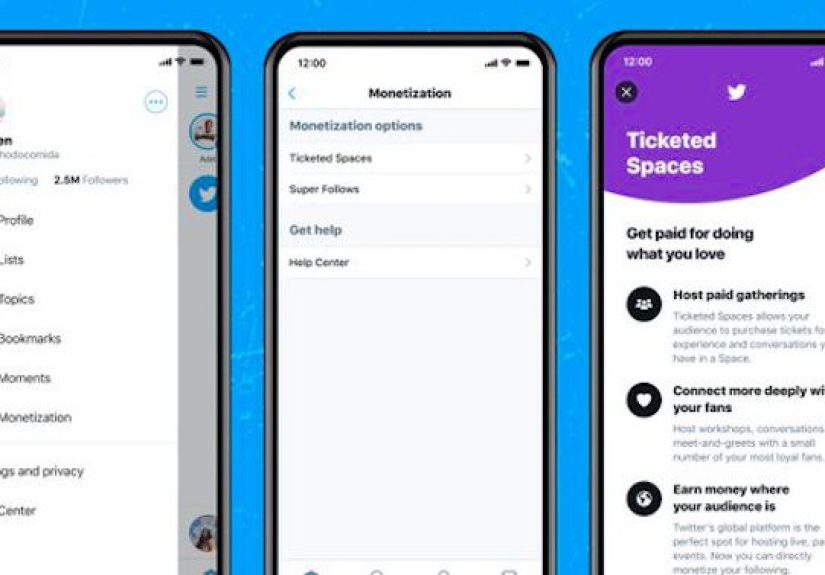
On the surface, Ticketed Spaces sounded simple. Hosts could create a live audio room, set a ticket price, limit the number of seats, and invite people to pay for entry. But underneath that simple concept sat a bigger strategy. Twitter was not merely experimenting with premium audio. It was experimenting with the creator economy, platform loyalty, and the idea that conversation itself could be monetized without losing its energy. That is a bold idea. It is also a risky one, because the internet loves free things almost as much as it loves complaining.
What Twitter Actually Announced
When Twitter expanded Spaces more broadly, it also previewed Ticketed Spaces as an upcoming feature. The company said hosts would be able to set ticket prices and decide how many tickets were available, while keeping most of the revenue. The test was initially framed as limited, with only a small group of users gaining access in the early phase. In plain English, Twitter was saying: “We think people might pay for live audio if the host is interesting enough.”
That mattered because it shifted Spaces from a simple engagement tool into a monetization product. A public Space is useful for reach. A paid Space is useful for revenue. That difference changes the behavior of both hosts and listeners. Once money enters the chat, expectations get sharper. The host has to be more organized, more compelling, and more reliable. The audience expects something worth paying for. The vibe changes from “let’s hang out” to “show me why this matters.”
Twitter later added more practical details as testing moved forward. Eligible users could apply through the app, ticket prices could range from low impulse-buy amounts to eye-popping premium levels, and attendance could be capped to create exclusivity. That last part was especially important. Ticketed Spaces was never just about charging money. It was about turning access into value.
Why Ticketed Spaces Made Strategic Sense
Twitter wanted a bigger role in the creator economy
For years, Twitter was the place where creators built audiences but not always the place where they made money. Writers used Twitter to find newsletter subscribers. Comedians used it to promote shows. Journalists used it to build authority. Musicians used it to tease releases. In other words, Twitter often acted like the world’s loudest waiting room for business happening somewhere else.
Ticketed Spaces was part of a broader effort to change that. Instead of merely helping creators attract attention, Twitter wanted to help them monetize that attention inside the platform. If a sports analyst could charge for a live post-game breakdown, or a finance commentator could host a premium market recap, Twitter would no longer be just the promotion channel. It would be part of the sale itself.
It gave Twitter a sharper answer to Clubhouse
Social audio was crowded with hype, but hype alone does not pay creators. Twitter had one clear advantage over Clubhouse: an existing social graph. People already had followers, communities, and recognizable identities on Twitter. That meant a host did not need to rebuild an audience from scratch. Ticketed Spaces added a second advantage by offering a direct path to revenue.
That combination was powerful. Instead of saying, “Come try our audio product,” Twitter could say, “Come host live events for the people who already know you, and maybe make money doing it.” That is a much stronger pitch.
It fit the platform’s real-time culture
Twitter has always been strongest when something is happening right now. Elections, breaking news, game nights, award shows, and cultural meltdowns all play well on the platform because Twitter thrives on immediacy. Live audio fits that rhythm perfectly. Add tickets, and you get a format that feels part podcast, part panel, part backstage pass.
A paid Space could feel more intimate than a livestream and more urgent than a newsletter. You had to show up. You had to be there while it happened. That urgency is valuable, especially for creators whose audiences want access more than polish.
How Ticketed Spaces Was Supposed to Work
The concept behind Ticketed Spaces was refreshingly direct. A host could schedule an audio event, set a price, cap attendance, and promote it across Twitter. Listeners could buy a ticket, receive reminders, and join at the scheduled time. That structure borrowed a little from webinars, a little from fan clubs, and a little from virtual events that exploded during the pandemic era.
Twitter also used eligibility requirements to keep the early test focused on users with an established audience and some hosting experience. That made sense. The company was not looking for random accounts to charge strangers five bucks for chaotic mumbling. It wanted users who had already hosted Spaces, built a following, and could reasonably attract paying listeners.
That screening process served two purposes. First, it protected the user experience during the test. Second, it quietly revealed Twitter’s bigger philosophy: monetization should come after traction. In other words, prove you can hold a room, then maybe you can sell one.
As more details emerged, the economics became clearer too. Hosts could experiment with different pricing tiers, from affordable group sessions to much more exclusive premium events. Twitter’s own share of revenue evolved as the feature moved from preview to rollout, which reflected a familiar platform reality: creator-friendly language sounds best during launch season, but fee structures become more concrete when products move into the real world.
Who Could Benefit Most From Paid Spaces?
Journalists and analysts
Twitter is full of people whose value lies in interpretation. They do not just report what happened. They explain why it matters. Ticketed Spaces could work well for journalists, legal analysts, market experts, and political commentators who wanted to host premium Q&As after major events. A free tweet gets attention. A paid live discussion can turn expertise into income.
Writers and educators
Authors, teachers, coaches, and niche educators also fit the model. A writing coach could host a live workshop on pitching editors. A language teacher could hold a pronunciation clinic. A personal finance educator could run a beginner-friendly budgeting session. These are not celebrity-only use cases. They are practical, skill-based examples where audiences may happily pay for access if the content is specific and useful.
Entertainers and community builders
Musicians, podcasters, comedians, and fan-community organizers might benefit the most because they sell not just information, but atmosphere. A paid Space with a musician could include a listening party, a behind-the-scenes conversation, or a fan Q&A. A comedian could test material in a smaller room. A fandom host could run a premium reaction room after a season finale. The magic here is not production value. It is proximity.
What Made Ticketed Spaces Interesting
The smartest part of Ticketed Spaces was not the paywall. It was the idea that conversation itself could be the product. That sounds obvious now, but it was a meaningful shift. Social media platforms traditionally rewarded content that could be scrolled, liked, clipped, or shared later. Paid Spaces rewarded presence. You were paying to be there, in the room, hearing the thing unfold live.
That creates a very different emotional texture from other creator products. A subscription says, “You can access my premium content whenever.” A ticket says, “This event happens at a specific time, and you do not want to miss it.” Scarcity, timing, and intimacy all work together.
Twitter also understood that people pay for three things online: expertise, access, and belonging. Ticketed Spaces could offer all three at once. Expertise from the host. Access to a more focused event. Belonging through a room filled with people who cared enough to buy in. That is a surprisingly strong formula when it works.
The Challenges Hiding Behind the Feature
Free culture is hard to break
The biggest obstacle was obvious: Twitter trained users to expect conversation for free. That does not mean paid conversation cannot work, but it does mean the host has to overcome real hesitation. People will pay for exclusive access, but not for a slightly nicer version of something they already get in public.
That creates pressure on hosts to make the experience feel distinct. A successful Ticketed Space needs a strong promise. Maybe it is deeper analysis, direct audience participation, guest access, or a more carefully curated room. Without that difference, the ticket feels less like a pass and more like a toll booth.
Discovery is easier for free events
Free Spaces are frictionless. Tap and join. Paid Spaces introduce a decision point: Is this worth it? That question slows growth. It also makes promotion more important. Hosts need a clear topic, a good title, a compelling reason to attend, and enough trust built with their audience beforehand.
In other words, Ticketed Spaces did not erase the usual creator challenge. It intensified it. You still had to market the event. You just had more at stake.
Live audio depends heavily on host quality
Live audio can be electric, but it can also be one person clearing their throat for forty-five seconds while everyone wonders if their headphones are broken. Paid audio raises the bar. The host needs structure, pacing, moderation, and a sense of showmanship. Not everyone who can post well can host well. Twitter was effectively betting that enough users could make that leap.
Why the Announcement Mattered Beyond Twitter
Even if you never planned to buy a ticket to hear strangers talk online, the Ticketed Spaces announcement mattered because it reflected a broader shift in the social web. Platforms were moving away from a one-size-fits-all model built entirely on ads and toward mixed systems that included subscriptions, tips, ticketing, and exclusive communities.
Twitter’s test showed that social platforms were no longer satisfied with just owning attention. They wanted to own creator income streams too. That is a huge strategic difference. It changes product design, eligibility rules, moderation questions, and even how creators think about their audience relationships.
It also hinted at a future where social platforms function more like digital venues. A post is the flyer. The profile is the lobby. The Space is the live room. The ticket is the conversion. Once you see it that way, Ticketed Spaces feels less like a quirky experiment and more like an early draft of a larger playbook.
Final Thoughts
Twitter announcing testing for Paid Ticketed Spaces was about more than audio. It was about whether social conversation could become a premium experience without losing what made it social in the first place. The answer was never going to depend on the feature alone. It depended on hosts, audiences, timing, and trust.
Still, the idea was smart. It matched Twitter’s strength in live conversation, gave creators a reason to stay inside the platform, and offered listeners a new kind of access that sat somewhere between a podcast and a private event. Not every creator needed it. Not every audience wanted it. But as a strategic move, it made perfect sense.
Twitter had spent years being the place where buzz was born and money was made elsewhere. Ticketed Spaces was one of its clearest attempts to close that gap. Whether you saw it as innovative, overdue, or a tiny velvet rope wrapped around the timeline, one thing was clear: Twitter no longer wanted to just host the conversation. It wanted a seat at the box office too.
Experience Section: What Paid Ticketed Spaces Felt Like in Practice
From a user experience perspective, the idea behind Ticketed Spaces was actually pretty compelling. Imagine following someone on Twitter for months because their posts are sharp, funny, and consistently useful. Maybe it is a tech journalist who makes breaking news easier to understand, a fantasy football expert with suspiciously accurate advice, or a musician who somehow tweets like they already know your group chat. When that person announces a paid Space, the pitch is not really “come listen to audio.” The pitch is “come spend an hour closer to the thing you already like.” That is a very different emotional sell.
For hosts, the experience probably felt equal parts exciting and terrifying. Free Spaces are forgiving. If the room is awkward, people leave and life goes on. A paid Space is different. The second money changes hands, the host starts thinking like a producer. Is the title strong enough? Is the topic worth charging for? Should there be a guest speaker? How long should it run? Do I start with prepared talking points, or do I open with audience questions? Suddenly, a Twitter feature starts to feel like event planning with a microphone.
For listeners, paid entry likely changed behavior too. People who bought tickets were more invested. They were not drifting in because they were bored in line for coffee. They were showing up on purpose. That usually leads to better rooms: fewer random interruptions, stronger audience intent, and a more focused sense of community. In theory, that makes the conversation smarter and the experience more satisfying.
At the same time, Ticketed Spaces probably made people more selective. Most users are not going to pay for casual chatter, no matter how charming the host thinks they are. The strongest experiences would come from events with a clear promise: a post-game reaction show, a market open recap, a niche writing workshop, an intimate fan Q&A, or a behind-the-scenes industry conversation. The paid model rewarded clarity. If the event could not answer “Why should I buy a ticket?” in one sentence, it was already in trouble.
There is also an emotional side to the experience that is easy to miss. Paid Spaces created a different feeling from public posting. Public tweets are broad and performative; they are built for the timeline. A ticketed room can feel narrower, calmer, and more intentional. That intimacy may be exactly what some creators wanted. Instead of shouting into the feed, they could speak directly to a smaller group that genuinely wanted to be there. For many creators, that is not just more profitable. It is more enjoyable.
Of course, there was still a practical question hanging over everything: could Twitter users get comfortable paying for live conversations on a platform famous for fast, free takes? That tension made the experiment fascinating. Ticketed Spaces was not merely testing a feature. It was testing a habit. And as every internet product manager eventually learns, changing habits is a lot harder than launching buttons.






 Close
Close