
Table of Contents >> Show >> Hide
- Why Fall Is Prime Time for a Fairy Garden Glow-Up
- The 10-Minute Audit: Keep, Retire, Rescue
- Start at the Bottom: Drainage, Soil, and Tiny Topography
- Fall Plant Palette: Tiny-but-Mighty Choices
- Decorating for Fall Without Making It Look Like a Craft Store Sneezed
- Layout Rules That Make It Look Professional (Even If You’re Not)
- Keeping It Cute Through Autumn: Simple Maintenance
- Winter Prep: Decide What You Want to Save
- Quick Fall Swap Ideas (When You Want Results Fast)
- Wrap-Up: A Tiny Garden That Feels Like Fall
- Hands-On Notes From a Fall Fairy Garden Refresh (Real-World, Not Perfect-World)
- SEO Tags
Somewhere between “summer is ending” and “why is it dark at 6 p.m.,” your fairy garden starts looking a little… tired. The moss is crunchy, the tiny chair is doing a dramatic lean, and the once-cute pebble path now resembles a gravel driveway. Good news: fall is the easiest (and honestly the most flattering) season to refresh a miniature garden. Autumn brings bold color, cooler temps, and unlimited “found in the yard” decorating materialaka the fairy world’s version of a free home makeover show.
This guide walks you through an updated fairy garden refresh that looks intentionally fall-themed, stays healthy longer than a single weekend, and doesn’t require you to buy a cart full of tiny accessories you’ll find in a drawer next spring like “Why do I own a 1-inch wheelbarrow?”
Why Fall Is Prime Time for a Fairy Garden Glow-Up
Fall refreshes work because the weather does half the work for you. Cooler temperatures reduce stress on plants, slow down evaporation, and make seasonal color (mums, asters, violas, ornamental kale) look instantly festive. Plus, your decorating materials are literally falling from the sky: leaves, twigs, seed pods, pineconesnature is basically tossing confetti for your tiny neighborhood.
The 10-Minute Audit: Keep, Retire, Rescue
Before you add anything new, do a quick reset. Think of it as decluttering, but for beings who allegedly live under acorns.
- Keep: structures that still look solid (houses, bridges), hardscape that’s working (stone paths), and healthy plants.
- Retire: faded faux flowers, warped paper items, or anything that’s started to look like “tiny haunted ruins” (unless that’s your theme).
- Rescue: salvageable items that just need a rinse, repaint, or reposition for better scale.
Start at the Bottom: Drainage, Soil, and Tiny Topography
The #1 reason fairy gardens flop isn’t imaginationit’s soggy roots. A container (or a tucked-in garden corner) needs a plan for water to move through. If you’re working in a pot, make sure it has drainage holes and use a quality potting mix rather than digging soil from the yard. That keeps the soil lighter and less likely to compact into a tiny brick after a few rainstorms.
Mini-Upgrade: Create “Landscape” with Simple Layers
A flat fairy garden can look like a diorama. A slightly hilly fairy garden looks like a world. Use soil to build gentle rises, then anchor slopes with small stones or bits of bark. Add a “path” using pea gravel, aquarium gravel, fine bark, or sand. Keep walkways narrowwide paths can make the scene feel out of scale fast.
Planting Tip That Saves Plants (and Your Mood)
When you add new plants, loosen circling roots gently and plant so the root ball sits at the right depth (not buried too deep). Water thoroughly once you’re done, then let excess drain completely. In fall, plants often need less frequent watering, but containers should never dry out into dust if you want them to keep looking lush.
Fall Plant Palette: Tiny-but-Mighty Choices
A successful fall fairy garden uses plants that are either naturally compact, easy to clip, or visually “mini” because of leaf size and texture. You want varietydifferent shapes, colors, and heightswithout turning your fairy house into a jungle.
1) Fall Flowers That Read “Autumn” Instantly
- Mums: The classic. Use them as your main burst of color, but plan realisticallyblooming mums in fall may not overwinter in many regions.
- Asters: Daisy-like flowers that feel like fall without screaming “pumpkin spice.”
- Pansies and violas: Cool-weather champs that keep going when summer annuals tap out.
- Dianthus or rudbeckia: Great for adding texture and warm tones.
2) Foliage That Looks Better When It’s Chilly
If fall had a signature look, it would be colorful foliage plus a little drama.
- Ornamental kale/cabbage: Bold rosettes that handle cold well and look like tiny floral sculptures.
- Heuchera (coral bells): Colorful leaves in purples, ambers, and greensperfect for miniature “woodland” vibes.
- Small grasses: Add movement and height without crowding, especially near the back of the container.
- Ornamental peppers: Pops of color that look like fairy lanterns if you squint charmingly.
3) Mini Groundcovers for a “Real Garden” Look
Groundcover is the secret sauce. It makes everything feel established, like your fairies didn’t move in yesterday.
- Creeping thyme / elfin thyme: Tiny leaves, easy to trim, and it smells great when brushed.
- Irish moss (or similar mossy textures): Softens edges and looks like a storybook lawn.
- Sedum: Hardy, sculptural, and often forgiving if you forget a watering.
- Baby tears or small-leaf groundcovers: Great for sheltered spots or terrarium-style setups.
4) Small Evergreens for Instant Structure
A tiny conifer or compact evergreen makes the whole scene look intentional, even if you decorated in fifteen minutes while reheating leftovers. Place one “tree” near the back corner to create depth and a sense of scale.
Decorating for Fall Without Making It Look Like a Craft Store Sneezed
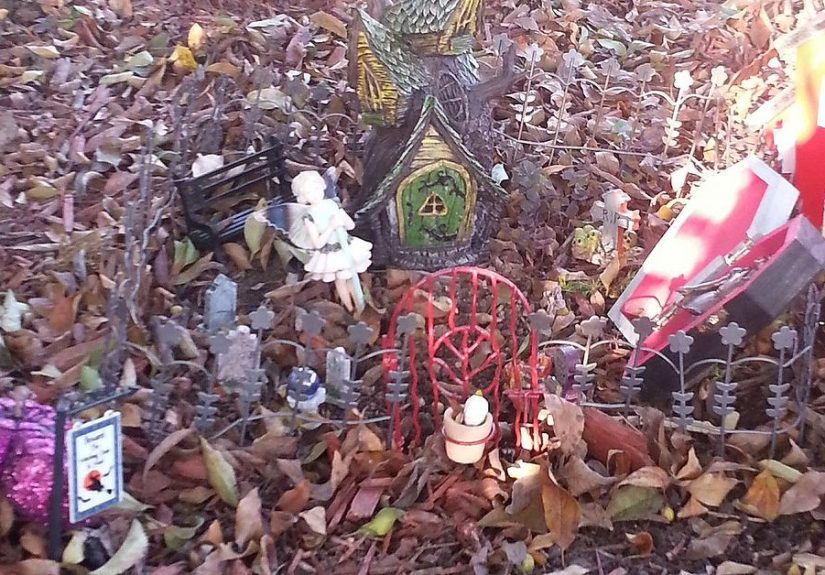
The best fall fairy garden decor follows one rule: scale first, cuteness second. (Yes, it hurts to say that. Yes, it’s true.) Think “miniature landscape” with seasonal accentsnot “tiny porch exploded.”
Mini Pumpkins and Gourds: The PSL of Fairy Gardens
Small pumpkins are an instant fall signal, but keep them believable. Use:
- mini pumpkins (real or faux),
- tiny pinecones as “gourds,”
- acorn caps as bowls or planters,
- small seed pods as rustic decor.
Arrange them in clusters of three near an entry path, a “market stand,” or a little porch. One pumpkin looks random. Three looks styled.
Leaf Litter That Looks Like a Forest Floor (Not a Mess)
Collect a handful of the smallest, prettiest leaves you can findespecially tiny maple leaves or delicate shapes. Let them dry, then scatter lightly around edges, under “trees,” and near the back. Keep paths mostly clear, like the fairies have a tiny rake and strong opinions.
Twigs, Bark, and Pebbles: Free Materials That Always Win
- Twig fencing: line up short twigs and tie with thin twine for rustic borders.
- Bark “mulch”: creates natural texture and helps soil stay evenly moist.
- Pebble steps: use flat stones as stepping paths to guide the eye through the scene.
Soft Lighting for Early Sunsets
If your fairy garden is on a porch or patio, micro string lights can turn it into a nighttime centerpiece. Keep lighting subtleone strand tucked behind a house or woven around a tiny “tree” looks magical. A bright spotlight makes it look like your fairies are being interrogated.
Layout Rules That Make It Look Professional (Even If You’re Not)
You don’t need a landscape architecture degree. You need three simple design habits:
1) Use “Thriller, Filler, Spiller” (Yes, Even in Miniature)
This container design approach works at full size and fairy size:
- Thriller: one taller focal point (small grass, mini evergreen, upright foliage).
- Filler: mid-height plants that add bulk (mums, asters, ornamental kale).
- Spiller: trailing edges that soften the container (ivy, creeping groundcovers, small trailing plants).
2) Create a “Front Door Moment”
Pick one spot as the main scene: a front porch, a tiny gate, a bench under a “tree.” Everything else supports that focal point. This prevents the classic fairy garden problem: too many cute things competing for attention until nothing looks special.
3) Match Accessory Size to Container Size
If your container is small, choose smaller-scale accessories so the scene doesn’t feel crowded. In general, tiny pots look best with quarter-scale accessories, mid-size containers do well with half-scale pieces, and larger planters can handle bigger items without breaking the illusion.
Keeping It Cute Through Autumn: Simple Maintenance
Fall is kinder to plants, but containers still have a few predictable drama moments.
- Water smarter: water less often than summer, but don’t let the root zone dry out completely.
- Deadhead blooms: remove spent flowers so the display stays fresh and tidy.
- Rotate the container: if it only gets sun from one side, rotate weekly for even growth.
- Anchor decor: wind happens. Use heavier items (stones, wood) where possible so the scene doesn’t rearrange itself overnight.
Winter Prep: Decide What You Want to Save
Your end-of-fall plan depends on what’s living in the garden.
- If it’s mostly annuals: enjoy them, then compost and clean up when they fade.
- If you used perennials or small shrubs: consider transplanting them into the ground (if appropriate for your zone) or sheltering the container.
- If the container stays outside: add a light mulch layer (shredded leaves work well) and move it to a protected spot near a wall or out of harsh wind.
Quick Fall Swap Ideas (When You Want Results Fast)
- Replace summer flowers with one mum, one ornamental kale, and trailing ivy.
- Top-dress with fine bark and scatter a few tiny leaves along the edges.
- Add a mini pumpkin “porch pile” next to the fairy house.
- Create a simple pebble path that curves (curves look more natural than straight lines).
- Switch bright summer props for wood, metal, and neutral “rustic” textures.
Wrap-Up: A Tiny Garden That Feels Like Fall
A fall fairy garden refresh isn’t about buying more stuffit’s about editing. Strong structure, healthy plants, and a few seasonal accents can turn a tired summer setup into a cozy autumn scene that looks charming in daylight and downright magical at dusk. Give your fairies a fresh path, a pumpkin or two, and some crisp foliageand let fall do the rest.
Hands-On Notes From a Fall Fairy Garden Refresh (Real-World, Not Perfect-World)
If you’ve ever refreshed a fairy garden and thought, “Why does this look amazing for 48 hours and then slowly turn into a tiny swamp?” you’re not alone. In real life, the most successful fall updates come from a few small habits that feel almost too simple to matteruntil you see the difference. First: resist the urge to overplant. Fall displays look best when each plant has breathing room and you can still see your “hardscape” (paths, stones, fences). When you pack the container, everything looks full on day one, then two weeks later it looks like a crowded subway carflattened, tangled, and slightly resentful. Leave open soil in a few spots on purpose. It gives you room to tuck in leaf litter, shift decor, and keep the scene readable from a distance.
Second: your miniature “story” matters more than the number of accessories. One well-placed porch scenetiny bench, a “welcome” stepping stone, a couple mini pumpkins beats five separate scenes fighting for attention. If you want it to feel finished, set up one focal moment and then make the rest of the garden lead toward it. A curved path helps. So does a small “tree” or upright plant in the back corner to create depth. You’re basically doing stage design, just at squirrel scale.
Third: fall weather is unpredictable, so build as if wind and rain are coming (because they are). Lightweight items that seem fine in calm weather will teleport the first breezy night. A simple trick is to “weight” areas you care about: add a few heavier stones near the base of tiny fences, choose real pebbles instead of foam filler for paths, and place decor in little pockets of soil so it sits slightly below grade rather than perched on top. If your garden lives on a porch, put the most delicate pieces closer to the container’s center where they’re sheltered.
Fourth: the best fall look often comes from foliage, not flowers. Flowers are the fireworksfun, loud, and short-lived. Foliage is the cozy sweater you actually wear all season. Ornamental kale/cabbage and colorful leaves (like heuchera varieties) hold the autumn vibe longer, and they photograph beautifully even when the temperatures start dropping. If you use mums, treat them like a seasonal highlight, not the foundation. They’re perfect for a splash of color, but they’re not always the “long-haul” player people want them to beespecially if they’re planted late and blooming hard.
Fifth: watering in fall is sneaky. You don’t see the soil drying as fast, but containers can still dry outespecially under eaves where rain can’t reach. A quick finger test (down an inch or two) beats guessing. Water deeply when needed, then let it drain. Consistent moisture makes a fairy garden look lush; inconsistent moisture makes it look like it’s acting out a tiny historical drought reenactment. And if you’re refreshing an older container, don’t be surprised if the soil level has sunk over time. Topping off with fresh potting mix (and then re-setting paths and stones) can make the whole display look instantly “new,” even before you add any decor.
Finally: keep a small “seasonal swap” stash. Not an entire closet. Just a bag with mini pumpkins, a few pinecones, some tiny lanterns, and a couple neutral props that work every fall. That way, next year’s update takes minutes, not an entire Saturday plus a surprise online order. The magic of a fall fairy garden is that it’s playfulbut the reason it looks good is surprisingly practical: good drainage, smart spacing, and a simple design story that doesn’t try to do everything at once.







 Close
Close