
Table of Contents >> Show >> Hide
- Why You’ll Love This Vegan Sun-Dried Tomato Risotto
- Key Ingredients and Why They Matter
- Vegan Risotto With Sun-Dried Tomatoes Recipe
- Nutrition Snapshot (And Why This Risotto Works in a Vegan Diet)
- Helpful Tips for Perfect Vegan Risotto Every Time
- Variations You Can Try
- Storing and Reheating Leftover Vegan Risotto
- Real-Life Experiences With Vegan Sun-Dried Tomato Risotto (Extra Tips & Stories)
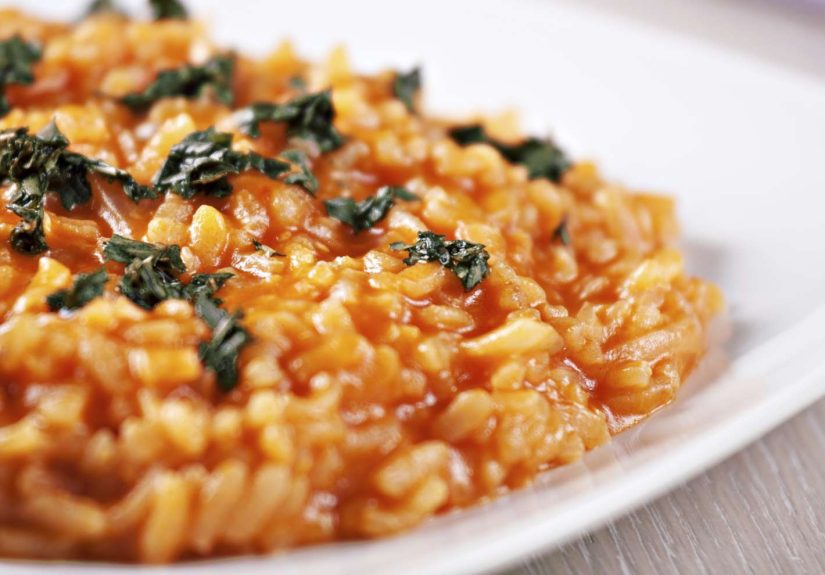
If you think “vegan” and “creamy Italian comfort food” can’t exist in the same bowl, this vegan risotto with sun-dried tomatoes is here to prove you delightfully wrong.
We skip the butter and cheese, lean on the natural starch of arborio rice, plus good olive oil and a few plant-based tricks, to get that signature silky, spoon-coating textureno dairy, no compromise.
Sun-dried tomatoes bring deep, concentrated tomato flavor, chewy little bursts of umami, and gorgeous ruby flecks through every scoop. Paired with garlic, basil, and a splash of white wine, you get a restaurant-level dish that just happens to be completely plant-based and naturally gluten-free.
Whether you’re cooking for a vegan friend, planning a meatless Monday, or just want something cozy in a bowl, this risotto is simple enough for a weeknight but elegant enough for date nightespecially if you serve it with a glass of the same wine you cook it with (chef’s privilege).
Why You’ll Love This Vegan Sun-Dried Tomato Risotto
- Creamy without cream: Arborio rice naturally releases starch as it cooks with warm broth, making the risotto rich and velvety without butter or cheese.
- Big flavor, simple ingredients: A short listonion, garlic, olive oil, sun-dried tomatoes, broth, and herbsdelivers a surprisingly complex flavor profile.
- Naturally vegan and gluten-free: When made with vegetable broth, this dish fits a wide range of dietary needs without feeling like a “compromise meal.”
- Customizable: Stir in baby spinach, peas, roasted veggies, or chickpeas to change the vibe without changing the base recipe.
- Meal-prep friendly (with caveats): Risotto is best fresh, but it reheats surprisingly well with a splash of broth or water. More on that later.
Key Ingredients and Why They Matter
Arborio Rice (or Another Risotto Rice)
Classic risotto uses short-grain varieties like arborio, carnaroli, or vialone nano. Their high starch content is what creates the classic creaminess as you stir and slowly add warm broth. Long-grain rice won’t give you that same luscious texture, so this is one place where substitutions are not your friend.
Sun-Dried Tomatoes
Sun-dried tomatoes pack all the sweetness and tang of ripe tomatoes into tiny, intense bites. The versions sold in oil are especially good here: you’ll drain them, but a little clinging oil adds bonus flavor. They bring umami depth similar to parmesan or bacon in traditional risottowithout any animal products.
Vegetable Broth
Warm vegetable broth is your risotto’s best friend. Keeping the broth hot (not boiling) ensures the rice cooks evenly and helps coax out more starch each time you add a ladleful. A richer, low-sodium vegetable stock is ideal so you can control the salt level as you go.
Olive Oil and Vegan “Cheesy” Boosters
Instead of butter and parmesan, we use good extra-virgin olive oil plus nutritional yeast and a small amount of vegan butter or cashew cream (optional) for extra silkiness. Many popular vegan risotto recipes use these tricks to mimic the savory, nutty notes of cheese while keeping saturated fat relatively low.
Fresh Herbs and Aromatics
Onion and garlic form the flavor base, while fresh basil (and optionally parsley) brightens the whole dish at the end. Tomato + basil is a classic Italian pairing for good reasonit keeps the risotto from feeling heavy and adds a fresh, green note.
Vegan Risotto With Sun-Dried Tomatoes Recipe
Servings, Time & Skill Level
- Serves: 4 as a main dish
- Prep time: 15 minutes
- Cook time: 30–35 minutes
- Skill level: Easy–intermediate (mostly patience and stirring)
Ingredients
- 3 tablespoons extra-virgin olive oil, divided
- 1 medium yellow onion, finely diced
- 3 cloves garlic, minced
- 1 cup arborio rice (or other risotto rice)
- 1/4 cup dry white wine (optional but recommended)
- 4–5 cups hot vegetable broth, kept warm in a separate pot
- 1/2 cup sun-dried tomatoes in oil, drained and thinly sliced
- 1–2 cups loosely packed baby spinach or chopped kale (optional)
- 2–3 tablespoons nutritional yeast (to taste)
- 1–2 tablespoons vegan butter or 2 tablespoons cashew cream (optional, for extra creaminess)
- 1/4 cup chopped fresh basil leaves, plus extra for garnish
- 2 tablespoons chopped fresh parsley (optional)
- 1 teaspoon sea salt, plus more to taste
- Freshly ground black pepper, to taste
- Lemon wedges, for serving (optional, but a squeeze of acid at the end wakes up all the flavors)
Step-by-Step Instructions
-
Warm the broth.
In a medium saucepan, bring the vegetable broth to a gentle simmer, then reduce to low to keep it hot. Warm stock is essential for good risottoadding cold liquid can shock the rice and slow cooking.
-
Sauté the aromatics.
In a wide, heavy-bottomed skillet or Dutch oven, heat 2 tablespoons of olive oil over medium heat. Add the onion and a pinch of salt. Cook, stirring often, until the onion is soft and translucent, about 5–7 minutes. Add the garlic and cook for another 30–60 seconds, just until fragrant (no browning).
-
Toast the rice.
Stir in the arborio rice and cook for 2–3 minutes, stirring frequently. The grains should look slightly translucent around the edges but still opaque in the center. Toasting the rice lightly in fat helps develop flavor and improves the final texture.
-
Deglaze with wine (optional).
Pour in the white wine and stir until it is almost completely absorbed. This step adds brightness and complexity. If you prefer to skip alcohol, you can use a mix of extra broth and a tablespoon of lemon juice instead.
-
Start adding hot broth.
Add about 1/2 cup of hot broth to the rice and stir gently. When the liquid is mostly absorbed but the pan isn’t dry, add another ladleful. Continue this rhythmadd broth, stir, let it absorb. Keep the heat at a gentle simmer. The whole process will take 18–22 minutes.
-
Add sun-dried tomatoes and greens.
About 10 minutes into cooking (after a few additions of broth), stir in the sliced sun-dried tomatoes. If using baby spinach or kale, add it during the last 5 minutes so it wilts gently into the rice without overcooking.
-
Check for doneness.
Start tasting the rice around the 16–18 minute mark. The grains should be tender with a slight al dente bite in the centercreamy around the outside but not mushy or chalky. If you need more liquid, keep adding broth a little at a time until you reach your preferred texture.
-
Finish with vegan creaminess and flavor.
When the rice is just right and you still have a loose, saucy consistency, remove the pan from the heat. Stir in the remaining 1 tablespoon olive oil, nutritional yeast, and vegan butter or cashew cream (if using). Fold in basil and parsley. Taste and adjust with more salt, pepper, or nutritional yeast as needed.
-
Let it rest, then serve.
Let the risotto sit for 2 minutes; it will thicken slightly as it rests. If it becomes too thick, stir in a splash of hot broth or water to loosen. Serve immediately, topped with extra basil and a squeeze of lemon.
Nutrition Snapshot (And Why This Risotto Works in a Vegan Diet)
Exact numbers will vary by specific ingredients and amounts, but a serving of vegan sun-dried tomato risotto is typically a moderate-calorie dish centered on complex carbohydrates from rice, with a bit of protein and relatively low saturated fat compared to traditional risotto loaded with cheese and butter. Packaged sun-dried tomato risotto mixes clock in around 190 calories per 1/3 cup dry, mostly from carbs, and home-cooked versions land higher once you add oil and toppings.
Sun-dried tomatoes themselves are concentrated sources of lycopene and other antioxidants, since drying removes water while retaining many nutrients. The vegetable broth base keeps sodium adjustable (go for low-sodium if you’re watching salt), and choosing olive oil over butter helps you lean toward heart-friendly fats. Nutritional yeast adds a small bump of protein and B vitamins along with that “parmesan-ish” flavor.
Pair your bowl with a crisp green salad or steamed vegetables and you’ve got a well-rounded vegan meal that feels indulgent but still fits comfortably into a balanced plant-based eating pattern.
Helpful Tips for Perfect Vegan Risotto Every Time
1. Use the Right Pan
A wide, heavy skillet or shallow Dutch oven is better than a deep pot. More surface area means better evaporation and more even cooking, which gives you that glossy, creamy texture.
2. Keep the Broth Hot
You don’t need a rolling boiljust a gentle simmer in a nearby pot. Adding cold broth slows cooking and can make the rice cook unevenly. Warm broth keeps everything moving in the right direction.
3. Stir, But Don’t Go Overboard
Gentle stirring is good; frantic stirring is not required. The goal is to keep the rice moving enough to release starch and prevent sticking, but you don’t have to stand guard like a rice bodyguard every single second. Short breaks are fine.
4. Aim for “Flowing” Risotto
Classic restaurant risotto should slowly spread on the plate rather than sit in a tight mound. If your risotto looks stiff, stir in a bit more hot liquid right before serving. Think “creamy lava,” not “brick of rice.”
5. Finish with Brightness
A squeeze of lemon or a tiny splash of vinegar at the end can make the entire dish taste more vibrant, especially with rich ingredients like sun-dried tomatoes and olive oil. Many vegan chefs rely on acidity to boost flavor in dairy-free dishes.
Variations You Can Try
- Tomato-basil overload: Stir in a spoonful of tomato paste with the onions for extra depth and use a mix of fresh and sun-dried tomatoes.
- Protein boost: Add cooked chickpeas or white beans near the end of cooking for more protein and fiber.
- Extra veggies: Stir in roasted zucchini, asparagus, mushrooms, or peppers to turn this into a full “clean out the fridge” dinner.
- Spicy spin: Add red pepper flakes or a pinch of cayenne along with the garlic if you like a bit of heat.
- Instant Pot shortcut: Use the same ingredient list but follow an electric pressure cooker risotto method (about 5–8 minutes under pressure, depending on your model) to avoid the constant stirring.
Storing and Reheating Leftover Vegan Risotto
Risotto is famously best right after cooking, but leftovers are still very workableand delicious.
- Fridge: Cool completely, then store in an airtight container for up to 3 days.
- Reheat on the stove: Add a splash of water or vegetable broth to a skillet, then add the risotto. Warm over medium-low heat, stirring and adding more liquid as needed until creamy again.
- Microwave: Loosen with a bit of water or broth, cover, and heat in 30–45 second bursts, stirring between each, until hot and smooth.
- Leftover magic: Roll chilled risotto into balls, coat in breadcrumbs, and bake or air-fry for vegan arancini-style snacks (use a plant-based dipping sauce on the side).
Real-Life Experiences With Vegan Sun-Dried Tomato Risotto (Extra Tips & Stories)
Once you’ve made this recipe a couple of times, you’ll realize that risotto isn’t a strict formulait’s more like a cozy ritual. Here are some extended, real-world lessons and ideas that home cooks commonly discover while playing with vegan risottos, especially those featuring sun-dried tomatoes.
Hosting a Mixed Crowd (Vegans, Vegetarians, & Carnivores)
One of the best things about this dish is that it feels “special” to almost everyone, no matter their usual eating style. If you’re hosting a mixed group, you can serve this risotto as the centerpiece with a big salad and roasted vegetables. Meat-eaters rarely notice there’s no cheese if you’ve layered flavor with nutritional yeast, good olive oil, and plenty of seasoning. The sun-dried tomatoes lend such a savory depth that people often assume there’s parmesan hiding somewhere.
If you’re worried someone will ask, “Where’s the protein?”, add a side of roasted chickpeas or marinated tofu, or stir white beans into the risotto for extra substance. Suddenly it looks like a deliberate, chef-y choicenot a workaround.
Timing Your Risotto for Dinner Parties
The risotto myth is that you must chain yourself to the stove the entire time your friends are over. In reality, there are a few tricks:
- Par-cooking: You can cook the risotto about 3/4 of the way earlier in the daystop when the rice is still a little firmer than you’d like, spread it on a baking sheet to cool, and refrigerate. When guests arrive, return it to the pan with hot broth and finish the last 5–7 minutes of cooking.
- Prep everything: Dice the onion, mince garlic, slice sun-dried tomatoes, and measure broth in advance. Once you start cooking, it’s mostly a calm, rhythmic process of adding broth and stirring while chatting.
Your guests will think you’re performing some kind of high-level culinary wizardry, when really you’re just adding broth and pretending to be on a cooking show.
What If You Mess Up?
Everyone overcooks risotto at least once. If yours turns out too thick and mushy, don’t panic. A few ideas:
- Too thick? Stir in more hot liquid and a drizzle of oil until it loosens and turns glossy again.
- Really overcooked? Turn it into baked risotto cakes or arancini-style bites. Chill, shape into patties or balls, coat in breadcrumbs, and bake. Suddenly it’s a brand-new dish.
- Under-seasoned? Add more salt, pepper, lemon juice, and nutritional yeast. Season gradually and taste oftenrestaurant risottos are rarely shy with salt and acid.
Leftovers for Lunch: A Practical Strategy
While freshly made risotto is iconic, leftover risotto makes a pretty fantastic lunch. The texture changesit becomes denser as it coolsbut with a splash of broth or water and a quick reheat, you can bring back much of that creaminess.
Consider stirring in a handful of arugula or spinach when reheating; it wilts instantly and gives you something green with almost zero effort. You can also add a spoonful of pesto (vegan varieties are easy to find or make) for a totally different flavor profile built on the same base.
Batch Cooking and Freezer Thoughts
Technically, you can freeze risotto, but it will be denser and less silky after thawing. If you’d like to experiment, freeze small portions flat in freezer bags or containers, then reheat gently with extra broth and a bit more olive oil or cashew cream. It won’t be identical to day-one risotto, but it can still be a very good, very comforting weeknight dinner.
In practice, many home cooks find it easier to cook a fresh batch (since risotto relies so much on texture) and instead repurpose leftovers within a few days as patties, stuffed peppers, or crispy rice cakes. The sun-dried tomato flavor actually intensifies over time, which is a nice accidental bonus.
Making It Your Signature Dish
After a few rounds, you’ll start to improvise. Maybe you always add a handful of fresh basil and lemon zest. Maybe you prefer it with extra sun-dried tomatoes and no greens, or with roasted mushrooms on top for an umami bomb.
The real “secret recipe” here isn’t just the ingredient list; it’s the method. Once you understand how to coax starch from the rice and balance richness with acid and herbs, you can build endless variations. This sun-dried tomato version is a perfect basesimple, cozy, and impressive without being fussy.
So grab a wooden spoon, pour yourself a small glass of the cooking wine, and let the gentle stir-stir-stir of risotto time be your built-in evening meditation. By the time the rice is creamy and the kitchen smells like garlic and tomatoes, you’ll have both dinner and a better mood waiting in the pot.






 Close
Close