
Table of Contents >> Show >> Hide
- Why pomegranate keeps getting health-star treatment
- Pomegranate nutrition: small seeds, real payoff
- The antioxidant angle: the real reason this fruit gets attention
- What science says about heart health
- Inflammation, digestion, and brain health: promising, but not magic
- Whole fruit vs. juice vs. supplements
- Who should be careful with pomegranate?
- Easy ways to add pomegranate without making your kitchen look like a crime scene
- What a smart takeaway video should really say
- Experiences related to pomegranate’s juicy health benefits
- SEO Tags
If a fruit could hire a publicist, pomegranate would absolutely have one. It has the looks, the drama, the jewel-toned arils, and a reputation that makes it sound like the overachiever of the produce aisle. But behind the glamorous crunch, there is a real nutrition story worth telling. A good video on pomegranate’s juicy health benefits should do more than zoom in on ruby-red seeds in slow motion. It should explain what this fruit actually offers, where the science looks promising, and where the hype needs to calm down and drink some water.
Pomegranate has become a wellness favorite for three big reasons: it delivers antioxidants, it brings fiber when you eat the whole arils, and it fits easily into an overall healthy eating pattern. Research has linked pomegranate and pomegranate juice to heart-related benefits such as better blood pressure outcomes, and scientists continue to study its anti-inflammatory and cell-protective compounds. That said, pomegranate is not a miracle fruit, not a replacement for medication, and definitely not a permission slip to ignore the rest of your diet. Think of it as a strong supporting actor, not the entire movie.
Why pomegranate keeps getting health-star treatment
The first reason is simple: pomegranate is loaded with plant compounds. Its signature nutritional selling point is not just vitamins and minerals, although it has those too. What makes pomegranate especially interesting is its mix of polyphenols, including ellagitannins, anthocyanins, and compounds such as punicalagin. Those names sound like they belong in a chemistry final, but their job is easier to understand: they help explain why pomegranate has such strong antioxidant activity.
Antioxidants matter because everyday metabolism creates unstable molecules often called free radicals. Over time, those molecules can contribute to cell damage. Foods rich in antioxidant compounds may help protect the body from some of that wear and tear. That does not mean one glass of pomegranate juice turns you into a superhero. It means pomegranate is one of many plant foods that can support health when eaten regularly as part of a balanced diet.
Pomegranate nutrition: small seeds, real payoff
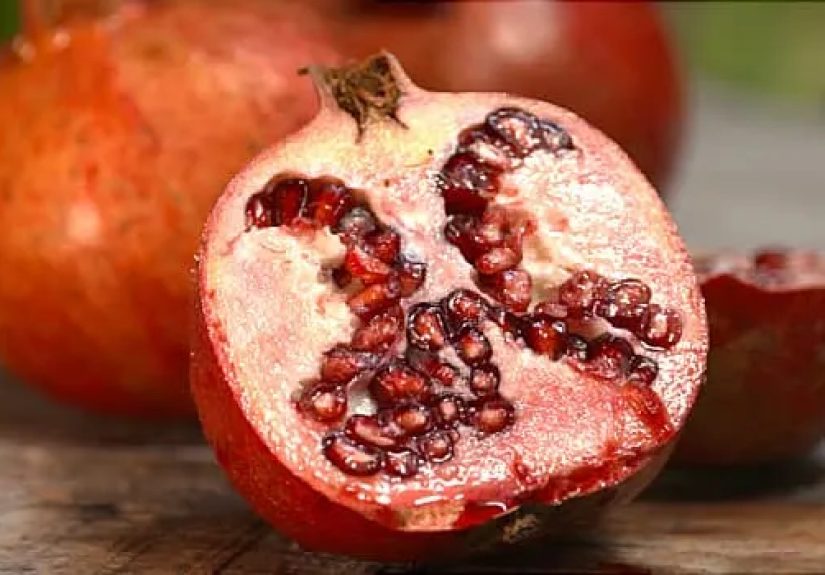
For a fruit that looks like it should come with a treasure map, pomegranate is surprisingly practical. The edible part is the arils, the juicy seed casings inside the fruit. A typical serving offers carbohydrates for energy, fiber for fullness and digestive support, and nutrients such as vitamin C and potassium. That combination gives pomegranate a nice balance: sweet enough to feel like a treat, but useful enough to earn space in a lunch bowl or yogurt cup.
One of the smartest things about whole pomegranate arils is the fiber. Fiber helps slow digestion, supports gut regularity, and can help you feel satisfied after eating. That is one reason whole fruit usually beats juice from a nutrition standpoint. Once fruit becomes juice, some of the fiber disappears, while the sugar becomes easier to drink quickly. Translation: chewing your fruit often does more for fullness than sipping it through a straw while pretending it is a personality trait.
The antioxidant angle: the real reason this fruit gets attention
If you have heard pomegranate called an antioxidant powerhouse, that description is not random. Researchers have spent years examining the fruit’s polyphenols, especially ellagitannins and punicalagin. These compounds appear to have antioxidant and anti-inflammatory activity, which helps explain why pomegranate is often studied in connection with cardiovascular health, metabolic health, and even cell protection in laboratory settings.
Still, this is where nuance matters. Antioxidant activity in a lab does not always translate into dramatic real-world outcomes in humans. A fruit can be impressive on paper and still work best as part of a wider eating pattern rich in vegetables, fruits, legumes, nuts, and whole grains. In other words, pomegranate is excellent, but it does not cancel out a steady diet of fried drive-thru regret.
What science says about heart health
Blood pressure
Among the most talked-about benefits of pomegranate is its possible role in supporting heart health, especially blood pressure. Reviews of clinical trials suggest that pomegranate juice may help reduce both systolic and diastolic blood pressure. That finding helps explain why pomegranate often shows up in heart-health conversations. If you are choosing a fruit with cardiovascular credibility, this one has a respectable résumé.
But let’s keep the fruit bowl honest: pomegranate is not blood pressure medication. The evidence is encouraging, yet pomegranate works best as one piece of a heart-smart lifestyle that also includes exercise, adequate sleep, lower sodium intake, stress management, and a broader plant-forward diet.
Cholesterol and artery health
The conversation gets more mixed when cholesterol enters the chat. Some studies suggest that pomegranate may help with oxidative stress and may support healthier artery function. There is also interest in whether it may help slow plaque-related processes. However, research on cholesterol itself has not been consistently dramatic. Some reviews show benefits, while others find the evidence too inconsistent to make bold promises.
That is actually good news for your expectations. A realistic view is better than a flashy one. Pomegranate may support heart health, especially through its antioxidant profile and possible blood pressure effects, but it is not a magic shortcut around the fundamentals of cardiovascular care.
Inflammation, digestion, and brain health: promising, but not magic
Pomegranate is also studied for anti-inflammatory effects. Chronic inflammation is tied to a wide range of health problems, and many plant foods may help calm inflammatory pathways over time. Pomegranate’s polyphenols appear to influence markers related to oxidative stress and inflammation, which is one reason the fruit continues to attract scientific interest.
There is also growing curiosity about pomegranate and digestive health. Because whole arils provide fiber, they naturally support digestive regularity. Beyond that, some research suggests pomegranate compounds may interact with the gut microbiome and produce metabolites that could play a beneficial role. That area is still developing, but it is one of the more interesting parts of the story because it connects fruit, fiber, gut bacteria, and whole-body health.
Brain health is where headlines can get a little too excited. Early research has explored whether pomegranate compounds may help protect neurons or support cognitive health, largely because of their antioxidant and anti-inflammatory actions. But much of that work is still preclinical or early-stage. The practical takeaway is not that pomegranate prevents memory loss on its own. It is that antioxidant-rich fruits belong in the kind of dietary pattern already associated with healthier aging.
Whole fruit vs. juice vs. supplements
Whole fruit wins on balance
If your goal is everyday nutrition, whole pomegranate is usually the best choice. You get fiber, texture, slower eating, and the satisfaction of actual chewing. Whole fruit also makes it easier to avoid overdoing sugar intake compared with bottled juice products, especially those with added sweeteners.
Juice can still fit, with a few conditions
Natural pomegranate juice still contains beneficial plant compounds, and research on blood pressure often involves juice. But juice is more concentrated and easier to consume in large amounts. That means it can bring more sugar per serving with less fullness. If you enjoy juice, a modest portion can fit into a healthy diet, especially when it is 100% juice and not a sugary fruit cocktail pretending to be noble.
Supplements are not the same thing
Pomegranate supplements deserve extra caution. They can be more concentrated than food, their quality may vary, and they are not interchangeable with eating the fruit. If you are taking medications or managing a health condition, supplements are the version most likely to deserve a conversation with your healthcare professional first. Food is food. Capsules are chemistry with branding.
Who should be careful with pomegranate?
For most healthy people, eating pomegranate arils is generally safe. But pomegranate juice and supplements can be a different story for some individuals. Medical sources note that pomegranate may interact with certain medications or affect how the body handles them. People taking some blood pressure medications, blood thinners, statins, or certain transplant-related medications should be especially careful and check with a clinician before making pomegranate juice a daily habit.
This is not meant to make pomegranate sound suspicious. It is simply a reminder that “natural” does not always mean “interaction-free.” A fruit can be healthy and still require common sense, which is honestly true of most things in life, including group chats and discount sushi.
Easy ways to add pomegranate without making your kitchen look like a crime scene
The easiest approach is to buy ready-to-eat arils and scatter them where they shine. Add them to Greek yogurt, oatmeal, cottage cheese, salads, grain bowls, and roasted vegetables. They also pair beautifully with nuts, herbs, and salty cheeses. That sweet-tart crunch can wake up meals that were otherwise drifting toward boring.
If you buy the whole fruit, score the rind, break it into sections, and loosen the arils over a bowl. You can also submerge the sections in water to make separating easier and less splashy. Because yes, pomegranate is delicious, but it also has a talent for decorating shirts you were not planning to retire that day.
What a smart takeaway video should really say
A truly useful video on pomegranate’s juicy health benefits would end with balance, not hype. Pomegranate is a nutrient-rich fruit with fiber, vitamin C, potassium, and a standout mix of antioxidant compounds. It may support heart health, especially blood pressure, and its anti-inflammatory properties make it an appealing part of a healthy diet. Research into gut health, brain health, and other areas is promising, but much of it is still developing.
The best conclusion is refreshingly unglamorous: eat the fruit because it is delicious, nutrient-dense, and easy to fit into a plant-forward eating pattern. Choose whole arils more often than sweetened juice. Treat supplements with more caution than marketing does. And let pomegranate be what it actually is: a very good fruit with very real benefits, not a ruby-red cure-all wearing a cape.
Experiences related to pomegranate’s juicy health benefits
When people start adding pomegranate to their routine, the first thing they usually notice is not a dramatic health transformation worthy of cinematic background music. It is something much simpler: meals get more interesting. A plain bowl of oatmeal suddenly has texture. A salad stops feeling like homework. Yogurt becomes less boring. That matters more than it sounds. Healthy eating sticks when food feels satisfying, colorful, and a little fun, and pomegranate has a knack for making that happen without much effort.
Another common experience is that whole pomegranate feels more filling than expected. The arils are juicy, but they also ask you to chew, which slows eating down. People who swap a sweet snack for fruit with protein or yogurt often describe feeling more satisfied afterward than when they drink juice alone. That does not mean pomegranate is some secret appetite hack. It simply behaves like many whole fruits do: the combination of fiber, water, and actual chewing makes eating feel more complete.
Some people also describe pomegranate as a “gateway fruit” to better eating habits. Once it shows up in the fridge, it tends to pull other healthy foods into the picture. It gets tossed into spinach salads, spooned over cottage cheese, mixed into quinoa, or paired with walnuts and plain yogurt. In real life, that may be one of its biggest advantages. The fruit itself is helpful, but the routines it encourages may be even more helpful.
There is also the experience of learning the difference between whole fruit and juice. Plenty of people start with bottled pomegranate juice because it feels convenient and healthy. Then they realize it is easy to drink quickly and not feel especially full afterward. By contrast, eating the arils feels slower and more substantial. That small shift often changes how people think about fruit in general. The lesson becomes less about pomegranate specifically and more about the power of choosing whole foods when possible.
Of course, not every experience is glamorous. Some people love the taste immediately. Others think the flavor is a little too tart at first. Some enjoy the ritual of opening a whole pomegranate, while others buy packaged arils because they prefer nutrition without the countertop drama. Both approaches are completely fine. Healthy habits do not earn bonus points for making your life harder.
For people focused on heart-smart eating, pomegranate often feels like an easy upgrade because it slips into meals without requiring an extreme diet makeover. It is not a punishment food. It does not taste like sacrifice. That alone gives it a practical advantage. The healthiest foods are often the ones people will actually keep eating.
In the end, the most realistic experience with pomegranate is this: it usually does not change everything, but it can improve a lot of little things. It can make snacks better, breakfasts brighter, salads smarter, and healthy eating more enjoyable. And honestly, for one fruit packed with hundreds of jewel-like arils, that is already a pretty juicy achievement.







 Close
Close