
Table of Contents >> Show >> Hide
- Why Small-Space Landscaping Works So Well
- 16 Small-Space Landscaping Ideas
- 1. Design Around One Strong Focal Point
- 2. Go Vertical Whenever You Can
- 3. Break the Space Into Mini Zones
- 4. Swap Some Lawn for Planting Beds or Hardscape
- 5. Use Containers Like Design Tools, Not Afterthoughts
- 6. Choose Compact Plants With Year-Round Structure
- 7. Layer Plants to Create Depth
- 8. Stick to a Tight Color Palette
- 9. Add a Narrow Path to Stretch the View
- 10. Use Groundcovers in Place of Empty Dirt
- 11. Build a Tiny Pollinator Garden
- 12. Try a Small Edible Landscape
- 13. Add Privacy With Plants Instead of Bulk
- 14. Include One Small Water Feature
- 15. Mulch for a Cleaner, Lower-Maintenance Look
- 16. Make Room to Sit and Actually Enjoy It
- Common Small-Yard Mistakes to Avoid
- Experience: What People Learn After Living With a Small Garden
- Conclusion
Small yards get a bad rap. People look at a compact front yard, a narrow side lot, or a tiny backyard patio and immediately assume the dream is over. No sweeping borders. No lush retreat. No magazine-worthy garden moment. Just one sad chair and a plant that looks like it gave up last Tuesday.
But here is the good news: a small plot does not have to do less. It just has to do more on purpose. In fact, limited square footage often creates better landscapes because every plant, path, pot, and seat has to earn its place. The result can feel smarter, calmer, and far more stylish than a giant yard full of random decisions and one very confused birdbath.
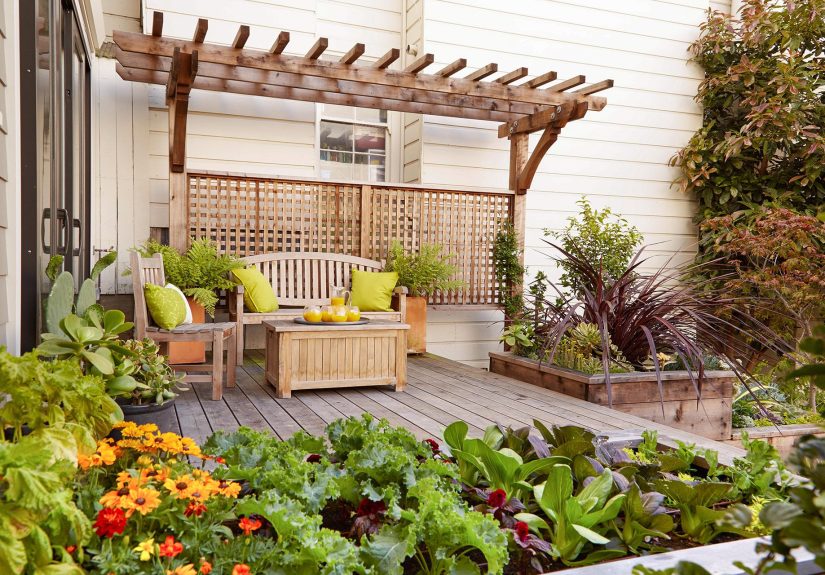
If you want your outdoor space to feel bigger, work harder, and look polished without turning into a high-maintenance side hustle, these small-space landscaping ideas can help. From vertical planting and layered containers to mini garden rooms and lawn alternatives, here are 16 practical, beautiful ways to make the most of your plot.
Why Small-Space Landscaping Works So Well
The best small yard landscaping is not about cramming in every trend you have ever saved to a mood board. It is about editing. Tight spaces look better when they feel intentional. Repetition, a limited plant palette, clear lines, and a strong focal point all help a compact landscape feel larger and more cohesive. In other words, your yard does not need more stuff. It needs a better plan.
Before you buy a single shrub, start by asking three questions: How do you want to use the space? How much sun does it get? How much maintenance are you truly willing to do once the excitement wears off? Honest answers here will save you from building a tiny backyard paradise that secretly behaves like a full-time job.
16 Small-Space Landscaping Ideas
1. Design Around One Strong Focal Point
In a small yard, too many eye-catching features compete with one another and make the whole space feel busy. Pick one star: a small ornamental tree, a fountain, a sculptural planter, a bench under a trellis, or a bold grouping of foliage plants. Once you choose your focal point, let everything else support it.
For example, a compact Japanese maple at the end of a path can pull the eye outward and make a tiny backyard feel deeper. A single oversized ceramic planter near the entry can do the same thing in a small front yard. One memorable moment beats ten small distractions every time.
2. Go Vertical Whenever You Can
When ground space is limited, the obvious move is to stop thinking only at ground level. Trellises, wall planters, arbors, hanging baskets, railing boxes, and espaliered plants allow you to grow up instead of out. Vertical gardening also adds privacy, softness, and architectural interest without swallowing your floor space.
This works especially well for herbs, strawberries, flowering vines, climbing roses, pole beans, cucumbers, and even decorative succulent walls. It is one of the easiest ways to make a small landscape feel lush. Your fence should not just stand there like it pays no rent.
3. Break the Space Into Mini Zones
A small plot can actually feel larger when it is divided into purposeful zones. Think of your landscape as a studio apartment with better lighting. You might have a coffee corner, a planting zone, a path, and a small dining nook. Even subtle separation makes a compact yard feel layered and functional.
Use pots, low hedges, gravel, pavers, a change in plant height, or a slim screen to define each area. You do not need walls. A visual cue is often enough.
4. Swap Some Lawn for Planting Beds or Hardscape
A tiny patch of grass often takes up valuable space while offering very little beauty or function. Replacing part of that lawn with gravel, pavers, mulch beds, or a patio can instantly make the yard more usable and easier to maintain.
This is especially smart in narrow backyards or side yards where mowing is awkward and the grass never really looks happy. A small seating area framed by plants often delivers more enjoyment than a struggling rectangle of turf that exists mostly to annoy you on weekends.
5. Use Containers Like Design Tools, Not Afterthoughts
Container gardens are perfect for small-space landscaping because they are flexible, portable, and easy to refresh. But the trick is to use them strategically. Group containers in odd numbers, vary heights, and repeat materials or colors so the arrangement looks designed instead of improvised.
Try a tall pot with an evergreen or grass for structure, a medium pot with seasonal color, and a low bowl planter to soften the base. Make sure containers have drainage holes and use a quality potting mix, not garden soil. In hot weather, remember that small pots dry out faster than you think. Some containers are drama queens by noon.
6. Choose Compact Plants With Year-Round Structure
Small landscapes need plants that behave well. That does not mean boring plants. It means choosing varieties that fit the space rather than devour it by year three. Dwarf shrubs, narrow evergreens, compact hydrangeas, ornamental grasses, and small trees give shape without overwhelming the yard.
It also helps to anchor the design with evergreen structure or strong foliage. Flowers are wonderful, but leaves do the heavy lifting for most of the year. A mix of glossy, feathery, silver, burgundy, or chartreuse foliage can carry a small garden beautifully even when nothing is blooming.
7. Layer Plants to Create Depth
Flat planting makes a small yard feel smaller. Layering creates depth. Place taller plants in back or at the corners, medium plants in the middle, and lower growers or groundcovers along edges and paths. This gives the eye more to move through and makes the space feel fuller without feeling crowded.
Even a bed that is only a few feet deep can look rich when heights are staggered well. It is the outdoor version of styling a bookshelf: the magic is in the layering.
8. Stick to a Tight Color Palette
Small spaces benefit from restraint. A limited palette of plants, materials, and furniture colors creates a calmer, more expansive feel. Too many colors and textures can make a small plot look chaotic.
That does not mean everything has to be green and beige forever. It just means choosing a direction. Maybe your landscape revolves around cool greens, white flowers, and black planters. Maybe it is warm grasses, purple blooms, and natural stone. Pick a lane and let the space breathe.
9. Add a Narrow Path to Stretch the View
A path creates movement, even in a tiny garden. A simple stepping-stone path through mulch, gravel, or low groundcover can guide the eye and make the yard feel longer. It also gives structure to spaces that would otherwise read as a single blob of planting.
In especially small plots, straight or gently angled paths often work better than overly curvy ones. Dramatic curves can look charming in large gardens, but in tiny spaces they can start to feel like the landscape is trying too hard.
10. Use Groundcovers in Place of Empty Dirt
Nothing makes a small garden look unfinished faster than exposed soil between plants. Low-growing groundcovers can fill gaps, suppress weeds, and soften edges while adding texture and seasonal interest. Creeping thyme, sedum, ajuga, sweet woodruff, and other site-appropriate choices can work beautifully depending on your sun and moisture conditions.
Groundcovers are especially helpful between stepping stones, under small trees, or along path edges where traditional turf would be fussy or impractical.
11. Build a Tiny Pollinator Garden
You do not need a giant meadow to support bees, butterflies, and hummingbirds. Even a few containers or a 4-by-6-foot planting bed can help. Choose nectar-rich flowers with staggered bloom times so something is feeding pollinators from spring into fall.
Coneflower, salvia, penstemon, coreopsis, aster, and flowering herbs are all strong candidates in many regions. Pollinator-friendly planting also brings life and movement to the yard, which makes the space feel more dynamic and memorable.
12. Try a Small Edible Landscape
Small-space landscaping can be beautiful and productive. Tuck herbs into border edges, grow tomatoes in large pots, train cucumbers up a trellis, or mix kale and lettuce into ornamental containers. Edibles do not have to live in a separate utilitarian zone that looks like a vegetable witness protection program.
Rosemary, thyme, basil, chard, peppers, strawberries, and dwarf blueberry varieties can all add ornamental value while earning their keep in the kitchen. That is what we call a high-achieving landscape.
13. Add Privacy With Plants Instead of Bulk
If your yard is small, a giant solid fence or massive hedge can make it feel boxed in. Instead, use lighter privacy solutions such as narrow evergreens, ornamental grasses, vines on trellises, or layered containers. These create screening while still allowing airflow and light.
For example, a row of slim upright shrubs paired with a trellis and a climber can soften a property line without turning your backyard into a very tasteful hallway.
14. Include One Small Water Feature
A compact fountain or bubbling bowl can make a tiny outdoor space feel surprisingly luxurious. The sound masks street noise, adds movement, and creates a stronger sense of retreat. You do not need a pond the size of a suburban ego. A modest recirculating feature is enough to change the mood.
Place it where it can be seen from indoors or from your seating area. In a small garden, that kind of sensory payoff matters.
15. Mulch for a Cleaner, Lower-Maintenance Look
Mulch is not glamorous, but it is one of the most useful tools in small-yard landscaping. It helps soil hold moisture, reduces weeds, and visually unifies the planting beds. That neat, finished look goes a long way in compact spaces where every detail stands out.
Apply mulch thoughtfully and keep it away from the base of shrubs and tree trunks. Piling mulch against stems can trap moisture where you do not want it and lead to problems later.
16. Make Room to Sit and Actually Enjoy It
This may be the most important idea on the list. A small landscape becomes far more valuable when it includes even a tiny place to pause. A bistro set, a narrow bench, one good chair with a side table, or a built-in seat along a wall can turn a pretty yard into a usable outdoor room.
People often fill small plots entirely with plants and forget the human part. But the goal is not just to own a nice garden. The goal is to have somewhere lovely to drink coffee, read, exhale, and occasionally pretend you are the kind of person who has it all figured out.
Common Small-Yard Mistakes to Avoid
The fastest way to ruin a small landscape is to overcrowd it. Tiny yards cannot hide oversized shrubs, random décor, or six competing hardscape materials. Avoid planting without checking mature size, and do not line every edge with the same little plant like you are outlining a coupon.
Another common mistake is forgetting maintenance. If your design depends on constant watering, trimming, swapping, sweeping, staking, and seasonal replanting, it may look great for a month and feel exhausting after that. Choose a layout and plant mix that fits your real life, not your fantasy life.
Experience: What People Learn After Living With a Small Garden
One of the most common experiences people have with small-space landscaping is realizing that the yard they first imagined is not the yard they actually need. At the beginning, many homeowners want to squeeze in everything: lawn, fire pit, vegetable bed, water feature, dining area, flower border, storage bench, and enough planters to qualify as a container convention. Then real life arrives. Suddenly the most-used feature is one comfortable chair in a shady corner, or a simple herb planter near the kitchen door.
That is why small gardens often improve dramatically in the second round of design. After living with the space, people learn how sunlight moves, where water collects, which corner feels peaceful, and which plants were clearly making reckless promises on the nursery tag. Experience teaches restraint. The smartest small yards are usually the ones that stop trying to do everything and start doing the right few things very well.
Another frequent lesson is that maintenance feels bigger in a small space, not smaller. In a large yard, one messy bed can disappear into the background. In a compact plot, every wilted annual, every stray weed, and every flopped-over plant feels like it is standing under a spotlight. That pushes many gardeners toward cleaner layouts, stronger evergreen structure, better mulch coverage, and tougher plant choices over time.
People also discover how emotional a tiny outdoor space can become. A narrow patio with containers may not sound life-changing on paper, but when it catches the morning light just right, smells faintly of rosemary, and gives you one quiet place to sit after a long day, it starts pulling far above its weight. Small gardens often feel personal because they are close to daily life. You pass them constantly. You see them from the kitchen sink. You notice when a bud opens. You notice when a pollinator shows up. The scale invites attention.
There is usually a learning curve with containers too. At first, people underestimate watering, overestimate how many plants fit in one pot, and choose containers based purely on style. Then summer arrives and everything starts negotiating aggressively for moisture. With experience, gardeners learn to use larger pots, better potting mix, simpler combinations, and repeated shapes or colors that create visual order.
Finally, people living with small landscapes often come to appreciate that limitations can sharpen creativity. A tight plot forces good decisions. It encourages multi-use plants, cleaner lines, more thoughtful circulation, and better editing. Instead of treating a small yard like a lesser version of a big one, the most successful gardeners begin to see it as its own design challenge with its own rewards. And that is usually the turning point, when the space stops feeling restricted and starts feeling refined.
Conclusion
The best small-space landscaping ideas are not about making a tiny yard pretend to be a giant one. They are about using every inch with intention. A smart focal point, vertical layers, compact plants, pollinator-friendly choices, containers, and a simple seating area can transform even the smallest plot into a space that feels inviting, useful, and surprisingly generous.
So whether you are working with a slim side yard, a petite front garden, or a backyard that could charitably be described as “cozy,” do not waste energy wishing it were bigger. Design it better. Small spaces are often the ones with the most charm, the least fluff, and the clearest sense of purpose.






 Close
Close