
Table of Contents >> Show >> Hide
- What You’ll Find in This Guide
- Reality Check: Supplements Aren’t RA Treatment (But They Can Support It)
- Why RA Can Change Nutrient Needs
- Vitamin D for RA: The “Sunshine Vitamin” With a Serious Job
- Calcium: Vitamin D’s Best Friend (and Your Bones’ Best Argument)
- Vitamin E: Antioxidant With a Plot Twist
- More Vitamins and Minerals That May Matter in RA
- Folate (Vitamin B9): especially important with methotrexate
- Vitamin B12: energy, nerves, and the fatigue mystery
- Magnesium: muscles, sleep, and “why am I so tense?”
- Zinc: immune support with a strict “don’t overdo it” rule
- Selenium: antioxidant enzymes and thyroid support
- Vitamin C and “whole-food antioxidants”
- Iron: talk to your clinician before supplementing
- Bonus: Omega-3s (Not a Vitamin, But RA’s Favorite Fat)
- How to Choose Supplements Wisely (So You Don’t Buy Expensive Mystery Powder)
- Food-First Strategies: Getting Nutrients Without Turning Life Into a Pill Schedule
- FAQ: Quick Answers to Common RA Nutrient Questions
- Conclusion: Build a Nutrient Support Team, Not a Miracle Cure
- Real-Life Experiences: What People Notice When They Tweak Vitamins & Minerals (About )
- SEO Tags
Rheumatoid arthritis (RA) is the kind of condition that can make your immune system act like it’s trying out for a
drama club: lots of inflammation, plenty of plot twists, and occasional surprise cameos from fatigue, brain fog,
and “why does my wrist hate me today?” moments.
Medications like DMARDs and biologics are the real headline acts for controlling RA. But vitamins and minerals can
still matterbecause RA can affect bone density, energy levels, and overall health, and because some treatments
can change what your body needs. Think of nutrients as the backup band: they don’t replace the lead singer, but
the show is better when they’re tuned up.
Below is an evidence-based (and human-friendly) guide to vitamin D, vitamin E, and other nutrients that often come
up in RA conversationswhat they do, where to get them, what the research suggests, and how to use supplements
safely without turning your kitchen cabinet into a science experiment.
Reality Check: Supplements Aren’t RA Treatment (But They Can Support It)
Let’s put this right up front: no vitamin, mineral, tea, powder, gummy, or capsule has been proven to replace
RA medications. RA is an autoimmune disease that can damage joints and affect the heart, lungs, and more if it’s
not controlled. The goal of vitamins and minerals is to support your overall health and reduce avoidable problems
(like bone loss or deficiency-related fatigue) while your RA treatment does the heavy lifting.
Also important: supplements can interact with medications or be unsafe at high doses. So if you’re taking
methotrexate, steroids, blood thinners, or multiple prescriptions (a very normal RA situation), talk with your
rheumatology team before starting anything new. The best supplement plan is the one your body actually needsnot
the one with the flashiest label.
Why RA Can Change Nutrient Needs
RA can influence nutrition in a few not-so-obvious ways:
-
Inflammation can affect appetite and metabolism. Flares may reduce eating, while chronic
inflammation can change how the body uses nutrients. -
Bone health becomes a bigger deal. RA itself is linked with higher osteoporosis risk, and
corticosteroids can increase that risk even more. -
Fatigue can be “multifactorial.” RA fatigue may come from inflammation, sleep disruption,
anemia, low vitamin D, low B12, or “all of the above.” -
Some meds change nutrient status. Methotrexate is the classic example: it’s commonly paired
with folic acid (vitamin B9) to reduce side effects. -
Less sun, fewer steps, fewer groceries. Pain can reduce outdoor time and movement, and flares
can make cooking feel like an Olympic event.
Translation: nutrient gaps aren’t “your fault.” They’re common. The good news is that many are fixablewith
targeted changes rather than a 27-pill daily routine.
Vitamin D for RA: The “Sunshine Vitamin” With a Serious Job
Vitamin D is famous for bone health because it helps your body absorb calcium. But it also plays roles in immune
and neuromuscular function, and researchers have been interested in whether low vitamin D levels are associated
with more active inflammatory conditions, including RA.
Why vitamin D matters in RA
-
Bone protection: RA increases osteoporosis risk, and steroid use can add to that risk. Vitamin D
supports calcium absorption and bone remodeling. -
Muscle and strength support: Low vitamin D can contribute to muscle weakness and achesproblems
that can feel a lot like “RA being extra.” -
Immune system connection: Vitamin D receptors exist in many tissues, and vitamin D is involved
in immune signaling. That doesn’t mean it “treats RA,” but it does mean deficiency is worth addressing.
What the research actually suggests
Many studies find that vitamin D deficiency is common and may correlate with higher RA disease activity in some
populations. Trials of vitamin D supplementation have mixed resultssome show modest improvements in markers of
inflammation or symptom measures, while others show little change. The most consistent, no-drama takeaway is:
correcting deficiency is important for bone and general health, and it may help some people feel betterespecially
if they started low.
How to check your vitamin D status (without guessing)
Vitamin D status is typically assessed with a blood test called serum 25-hydroxyvitamin D (25[OH]D).
If you’ve had ongoing fatigue, muscle aches, frequent steroid use, low bone density, or limited sun exposure, it’s a
reasonable lab to discuss with your clinician.
Food sources that actually help
Few foods naturally contain much vitamin D, but these are reliable contributors:
- Fatty fish (like salmon, trout, tuna, and mackerel)
- Fortified milk or plant milks (check labels)
- Fortified cereals (not a personality trait, but occasionally useful)
- Egg yolks (small amounts)
- UV-treated mushrooms (variable, but sometimes surprisingly helpful)
Supplement safety: vitamin D is helpful, but “more” isn’t always “better”
Vitamin D is fat-soluble, which means it can accumulate in the body. Excessive vitamin D from supplements can
cause high blood calcium levels and serious complications. If you supplement, it should be intentionalbased on
your diet, your labs, your risk factors, and your clinician’s guidance.
Calcium: Vitamin D’s Best Friend (and Your Bones’ Best Argument)
Calcium is the most abundant mineral in the body and is central to bone structure. It also plays roles in muscle
function, blood vessel contraction, nerve transmission, and blood clotting. In RA, calcium matters because bone
loss risk can be higherespecially if you’ve used corticosteroids or have reduced activity during flares.
Calcium in RA: what to focus on
-
Diet-first whenever possible: Calcium from food often comes with protein and other helpful
nutrients. -
Watch the “calcium + vitamin D” combo: Vitamin D helps the gut absorb calcium. If you’re low
in vitamin D, calcium intake may not be used as effectively. -
Don’t mega-dose: High supplemental calcium isn’t automatically better and may not be right for
everyone. Your clinician can help you weigh food, supplements, and kidney stone risk.
Calcium-rich foods that don’t feel like homework
- Dairy: milk, yogurt, cheese
- Fortified plant milks and fortified orange juice (label check is key)
- Canned salmon or sardines with bones
- Leafy greens like kale and bok choy (some greens are better calcium sources than others)
- Calcium-set tofu
Vitamin E: Antioxidant With a Plot Twist
Vitamin E is a fat-soluble antioxidant (mainly alpha-tocopherol) that helps protect cells from oxidative damage.
Because oxidative stress is involved in inflammatory pathways, vitamin E has been studied in various chronic
conditionsincluding arthritis.
What vitamin E might do for people with RA
The evidence is not “slam dunk,” but some research suggests vitamin E may help with aspects of pain or stiffness in
certain settings. More importantly, vitamin E-rich foods are often part of overall anti-inflammatory eating
patterns (think nuts, seeds, and leafy greens), which can support cardiovascular healthsomething that matters in RA.
Why vitamin E supplements require caution
Vitamin E supplements at high doses can increase the risk of bleeding (because of effects on blood clotting).
This becomes especially relevant if you take anticoagulants, have a bleeding disorder, or combine high-dose vitamin E
with fish oil supplements or frequent NSAID use.
Food sources that make vitamin E easy
- Almonds, hazelnuts, peanuts
- Sunflower seeds
- Wheat germ
- Avocado
- Spinach and other leafy greens
- Vegetable oils (sunflower, safflower, wheat germ oil)
If you’re considering vitamin E supplements, the safest approach is to discuss it with your clinician and keep
expectations realistic. In many cases, focusing on vitamin E-rich foods gives you antioxidant benefits without
flirting with high-dose risk.
More Vitamins and Minerals That May Matter in RA
Vitamin D and E get a lot of attention, but they’re not the only nutrients that show up in RA conversations.
Below are the “supporting cast members” worth knowing about.
Folate (Vitamin B9): especially important with methotrexate
If methotrexate is part of your RA treatment, folic acid supplementation is commonly recommended to reduce side
effects like mouth sores, nausea, and certain lab abnormalities. This isn’t a trendy wellness hackit’s a practical
strategy used in routine care. The exact regimen varies (and should be prescribed by your clinician), so don’t
self-design it.
Food sources of folate include beans and lentils, leafy greens, asparagus, avocado, and fortified grains. But if
you’re on methotrexate, the supplement piece is often a “because medicine” situation, not a “because salad”
situation.
Vitamin B12: energy, nerves, and the fatigue mystery
Vitamin B12 helps keep nerve cells healthy and supports red blood cell production. Low B12 can contribute to
fatigue, weakness, and neurologic symptomsissues that can be misread as “just RA.” People who eat little or no
animal foods, or who have certain GI issues, may be at higher risk of low B12.
B12 is found in animal foods (meat, fish, eggs, dairy) and in fortified plant milks and cereals. If you’re vegan
or mostly plant-based, B12 supplementation is often necessary, but the dose and form should be guided by your
dietary pattern and labs.
Magnesium: muscles, sleep, and “why am I so tense?”
Magnesium supports muscle and nerve function and is a cofactor in hundreds of enzyme systems. While magnesium is
not an RA-specific treatment, low intake is common, and improving magnesium status can support sleep quality and
muscle functionboth of which influence how “loud” pain feels.
Food sources include nuts, seeds, legumes, whole grains, and leafy greens. If you supplement magnesium, note that
some forms can cause diarrhea (your intestines will file a complaint in writing). This is another reason to match
the approach to your body, not your neighbor’s supplement routine.
Zinc: immune support with a strict “don’t overdo it” rule
Zinc supports immune function and wound healing. Inadequate zinc can impair immune defenses, but excessive zinc
can cause problems tooincluding interfering with copper absorption. For most people, food sources (meat, seafood,
beans, nuts, fortified cereals) are the simplest and safest way to meet needs.
Selenium: antioxidant enzymes and thyroid support
Selenium is involved in antioxidant defense systems and thyroid hormone metabolism. It’s essential, but the margin
between “helpful” and “too much” can be narrow with supplements. Brazil nuts are famously high in selenium
(sometimes very high), so a “handful a day” habit can accidentally become a selenium mega-dose. With selenium,
more is not automatically better.
Vitamin C and “whole-food antioxidants”
Vitamin C supports collagen formation, immune function, and antioxidant activity. While vitamin C supplements are
widely available, most people can meet needs through foodcitrus, berries, bell peppers, broccoli, and tomatoes.
An RA-friendly eating pattern that includes a variety of colorful produce tends to deliver vitamin C plus many
other beneficial compounds.
Iron: talk to your clinician before supplementing
People with RA may develop anemia for different reasons (inflammation-related anemia, iron deficiency, medication
effects). Because the cause matters, iron is one of those nutrients that should usually be supplemented only after
lab work and clinician guidance. If fatigue is a major issue, asking about anemia testing can be more useful than
guessing with iron pills.
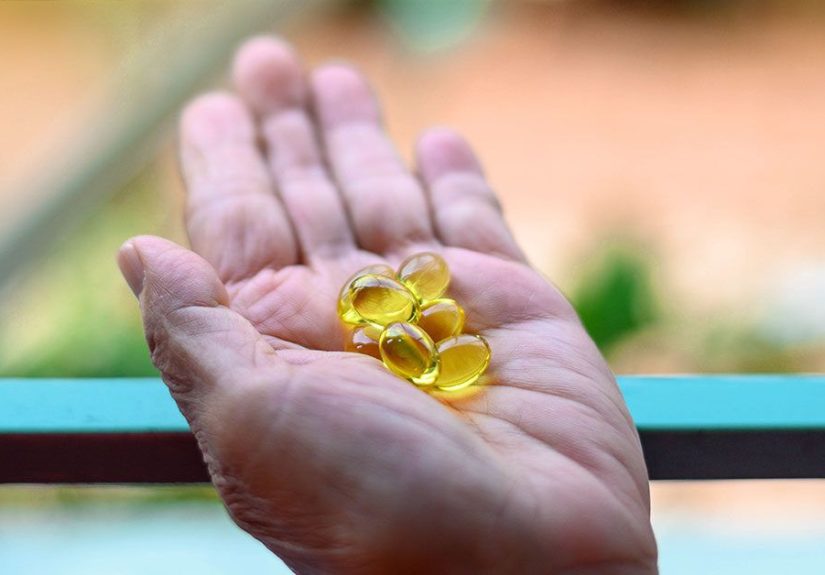
Bonus: Omega-3s (Not a Vitamin, But RA’s Favorite Fat)
Omega-3 fatty acids (like EPA and DHA) aren’t vitamins or minerals, but they come up constantly in RA discussions
because they can influence inflammation pathways. Studies suggest fish oil supplementation may modestly reduce
tenderness, morning stiffness, and sometimes the need for pain medication in some people.
Food sources first
- Salmon, sardines, trout, tuna, mackerel
- For plant omega-3 (ALA): chia seeds, flaxseed, walnuts (the body converts ALA inefficiently, but it still helps)
- Algae-based supplements (a non-fish source of DHA, sometimes EPA)
Supplement cautions
Fish oil can interact with blood thinners and may increase bleeding risk in some situations, especially at higher
doses or when combined with other agents that affect clotting (like high-dose vitamin E). If you bruise easily, take
anticoagulants, or have surgery planned, talk to your clinician before adding fish oil.
How to Choose Supplements Wisely (So You Don’t Buy Expensive Mystery Powder)
In the U.S., dietary supplements are not approved by the FDA for effectiveness before they hit the market. That
doesn’t mean all supplements are badit means you have to shop smarter.
A short checklist that can save you money and headaches
- Start with a reason. A lab result, a dietary gap, a clinician recommendationsomething concrete.
- Avoid “mega-dose” blends. More ingredients often means more interaction risk and less clarity.
- Look for third-party verification. Programs like USP Verified or NSF certification can help confirm that what’s on the label is in the bottle.
- Tell your rheumatology team. Bring the bottle or a photo of the label to appointments.
- Watch fat-soluble vitamins. Vitamins A, D, E, and K can accumulateso doses matter.
Food-First Strategies: Getting Nutrients Without Turning Life Into a Pill Schedule
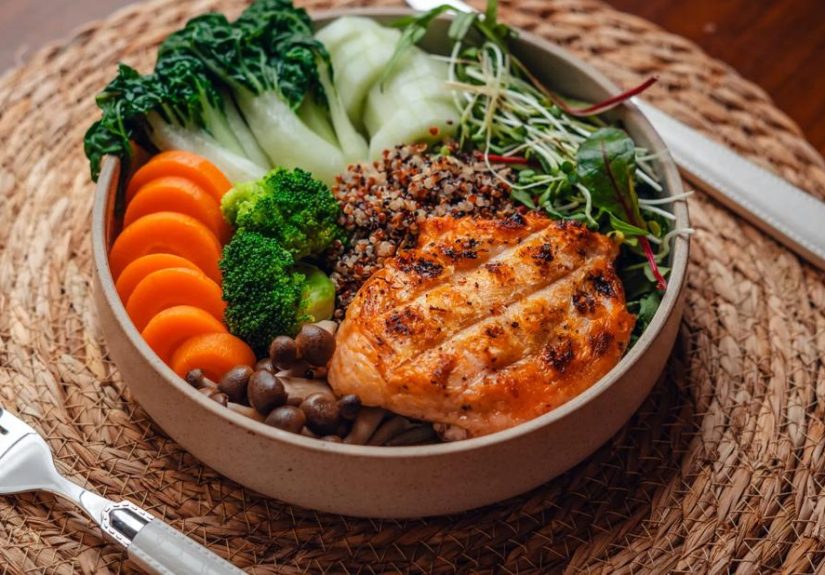
Supplements can be helpful, but food delivers nutrients in a “team package” that includes fiber, protein, and
plant compounds. If you want an RA-friendly approach, aim for a pattern that looks a lot like a Mediterranean-style
diet: more plants, more fish, less ultra-processed food, and enough protein to support muscle and recovery.
Easy upgrades (no chef hat required)
- Vitamin D + omega-3: Add salmon or sardines once or twice a week.
- Vitamin E: Sprinkle sunflower seeds on salads or yogurt; snack on almonds.
- Magnesium: Add beans or lentils to soups; use chia or flax in oatmeal.
- Calcium: Choose fortified plant milk, yogurt, or calcium-set tofu.
- Vitamin C: Keep frozen berries and bell peppers on hand (fresh is great, frozen is reliable).
The best nutrition plan is the one you can repeat on a bad joint day. “Perfect” is optional. “Consistent” is powerful.
FAQ: Quick Answers to Common RA Nutrient Questions
Should everyone with RA take vitamin D?
Not automatically. Many people benefit from checking levels and correcting deficiency. Whether you need a supplement
depends on your lab results, sun exposure, diet, and bone health risk.
Can vitamin E reduce RA inflammation?
Vitamin E has antioxidant effects and is being studied, but high-dose supplements can increase bleeding risk.
Many people are better served by vitamin E-rich foods unless a clinician recommends otherwise.
If I’m taking methotrexate, do I need folic acid?
It’s commonly prescribed alongside methotrexate to reduce side effects, but the exact plan should come from your
clinician (timing and dose vary). Don’t DIY this one.
Is fish oil “worth it” for RA?
For some people, it provides modest symptom reliefespecially morning stiffness. It’s not a cure, and it can
interact with medications that affect bleeding, so it’s a “talk first, try carefully” supplement.
Conclusion: Build a Nutrient Support Team, Not a Miracle Cure
Vitamins and minerals won’t replace RA medications, but they can help you address common issues that make RA harder:
low vitamin D, bone loss risk, fatigue related to nutrient deficiencies, and gaps created by diet changes or medication
side effects.
A smart plan usually looks like this: test when appropriate, correct real deficiencies, prioritize food,
and supplement only what you actually need. If your supplement shelf is starting to look like a small
pharmacy, that’s a great moment to pause and ask: “What problem is this solving?”
Real-Life Experiences: What People Notice When They Tweak Vitamins & Minerals (About )
Science is essential, but so is the day-to-day reality of living with RA. When people adjust vitamins and minerals,
the most common “experience story” isn’t a dramatic overnight transformationit’s more like turning down the static
so you can hear the music.
1) The vitamin D wake-up call. A lot of people don’t suspect low vitamin D until a blood test shows
it. They may have chalked up fatigue, achiness, or weakness to RA itself (because honestly, that’s a reasonable
guess). After correcting deficiency under a clinician’s guidance, some describe feeling “less wiped out” or having
fewer muscle aches. Not everyone notices a big change, but many appreciate that their bone-health box is checked
especially if they’ve used steroids or have osteopenia on a scan.
2) The methotrexate + folic acid upgrade. People who start methotrexate sometimes experience
nausea, mouth sores, or just a general “why does my stomach hate Thursdays?” vibe (methotrexate day becomes its
own calendar event). When folic acid is added in the regimen recommended by their clinician, many report fewer
mouth sores and less GI upset. It doesn’t make methotrexate feel like a spa day, but it can make it feel more
manageablelike switching from hiking boots full of sand to hiking boots that are merely… hiking boots.
3) The calcium and vitamin D “bone insurance” mindset. People who learn they have elevated fracture
risk often shift from thinking about nutrients as “optional wellness stuff” to thinking of them as basic maintenance.
They may add more calcium-rich foods, prioritize protein, and keep vitamin D in range. Over time, the experience
they describe is less about symptoms and more about confidenceknowing they’re actively protecting their bones
while working on disease control.
4) The vitamin E lesson: food feels safer than mega-doses. Some people try vitamin E supplements
after seeing it mentioned online, then realize their medication list (or bruise-prone body) makes high-dose vitamin E
a risky experiment. Many end up shifting toward food sourcesnuts, seeds, avocado, leafy greensbecause it feels like
a win without the “what if this interacts?” anxiety. Plus, snacks with almonds are generally more fun than arguing
with yet another bottle.
5) The omega-3 experience: modest relief, weird burps. Fish oil is one of those supplements people
either love or tolerate politely. Some notice less morning stiffness over time; others notice… fishy aftertaste.
A common workaround experience is taking it with meals, trying enteric-coated versions, or switching to fatty fish
meals instead of capsules. The best “real-life” outcome is when omega-3s become part of a bigger anti-inflammatory
patternmore fish, more plants, fewer ultra-processed foodsrather than a lone supplement expected to do superhero work.
The consistent theme across these experiences is simple: the best results come when nutrients are used strategically,
guided by labs and a clinician, and paired with an overall routine that supports RAmeds, movement, sleep, stress
management, and food that doesn’t make you miserable.






 Close
Close