
Table of Contents >> Show >> Hide
- The Career Update That Has Hearties Buzzing
- Why This Update Feels Bigger Than One Holiday Movie
- Daniel Lissing’s Career Was Never Stuck in Hope Valley
- What Fans Are Actually Responding To
- The Shadow of Jack Thornton Still Matters
- The Personal Side Adds Another Layer
- What This Means for His Career Going Forward
- The Fan Experience: Why This Update Hits So Hard
- Final Thoughts
If you have been a When Calls the Heart fan for more than five minutes, you already know one thing: Daniel Lissing does not simply appear on screen. He arrives like emotional weather. One minute you are casually minding your own business, and the next you are remembering Jack Thornton, side-eyeing your holiday watchlist, and wondering why this man keeps showing up exactly when Hallmark viewers are most vulnerable.
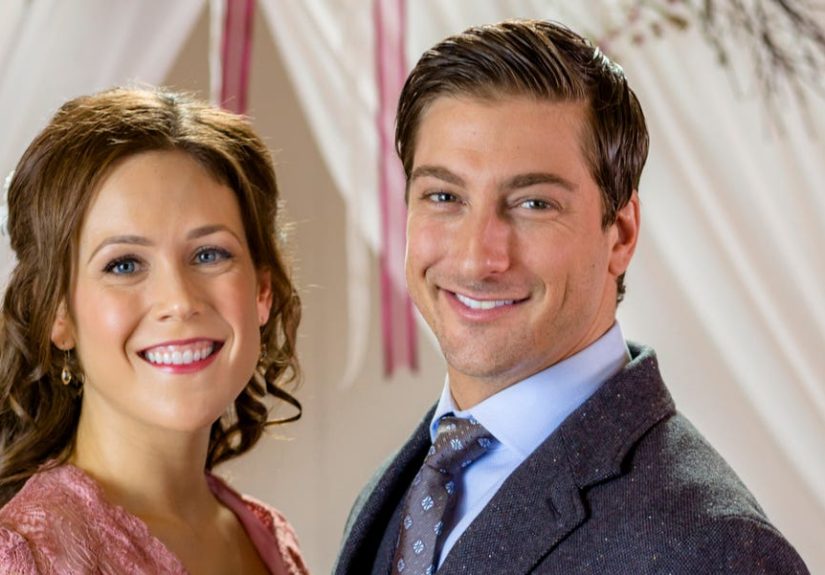
That is why Daniel Lissing’s latest career momentum has landed so loudly with Hearties. The headline-making update is his return to Hallmark in Single on the 25th, a holiday romance that reminded fans he still knows exactly how to anchor a charming, emotionally warm leading-man role. But the bigger story is not just one movie. It is the pattern. After years of fans associating him almost entirely with Jack Thornton, Lissing has been building a post-WCTH path that mixes nostalgia, fresh roles, and smart career choices without looking like he is trying to outrun his legacy. That is harder than it sounds. In television, some actors leave an iconic part and spend years acting like they never wore the costume. Lissing has done something much more interesting: he has let fans love the past while proving he still has plenty left to do in the present.
The Career Update That Has Hearties Buzzing
The most obvious reason fans started talking again is Single on the 25th. In the Hallmark movie, Daniel Lissing stars opposite Lyndsy Fonseca in a holiday story built around a modern single-at-Christmas setup. On paper, it sounds cozy. On screen, it works because Lissing brings a polished, easy charisma that makes the role feel both comfortable and current. He is not replaying Jack Thornton in a winter coat. He is doing something more subtle than that. He is leaning into the kind of mature romantic lead Hallmark viewers clearly still want from him.
That matters because timing matters. Fans did not react to this update as if Hallmark had merely added another handsome actor to another snowy poster. They reacted like a favorite had come back into clear view. There is a difference. Lissing’s name still carries weight with When Calls the Heart viewers, and Hallmark clearly knows it. Pairing him with a movie that lets him be funny, likable, slightly guarded, and ultimately romantic was not just good casting. It was clever brand management with a wreath on top.
And yes, let us be honest: the Hallmark audience understands the assignment. If Daniel Lissing turns up in a trailer, fans are not whispering politely into the void. They are posting heart emojis like they are being paid per sparkle. That online enthusiasm is part of why this career update feels bigger than it might on paper. It is not just that he booked a role. It is that the role confirmed he is still a significant draw in the comfort-TV universe.
Why This Update Feels Bigger Than One Holiday Movie
On its own, Single on the 25th would already count as a strong headline for Daniel Lissing. But it also arrived after another important Hallmark moment: his reunion with Erin Krakow in Santa Tell Me. For Hearties, that was less a casting announcement and more a controlled emotional detonation. The two actors had not shared the screen since Lissing’s 2018 exit from When Calls the Heart, and their return together was exactly the kind of event that makes longtime fans clutch remote controls like family heirlooms.
What made that reunion especially effective was that it did not try to literally recreate Jack and Elizabeth. Instead, it gave fans what they really wanted: the chemistry. That distinction is important. Smart reunions know they are selling a feeling as much as a plot. Santa Tell Me understood that. It allowed audiences to revisit the emotional magic that first made Lissing and Krakow such a beloved pairing, while still packaging it inside a new holiday story with fresh stakes. Even a small “full circle” nod for WCTH viewers helped seal the deal. It was fan service, yes, but the classy kind. The kind served on a porcelain plate, not hurled from a moving sleigh.
So when Single on the 25th followed, the message was unmistakable. Daniel Lissing was not just popping back for a one-time nostalgia cameo. He was reestablishing himself as an active, bankable romantic lead in the Hallmark ecosystem. That is the real career update. Not simply “he has a new movie,” but “he is clearly in a renewed professional groove.”
Daniel Lissing’s Career Was Never Stuck in Hope Valley
One reason this update feels satisfying is that it rewards patience. Fans who only know Daniel Lissing as Jack Thornton sometimes overlook that his career did not begin in Hope Valley and certainly did not end there. Before becoming one of Hallmark’s most memorable leading men, the Australian actor had already built a résumé that included work in Australian television and a notable U.S. role on ABC’s Last Resort. That earlier work matters because it explains why he has always had a slightly different energy on screen. He can do earnest romance, sure, but he also carries himself like someone who understands drama, tension, and sharper edges.
Even after leaving When Calls the Heart, Lissing did not disappear into a cloud of fan edits and wistful message boards. He kept working. He appeared in more made-for-TV romances, stayed visible to the audience that loved him, and gradually proved he could move between sentimental storytelling and more contemporary projects without looking lost in either lane. That kind of consistency is underrated. Lots of actors get one defining role. Fewer manage the next chapter with enough balance to keep longtime fans while still expanding what they can do.
That is why this latest Hallmark run feels earned. It is the payoff for several years of careful positioning. He never spent his post-WCTH years acting embarrassed by the role that made so many viewers care. He also did not let that role become a cage. He stayed adjacent to the audience without becoming trapped inside one piece of casting history. From a career standpoint, that is smoother than most actors manage.
What Fans Are Actually Responding To
It is easy to say fans are excited because they miss Jack Thornton, and that is partly true. Jack still matters enormously in the When Calls the Heart universe. His story with Elizabeth is one of the emotional foundations of the franchise, and the series still carries his memory in visible ways. But if that were the whole explanation, every former cast member would trigger the same reaction. They do not.
Daniel Lissing inspires this kind of response because he brings a specific mix of warmth, calm authority, and emotional sincerity. He has the face of a romantic lead and the delivery of someone who knows the material only works if he plays it straight. That sounds simple, but it is not. Comfort television lives or dies on whether audiences believe the feelings. If the actor winks too hard at the sweetness, the whole thing collapses like a gingerbread house in a rainstorm. Lissing rarely makes that mistake.
There is also the trust factor. Fans believe he respects the stories they care about. That has value. In interviews and public appearances, he has consistently seemed thoughtful about the connection audiences still have to his work, especially with Hearties. That kind of goodwill is not just nice public relations. It translates directly into career longevity. People root for actors who do not treat their fan base like a random side quest.
The Shadow of Jack Thornton Still Matters
Let us address the handsome Mountie in the room. Jack Thornton still hovers over every conversation about Daniel Lissing’s career, and pretending otherwise would be silly. His character’s death at the end of season 5 was one of the most talked-about turning points in Hallmark history. Years later, that storyline still shapes how many fans process Lissing’s work. The emotion did not disappear; it evolved. Instead of asking whether he can escape Jack’s shadow, a better question is whether he can turn that legacy into long-term relevance.
So far, the answer looks like yes. Part of the reason is that When Calls the Heart itself continues to preserve Jack’s significance. The world of the show has moved forward, but not by erasing him. In fact, storylines connected to the Thornton family continue to remind viewers that Jack remains part of the emotional architecture of the series. That continuing relevance means Daniel Lissing is attached to a character whose impact still echoes, which naturally increases audience interest whenever his name surfaces in new projects.
Instead of competing with that legacy, Lissing has benefited from it. Every new appearance becomes a chance for fans to reconnect not only with him, but with the version of comfort and romance they first associated with him. That is not being stuck in the past. That is understanding what part of your screen persona people treasure and carrying it into something new.
The Personal Side Adds Another Layer
Another reason this career update hits differently is that fans know more about Daniel Lissing’s personal turning point than they do for many TV stars. He has spoken about how leaving When Calls the Heart ultimately set the stage for meeting his wife, Nadia, and he has made it clear that he has no regrets about how life unfolded after the series. That perspective changes how viewers interpret his post-show career. The departure was not framed as a tragic end to everything good. It became part of a larger, more grounded life story.
There is something surprisingly powerful about that. Fans may have been devastated by Jack’s exit, but many also appreciate seeing that Lissing himself found happiness and clarity beyond the role. It makes his later projects feel less like damage control and more like genuine next steps. The audience is not just watching an actor try to revive an old brand. They are watching someone who seems genuinely settled enough to choose work from a place of confidence rather than panic.
In entertainment, that often shows up on screen. Actors who are comfortable in themselves tend to look more relaxed in their performances. With Lissing, there is a steadiness to his later Hallmark work that suggests exactly that. He is not chasing the ghost of his biggest role. He is showing up as a more seasoned version of the actor fans already liked.
What This Means for His Career Going Forward
The smartest reading of Daniel Lissing’s current moment is not that he is making some dramatic reinvention. It is that he has found a lane that still has room to grow. Hallmark remains an excellent home for him because it knows how to use his strengths: sincerity, romantic timing, emotional intelligence, and enough old-school leading-man polish to make viewers forgive nearly any amount of fake snow.
But there is also room for expansion. His recent work suggests he can play romance with more modern, mature shades than before. He does not have to be frozen forever in the “doomed frontier hero” mold. He can be funny, contemporary, slightly flawed, and still deeply appealing. That widens the types of projects that make sense for him, whether inside Hallmark, adjacent to it, or beyond it.
For fans, that is the best possible kind of update. It is not a desperate comeback. It is not a random side project nobody asked for. It is evidence that Daniel Lissing still knows exactly where he fits and how to keep evolving without losing the qualities that made audiences care in the first place.
The Fan Experience: Why This Update Hits So Hard
For longtime Hearties, Daniel Lissing’s latest career update is not just entertainment news. It feels personal in the way only comfort television can feel personal. Viewers spent years with Jack Thornton and Elizabeth Thatcher, and for many people that love story was not background noise. It was part of a ritual. It was the show you watched with your mom, your grandmother, your best friend, or by yourself at the end of a long week when you wanted television to act like a warm blanket instead of a stress test.
That is why a Daniel Lissing update tends to hit with more force than a typical casting notice. Fans are not only reacting to the actor. They are reacting to memory. They remember the tenderness of early WCTH, the slow-burn romance, the gentleness of Jack, and the shock of losing him. They remember what the series felt like before and after that turning point. So when Lissing resurfaces in a major Hallmark role, it activates more than simple curiosity. It stirs a whole emotional archive.
There is also a reassuring quality to seeing him thrive. Fans often feel oddly protective of actors whose characters mattered a lot to them. They want those performers to keep winning. They want proof that the story did not end with one heartbreaking exit or one famous role. In that sense, every new Daniel Lissing project becomes a kind of emotional check-in. Is he still working? Is he still getting the kind of roles that suit him? Is he still bringing that same sincerity people connected with years ago? When the answer is yes, the audience feels rewarded for having stayed invested.
And then there is the simple joy factor. Sometimes fandom gets way too academic, as if we are all writing dissertations called The Semiotics of Hallmark Men in Scarves. Sometimes the truth is simpler. Daniel Lissing is a compelling romantic lead, fans enjoy watching him, and seeing him return to a familiar network in a role designed to charm people is just fun. Not every reaction needs to be complicated. Some are just the emotional equivalent of pointing at the screen and yelling, “Look! It’s him!”
That joy matters. It is part of why Hallmark casting can become an event rather than just programming. The network understands that viewers build relationships with performers over time. Lissing’s recent projects tap directly into that loyalty while still giving him space to play new dynamics and new characters. For the audience, that creates the best of both worlds: enough familiarity to feel comforting and enough novelty to feel worth showing up for.
In the end, that may be the most amazing part of Daniel Lissing’s career update. It reminds fans that nostalgia does not have to be dusty. It can be alive, active, and surprisingly forward-looking. You can miss Jack Thornton and still get excited about what Daniel Lissing does next. In fact, for many Hearties, that is exactly the point. The role may have introduced him, but the career update proves he never belonged to one chapter alone.
Final Thoughts
Daniel Lissing’s latest moment is exciting not because it revives the past, but because it builds on it. Single on the 25th showed that he remains a natural fit for Hallmark romance. Santa Tell Me proved that his reunion chemistry with Erin Krakow still works like a charm. And the wider arc of his post-When Calls the Heart career suggests something even more important: he has found a sustainable way to honor the role fans loved while continuing to grow beyond it.
For Hearties, that is more than good news. It is the kind of career update that feels reassuring, satisfying, and just dramatic enough to spark a thousand holiday rewatches. Which, frankly, is exactly how Daniel Lissing news should behave.
Note: This article is original editorial copy prepared for web publication and intentionally excludes placeholder citation artifacts or source-code references.







 Close
Close