
Table of Contents >> Show >> Hide
- Is Ozempic Actually “Causing” Hair Loss?
- Telogen Effluvium 101: The Most Common “Ozempic Hair” Pattern
- Why GLP-1 Weight Loss Can Trigger Shedding
- A Step-by-Step Plan to Treat Hair Loss While Staying on Track
- Nutrition Targets That Support Hair (Without Wrecking Weight Loss)
- Supplements: Helpful, Hyped, or “Please Don’t”?
- Medications & Treatments That Can Help
- When Hair Loss Might Be Something Else
- FAQ: Real Questions People Ask (Usually While Staring Into a Bathroom Mirror)
- Conclusion: Keep the Weight Loss, Protect the Hair
- Real-World Experiences: What People Notice, What Helps, and What They Wish They’d Known
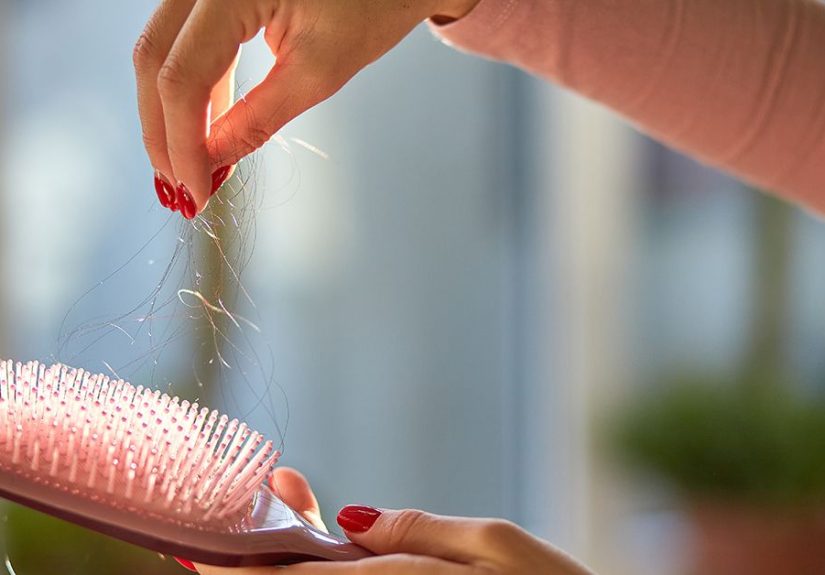
You started a GLP-1 medication, your appetite finally stopped hosting a 24/7 buffet, the scale began moving… and then your shower drain started auditioning
for a role in a horror movie. If you’re thinking, “I signed up to lose pounds, not my ponytail,” you’re not alone.
The good news: the most common “GLP-1 hair loss” story is temporary shedding that improves once your body stops acting like weight loss is a surprise pop quiz.
The better news: there are practical ways to reduce shedding while you keep the health benefits of weight loss.
Quick note: This article is for education, not personal medical advice. If you have sudden patchy bald spots, scalp pain, scaling, or hair loss that keeps worsening, see a clinician or dermatologist.
Is Ozempic Actually “Causing” Hair Loss?
Most of the time, the hair loss people notice while taking GLP-1 drugs (like Ozempic) isn’t the medication directly “poisoning” hair follicles.
It’s more often your body’s response to rapid weight loss, reduced calories, and nutrition gapsa classic setup for a type of shedding called
telogen effluvium.
Here’s a helpful distinction: different semaglutide products have different indications and trial data. In weight-loss trials for semaglutide 2.4 mg
(Wegovy), hair loss was reported more often than placebo. In diabetes trials for semaglutide at Ozempic doses,
hair loss is not typically listed among the most common adverse reactions.
Translation: the “hair loss” conversation tends to follow the weight loss more than the brand name on the pen.
Telogen Effluvium 101: The Most Common “Ozempic Hair” Pattern
Telogen effluvium is a fancy way of saying: “A stressful event pushed a bunch of hairs into the resting phase, and now they’re shedding.”
The key word is diffuseshedding happens all over, not in one neat, dramatic bald circle like a cartoon villain.
What it looks like
- More hair than usual on your pillow, brush, or shower floor
- Your ponytail feels thinner, but you don’t see a single “missing patch”
- Your scalp usually looks normal (no redness, scaling, or pain)
What the timeline usually is
- Delay: Shedding often starts 2–4 months after the trigger (like rapid weight loss, illness, surgery, or a major diet shift).
- Duration: Many cases improve within 3–6 months once the trigger settles and nutrition stabilizes.
- Regrowth: Baby hairs may appear along the hairline and part line as your cycle resets (tiny halo hairs = annoying but encouraging).
Why GLP-1 Weight Loss Can Trigger Shedding
GLP-1 medications can make weight loss feel easier because hunger quiets down and portions shrink naturally. That’s great for your metabolic healthbut
sometimes your hair interprets it as, “We’re in a famine now. Everyone to emergency stations.”
1) Rapid calorie reduction
A large calorie dropespecially if it happens quicklycan act like a physiologic stressor. Your body prioritizes vital systems, and hair growth becomes a
“nice-to-have.” This is the same reason some people shed hair after bariatric surgery or serious illness.
2) Not enough protein (the sneaky culprit)
Protein isn’t just for gym selfies. Hair shafts are made largely of protein, and inadequate intake can contribute to shedding.
With GLP-1 appetite suppression, it’s easy to “accidentally” eat like a sleepy bird and miss your protein target.
3) Micronutrient gaps (iron, zinc, vitamin D, B12, etc.)
When total intake goes down, micronutrients can drop tooespecially if nausea pushes you toward bland carbs and away from nutrient-dense foods.
Iron deficiency (often evaluated with ferritin), zinc deficiency, and thyroid issues can all worsen hair shedding.
4) GI side effects that reduce intake
Nausea, vomiting, constipation, and food aversions can make it hard to eat consistently. Even if your “diet” looks fine on paper, your real intake may be
lower than you thinkespecially during dose escalation.
5) Hidden triggers unrelated to the GLP-1
People often start GLP-1 therapy during a season of life that already includes stress, sleep disruption, hormonal shifts, postpartum changes, illness, or
new medications. Hair shedding is a detective story, not a courtroom drama with one guilty party.
A Step-by-Step Plan to Treat Hair Loss While Staying on Track
Step 1: Confirm the pattern (diffuse vs. patchy)
If hair is shedding all over and started a couple months after weight loss ramped up, telogen effluvium is likely.
If you have patchy bald spots, scalp scaling, pain, or broken hairs, don’t self-diagnoseget evaluated.
Step 2: Check your weight-loss speed
Hair tends to behave better with a “slow-and-steady” approach. If weight is dropping extremely fast, talk to your prescriber about your dose,
side effects, and nutrition strategy. This isn’t about stopping progressit’s about making it sustainable for your whole body, hair included.
Step 3: Do the “protein first” rule at meals
If you can only eat a small portion, make the first bites count. Start with protein before you drift into a couple crackers and the deep, emotional
satisfaction of three grapes.
Practical protein ideas that are GLP-1-friendly:
- Greek yogurt or cottage cheese with fruit
- Eggs or egg bites
- Chicken, turkey, tofu, tempeh
- Protein shake or smoothie (especially on nausea days)
- Beans/lentils + a lean protein add-on
Step 4: Ask your clinician about basic labs
If shedding is significant or persistent, a clinician may consider labs to rule out common contributors:
CBC (anemia), ferritin/iron studies, TSH (thyroid), vitamin D, B12, and sometimes zinc depending on history.
Don’t start a supplement buffet without a planmore isn’t always better.
Step 5: Give your hair a “low-drama” season
During shedding, treat hair like delicate fabric: fewer harsh chemicals, less heat, less traction. Your follicles are already stresseddon’t add a tight
ponytail that could qualify as a scalp facelift.
- Avoid tight braids, extensions, and heavy styles that pull
- Reduce heat styling and harsh bleaching if you can
- Use gentle detangling (wide-tooth comb, conditioner, patience)
- Consider volumizing hairstyles that don’t tug at roots
Nutrition Targets That Support Hair (Without Wrecking Weight Loss)
Hair doesn’t need a miracle. It needs consistency: adequate protein, enough calories to avoid “crash” signals, and key nutrients.
Your goal isn’t to eat more randomlyit’s to eat strategically.
Protein: your anchor
Many clinicians recommend roughly 1.0–1.2 g/kg/day of protein for people actively losing weight (individual needs vary based on body size,
medical conditions, and activity level). If that math makes your eyes cross, use this simpler rule:
aim for a protein source at every meal and a protein-forward snack.
Iron and zinc: don’t guess, verify
Iron deficiency can contribute to shedding and fatigue. Zinc is also important for hair and skin health. If you suspect deficiency,
ask for evaluationthen supplement only as directed.
Healthy fats: the underrated supporting actor
Extremely low-fat diets can leave hair looking dull and can reduce overall diet quality. Include reasonable portions of olive oil, nuts, seeds, avocado,
and fatty fish (if you eat it).
A simple “hair-friendly” day of eating (GLP-1 realistic)
- Breakfast: Greek yogurt + berries + chia seeds
- Lunch: Turkey or tofu salad with olive-oil dressing + whole-grain crackers
- Snack: Protein shake or cottage cheese
- Dinner: Salmon/chicken/beans + roasted veggies + small serving of rice or potatoes
Supplements: Helpful, Hyped, or “Please Don’t”?
If social media is to be believed, hair loss can be cured with gummies shaped like unicorns. In real life:
supplements can help when you have a true deficiency, but they’re not guaranteed to stop telogen effluvium on their own.
What’s usually reasonable
- Correcting a documented deficiency (iron, vitamin D, B12, etc.)
- A basic multivitamin if intake is inconsistent (confirm with your clinician)
What to be cautious about
- Megadose biotin: Often marketed for hair, but can interfere with certain lab tests. Don’t take high doses without guidance.
- “Hair growth blends” with long ingredient lists: quality varies, and you may pay premium prices for fancy labels.
- Too much vitamin A (or retinoid supplements): can worsen shedding in some cases.
Medications & Treatments That Can Help
Topical minoxidil: what to expect
Minoxidil is an over-the-counter topical medication used to stimulate hair growth for certain types of hair loss (most notably pattern hair loss).
Dermatologists sometimes use it as part of a plan when shedding unmasks underlying thinning or when regrowth needs a boost.
It’s not an instant fix: it can take months, and some people notice increased shedding early on as hair cycles shift.
Tips if you’re considering minoxidil:
- Talk with a clinician first, especially if you have scalp conditions or are pregnant/breastfeeding.
- Be consistent; results typically take at least 4 months to judge.
- Stop chasing “stronger” concentrations sold online; stick with evidence-based options.
Dermatology tools beyond minoxidil
If shedding is severe or persistent, a dermatologist may:
- Differentiate telogen effluvium from androgenetic alopecia (pattern thinning) or other causes
- Recommend targeted treatments (which may include prescription options for certain diagnoses)
- Evaluate scalp inflammation, fungal issues, or scarring conditions
- Discuss adjunctive therapies when appropriate (e.g., certain procedures or devices)
When Hair Loss Might Be Something Else
Telogen effluvium is common, but it’s not the only possibility. Get evaluated promptly if you have:
- Patchy hair loss (coin-shaped spots)
- Scalp pain, burning, heavy scaling, or pus
- Broken hairs with itching (possible infection or traction)
- Signs of scarring (shiny scalp, loss of follicle openings)
- Shedding that continues beyond ~6 months without improvement
FAQ: Real Questions People Ask (Usually While Staring Into a Bathroom Mirror)
Should I stop Ozempic if my hair is shedding?
Don’t stop a prescription medication without talking to your prescriber. Often the solution is improving nutrition, slowing weight-loss pace, and ruling
out deficienciesrather than quitting the medication abruptly.
Will my hair grow back?
With telogen effluvium, regrowth is common once the trigger resolves. Hair grows slowly, so “back to normal” may take time.
Think months, not days (unfair, but biologically consistent).
How do I know if it’s “rapid weight loss” versus genetics?
Genetics (pattern hair loss) often shows gradual thinning in a recognizable pattern over years. Telogen effluvium often has a clearer trigger and a sudden
increase in shedding. Sometimes, telogen effluvium can reveal underlying pattern thinning that wasn’t obvious beforeanother reason a dermatologist can be helpful.
What’s the single best thing I can do today?
Eat a protein-forward meal and plan the next one. The “protein first” habit is simple, GLP-1 compatible, and one of the most common gaps during appetite suppression.
Conclusion: Keep the Weight Loss, Protect the Hair
If your hair is shedding on a GLP-1 medication like Ozempic, the most likely storyline is temporary telogen effluvium triggered by rapid
weight loss, reduced intake, or nutrition gaps. The fix is rarely a single magic product; it’s a combination of steady weight loss,
adequate protein, smart lab work, and gentle hair careplus patience while your hair cycle resets.
If shedding is intense, lasts beyond a few months, or looks patchy or inflamed, bring in a professional. Hair loss is emotionally loud even when it’s medically benign.
You deserve clear answersand a shower drain that isn’t filing for a restraining order.
Real-World Experiences: What People Notice, What Helps, and What They Wish They’d Known
The most common experience people describe starts with excitement and ends with a brush full of hair and a sudden talent for catastrophic thinking.
One week you’re celebrating your jeans fitting again; the next week you’re taking dramatic photos of your part line like it’s a true-crime case file.
In clinics, many “GLP-1 hair loss” stories sound similar: the shedding begins after a stretch of rapid progress, especially if nausea or food aversion made meals
feel like a negotiation.
People often say the shedding feels worse than it looksat least at first. Hair shows up everywhere (shower, pillow, black sweatersespecially black sweaters).
That constant evidence can make the loss feel enormous even when density changes are subtle. A typical turning point is realizing the timing matches telogen effluvium:
the shedding often appears a couple months after the “big change” (dose escalation, faster weight drop, a stressful life event, or a period of barely eating).
When someone connects the timeline, the panic dial usually turns down.
What helps most in real life is boring in the best way: consistency. People who do best tend to adopt a small set of rules they can follow even on low-appetite days:
“protein first,” a backup protein shake in the fridge, hydration goals, and a short list of tolerated foods when nausea flares.
Many report that once they stabilized their intakeespecially proteinthe shedding slowed over several weeks.
Not instantly, because hair cycles are not impressed by our desire for immediate results, but noticeably.
Another common theme is the value of a simple medical check-in. People are often relieved to find a correctable contributorlow ferritin, low vitamin D, thyroid
imbalance, or simply not eating enough overall. Even when labs are normal, the reassurance matters. Telogen effluvium has a cruel design: it looks dramatic,
feels scary, and then (most of the time) resolves slowly. Knowing it’s typically temporary helps people avoid impulsive decisions like stopping medication without a plan
or spending hundreds on miracle serums that smell like hope and do nothing like science.
Many people also describe a mental shift: moving from “How do I stop every hair from falling out today?” to “How do I support regrowth over the next few months?”
That’s when routines become gentlerless heat, fewer tight styles, more protective care. Some try topical minoxidil after talking with a clinician, especially if
shedding revealed underlying thinning they didn’t notice before. Others skip medications and focus on nutrition and time. Both approaches can be reasonable depending on
the diagnosis and comfort level.
The biggest “I wish I’d known” is this: you can pursue weight loss and hair health at the same time, but hair likes a steadier pace than your scale does.
If you’re starting a GLP-1, consider building a hair-friendly foundation earlyprotein targets, nutrient-dense meals, and realistic expectationsso you’re not playing
catch-up later. And if shedding happens anyway, it’s not a moral failing or a sign you’ve “ruined” your hair. It’s often your body recalibrating.
With the right support, many people see shedding taper and regrowth returnone tiny baby hair at a time.






 Close
Close