
Table of Contents >> Show >> Hide
- 1) The New North Star: Comfort With Character
- 2) Color Is BackAnd It Brought Snacks
- 3) Natural Materials and Biophilic Design Keep Winning
- 4) Wellness Spaces Go Mainstream
- 5) Smart Home Tech Gets Less “Gadgety” and More Helpful
- 6) Efficiency and Electrification: The Practical Trend With Style Benefits
- 7) Layouts Get Smarter: Less “One Big Room,” More “Right-Sized Rooms”
- 8) Outdoor Living Becomes a Real “Room”
- 9) Resilient Homes: The Trend Nobody Wants to Need (But Everyone Does)
- 10) “Try This, Not That”: A Sanity-Saving Guide to Following Home Trends
- Real-Life Experiences With Home Trends (About )
- Conclusion
If your home could talk, it would probably say: “Can we stop pretending I’m a showroom and start acting like I’m a place where humans actually live?”
Good news2026-era home trends are basically that sentence, but with better lighting and fewer wires showing.
Across the U.S., the big vibe shift is clear: people want homes that feel warmer, more personal, and more practical.
Translation: less “sterile influencer box,” more “I have hobbies and I sleep here.”
Let’s break down what’s in, what’s fading, and how to steal the best ideas without needing a second mortgageor a second personality.
1) The New North Star: Comfort With Character
The strongest interior design trend right now is the rejection of “perfect.”
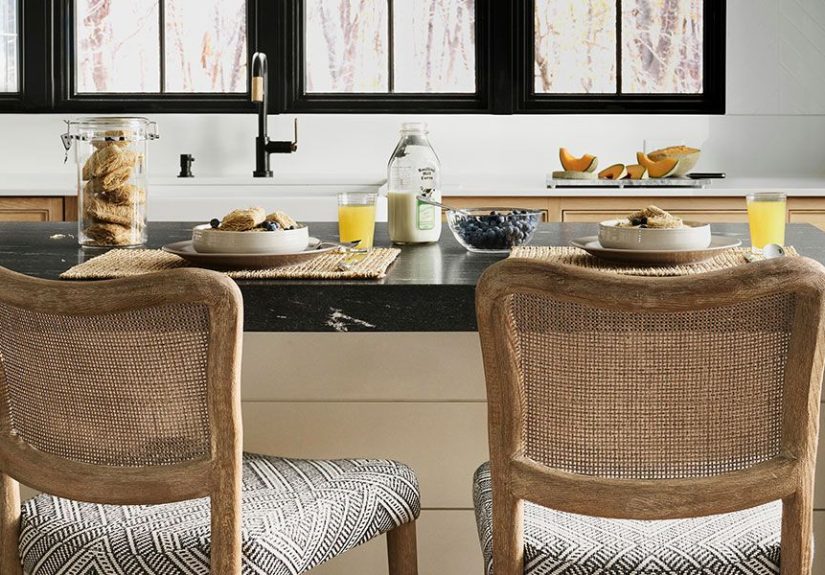
Instead, homeowners are leaning into spaces that look collected over timemixing old and new, celebrating craftsmanship, and embracing textures you can actually feel.
Think warm modernism, heritage details, vintage accents, and “human-hand” finishes that look like a real person made choices here (wild concept!).
Modern heritage (a.k.a. “Grandma’s house, but make it cool”)
Modern heritage style blends traditional architecture cues, natural materials, and handcrafted touches with clean-lined furniture and modern function.
The result is grounded and meaningfulnot theme-y. It’s the design version of a great cast-iron skillet: timeless, useful, and it gets better with age.
Visible texture is the new “wow factor”
Home decor ideas are moving away from ultra-glossy, overly sleek finishes and toward materials that age gracefully: real wood, stone, linen, wool, ceramic, and metal that doesn’t scream “fresh out of a box.”
The goal is to create a home that feels lived-in on purpose.
2) Color Is BackAnd It Brought Snacks
For a while, the internet convinced us every house should be white, gray, or “greige,” like we were all living inside a sad oat milk latte.
Now, color is returningbolder, warmer, and more confident.
Color drenching (yes, the walls are allowed to match)
Color drenchingpainting walls, trim, and sometimes ceilings the same (or closely related) colorkeeps trending because it’s dramatic yet surprisingly calming.
It’s also forgiving: fewer hard contrast lines means fewer “why does this corner look weird?” moments.
Warm neutrals replace cold grays
The “new neutrals” are earthy and rich: clay, ochre, terracotta, mushroom, warm taupe, and mid-tone tans.
They play nicely with wood tones and natural fabrics, and they hide scuffs better than “fridge white.” (Your hallway will thank you.)
Kitchens are getting their personality back
White kitchens aren’t banned, but the all-white-everything era is definitely less dominant.
Expect more color in cabinetry, tile, and even appliancesdeep greens, blues, and warm brownsplus bolder stone and mixed materials.
If your kitchen is the heart of the home, it’s allowed to have a pulse.
Metal finishes: silver and mixed metals return
After years of brass overload, cooler metals (including silver tones) are popping up againoften balanced with warm woods and soft textiles.
Mixed metals are also back, as long as they look intentional: pick a “main character” metal and let the others be the supporting cast.
3) Natural Materials and Biophilic Design Keep Winning
Biophilic designbringing nature’s patterns, light, and textures indoorshas moved from “design buzzword” to “how do I feel better in my own house?”
It’s not just adding plants (though plants help). It’s using natural light, organic shapes, and materials that feel calm and real.
Easy biophilic upgrades that don’t require a greenhouse license
- Layer natural textures: wood, rattan, linen, jute, stone, clay-based finishes.
- Bring in curves: arches, rounded furniture, and soft-edged decor reduce harsh lines.
- Prioritize daylight: lighter window treatments, reflective surfaces, and mirrors that bounce light deeper into rooms.
- Use “greenery that behaves”: snake plants, pothos, ZZ plantslow drama, high reward.
This trend also supports sustainability: choosing durable, repairable materials (and mixing in vintage/secondhand pieces) is both eco-friendlier and more interesting than buying disposable decor on repeat.
4) Wellness Spaces Go Mainstream
The wellness trend isn’t just spa bathrooms with a fancy candle. It’s homes designed to support sleep, calm, movement, and better air quality.
And yes, this includes spaces where you can be alone for five minutes without someone asking for a snack.
What “wellness at home” looks like in real life
- Quiet corners: reading nooks, meditation spots, comfy chairs that aren’t in the TV blast zone.
- Home gyms that don’t feel like punishment: good flooring, better lighting, and storage that hides the chaos.
- Spa-style bathrooms: warmer palettes, natural stone, softer lighting, and fewer “trendy but impossible to clean” surfaces.
- Indoor air upgrades: better filtration, fewer harsh chemicals, and smarter ventilation choices.
Indoor air quality: the underrated glow-up
If you want a truly healthier home, don’t just buy a pretty diffuser and call it wellness.
Focus on source control (reducing pollutants), ventilation, and filtration.
A true HEPA filter can capture extremely small airborne particles, and the EPA emphasizes that reducing pollution sources is often the most effective path to better indoor air.
5) Smart Home Tech Gets Less “Gadgety” and More Helpful
The smartest smart home trend is making tech blend in and reduce frictionwithout turning your living room into a spaceship cockpit.
People want automation that feels invisible: lighting that adapts, window treatments that make sense, thermostats that learn, and security features that don’t look like a bank vault.
High-impact smart upgrades that feel worth it
- Smart thermostats and zoning: comfort where you are, savings where you aren’t.
- Smart window treatments: better temperature control, privacy, and the joy of pressing one button.
- Leak detection + shutoff: the kind of “trend” that prevents heartbreak (and insurance claims).
- Lighting scenes: morning, focus, dinner, movieyour bulbs can do more than “blinding” and “off.”
6) Efficiency and Electrification: The Practical Trend With Style Benefits
Energy-efficient homes aren’t just about being virtuous; they’re about comfort, lower bills, and future-proofing.
Heat pumps, better insulation, upgraded windows, induction cooking, and home batteries are showing up more often in the conversationand, increasingly, in listings.
Heat pumps: the MVP of comfort upgrades
Modern heat pumps can heat and cool efficiently, moving heat instead of generating it through combustion.
In many cases, they can deliver multiple units of heat for every unit of electricity used.
Bonus: they often improve summer comfort and dehumidification.
Tax credits and incentives: not glamorous, but very real
In the U.S., federal tax credits have helped homeowners offset the cost of certain energy-efficient upgrades (with specific limits and eligibility rules).
Even if you’re not planning a full overhaul, it’s worth timing upgrades strategicallyespecially HVAC and insulation.
Induction cooking: a kitchen trend hiding in plain sight
Induction is gaining traction as people remodel kitchens: faster boiling, responsive temperature control, and easier cleanup.
If you cook a lot, it can feel like upgrading from “flip phone” to “smartphone,” but with fewer accidental butt-dials.
7) Layouts Get Smarter: Less “One Big Room,” More “Right-Sized Rooms”
Open concept isn’t dead, but it’s no longer the default dream.
Many renovations now prioritize defined zones: work areas with doors, quieter living spaces, and rooms that can do more than one job without looking like they’re doing multiple jobs.
How to create definition without building a maze
- Use partial dividers: half walls, slatted wood screens, glass partitions, or shelving walls.
- Change materials: different flooring, rugs, or ceiling treatments can “zone” a space visually.
- Built-ins: storage that looks intentional (and hides the reality of life).
- Acoustic helpers: curtains, upholstered furniture, and layered textiles reduce echo in big spaces.
8) Outdoor Living Becomes a Real “Room”
Outdoor living spaces keep leveling up, especially when they’re designed for more months of the year.
Think covered seating, outdoor kitchens, fire pits, heaters, weather-resistant storage, and lighting that makes the backyard feel like an extension of your homenot a dark void where patio chairs go to rust.
What’s trending outdoors
- Outdoor kitchens: not just a grillprep space, storage, and a place people actually gather.
- Fire features: fire pits and fireplaces as focal points that extend the season.
- Garden rooms: pergolas, pavilions, and “outdoor living rooms” with real furniture.
- Low-maintenance landscaping: fewer fragile plants, more resilient design and efficient watering.
9) Resilient Homes: The Trend Nobody Wants to Need (But Everyone Does)
Climate risks and power reliability are influencing what people look forand what sellers highlight.
Resilience features are becoming more visible: better drainage, flood mitigation, fire-resistant materials, backup power, and EV charging.
It’s not doom-and-gloom; it’s responsible comfort.
Resilience upgrades that also feel like lifestyle upgrades
- Whole-home batteries: keeps essentials running during outages.
- EV charging: convenience now, resale appeal later.
- Fire/flood protections: region-specific upgrades that can protect both value and sanity.
- Water management: gutters, grading, sump systemsunsexy but powerful.
10) “Try This, Not That”: A Sanity-Saving Guide to Following Home Trends
Trends should serve your life, not bully your life.
If you’re updating your space, aim for changes that are high-impact, reasonably reversible, and easy to maintainbecause nothing kills a vibe faster than a trend you can’t clean.
Low-regret ways to refresh your home
- Paint strategically: try color drenching in a powder room, office, or bedroom first.
- Upgrade one “hero” material: a stone slab backsplash, a vintage rug, or real wood furniture.
- Swap lighting: it changes a room faster than new furniture (and weighs less).
- Go vintage: a single antique or thrifted piece adds instant character.
- Make storage pretty: built-ins, baskets, and cabinets that look like part of the design.
Real-Life Experiences With Home Trends (About )
Here’s the part most trend roundups skip: what these updates actually feel like after the dopamine hit wears off.
Because living in a home isn’t a photoshootit’s Tuesday night, the dog is muddy, and someone just microwaved fish. Again.
Color drenching, for example, is one of those trends that looks bold online and surprisingly soothing in real life.
Homeowners who try it often describe the room as “quieter,” because the eye isn’t constantly bouncing between bright trim, contrasting walls, and a ceiling that screams “I’m separate!”
The funny part is how fast it becomes normal. Day one: “This is dramatic.” Week two: “Wait… why doesn’t every room feel this cozy?”
The only downside is you may become emotionally attached to your paint color and start naming it like a pet.
The move toward natural materials has a similar real-world effect.
A space with warm wood, textured linens, and stone or clay accents tends to feel less “staged” and more forgiving.
Scratches and wear don’t read as failurethey read as life.
People with busy households love this because it lowers the stress of perfection.
It’s the difference between “Don’t sit there!” and “Sit wherever, just don’t juggle salsa.”
Wellness upgrades might be the most instantly felt trend.
A reading nook becomes the place you escape to for ten minutes of sanity.
Better lighting in the evening makes winding down easier.
Even small air-quality changeslike upgrading filtration or using a portable air purifier in a bedroomcan make a home feel fresher.
The biggest surprise? Wellness features don’t have to be expensive.
Sometimes it’s as simple as creating a “no-clutter zone” that stays clear by design, not by willpower (because willpower is a finite resource and you already used it on work emails).
The smart home experience is also changing.
The best tech updates are the ones you stop thinking about.
A thermostat that quietly learns your schedule feels like your house is looking out for you.
Automated shades can make mornings gentler and afternoons cooler.
Leak sensors are the least glamorous device you’ll ever lovemostly because they prevent the kind of disaster that makes you text your whole family in ALL CAPS.
On the practical side, homeowners who invest in energy-efficient upgrades often say the comfort change is bigger than the bill change.
Heat pumps and better insulation can mean fewer hot/cold spots and less noisy cycling.
Induction cooking converts skeptics fast: it feels precise, it’s easy to wipe down, and it doesn’t heat the whole kitchen like you’re forging a sword.
And finally: outdoor living.
When people add a covered seating area, better lighting, or a fire feature, the backyard stops being “the place we ignore” and becomes “the place we hang out.”
It changes routinescoffee outside, a book after dinner, a quick chat with neighbors.
The real trend isn’t the pergola. It’s how often you use your space once it actually feels inviting.
Conclusion
The most important 2026 home trends aren’t about copying a lookthey’re about building a space that supports your life.
Expect more warmth, more personality, better materials, smarter layouts, and upgrades that make homes healthier, more efficient, and more resilient.
If you take only one idea from this list, let it be this: design for the way you live, not the way you think strangers on the internet want you to live.







 Close
Close