
Table of Contents >> Show >> Hide
- So… What Exactly Is a Fairy Ring?
- Why Are Fairy Rings in My Grass?
- The Three Types of Fairy Rings (And What They Look Like)
- Is a Fairy Ring Actually Harmful to My Lawn?
- Are the Mushrooms in Fairy Rings Safe?
- How to Confirm It’s a Fairy Ring (Not Something Else)
- How to Get Rid of Fairy Rings (Or at Least Make Them Behave)
- How Long Do Fairy Rings Last?
- How to Prevent Fairy Rings (Or at Least Make Them Less Likely)
- When Should You Call a Pro?
- Conclusion: Your Lawn Isn’t HauntedIt’s Just Composting
- Extra: Real-Life Fairy Ring Experiences (The “Wait, This Happened to You Too?” Section)
You step outside, coffee in hand, ready to admire your lawn… and there it is: a suspiciously perfect circle.
Maybe it’s a dark green halo. Maybe it’s a sad, straw-brown ring of “why me?” Maybe it’s a necklace of mushrooms
that looks like your yard hosted a tiny woodland rave overnight.
Before you blame neighborhood pranksters, aliens, or an unusually organized mole: you’ve probably got a
fairy ring. The name sounds magical. The cause is less enchanted and more “biology doing biology.”
The good news: fairy rings are usually more weird than wrecking. The better news: once you know what you’re looking at,
you can manage the symptoms and keep your grass looking like it pays rent.
So… What Exactly Is a Fairy Ring?
A fairy ring is a circular pattern in turf caused by certain soil-dwelling fungi. The fungus grows outward from a starting point
(often a piece of buried organic matter like old tree roots, a decaying stump, or woody debris), expanding year after year.
As the fungal colony spreads, it changes what’s happening in the soilespecially how nutrients and water behavewhich then shows up in the grass above.
Think of the fungus like a slow-moving underground dinner party. As it digests organic matter, it releases nutrients (especially nitrogen)
and sometimes creates a thick, water-repellent zone in the soil. Your lawn responds by either:
(1) getting greener and growing faster in a ring, (2) drying out and browning in a ring, (3) popping up mushrooms in a ring,
or (4) doing a combo platter of the above.
Why Are Fairy Rings in My Grass?
Fairy rings aren’t a sign your lawn is “dirty.” They’re a sign your lawn is… alive. Soil naturally contains fungi, and many are helpful decomposers.
A fairy ring just means one particular fungus found a buffet and decided to expand its territory in a tidy circle.
Common triggers that invite fairy rings
- Buried organic matter: Old tree roots, stumps, construction lumber scraps, or thick thatch can feed fungi.
- Moisture swings: Wet periods followed by heat and drought often make rings more visible.
- Thatch buildup: A thick thatch layer can hold organic material and create the perfect fungal hangout spot.
- Compacted or sandy soils: These can intensify “localized dry spots” when soil turns water-repellent.
- Under-fertilized turf: If the rest of the lawn is nutrient-starved, the nitrogen-rich ring looks extra neon.
The Three Types of Fairy Rings (And What They Look Like)
Turf experts commonly group fairy ring symptoms into three types. Knowing which one you have helps you decide whether to ignore it,
mask it, or go full lawn-science mode.
Type I: The “Why Is My Grass Dying in a Circle?” Ring
Type I fairy rings are the drama queens. The fungal growth can make the soil and thatch hydrophobic
(water-repellent), creating a dry zone where water beads up and refuses to soak in. The turf inside or along the ring can brown, thin, or die,
especially during hot weather. This type is most notorious on highly managed turf (like golf greens), but it can happen in home lawns too.
Type II: The “Neon Green Halo” Ring
Type II rings are the most common “my lawn has a portal” look. The fungus breaks down organic matter and releases
nitrogen, so the grass in a ring becomes darker green and grows faster than the surrounding lawn.
It’s not that the fungus is attacking the grassyour grass is basically getting a free snack.
Type III: The “Mushroom Bracelet” Ring
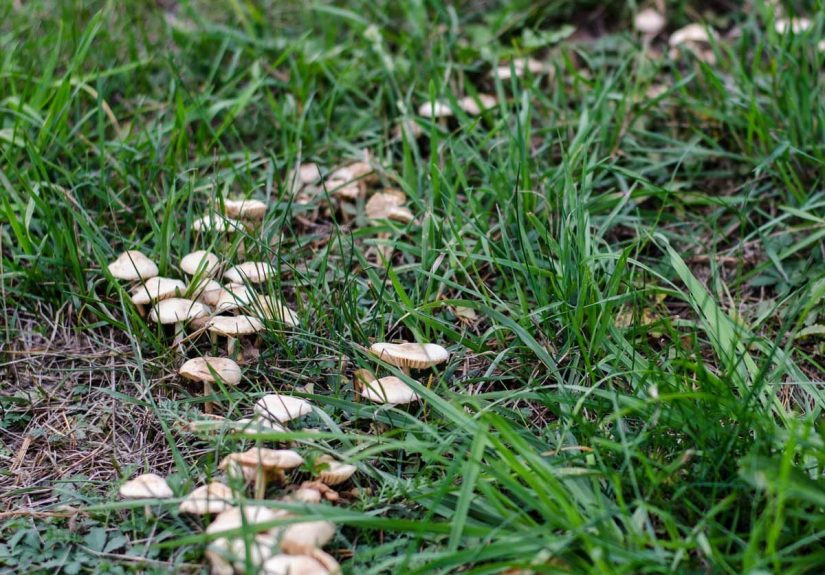
Type III rings show up as a circle or arc of mushrooms or puffballsoften after rainy weather. These mushrooms are the fungus’s fruiting bodies,
like apples on a tree. Removing them doesn’t remove the fungus underground, but it can make your lawn look less like it’s hosting a fantasy novel convention.
Is a Fairy Ring Actually Harmful to My Lawn?
Most of the time, fairy rings are an aesthetic nuisance, not a lawn apocalypse. Type II and Type III are usually cosmetic:
greener grass here, mushrooms there. Type I is the one that can cause real turf loss, mainly because hydrophobic soil makes it hard to re-wet the root zone.
The other “harm” is indirect: weakened turf in the ring can be more prone to weeds or other stress-related issues if the grass thins out.
But in a typical home lawn, fairy rings are more annoying than dangerous.
Are the Mushrooms in Fairy Rings Safe?
Let’s keep this simple: do not eat wild mushrooms from your lawn unless a qualified expert has identified them as edible.
Many lawn mushrooms can be toxic, and “but it grew in a cute circle” is not a food safety category.
If you have kids or pets, it’s smart to remove mushrooms promptly.
How to Confirm It’s a Fairy Ring (Not Something Else)
A few lawn issues can mimic ringslike pet urine patterns, sprinkler coverage gaps, buried debris, or certain turf diseases.
Here’s what makes fairy rings more likely:
- Shape: Fairly circular rings or arcs that slowly expand over time.
- Growth pattern: A band of darker green, faster-growing turf, sometimes with mushrooms on the edge.
- Water behavior: In brown rings, water may bead up or run off instead of soaking in.
- Repeat appearances: Rings often reappear seasonally, especially in warm/wet-to-hot/dry transitions.
If you’re unsure, a local cooperative extension office or a turf diagnostic lab can help confirm what you’re dealing with.
That’s especially useful if large areas are dying or if you’re considering chemical treatments.
How to Get Rid of Fairy Rings (Or at Least Make Them Behave)
Here’s the honest truth: you don’t “erase” a fairy ring overnight because the fungus is in the soil, feeding on organic matter.
The practical goal for most homeowners is symptom control: fix water infiltration, reduce stress, and make the ring less noticeable.
Step 1: Fix the water problem (especially for brown rings)
If you have Type I symptoms (brown/dead ring), treat it like a water infiltration problem first.
- Core aerate: Pulling plugs opens channels for water to move into the soil and breaks up fungal mats.
- Deep soak carefully: Hand-water the ring slowly so water can penetrate instead of running off.
- Use a wetting agent (soil surfactant): These products help water spread and soak into hydrophobic soil. They’re commonly used on tough “localized dry spot” areas.
Step 2: Mask the green ring (Type II) without overfeeding everything
If the ring is dark green and growing faster than the rest of your lawn, it’s often because the fungus is releasing extra nitrogen there.
You can make the ring less obvious by bringing the rest of the lawn up to a healthy baseline:
- Light, even nitrogen application: Fertilize the surrounding turf (not just the ring) according to your grass type and season.
- Mow correctly: Keep blades sharp and follow recommended mowing heights. A ring looks louder when the grass is stressed and uneven.
- Don’t “chase” the ring: Dumping fertilizer only on the ring can make the contrast worse later.
Step 3: Deal with mushrooms the smart way (Type III)
- Mow them: Quick, easy, and often the recommended approach.
- Pick and bag: Especially if kids/pets are around. Dispose of them in the trash.
- Reduce excess moisture: Improve drainage, avoid overwatering, and water early in the day so the lawn dries out.
Important: removing mushrooms does not remove the fungus. It just removes the part you can see.
Step 4: Reduce the fuel source (long-term improvement)
Fairy rings love buried organic matter and thick thatch. Long-term, your lawn benefits from addressing both:
- Dethatch if needed: If thatch is thick, dethatching can reduce the organic layer fungi feed on.
- Topdress lightly: In some turf programs, topdressing (often with sand or a suitable blend) helps dilute organic matter and improve rooting conditions.
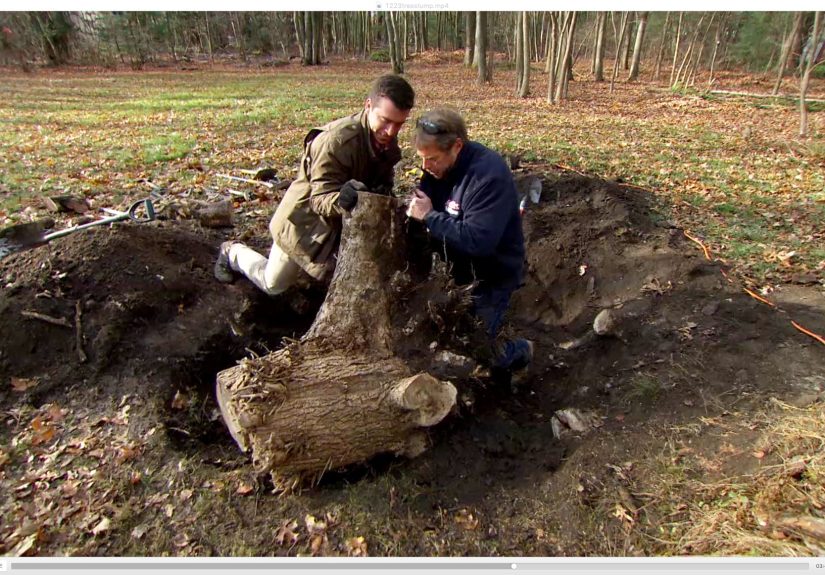
- Address stumps/roots: If a ring is centered over an old stump or buried wood, complete removal is disruptive but can eliminate a major food source.
What about fungicides?
For most home lawns, fungicides are often not the first-line solution. Fairy ring fungi live in the soil and thatch,
and getting products to the right place (and keeping them there) is tricky. On high-value turf (like golf greens), professionals sometimes use specific fungicides
paired with aggressive water management and wetting agentsbut those programs are specialized and timing-dependent.
If your lawn is suffering repeated Type I “killer rings” and cultural steps aren’t working, consult a local extension office or turf pro before using chemicals.
You’ll want the right product, the right timing, and the right application method (often involving heavy post-application watering to move material into the soil profile).
How Long Do Fairy Rings Last?
Fairy rings can persist for years because the fungus keeps expanding outward as it consumes organic matter. The visible symptoms come and go with weather,
mowing, irrigation habits, and how stressed the grass is. The ring might fade when conditions changethen reappear when the fungus gets another perfect stretch of moisture and temperature.
How to Prevent Fairy Rings (Or at Least Make Them Less Likely)
- Water deeply, not constantly: Avoid frequent shallow watering that keeps the surface damp.
- Improve soil health: Aerate compacted areas, build better drainage, and reduce thatch.
- Fertilize based on needs: Consider a soil test so you’re not guessing (or overfeeding).
- Keep mowing consistent: Proper height and sharp blades reduce stress and improve density.
- Remove buried wood when renovating: When doing landscaping or regrading, clean out debris that becomes fungal food later.
When Should You Call a Pro?
Call in help if:
- The ring is expanding fast and turf is dying despite irrigation.
- You see repeated “localized dry spot” that won’t re-wet even with patient watering.
- You manage high-value turf (front yard showpiece, athletic field, golf-quality lawn goals).
- You’re considering fungicides and want a plan that actually matches your grass type, season, and soil.
Conclusion: Your Lawn Isn’t HauntedIt’s Just Composting
Fairy rings are one of those lawn mysteries that look spooky but usually boil down to a fungus doing its job: breaking down organic matter.
If your ring is green, you can often mask it with good mowing and balanced fertilization. If it’s brown, focus on water infiltrationcore aeration, careful deep watering,
and (when needed) a wetting agent to tackle hydrophobic soil. If mushrooms appear, remove them for safety and aesthetics, but remember: the real action is underground.
In other words, you don’t have to defeat the fairy ring. You just have to manage the conditions that make it show off.
And if anyone asks? Yestell them your lawn is so healthy it’s running a full microbial ecosystem. Make that sound impressive. Because it is.
Extra: Real-Life Fairy Ring Experiences (The “Wait, This Happened to You Too?” Section)
If you’ve never seen a fairy ring before, the first encounter is almost always the same: confusion, suspicion, and one quick mental scan for neighborhood kids
holding a rope and a can of green spray paint. Homeowners commonly describe it as “too perfect to be natural,” which is funny, because fungi love a good pattern.
A circle is just the most efficient way for an underground colony to expand from a central pointlike ripples in a pond, but with mushrooms instead of ducks.
One of the most common “experiences” people report is the neon-green growth spurt. You mow on Saturday, everything looks even. By Wednesday,
there’s a ring that’s darker, taller, and somehow smug about it. The grass there isn’t magically healthierit’s often just getting extra nitrogen released as the fungus breaks things down.
That’s why the ring can feel like a lawn flex: “Look at me, thriving.” Meanwhile, the rest of your yard is like, “We would also like snacks, please.”
The practical lesson many people learn: a light, even feeding across the lawn can reduce the contrast, while spot-feeding the ring tends to make it even more noticeable later.
Then there’s the mushroom surprise. It usually happens after a rainy stretch, when you wake up and your lawn has a dotted circle of little umbrellas.
Some folks panic and assume mushrooms mean the lawn is dying. But in many cases, the turf is finemushrooms are just the fruiting bodies doing their “reproduction announcement.”
Families with kids and pets tend to develop a routine: morning walk-through, quick pick-and-bag, trash can. (Not glamorous, but neither is stepping on a puffball barefoot.)
A lot of homeowners also notice that mushrooms pop up in the same general arcs each year, which makes sense if the fungal colony is still active in that soil zone.
The most frustrating experience is the brown “dry ring” that won’t drink. People describe watering it like trying to hydrate a raincoat.
You sprinkle for ten minutes, and the surrounding grass looks happierbut the ring stays crunchy. This is where many lawns teach their owners a new vocabulary word:
hydrophobic. The “aha” moment usually comes when someone tries slow, repeated soaking or uses a wetting agent and suddenly the water starts behaving like, well, water.
Core aeration is another common turning point. Homeowners often report that once they aerate and focus irrigation into the ring area (hand-watering works surprisingly well),
the turf can recoverunless the crowns died during peak heat stress.
And yes, occasionally someone goes full detective: probing the center of the ring and finding old buried wood, a forgotten stump, or construction debris from years ago.
That discovery is oddly satisfying because it turns “mystery circle” into “oh, this is just decomposition with a spotlight.”
The take-home experience most people end up with is reassuring: fairy rings can look dramatic, but they’re usually manageable.
Your lawn isn’t cursed. It’s just hosting a very organized fungus with excellent geometry.





 Close
Close