
Table of Contents >> Show >> Hide
- Quick Weevil 101: What You’re Actually Seeing
- Why Weevils Love Your Pantry (And Why Your Pantry Loves to Host Them)
- How Did It Get in My Food? (Spoiler: Usually Before It Hit Your Kitchen)
- What Foods Do Weevils Infest? The Usual Targets
- Are Weevils Dangerous? Can I Still Eat the Food?
- What to Do Right Now: A Calm, Effective Pantry Reset
- How to Kill Weevils (and Their Eggs) Without Chemical Drama
- How to Prevent Weevils in Food: The “Future You” Plan
- Specific Examples: What This Looks Like in Real Kitchens
- When to Call in Backup
- Conclusion
- Real-World Experiences (500+ Words): The Pantry Weevil Diaries
- SEO JSON Tags
You open a bag of rice, expecting a calm, carb-forward futurethen you spot tiny “pepper specks” that move.
Congratulations (and condolences): you’ve met the pantry weevil. It’s like discovering your groceries came with a
surprise loyalty program… for bugs.
The good news: pantry weevils are common, they’re usually more gross-than-dangerous, and you can absolutely get
rid of them. The better news: this is rarely a sign you’re “dirty” or doing something wrong. The most important
truth: weevils are basically professional hitchhikersyour food can pick them up anywhere from the field to the
warehouse to the store shelf.
Quick Weevil 101: What You’re Actually Seeing
What is a weevil?
A weevil is a type of beetle (snout and all) that loves seeds and grains. Pantry weevils are part of a larger
group called stored-product pestsinsects that infest foods like rice, flour, cereal, pasta,
beans, and pet food once those items are harvested and stored.
Common pantry weevils in the U.S.
If you found weevils in food, the usual suspects are:
- Rice weevil (Sitophilus oryzae)
- Granary weevil (Sitophilus granarius)
- Maize weevil (Sitophilus zeamais)
They’re small (often around 1/8 inch), brownish to dark, and known for a little snout. The rice weevil can fly,
which is unfair, because it’s already doing enough.
Weevil vs. “random pantry bug”
Not every pantry pest is a weevil. Flour beetles, sawtoothed grain beetles, and pantry moths also invade dry goods.
A quick clue: true weevil larvae usually develop inside whole kernels. So if you see tiny beetles
and also notice hollowed-out grains or “dust” at the bottom of a rice container, weevils jump to the top of the list.
Why Weevils Love Your Pantry (And Why Your Pantry Loves to Host Them)
They’re built for dry food storage
Weevils don’t need crumbs on the counter like a sitcom mouse. They thrive on the food itselfespecially whole grains
and seeds. Their superpower is turning a perfectly normal bag of rice into a bug-themed escape room.
They can grow up inside the food
Here’s the “how is this even possible?” part: many grain weevils lay eggs in or on kernels. The egg
hatches into a larva that feeds while hidden, then pupates, and eventually emerges as an adult weeviloften right in
your pantry. That means you might bring home a bag that looks normal, even though the next generation is already
clocking in.
Warmth + time = weevil glow-up
Like many insects, weevils develop faster in warm conditions. A forgotten bag of flour in a cozy cabinet can become
an all-inclusive resort. And because many pantry items sit around for weeks or months, the calendar is on their side.
How Did It Get in My Food? (Spoiler: Usually Before It Hit Your Kitchen)
If you’re wondering whether a weevil marched in through your front door with a tiny suitcase, the answer is:
sometimes, but usually they arrive already inside the product.
1) “It started in the field.”
Some weevil infestations begin before harvest. Adults can infest grain crops outdoors, and eggs may be laid in kernels
that later get harvested, processed, and packaged. By the time you buy the product, the insect is basically “already
in the system.”
2) “It happened during storage or shipping.”
Grains are stored in silos, warehouses, and transport systems where insects can be introduced. If conditions are
favorable, pests can spread from one batch to another. This is why pantry pests are found across the food chainfarm,
storage, store, and home.
3) “It picked up new roommates at the store.”
Grocery stores stock massive amounts of dry goods. If one product is infested, insects can move (or be moved) to nearby
items, especially in bulk bins or tightly packed shelves. Your brand-new bag may have been sitting near an older
infested package long enough for the bugs to wander.
4) “It spread in your pantry.”
Once weevils emerge as adults, they can crawl into nearby foodsespecially if items are opened or stored in paper,
thin plastic, or cardboard. Even “sealed” packaging isn’t always weevil-proof forever.
What Foods Do Weevils Infest? The Usual Targets
Pantry weevils are most famous for rice, but they’re not loyal. They commonly infest:
| Food Category | Examples | Why It’s Attractive |
|---|---|---|
| Whole grains & kernels | Rice, wheat berries, corn, barley, oats | Larvae can develop inside kernels |
| Processed grain products | Flour, cereal, pasta, crackers | Adults may spread from nearby infested grain |
| Legumes & seeds | Dried beans, peas, bird seed | Stored long-term; easy habitat |
| Pet food | Dry dog/cat food, treats | Large bags sit around; high volume |
| “Bonus pantry stuff” | Nuts, spices, baking mixes | Some pantry pests spread broadly |
Important nuance: if you’re seeing insects in flour, it may be a different pantry pest rather than a true grain
weevil (since many weevil larvae prefer intact kernels). But the cleanup and prevention plan is very similar either way.
Are Weevils Dangerous? Can I Still Eat the Food?
In most cases, pantry weevils are considered a nuisance pest, not a medical emergency. They’re not known for spreading
diseases the way some pests can. That said, “not dangerous” is not the same as “delightful.”
What’s the real issue?
- Quality: Infested grains can taste stale, look dusty, or have more “mystery bits” than you bargained for.
- Contamination: Over time you may get insect fragments, shed skins, and waste in the product.
- Allergies/sensitivities: Some people may be bothered by contaminated foods, especially if they have allergies or asthma.
So… do I toss it?
Here’s a practical, food-safety-forward approach:
- Usually toss if the infestation is heavy, the food smells “off,” looks damp, has clumps or mold, or you see webbing (moths) or lots of larvae.
- Consider salvaging if you only see a few insects in a dry product and the food still smells normalespecially for whole grains. Many people choose to discard anyway because the “ick factor” is powerful and valid.
If you’re cooking for someone with a compromised immune system, severe allergies, or you simply don’t want to gamble on
“probably fine,” it’s reasonable to throw it out. Peace of mind is a legitimate kitchen ingredient.
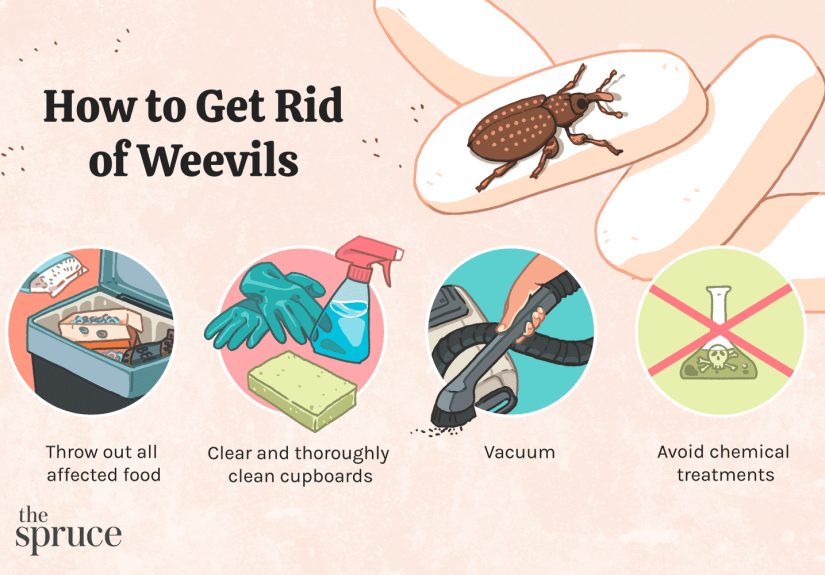
What to Do Right Now: A Calm, Effective Pantry Reset
If you found weevils in rice, flour, or cereal, resist the urge to dramatically set the pantry on fire.
(Fire is not recommended for cabinetry.)
Step 1: Find the source item
Pull everything out of the pantry and inspect the likely foods first: rice, flour, pasta, cereal, baking mixes,
beans, and pet food. Look for live insects, tiny holes in grains, powdery residue, or insects collecting near seams
of packages.
Step 2: Bag infested items before they escape
Place suspect items into sealed bags. This prevents insects from wandering while you decide what to do next.
If you’re discarding, take the sealed bag outside to the trash promptly.
Step 3: Vacuum like you’re paid by the crumb
Vacuum pantry shelves, corners, peg holes, and cracksanywhere eggs or tiny insects could hide. Immediately empty the
vacuum canister or dispose of the bag outside so the bugs don’t stage a comeback tour.
Step 4: Clean thoroughly
Wash shelves with warm soapy water (or a mild cleaner). Pay special attention to corners and shelf supports.
Let everything dry completelymoisture makes stored-food problems worse.
Step 5: Re-store only “clean” items in sealed containers
Transfer dry goods into airtight containers (glass or hard plastic with tight-fitting lids). Label with the purchase
date so older items get used first.
Step 6: Monitor
After cleanup, keep an eye out for new activity over the next few weeks. If you’re seeing flying insects or continued
beetles despite discarding the source, you may have multiple infested itemsor a small hidden stash somewhere you
missed (common culprits: pet food, bird seed, holiday baking ingredients).
How to Kill Weevils (and Their Eggs) Without Chemical Drama
The goal is to eliminate live insects and prevent eggs/larvae you can’t see from developing. Two proven, low-fuss
approaches are cold and heat.
Cold treatment (freezer method)
- Best for: Rice, flour, grains, beans, nuts (check texture afterward), and small packages you want to keep.
- How: Seal the product and freeze it. Many extension recommendations range from several days to up to two weeks, depending on the source and household freezer conditions.
- Practical tip: If you’re unsure, freezing longer is safer. Just remember some foods (like certain nuts) may change texture or pick up freezer odors if not tightly sealed.
Heat treatment (oven method)
- Best for: Some grains/beans where gentle heating won’t ruin the product (not great for everything).
- How: Low heat for a set time can kill insects and eggs. Follow extension-style guidance and use a food thermometer if you’re trying to be precise.
- Reality check: Heat can affect baking performance of flour or flavor of grains, so many people prefer freezing and simply replacing heavily infested products.
What about sprays? Insecticides are generally not the first choice for pantry pests because the core fix is
finding and removing infested food plus cleaning. If a product label specifically allows treatment in pantry cracks/crevices,
follow it exactlyand keep sprays away from food, dishes, and food-contact surfaces. When in doubt, skip chemicals and
focus on sanitation and sealed storage.
How to Prevent Weevils in Food: The “Future You” Plan
Use airtight containers (seriously airtight)
Bags, cardboard boxes, and many “pantry canisters” aren’t truly pest-proof. Use containers with tight-fitting lids.
This does two things: it blocks new infestations and prevents any hidden hitchhikers from spreading to the rest of your pantry.
Freeze new dry goods as a preventive step
If you’ve ever had pantry weevils, consider freezing newly purchased grains (rice, flour, pasta, cornmeal, etc.) for a
preventive period before storing them long-term. This can kill eggs you can’t see and help prevent the next surprise outbreak.
Don’t mix old and new
Topping off a container with new rice on top of old rice is like putting freshmen in the dorm with seniors who’ve
already figured out how to throw parties. Use up older products first, wash containers before refilling, and keep dates visible.
Buy what you’ll use
Pantry pests thrive when foods sit for a long time. If you keep a 25-pound bag of rice “just in case,” store it in
pest-resistant containers and consider periodic freezer storage or portioning into sealed units.
Keep the pantry clean, cool, and dry
Vacuum crumbs, wipe spills, and avoid storing dry goods near heat sources. Warmth speeds insect development and can
shorten the time between “I bought this last month” and “Why is my pasta alive?”
Be cautious with bulk bins and torn packages
Bulk foods can be great, but they’re also exposed to more handling and shared storage. Inspect what you buy, avoid
torn packaging, and transfer foods to sealed containers as soon as they come home.
Specific Examples: What This Looks Like in Real Kitchens
Example 1: “Weevils in rice” discovery
You pour rice into a pot and see small brown beetles floating. You check the bag seam and notice fine dust at the bottom.
In this case: the bag is likely the source. Seal and discard (or freeze to kill live insects first if you need time),
then inspect nearby grains stored in similar packaging.
Example 2: “Flour bugs” after a baking day
You scoop flour and notice tiny insects in the container. Flour often attracts other stored-product pests, but the plan
is the same: isolate the flour, clean the pantry thoroughly, and move future flour storage to an airtight container
(many bakers keep flour in the freezer or fridge, especially in warm climates).
Example 3: The hidden culprit (pet food)
You clean the pantry and still see insects. Then you remember the giant bag of dry dog food in the laundry room.
Stored-food pests love big bags that sit around. Move pet food into a sealed bin and inspect it carefully.
When to Call in Backup
If you’ve removed infested foods, cleaned thoroughly, switched to sealed storage, and you still have ongoing activity,
it may be time to consult a local extension office or a licensed pest professional. Persistent infestations can involve
overlooked food sources, hard-to-reach cracks, or multiple pest species.
Conclusion
Finding a weevil in your food is unsettling, but it’s a very solvable pantry problem. In most cases, weevils arrive as
stowaways from earlier points in the food supply chain, then multiply when they get time and warmth. The winning strategy
is simple: remove the source, clean thoroughly, and store dry goods in airtight containers. Add a preventive
freezer step for new grains if you’ve had repeat issues, and you’ll turn your pantry back into a place for snacksnot surprises.
Up next: a set of real-world “weevil experiences” you’ll recognize (or want to avoid), followed by the SEO JSON tags at the end.
Real-World Experiences (500+ Words): The Pantry Weevil Diaries
If you’ve ever dealt with pantry weevils, you know the emotional arc is always the same: curiosity → denial → investigation
montage → sudden ownership of seven new airtight containers. People often describe the first sighting as a “wait… did that move?”
moment. A few tiny beetles in a rice scoop can look like random specks until one politely walks across the measuring cup like it
owns the place.
One common experience is the midnight snack betrayal. You’re half-asleep, you grab cereal, you pour, and then you
notice a few tiny insects clinging near the inner bag seam. Suddenly you’re awake in a way caffeine can only dream of. In that
moment, many people do the “I’ll just pick them out” mathuntil they realize the bigger issue isn’t the adults they can see, but
the eggs or larvae they can’t. That’s usually when the cereal goes straight into a sealed bag, and the pantry gets an impromptu audit.
Another classic scenario is the baking day plot twist. You’re making pancakes or cookies, you open flour that seemed
fine yesterday, and you spot tiny movement near the surface or around the lid. It’s not that the flour “suddenly became infested” overnight.
More often, conditions finally lined upwarm cabinet, enough timeand the insects reached a visible stage. People who’ve gone through this
often change habits permanently: flour in the freezer, grains in jars, and a new appreciation for labeling dates like a pantry librarian.
There’s also the “But the package was unopened!” experience, which feels deeply unfair. Yet it’s surprisingly common.
Pantry pests can enter the food chain long before you buy the product, and some packaging isn’t a fortress. Many people report discovering
an infestation only after storing an unopened box for weeksespecially holiday baking supplies, bulk grains, or emergency pantry items.
The lesson people tend to take away is practical, not paranoid: transfer dry goods into sealed containers soon after purchase, especially
if you won’t use them quickly.
Then comes the container era. After a weevil incident, it’s typical for someone to upgrade storage: glass jars, hard
plastic bins, gasket lids, and neat labels. It’s not just for aestheticsthough a tidy pantry does feel like a personal victory. It’s
also a way to stop spread. People often mention how empowering it feels to see everything sealed and organized: if one item ever has a
problem again, it stays contained instead of turning the entire pantry into a bug-themed networking event.
Finally, there’s the “I didn’t do anything wrong” realization. Many people start out embarrassed, thinking pantry pests
are a housekeeping judgment. Over time, most learn the more accurate story: weevils are opportunists, and the food supply chain is long.
The most experienced weevil survivors become calm about it: isolate, remove, clean, store better, and move on. No shamejust strategy.
SEO JSON Tags
Information synthesized from U.S. university extension guidance and U.S. government food/storage references (USDA, FDA, and land-grant extension programs).






 Close
Close