
Table of Contents >> Show >> Hide
If you have ever looked at a doctor’s name badge, seen the letters “D.O.”, and thought, “Wait, is that a typo for M.D.?” you are not alone. It is one of the more common medical mysteries, right up there with why your back only hurts on weekdays and why every waiting room magazine is somehow from another decade.
In the United States, an osteopath usually means a Doctor of Osteopathic Medicine, or DO. These physicians are fully trained, fully licensed doctors who diagnose illness, prescribe medication, perform procedures, and practice in every specialty from family medicine to surgery. What makes them different is not that they are “less medical” or somehow outside mainstream healthcare. It is that their training includes a whole-person philosophy and extra education in the musculoskeletal system, along with hands-on techniques called osteopathic manipulative treatment, or OMT.
So, what does that mean for you as a patient? In plain English: a DO can be your primary care doctor, your pediatrician, your ER physician, your OB-GYN, or your surgeon. They may also be especially thoughtful about how your muscles, joints, posture, movement, lifestyle, stress, sleep, and daily habits affect your health. For some patients, that feels refreshingly human. For others, it just feels like good medicine with a few more hands involved.
This guide breaks down what an osteopath is, what osteopaths do, how osteopathic medicine differs from allopathic medicine, what to expect from OMT, and how to decide whether seeing a DO is the right move for you.
What Is an Osteopath?
In American healthcare, an osteopath is generally a Doctor of Osteopathic Medicine. DOs are physicians who attend four years of medical school, complete residency training, pass licensing exams, and can practice medicine across the full spectrum of care. That means they can order tests, treat disease, prescribe medications, perform surgery, and work in hospitals, clinics, urgent care centers, and specialty practices just like MDs do.
The word “osteopath” can confuse people because it sounds like someone who only treats bones. That would be a tidy naming system, but medicine does not always believe in tidy naming systems. Osteopathic medicine is not limited to bones. It looks at how the body’s systems work together and pays special attention to the musculoskeletal system because muscles, joints, nerves, and connective tissue influence comfort, mobility, and overall function.
DO vs. MD: What’s the Difference?
The simplest answer is this: both DOs and MDs are licensed physicians. Both can become primary care doctors or specialists. Both attend medical school and residency. Both treat patients with modern evidence-based medicine. Both can prescribe drugs, admit patients to the hospital, and perform procedures.
The main differences are in training emphasis and philosophy. Osteopathic medical education places added focus on whole-person care, prevention, and the relationship between body structure and function. DO students also receive training in osteopathic manipulative medicine, a set of hands-on techniques used to diagnose, relieve pain, improve movement, and support function in certain patients.
That does not mean every DO uses OMT every day, or that every MD avoids hands-on care. Real life is much messier and much more interesting than neat comparison charts. Many DOs practice in ways that look very similar to their MD colleagues. The difference often shows up in style: more attention to biomechanics, more interest in how symptoms connect, and sometimes more willingness to include hands-on treatment as part of a broader care plan.
What Do Osteopaths Do?
Short answer: pretty much everything licensed physicians do. A DO may diagnose diabetes, manage asthma, treat depression, deliver a baby, repair a fracture, or run an ICU team. Osteopathic physicians work in family medicine, internal medicine, pediatrics, emergency medicine, psychiatry, sports medicine, anesthesiology, surgery, cardiology, neurology, and many other specialties.
What they may do differently is approach your care with a broader lens. Instead of focusing only on the isolated symptom, a DO may ask how sleep, stress, posture, work habits, physical activity, injuries, and other health conditions are interacting. If you come in with headaches, for example, they may think beyond the headache itself and ask about neck tension, jaw clenching, screen time, ergonomics, hydration, and movement patterns.
Whole-Person Care
The philosophy behind osteopathic medicine is often described as whole-person care. That means the doctor is trained to consider the body as an integrated system rather than a pile of unrelated parts that happened to show up to the same appointment. In practice, this can translate into more emphasis on prevention, lifestyle counseling, and how physical structure affects function.
For patients, that may look like a visit where your physician cares not just about your knee pain, but also about your training routine, your shoes, your sleep, your stress level, your recovery habits, and whether your hip mobility is staging a quiet rebellion.
Osteopathic Manipulative Treatment (OMT)
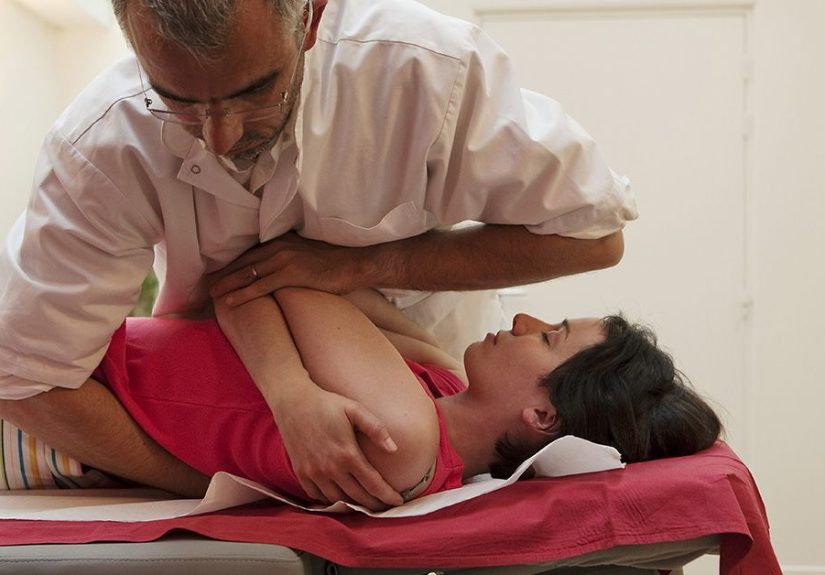
One of the signature tools of osteopathic medicine is OMT. This is a hands-on treatment approach that uses techniques such as stretching, gentle pressure, resistance, mobilization, and in some cases more forceful manipulation. The goal is to improve motion, reduce discomfort, ease muscle tension, and support the body’s function.
OMT is often used for musculoskeletal issues, especially problems involving the back, neck, joints, muscles, and certain types of headaches. A DO might use OMT as part of treatment for low back pain, neck stiffness, overuse injuries, limited range of motion, or muscle imbalance. Depending on the patient and the condition, treatment may feel like guided stretching, pressure on specific tissues, joint movement, or a brief manual adjustment.
Important reality check: OMT is not magic, not a cure-all, and not a replacement for every other kind of treatment. It is one tool among many. Good osteopathic care usually combines clinical judgment, evidence-based medicine, and a realistic plan that may also include exercise, medication, imaging, physical therapy, behavior changes, or referral to another specialist.
What Conditions Can an Osteopath Help With?
Because DOs are fully licensed physicians, they can treat the same medical conditions any physician treats. If you choose a DO as your primary care doctor, they can manage routine checkups, blood pressure, diabetes, infections, preventive screenings, and referrals just like any other primary care physician.
When people specifically seek out an osteopath for the “osteopathic” part of care, they are often looking for help with issues such as:
- Low back pain
- Neck pain and stiffness
- Certain headache patterns
- Muscle tension
- Joint discomfort
- Sports or overuse injuries
- Reduced mobility or range of motion
Research on manipulation and OMT is strongest in the area of back pain, where national guidance has included spinal manipulation among the nondrug options for some patients. That said, the benefits are usually described as modest, not miraculous. OMT can be useful, especially as part of a larger treatment strategy, but it is not necessarily better than every other active treatment. Think of it as a potentially helpful option, not the final boss of pain relief.
What Happens During an Osteopathic Appointment?
If you see a DO for general medical care, your appointment may look completely ordinary. You discuss symptoms, medical history, medications, lifestyle, concerns, and goals. The doctor examines you, orders tests if needed, and recommends treatment. No dramatic table flips. No mysterious chanting. Mostly paperwork and clinical reasoning, just like modern medicine intended.
If the doctor believes OMT may help, the visit may include a hands-on structural exam. They might assess posture, symmetry, muscle tightness, joint mobility, gait, or areas of tenderness. If OMT is appropriate and you agree to it, treatment may happen in that same visit.
How OMT Usually Feels
OMT can feel different depending on the technique. Some methods are very gentle and feel like assisted stretching or pressure release. Others involve moving a joint through a range of motion or using resistance. Some patients feel immediate relief; others feel looser over the next day or two. Mild soreness, stiffness, or temporary discomfort can happen after treatment, which is one reason many doctors recommend hydration, light movement, and avoiding panic after a single crackle-pop moment.
Are Osteopaths Safe?
In the United States, a DO is a licensed physician, so the answer is yes: osteopaths are legitimate medical doctors. The more nuanced question is whether OMT or spinal manipulation is safe for a given person in a given situation. For many patients, minor side effects such as temporary soreness, stiffness, or a mild headache are the most common issues. Serious complications appear to be rare, but risk is not zero, especially with certain types of manipulation and in people with underlying health concerns.
That is why context matters. A good osteopath should review your history, medications, symptoms, and any red flags before recommending hands-on treatment. You should speak up about severe pain, numbness, weakness, recent injuries, surgeries, bleeding problems, or other major medical issues. This is not the time for mystery. Your spine prefers honesty.
Also worth noting: hands-on treatment should not delay evaluation for serious symptoms. If you have chest pain, major trauma, rapidly worsening weakness, loss of bladder or bowel control, unexplained fever, or other urgent warning signs, you need proper medical assessment first. A sensible DO will agree immediately and probably start moving faster than you do.
Are Osteopaths Right for You?
The best reason to choose an osteopath is not because the letters are trendy or because someone on social media said a DO “fixed everything.” It is because you want a physician whose approach fits your needs.
An osteopath may be a great fit if you:
- Want a fully licensed physician for primary or specialty care
- Like a whole-person approach that considers lifestyle, stress, and movement
- Have musculoskeletal pain and want to explore hands-on treatment
- Prefer a doctor who may integrate OMT with standard medical care
- Want prevention and function to be part of the conversation, not an afterthought
A DO may be especially appealing if your symptoms involve posture, mobility, muscle tension, or recurrent back and neck discomfort. That is where the osteopathic approach often feels most distinct.
On the other hand, an osteopath may not be “better” for you simply by title alone. Some DOs do little or no OMT in daily practice. Some MDs are wonderfully holistic, thorough, and hands-on in their style. The smarter question is not “DO or MD?” but rather, “Is this doctor qualified, thoughtful, and a good match for my problem?” That question tends to save everyone time.
Questions to Ask Before You Book
If you are considering an osteopath for pain or mobility issues, ask practical questions:
- Do you use OMT in your practice?
- Have you treated this condition often?
- What does a typical treatment plan look like?
- Will you combine hands-on care with exercise, medication, or physical therapy if needed?
- What side effects should I expect?
Those questions will tell you more than the degree alone. A great physician should be able to explain what they do without sounding like they are auditioning for a wellness documentary.
Final Thoughts
So, what is an osteopath? In the U.S., it is usually a Doctor of Osteopathic Medicine, a fully licensed physician trained in modern medicine with added emphasis on whole-person care and musculoskeletal health. What do they do? Everything from routine checkups to specialty care, with some also offering osteopathic manipulative treatment for selected conditions. Are they right for you? Quite possibly, especially if you want a physician who blends conventional medicine with a broader view of how your body moves, functions, and copes with everyday life.
The best osteopath is not the one with the fanciest website or the most dramatic promise. It is the one who listens carefully, explains clearly, treats appropriately, and helps you move toward better health without pretending every ache needs a miracle. Sometimes, good medicine is less about magic hands and more about smart hands attached to a doctor who sees the whole picture.
Real-World Experiences: What Seeing an Osteopath Can Actually Feel Like
For many patients, the first experience with an osteopath is surprisingly ordinary, and that is usually a good sign. You arrive expecting something exotic, but instead you get a real medical appointment. The doctor asks detailed questions, listens longer than expected, and tries to connect symptoms that may have seemed unrelated. A patient might come in for recurring low back pain and leave talking not just about pain, but also about desk posture, sleep position, stress, exercise habits, and an old ankle injury that changed the way they walk. That broader conversation is often what stands out most.
People who enjoy seeing a DO often describe the visit as feeling more “connected.” Instead of treating one sore area like a random mechanical glitch, the physician may explain how the body compensates. Tight hips can affect the lower back. Neck tension can contribute to headaches. Shallow breathing, stress, and poor sleep can make pain feel louder than it already is. Patients sometimes say this approach feels validating, especially when they have been told for months that everything looks “fine” even though they still feel terrible.
When OMT is part of the visit, experiences vary. Some patients love it immediately because it feels practical and direct. They appreciate that the doctor is not only talking about the problem but also physically assessing how the body moves. Others are unsure at first, especially if they picture dramatic bone-cracking theatrics. In reality, many techniques are gentle. A patient may be guided through stretches, light resistance, positional adjustments, or focused pressure on tight tissues. Sometimes there is a small pop. Sometimes there is no pop at all, which is excellent news for people who do not want their appointment to sound like microwave popcorn.
Results can also vary. Some people feel looser or lighter right away. Others notice gradual improvement over a day or two. Some realize that hands-on treatment helps, but only when paired with strengthening exercises, better workstation setup, or changes in training habits. That is a common and important experience: OMT may open the door, but long-term improvement often comes from what happens afterward. The most successful patients tend to see osteopathic care as part of a plan, not a one-visit rescue mission.
There are also patients who discover that a DO is right for them even when OMT is never used. They simply like the style of care. They feel heard. They appreciate prevention being discussed alongside prescriptions. They like having a doctor who is willing to talk about movement, recovery, lifestyle, and function instead of jumping straight from symptom to medication. For those patients, the osteopathic experience is less about manipulation and more about mindset.
And yes, some patients decide it is not for them. Maybe the hands-on approach does not help much. Maybe they prefer another treatment path. That is normal too. Good osteopathic care should leave room for that honesty. The goal is not to force every problem into an osteopathic box. The goal is to help the patient with the right mix of medical judgment, evidence, communication, and treatment. When that happens, the experience tends to feel less like a trendy healthcare detour and more like what people wanted all along: thoughtful, personalized care that makes sense.




 Close
Close