
Table of Contents >> Show >> Hide
- What Exactly Is Sole Water?
- What’s In Sole Water? Mostly Sodium (Plus a Sprinkle of Trace Minerals)
- Why Do People Drink Sole Water? The Main Claims (and What Evidence Suggests)
- What Health Authorities Actually Say About Sodium (This Is the Part People Skip)
- Potential Benefits of Sole Water (The Realistic, Narrow Version)
- Risks and Downsides: Who Should Avoid Sole Water?
- One More Nuance: Iodine (The Nutrient Fancy Salts Often Don’t Provide)
- If You Still Want to Try Sole Water: A Safer, Smarter Approach
- Better Alternatives for Hydration (Depending on Your Goal)
- FAQ: Quick Answers People Google at 1:00 a.m.
- Experiences With Sole Water: What People Commonly Report (Anecdotes, Not Proof)
- Conclusion
Sole water (pronounced so-LAY) is one of those wellness trends that sounds ancient, mysterious, and slightly
like something a wizard would sip before casting a spell. In reality, it’s much simpler: a salty concentrate (a
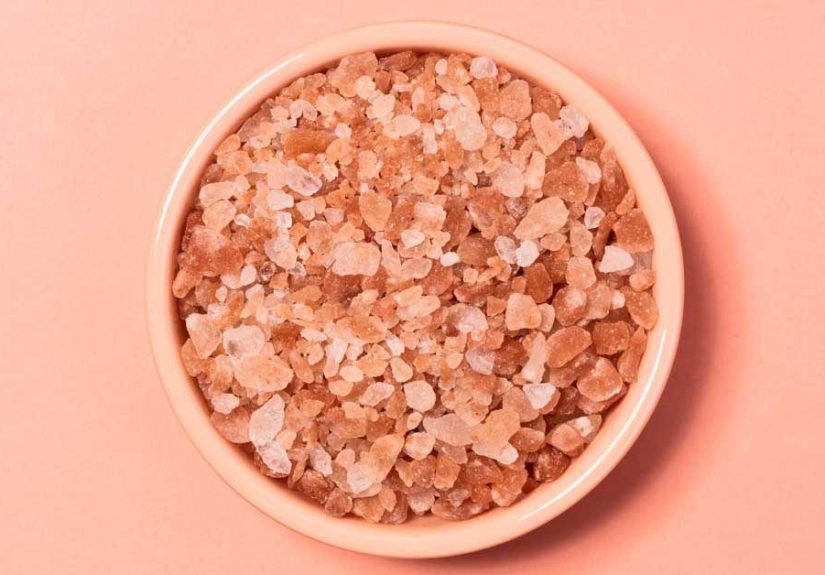
saturated brine) made by dissolving mineral saltusually pink Himalayan saltinto water until no more will dissolve,
then adding a small amount of that brine to a glass of plain water.
Fans say sole water helps with hydration, energy, sleep, muscle cramps, digestion, and “detox.” Skeptics say it’s
basically salt water with great PR. The truth lives somewhere in between: sole water can function like a tiny
electrolyte boost in very specific situations, but most of the big, sweeping health claims aren’t backed by strong
scienceand for many people, the bigger concern is simply getting too much sodium.
Let’s break down what sole water actually is, what it can (and can’t) do, who should avoid it, and what smarter
hydration options look like if your goal is feeling betternot just joining the “morning salt water club.”
What Exactly Is Sole Water?
Sole water is made by creating a saturated salt solution: you add chunky salt crystals to water and let
the mixture sit until the water can’t dissolve any more salt. The remaining undissolved crystals are your clue that
the solution is saturated.
Most DIY methods then call for mixing a small amount of that salty concentrate into a full glass of wateroften
something like a teaspoon of brine in 8 ounces of watertypically consumed in the morning. Some people drink it
daily; others use it occasionally.
How People Make It at Home (Common Method)
- Put chunky mineral salt (often pink Himalayan salt) into a clean glass jar (roughly the bottom quarter of the jar).
- Add water, close the lid, shake, and let it sit (often overnight).
- If all the salt dissolves, add more until some remains undissolved after sittingnow it’s saturated.
- To drink: dilute a small amount of the brine into a full glass of plain water.
Important note: there’s no universally agreed “dose,” and the sodium content can vary depending on how concentrated the
brine is and how much you dilute it. That uncertainty mattersbecause sodium is where most of the real physiological
action (and risk) comes from.
What’s In Sole Water? Mostly Sodium (Plus a Sprinkle of Trace Minerals)
Sole water is essentially salt water. Most saltspink Himalayan includedare mostly sodium chloride,
which is sodium plus chloride. Pink Himalayan salt may contain trace minerals (like potassium, magnesium, calcium, and iron),
but usually in very small amounts that don’t meaningfully change nutrition for most people.
Salt vs. Sodium: Same Family, Not the Same Thing
“Salt” is the compound (sodium chloride). “Sodium” is the mineral inside it that affects fluid balance and blood pressure.
Table salt is about 40% sodium and 60% chloride. One teaspoon of table salt contains roughly
2,400 mg of sodiumwhich is already around (or above) many daily recommended limits. That’s why “just a little
salty water” can add up faster than you’d think.
Trace Minerals: Real, But Not a Free Pass
Many sole water claims lean hard on a true fact: pink Himalayan salt contains trace minerals. The leap happens when the
internet turns “trace minerals exist” into “this will transform your health.” To get meaningful amounts of those minerals
from salt, you’d typically need to consume far more salt than is considered healthymeaning you’d also be taking in a lot
of sodium along the way.
Think of it like adding a single blueberry to a donut and calling it a “superfood breakfast.” The blueberry is real.
The donut is still a donut.
Why Do People Drink Sole Water? The Main Claims (and What Evidence Suggests)
Claim 1: “It Improves Hydration”
Hydration is not just about waterit’s about the balance of fluids and electrolytes (charged minerals like sodium,
potassium, and chloride). Electrolytes help your body regulate fluid levels, nerve signaling, and muscle function.
In certain caseslike prolonged sweating during heat exposure or endurance exercisereplacing sodium can help the body
retain fluid and maintain performance. But for everyday life, most people meet electrolyte needs through food, and plain
water is usually enough.
Bottom line: sole water may help hydration only if sodium loss is actually part of your problem. If you’re not losing
a lot of salt through sweat or illness, adding extra sodium is more likely to be unnecessary than helpful.
Claim 2: “It Boosts Energy”
If someone is mildly dehydrated, simply drinking more fluid can improve how they feelless headache, less sluggishness.
If their diet is extremely low in sodium (rare, but possible), adding sodium could also help normalize fluid balance.
But the “energy boost” many people feel from sole water may be explained by a few non-magical factors:
- They’re drinking water first thing in the morning (many people wake up slightly dehydrated).
- They’re replacing sugary drinks with something lower-calorie.
- They’re following a ritual, and consistent routines can improve how people perceive their day starting.
That’s not nothing. But it’s not evidence that sole water has unique powers beyond hydration behavior.
Claim 3: “It Helps Muscle Cramps”
Muscle cramps are complicated. Electrolyte depletion can play a role for some athletes, but cramps can also be tied to
fatigue, conditioning, heat stress, and neuromuscular factors. If someone is sweating heavily and losing sodium, a salty
drink might be part of a broader strategy (along with fluids and adequate nutrition).
For the average person getting random leg cramps at night, jumping straight to daily salt water is like using a fire
extinguisher to fix a squeaky door: impressive effort, wrong tool.
Claim 4: “It Improves Sleep”
There’s no strong clinical evidence that drinking diluted salt brine improves sleep for most people. In fact, having too
much sodium can increase thirst and fluid retention, and drinking more fluids close to bedtime can backfire by increasing
nighttime bathroom trips.
If sleep is the goal, you’ll usually get better returns from boring-but-effective habits: consistent schedules, less caffeine
late in the day, and treating underlying issues like sleep apnea or restless legs if present.
Claim 5: “It Supports Digestion and Detox”
The word “detox” is often used online as if the body is a dusty attic that needs spring cleaning. In reality, your liver,
kidneys, lungs, and digestive system are already detoxifying you 24/7. If they weren’t, you’d have bigger problems than
whether your water is salty.
Some people report that sole water “gets things moving.” But increased fluid intake alone can affect digestion, and salt
can influence fluid shifts. That doesn’t mean it’s a necessary or superior approachand it’s not a substitute for addressing
fiber intake, gut conditions, or medication side effects.
What Health Authorities Actually Say About Sodium (This Is the Part People Skip)
In the U.S., most teens and adults already consume more sodium than recommendedlargely from packaged and restaurant foods,
not just the salt shaker. Major guidelines commonly recommend limiting sodium to about 2,300 mg per day for adults,
with some organizations recommending even lower targets (such as 1,500 mg) for many people, especially those with high blood pressure.
Here’s why that matters: if your daily eating pattern already pushes you near the upper limit, adding a daily salty drink can
make it easier to overshootwithout delivering a proven benefit.
A Concrete Example: “Just a Quarter-Teaspoon” Adds Up
Because one teaspoon of table salt has about 2,400 mg sodium, even 1/4 teaspoon of salt is roughly
600 mg sodium. That’s a meaningful chunk of a daily limit. Sole water is diluted brine rather than measured salt,
so your actual sodium intake could be hard to estimateone more reason to treat it cautiously.
Potential Benefits of Sole Water (The Realistic, Narrow Version)
If we strip away the miracle claims and focus on plausible physiology, sole water’s possible upsides look like this:
1) It Can Act Like a Mild Electrolyte DrinkIn the Right Context
If you’re doing long workouts, sweating heavily in hot conditions, or spending extended time in heat, replacing sodium can help
maintain fluid balance. Some sports medicine guidance discusses sodium intake as part of hydration strategy during heat exposure and
prolonged exercise. In those situations, sole water might function as a minimalist electrolyte optionthough it’s not standardized like
oral rehydration solutions.
2) It Might Help People Who Simply Don’t Drink Enough Water
Sometimes the “benefit” is behavioral. If a salty morning drink gets someone to hydrate early, they may feel betterless headache,
less sluggishness. The improvement is real, but the cause may be increased fluid intake, not special trace minerals.
3) It Can Replace Sugar-Sweetened Drinks for Some People
If someone swaps a morning sweet coffee drink or juice for water (even lightly salted), they may reduce added sugar and calories.
That can support health goalsagain, not because salt is magic, but because the swap is meaningful.
Risks and Downsides: Who Should Avoid Sole Water?
1) People with High Blood Pressure or Heart Risk
Higher sodium intake is linked with higher blood pressure in many people, and blood pressure is a major driver of heart and stroke risk.
If you have hypertensionor are trying to prevent itregularly adding salt water may work against your goals.
2) People with Kidney Disease, Heart Failure, or Fluid Retention Issues
Many kidney and heart conditions require sodium management because sodium can increase fluid retention and raise blood pressure.
If you’ve ever been told to “watch your salt,” sole water is basically the opposite of that instruction.
3) People on Certain Medications
Diuretics, blood pressure meds, and other medications can affect fluid and electrolyte balance. That doesn’t automatically mean “never drink sole water,”
but it does mean you should not treat it like a harmless wellness hack without checking with a clinician who knows your situation.
4) Anyone Prone to Electrolyte Imbalances
Electrolytes are a balancing act. Too little sodium can be dangerous in specific scenarios, but too much sodium can also cause issuesespecially if you’re
not matching it with appropriate fluid needs.
One More Nuance: Iodine (The Nutrient Fancy Salts Often Don’t Provide)
In the U.S., iodized table salt has historically been an important source of iodine, which the body needs to make thyroid hormones. Many specialty salts
including some pink Himalayan saltsare not iodized. If someone switches entirely from iodized salt to non-iodized “wellness salts,” iodine
intake could drop, which matters most for people who are pregnant or may become pregnant.
This doesn’t mean “never use Himalayan salt.” It means: don’t assume “more natural” automatically equals “more nutritious.” Nutrition is often less poetic than
marketing.
If You Still Want to Try Sole Water: A Safer, Smarter Approach
If you’re generally healthy and curious, and your clinician hasn’t told you to limit sodium, you can reduce risk by treating sole water like a
sometimes drink rather than a daily identity.
Practical Tips
- Don’t replace all your water with it. Most hydration should still be plain water.
- Keep it truly diluted. More concentrated does not mean more beneficialit mainly means more sodium.
- Watch your overall sodium. If your meals are packaged/restaurant-heavy, you’re already getting plenty.
- Skip it when it doesn’t fit. If you notice swelling, unusual thirst, or blood pressure changes, stop and talk to a clinician.
- If you’re using it for workouts, be specific. It’s most relevant for long, sweaty sessions or heat exposurenot a 20-minute casual walk.
And if your goal is recovery from diarrhea, vomiting, or significant dehydration, a proper oral rehydration solution (ORS) is better studied and
designed for that purpose than DIY brine water.
Better Alternatives for Hydration (Depending on Your Goal)
For everyday hydration
- Plain water
- Water with lemon/lime or cucumber slices
- Unsweetened tea
- Foods with high water content (fruits, vegetables, soups)
For heavy sweating or long workouts
- Electrolyte drinks with clearly labeled sodium content
- Salty foods paired with water (often easier to control than a mystery brine)
- Guidance-based hydration strategies if you train in heat or endurance events
For illness-related dehydration
- Oral rehydration solutions (ORS) when appropriate
- Broth or soups (often easier to tolerate than sweet beverages)
- Medical advice if symptoms are severe or persistent
FAQ: Quick Answers People Google at 1:00 a.m.
Is sole water the same as gargling salt water?
No. Salt water gargles are a local rinse for the throat and mouth. Sole water is ingested, and the main systemic concern is sodium intake.
Is pink Himalayan salt “healthier” than table salt?
Pink Himalayan salt may contain trace minerals, but nutritionally it’s still largely sodium chloride. Table salt is often iodized, which can be a nutritional plus.
“Healthier” depends on context, not color.
Can sole water lower blood pressure?
Claims that it lowers blood pressure don’t make physiological sense for most people, since sodium generally tends to raise blood pressure in sodium-sensitive individuals.
If you have blood pressure concerns, follow evidence-based dietary patterns (like DASH) and clinician guidance.
Who should definitely avoid it?
People with high blood pressure, kidney disease, heart failure, significant fluid retention, or anyone advised to follow a low-sodium diet should skip it unless a clinician
explicitly recommends otherwise.
Experiences With Sole Water: What People Commonly Report (Anecdotes, Not Proof)
Because sole water is trendy, you’ll find plenty of personal stories online. These experiences can be interestingand sometimes helpful for understanding why a habit “sticks”
but they’re not the same thing as clinical evidence. Still, patterns show up again and again. Here are some common, real-world reports people share, along with what might
actually be going on behind the scenes.
The “Morning Reset” Crowd
Many people say sole water feels like a “reset button” in the morning: they wake up, drink a glass, and feel more awake. Often, these are folks who previously started
their day with little or no fluid. In that case, the benefit may be simple: hydration. Overnight, you lose water through breathing and sweat, and starting the morning with
a full glass of water can reduce that groggy, dry-mouth feeling. The salt may also make it feel more “purposeful” than plain waterlike a ritual instead of a chore.
The “I Sweat a Lot” Story
Some people swear sole water helps them feel better after long workouts, hot yoga, or outdoor training in summer. This is one of the more plausible anecdotes, especially
for heavy sweaters. Sodium is lost in sweat, and replacing it can help maintain fluid balance. But the key detail is context: the “it worked for me” stories often involve
long, sweaty sessions, not a normal day at an air-conditioned office. Even then, people often report the biggest improvement when they also increase total fluids and eat a
balanced meal afterward.
The “Less Bloat” Surprise (And Why It’s Confusing)
Occasionally, someone reports less bloating after starting sole water, which seems backwards because sodium can increase fluid retention. The explanation is usually
not that salt water defied biologyit’s that something else changed at the same time. Many people begin sole water while also cutting back on ultra-processed foods, cooking
more at home, and drinking more water overall. If they reduced packaged foods (often high in sodium plus other additives) and improved hydration consistency, they might feel
less puffy even if they added a small salty drink.
The “My Blood Pressure Didn’t Love This” Moment
On the flip side, some people report increased thirst, puffiness, or higher blood pressure readings. This is especially common when someone already eats a lot of restaurant
or packaged food and then adds sole water daily. Sodium is cumulative. If your baseline intake is high, even a small addition may nudge you into “too much” territorywhere
you don’t feel better, you just feel… thirstier.
The “It Helped My Digestion” Report
Some people say sole water improves digestion or regularity. Frequently, these same people also started drinking a full glass of water first thing in the morning (a known
nudge for bowel movement timing in some individuals), and sometimes they become more mindful about eating breakfast, adding fiber, or moving their bodies earlier. Fluid,
routine, and fiber are a powerful triono mystical detox required.
If you take anything from these experiences, let it be this: people often feel better when they hydrate consistently, eat fewer ultra-processed foods, and build simple routines.
Sole water might be the “hook” that gets them therebut it’s rarely the only reason they improve, and it’s not risk-free for everyone.
Conclusion
Sole water is a diluted salt brine drinksimple, trendy, and surrounded by big promises. The most realistic “benefit” is situational: it may help as a minimalist electrolyte
strategy for people who truly lose a lot of sodium through sweat or heat exposure, or as a hydration ritual that gets people to drink more fluids. But most of the sweeping
claimsbetter sleep, detox, hormone balancingdon’t have strong evidence behind them.
The real issue for many Americans is sodium: most people already get more than recommended, and adding a daily salt drink can push intake higher without a clear payoff.
If you’re curious, treat it as optional and occasional, keep it diluted, and consider whether plain water, a balanced diet, or a labeled electrolyte drink better matches your goal.
And if you have high blood pressure, kidney disease, heart failure, or sodium restrictions, skip it unless your clinician says otherwise.





 Close
Close