
Table of Contents >> Show >> Hide
- Why this matters (even if you’re busy)
- The first 60 seconds: a quick checklist
- The best option: call the card issuer
- Good alternatives if calling isn’t practical
- Should you go to the police?
- Special situations (because life loves plot twists)
- What not to do (the “please don’t be this person” section)
- How to be helpful without overstepping
- FAQ
- Quick recap: the best path in one minute
- Real-world experiences (common scenarios and what people learn)
- Experience #1: The grocery store checkout surprise
- Experience #2: The parking lot cardaka “the wind’s favorite location”
- Experience #3: The coffee shop “lost-and-found limbo”
- Experience #4: Found in a lobby or elevator (the “same building” advantage)
- Experience #5: The awkward moment when the owner appears
- Conclusion
Finding someone else’s credit card can feel like a tiny moral pop quiz you didn’t study for.
Your brain runs through options fast: “Return it like a hero?” “Ignore it like a raccoon in sunglasses?”
“Accidentally become the main character in a true-crime podcast?” Relax. The best move is simple:
protect the cardholder, protect yourself, and get the card back into the right hands without turning it into a whole thing.
This guide walks you through exactly what to do (and what absolutely not to do) if you find a credit card in the U.S.
You’ll get quick steps, real-world examples, and a few “please don’t do this” remindersbecause common sense is not always common,
especially in parking lots.
Why this matters (even if you’re busy)
A lost credit card is a high-speed inconvenience machine. If the card falls into the wrong hands, the owner could be dealing with
fraud alerts, replacement cards, autopay failures, and the kind of customer-service hold music that makes you question reality.
Even when cardholders have strong protections, time matters: the faster a card is reported, the easier it is for the issuer to shut it down
and prevent problems.
Also, and this is important: you don’t want your good deed to accidentally put you in a weird situation. The goal is to be helpful
without taking responsibility for someone else’s financial life (or becoming “the person who had my card” in their story).
The first 60 seconds: a quick checklist
Do this
- Pick it up and keep it secure (a pocket or wallet is finejust don’t leave it on a counter like it’s a free sample).
- Take a breath and look around: Is the owner nearby? Did it drop in a checkout line or at a café table?
- Note where and when you found it (mentally is okay). That info can help staff or the issuer.
- Plan to contact the issuer using the phone number on the back of the card (best option in most cases).
Don’t do this (seriously)
- Don’t test it “just to see if it works.” That’s not curiosityit’s unauthorized use.
- Don’t post a photo online (even “I found this, message me!”). That exposes sensitive details and invites scams.
- Don’t hand it to a random stranger claiming it’s theirs unless you can verify it in a safe, reasonable way.
- Don’t take it home and forget about it. Good intentions don’t stop fraud.
The best option: call the card issuer
If you can, call the customer service number on the back of the card. Tell them you found a card and want to report it.
This works because the issuer can immediately flag the account, contact the cardholder through verified channels, and decide whether to
cancel the card and send a replacement.
In many cases, the issuer will tell you one of two things:
(1) destroy the card (cut through the chip and magnetic stripe), or
(2) return it to a local branch or a specified address.
Follow their instructions and keep it short and simple.
A simple script you can use
“Hi, I found a credit card with your network/issuer name on it. I’m not the cardholder. I want to report it found so you can notify the owner.
What would you like me to do with the card?”
What you should NOT share on the call
- Don’t read the full card number out loud unless you’re specifically asked and you’re comfortable doing so.
- Don’t offer personal guesses about the owner (“I think it belongs to a guy who looks like a Kevin”).
- Don’t give your Social Security number (yes, people still get asked for things in confusing waysjust don’t).
If the representative asks for identifying details you don’t want to provide, you can simply say:
“I’d rather not share personal infocan you note the card as found and advise me how to dispose of it safely?”
Good alternatives if calling isn’t practical
1) Turn it in to the business where you found it
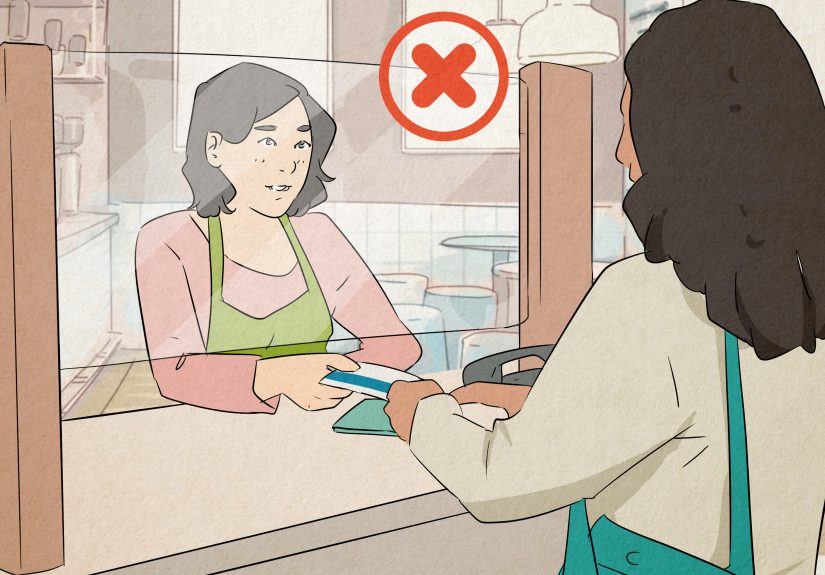
If you found the card inside a store, restaurant, bar, gym, or event venue, hand it to a manager or the customer service desk.
Many businesses have lost-and-found procedures and may be able to match the time and location with receipts or security footage.
Quick tip: ask the staff member to place it somewhere secure (like a safe or locked drawer), not on a public counter.
2) Bring it to the issuing bank’s local branch (when obvious)
Sometimes the card clearly belongs to a specific bank or credit union (not just a payment network). If there’s a branch nearby,
you can take it in and say, “I found this card and want to turn it in.” Branch staff can route it internally.
If you’re not sure whether the logo is the bank or just the network, default to calling the number on the back.
3) Use campus security or building management (situationally helpful)
Found it in an office building, dorm, or apartment complex? The front desk, concierge, or campus security may have a standard process.
This can be especially effective if the owner is likely part of that community and can be reached quickly.
Should you go to the police?
In most everyday situations, calling the issuer or turning it in to the business is faster and more practical than visiting a police station.
That said, police or transit authorities can be reasonable options if:
- You found the card alongside other items that suggest a larger theft (wallet + IDs + multiple cards dumped together).
- You found it in a high-security area (airport, courthouse, government building) where procedures require reporting found property.
- You’re uncomfortable handling it and need a formal handoff.
If you do report it, keep expectations realistic: they may log it and dispose of it, or they may direct you to contact the issuer anyway.
Special situations (because life loves plot twists)
If you find a card in an ATM
If a card is sticking out of an ATM or sitting on the machine, don’t try to “helpfully” finish the transaction or move money “for safekeeping.”
The safest move is to notify the bank that owns the ATM (there’s usually a phone number on the machine) or alert a bank employee
immediately if it’s inside a branch lobby.
If it’s a debit card (not credit)
Debit cards can create bigger immediate risk for the owner because they’re linked to a bank account. As the finder, your steps are basically the same:
call the number on the back, report it found, and follow instructions. If you’re turning it in, do it quickly.
If you found it with a wallet and ID
If there’s a driver’s license or other ID with an address, it can be tempting to play delivery service. This can be okay in low-risk contexts,
but use common sense:
- If it’s nearby and daylight, you might drop it off at the building’s front desk (not under the doormat like a sitcom).
- If it’s far away or you’re unsure, call the issuer and/or turn it in to a trusted authority (business, campus security, police).
- Don’t put yourself in danger by approaching someone’s home at night.
If it looks damaged or expired
Even an expired card can still have usable account information printed on it. Treat it like a live card: report it found or destroy it per issuer instructions.
What not to do (the “please don’t be this person” section)
Let’s be extremely clear: using someone else’s credit cardeven “just for a soda”is not a quirky life hack. It’s unauthorized use and can be treated
as fraud or theft. Also, “I was going to return it afterward” is not the legal shield people think it is.
Avoid these common mistakes:
- Don’t search the person on social media and DM them with card details. Scammers do that too, and it can backfire.
- Don’t share the card number with anyone “trying to help.” The issuer does not need a group chat.
- Don’t put it in your bag and travel with it. The longer it stays with you, the messier the story gets.
How to be helpful without overstepping
If the cardholder shows up while you’re still there, you can return itjust do a quick sanity check first.
A reasonable approach in public:
- Ask them to confirm the name on the card.
- Ask them to confirm something non-sensitive like the last four digits only if you can see them on the card (don’t ask for a PIN).
- If you’re unsure, offer to hand it to the manager instead.
You’re not running airport security. You’re just trying to make sure you’re handing a financial instrument to the right human.
FAQ
Should I cut up the card immediately?
If you can call the issuer first, do thatthey may want specific handling. If calling is not possible and you can’t safely return it,
destroying it (cutting through the chip and the magnetic stripe) prevents misuse. But when in doubt, contact the issuer.
What if the card has no customer service number?
Most cards do. If it’s missing or unreadable, turn it in to the business where you found it or bring it to a nearby branch of the bank on the card.
Can I drop it in the mail?
Mailing a card can be unreliable, and you don’t want it to get “found again” en route. If you do mail it, use a secure method and address it to the issuer
(not to the name on the front). In most cases, calling the issuer or turning it in locally is better.
Will the cardholder get in trouble because I turned it in?
Generally, no. Reporting a found card helps the issuer protect the account. The cardholder might still need a replacement, but that’s a normal part of the process.
Quick recap: the best path in one minute
- Don’t use it. Don’t post it. Don’t hand it to random strangers.
- Call the number on the back and report it found.
- Follow issuer instructions (destroy it or return it to a branch/location).
- If you found it in a business, hand it to a manager or customer service desk.
- If it’s part of a bigger theft or you feel unsafe, use an official handoff (campus security/transit authority/police).
Real-world experiences (common scenarios and what people learn)
Below are a few true-to-life scenarios that come up all the time. These are composite “everyday experiences” based on common outcomes people report
not a single person’s storyso you can recognize the situation fast and choose the cleanest next step.
Experience #1: The grocery store checkout surprise
Someone finishes paying, grabs their bags, and leaves their card sitting on the counter like it’s part of the décor. The next customer spots it and faces
a classic split-second decision: shout after them, hand it to the cashier, or pretend they saw nothing and keep buying grapes.
In this scenario, the simplest move is often the best: hand it to the cashier or customer service desk immediately.
Big retailers usually have a routine for lost cards. The faster staff secures it, the more likely the owner can come back within minutes and cancel the panic spiral.
The lesson people learn: “Good deeds” work better when they’re quick and boring. No speeches, no selfies, no detective workjust a clean handoff.
Experience #2: The parking lot cardaka “the wind’s favorite location”
You’re walking to your car and see a credit card face-down on the asphalt. There’s no obvious owner, and the area is wide openmeaning someone else can scoop it
up five seconds after you walk away. People sometimes hesitate here because they’re worried about looking suspicious.
What tends to work best: pick it up, step aside, and call the issuer number on the back. In many cases, the issuer’s representative simply marks it
as found and cancels it to prevent fraud. That can feel a little anticlimacticlike you wanted a “returned to grateful owner” movie endingbut it’s actually
a good outcome. The lesson: the issuer can protect the account immediately, and “boring” is the goal.
Experience #3: The coffee shop “lost-and-found limbo”
A barista finds a card near the pickup station and puts it behind the counter. Hours pass. The owner doesn’t return. Meanwhile, a parade of customers asks,
“Did someone turn in a card?” This is where confusion can creep in: who should hold it, for how long, and what if someone falsely claims it?
Many businesses will eventually destroy the card or contact the issuer, but the best practice is to secure it and limit how many people handle it.
If you’re the finder and you can do so safely, offering to call the issuer can help staff who are slammed with orders. The lesson: the longer a card sits in public,
the more opportunities there are for a mix-up. Quick action prevents weirdness.
Experience #4: Found in a lobby or elevator (the “same building” advantage)
Cards found in apartment or office lobbies have a higher chance of belonging to someone nearby. People sometimes try to “help” by posting in a building group chat:
“Found a card for J. SmithDM me!” The intention is good, but it creates an opening for impostors and spreads personal info.
A safer approach is to hand it to the concierge/front desk and let them contact residents using internal channels, or call the issuer.
The lesson: keep personal details off public feeds, even neighborhood ones. Privacy is part of being helpful.
Experience #5: The awkward moment when the owner appears
Sometimes, the owner runs backbreathless, stressed, and convinced the universe is against them. People who’ve been in this moment often say the best move is calm,
simple, and quick: confirm the name on the card, hand it over, and encourage them to check their account activity just in case.
The lesson: don’t lecture them, don’t joke about “finder’s fee” (unless you like awkward silence), and don’t keep the interaction longer than it needs to be.
If you take anything from these experiences, take this: speed + discretion + issuer contact is the winning combination. You’re not just returning plastic;
you’re cutting off a potential fraud problem before it grows legs.
Conclusion
If you find someone’s credit card, the best thing you can do is act quickly, keep it secure, and let the issuer or a trusted authority handle the next steps.
Call the number on the back, report it found, and follow instructions. Avoid posting it online, avoid handing it to strangers, and definitely avoid using it.
Do the right thing in a way that’s simple, safe, and drama-freebecause the only thing that should be “charged” today is your phone battery.





 Close
Close