
Table of Contents >> Show >> Hide
- What Is the Drug That Grows Thick Eyelashes?
- How Does Bimatoprost Make Eyelashes Grow?
- What Is Eyelash Hypotrichosis?
- Is Latisse the Same as an Over-the-Counter Lash Serum?
- Who Might Consider Bimatoprost for Eyelashes?
- What Results Can You Expect?
- What Happens If You Stop Using It?
- Possible Side Effects of Bimatoprost
- Can It Cause Hair Growth in the Wrong Places?
- Who Should Be Extra Careful?
- Bimatoprost vs. Mascara, Extensions, and Lash Lifts
- Common Myths About the Drug That Grows Eyelashes
- Questions to Ask Before Trying Bimatoprost
- How to Think About Safety
- Experience-Based Insights: What Realistic Users Often Notice
- Conclusion: Is the Drug That Grows Thick Eyelashes Worth Knowing About?
Note: This article is for informational purposes only. Bimatoprost for eyelash growth is a prescription medication, not a casual beauty experiment. Anyone considering it should speak with a licensed healthcare professional, especially if they have eye conditions, use glaucoma medication, wear contact lenses, are pregnant, or have a history of eye irritation.
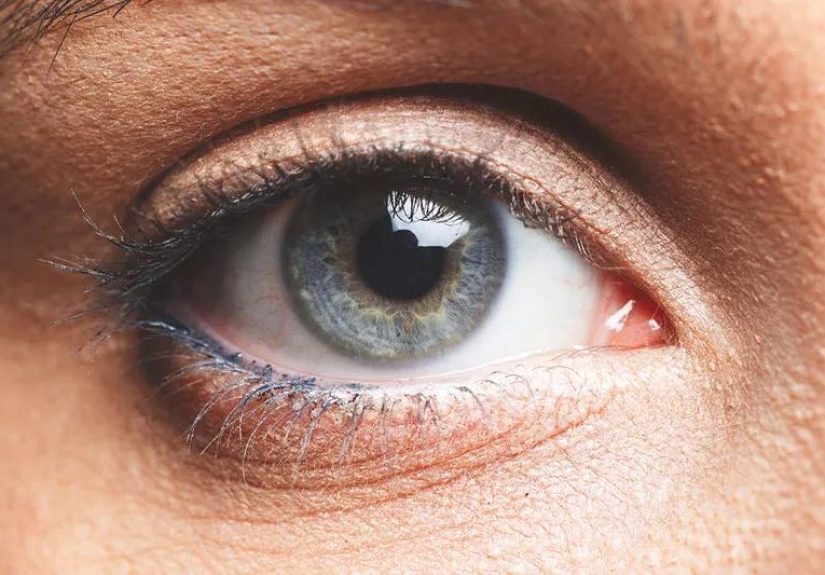
There are beauty products that promise “wow lashes,” and then there is bimatoprost, the prescription drug best known by the brand name Latisse. Unlike a mascara that makes lashes look longer until the next face wash, this medication can actually help eyelashes grow longer, darker, and fuller over time. In other words, it is not just giving your lashes a motivational speech. It is changing the way the lash growth cycle behaves.
But before anyone starts picturing cartoon-princess eyelashes fluttering dramatically in slow motion, there is a catch: this is real medicine. It has real benefits, real limitations, and real possible side effects. The drug that grows thick eyelashes can be helpful for people with eyelash hypotrichosis, a condition where a person has fewer or thinner lashes than usual. It may also appeal to people who simply want more noticeable natural lashes, but it should be approached with the same seriousness as any prescription treatment used near the eyes.
What Is the Drug That Grows Thick Eyelashes?
The drug most often discussed for growing thicker eyelashes is bimatoprost ophthalmic solution 0.03%. It is sold under the brand name Latisse and is also available in generic prescription forms. Bimatoprost belongs to a class of medications called prostaglandin analogs. These medicines were originally used in eye care to help lower eye pressure in people with glaucoma or ocular hypertension.
The eyelash effect was noticed as a side effect in patients using bimatoprost eye drops. Their lashes were not just showing up for work; they were clocking overtime. Researchers later studied the effect specifically for eyelash growth, and Latisse became the first FDA-approved prescription treatment for eyelash hypotrichosis.
How Does Bimatoprost Make Eyelashes Grow?
Eyelashes grow in cycles. Like scalp hair, they go through a growth phase, a transition phase, and a resting phase. Bimatoprost is believed to work by influencing the growth phase of the eyelash cycle, helping lashes stay in that phase longer. The result may be longer lashes, increased thickness, and darker-looking lashes over several weeks of consistent treatment.
The exact mechanism is not fully understood, which is science’s way of saying, “We know it works, but the lash follicles are keeping some secrets.” What is clear is that bimatoprost does not produce instant results. It is not a magic wand in a tiny bottle. Most people who respond need weeks to months before they see meaningful changes, with fuller results often discussed around the 16-week mark in clinical materials.
What Is Eyelash Hypotrichosis?
Eyelash hypotrichosis means having an inadequate amount of eyelashes. This may involve lashes that are sparse, short, thin, or less visible than expected. The cause can vary. Some people naturally have fewer lashes. Others may experience lash thinning due to aging, certain medical treatments, inflammatory eyelid conditions, overuse of extensions, aggressive makeup removal, or underlying health issues.
It is important not to assume every lash problem is cosmetic. Sudden eyelash loss, patchy lash loss, irritation, crusting, pain, swelling, or redness around the eyes should be evaluated by a clinician. Sometimes the problem is not that the lashes need “growth energy.” Sometimes the eyelids need medical attention, better hygiene, or treatment for inflammation.
Is Latisse the Same as an Over-the-Counter Lash Serum?
No. This is one of the biggest points to understand. Latisse is a prescription medication. Many over-the-counter lash serums are cosmetics that may condition lashes, reduce breakage, or make lashes appear healthier. Some contain peptides, panthenol, biotin, botanical oils, or moisturizing ingredients. Those may help lashes look better, but they are not the same as FDA-approved bimatoprost for eyelash growth.
Some cosmetic lash serums also contain prostaglandin-like ingredients. That can get confusing because the marketing may sound similar. However, a cosmetic serum with a prostaglandin analog is not automatically equivalent to prescription bimatoprost. The safety data, regulation, concentration, and medical oversight can be very different. When it comes to products used near the eyes, “close enough” is not a comforting phrase.
Who Might Consider Bimatoprost for Eyelashes?
Bimatoprost may be considered for adults with sparse or inadequate eyelashes who want a medically proven option and are willing to follow professional guidance. It may be discussed with a doctor, dermatologist, ophthalmologist, or other qualified prescriber. People who have lost lashes after certain medical situations may also ask whether this treatment is appropriate for them.
However, it is not right for everyone. Anyone with eye pressure problems, glaucoma, uveitis, macular edema risk, eye surgery history, chronic eye irritation, or ongoing eyelid inflammation should be especially careful. People using medications that affect eye pressure should not treat bimatoprost like a harmless beauty accessory. It may interact with eye-pressure management and should be monitored by a professional.
What Results Can You Expect?
When bimatoprost works, the most noticeable changes are usually improved lash length, darker lash appearance, and increased fullness. The lashes may look more visible without mascara. Some users describe the results as natural but enhanced, like their lashes finally learned how to use good lighting.
Results are gradual. That matters because people sometimes quit too early or overuse products when they do not see a dramatic change in two weeks. More is not better with prescription eyelash medication. Using extra does not create faster growth and may increase irritation or unwanted side effects.
What Happens If You Stop Using It?
The results are not permanent. If bimatoprost is stopped, eyelashes are expected to gradually return to their previous appearance as the natural lash growth cycle continues. This does not usually happen overnight. Instead, lashes shed and regrow over time, eventually looking closer to how they did before treatment.
This is an important expectation to set. Bimatoprost is more like maintaining a garden than installing fake grass. The results require ongoing use under medical direction. Once treatment stops, the lash follicles do not keep the upgraded growth pattern forever.
Possible Side Effects of Bimatoprost
The most common side effects reported with bimatoprost eyelash treatment include itchy eyes, eye redness, eyelid skin darkening, irritation, dryness, and temporary discomfort around the application area. Some people may also experience watery eyes, eyelid swelling, or sensitivity.
One of the more serious cosmetic concerns is darkening of the iris, especially increased brown pigmentation in the colored part of the eye. This effect is considered uncommon when the medication is used correctly on the eyelid margin, but it is important because iris color change may be permanent. Eyelid skin darkening, on the other hand, may improve after stopping the medication, though not always immediately.
Another concern discussed with prostaglandin analogs is change around the eyelids, including a deeper-looking eyelid crease or hollowing around the eyes. Not everyone experiences this, and the risk may depend on individual factors, medication exposure, and how the product is used. Still, it is worth discussing with a clinician before starting treatment, especially for people already concerned about under-eye hollowing or eyelid changes.
Can It Cause Hair Growth in the Wrong Places?
Yes, unwanted hair growth can happen if the medication repeatedly touches skin outside the intended area. That is why precision matters. If bimatoprost regularly drips or spreads beyond the upper lash line, it may encourage hair growth on nearby skin. Nobody signs up for “surprise cheek fuzz” as a beauty goal.
This is another reason medical guidance is important. A prescriber can explain safe use, hygiene, contact lens precautions, and what to do if irritation develops. The eyes are not a good place for improvisation.
Who Should Be Extra Careful?
People with a history of eye disease should be especially cautious. This includes those with glaucoma, high eye pressure, eye inflammation, retinal conditions, previous eye surgery, or chronic dry eye. Contact lens wearers should also ask about proper timing and lens hygiene. People who are pregnant, planning pregnancy, or breastfeeding should discuss risks and alternatives with a healthcare professional.
Anyone who develops eye pain, vision changes, severe redness, swelling, discharge, signs of infection, or a sudden change in eye appearance should stop guessing and contact a medical professional promptly. The internet is excellent for cookie recipes and questionable for eye emergencies.
Bimatoprost vs. Mascara, Extensions, and Lash Lifts
Mascara provides instant drama but washes off. Lash extensions create immediate fullness but require maintenance and can sometimes contribute to lash breakage if applied poorly or removed aggressively. Lash lifts curl existing lashes but do not grow new ones. Conditioning serums may improve softness or reduce breakage, but they do not have the same evidence as prescription bimatoprost.
Bimatoprost is different because it works through the lash growth cycle. It is slower but more biological. That can make it appealing to people who want their own lashes to look better rather than relying on cosmetics. The tradeoff is that it comes with medical precautions and possible side effects.
Common Myths About the Drug That Grows Eyelashes
Myth 1: It Works Overnight
Nope. If a product promises prescription-strength lash growth by breakfast, your skepticism should be fully caffeinated. Bimatoprost takes time because eyelashes grow gradually.
Myth 2: More Product Means More Growth
Using more than directed does not mean better lashes. It may increase the chance of irritation, skin darkening, or unwanted hair growth. Eyelash follicles are not impressed by impatience.
Myth 3: All Lash Serums Are Basically the Same
They are not. Prescription bimatoprost has a specific active ingredient and medical labeling. Cosmetic serums vary widely in ingredients, claims, and safety data.
Myth 4: If It Is for Beauty, It Cannot Be Serious Medicine
Beauty-related treatments can still be real medications. Botox, acne prescriptions, retinoids, chemical peels, and bimatoprost all prove that cosmetic goals and medical science often share the same bathroom shelf.
Questions to Ask Before Trying Bimatoprost
Before considering the drug that grows thick eyelashes, it is smart to ask a healthcare professional a few practical questions. Am I a good candidate? Do I have any eye conditions that make this risky? Could it affect my eye pressure? What side effects should I watch for? How long should I use it before judging results? What should I do if my eyes become red or itchy?
These questions help turn a beauty decision into an informed health decision. That is the goal: prettier lashes without playing roulette with the eyes.
How to Think About Safety
Safety starts with remembering that the medication is used near one of the most delicate areas of the body. The skin around the eyes is thin, the eye surface is sensitive, and contamination can cause problems. Sharing applicators, using old products, applying medication carelessly, or combining multiple lash products can raise the risk of irritation.
People should also be careful with before-and-after photos online. Some are real, some are edited, and some are taken with better lighting, curled lashes, mascara, or a camera angle doing Olympic-level work. Clinical expectations should come from medical sources, not from a dramatic selfie caption that says, “My lashes changed my life.”
Experience-Based Insights: What Realistic Users Often Notice
Many people who explore bimatoprost for eyelashes start with the same hope: they want natural lashes that look more visible without daily cosmetic effort. The experience, when it goes well, is usually not a sudden movie makeover. It is more subtle. One week, mascara looks a little better. A few weeks later, the outer lashes seem longer. Eventually, someone may ask, “Are those your real lashes?” and the user gets to enjoy the tiny victory parade.
A realistic experience often includes patience. The first month can feel underwhelming because lash growth is slow. People who expect instant thickness may feel disappointed. Those who understand the timeline tend to be happier because they are not checking the mirror every morning like they are waiting for a package delivery. Lashes need time to cycle, grow, and become noticeable.
Another common experience is learning that consistency matters, but so does restraint. Some users become tempted to use more product, apply it beyond the lash line, or combine it with multiple serums. That is where problems can begin. Eye redness, dryness, or skin darkening can turn a beauty routine into a “why did I do that?” moment. The best experiences usually come from people who follow medical instructions carefully and report concerns early.
People who wear contact lenses may notice that timing and cleanliness become more important. The eye area must stay clean, and anything used around the lash line should not contaminate lenses or irritate the eyes. For makeup users, the experience may also include adjusting habits: gentler makeup removal, less rubbing, and avoiding heavy products that clog or irritate the eyelid margin.
There is also an emotional side. Sparse lashes can affect confidence, especially for people recovering from medical treatment, dealing with hair loss conditions, or feeling frustrated after lash extension damage. For them, bimatoprost may feel less like vanity and more like getting a familiar feature back. That said, confidence should not come at the cost of ignoring side effects. The best outcome is not just longer lashes; it is longer lashes with healthy eyes.
Some users eventually decide the maintenance is worth it. Others decide they prefer mascara, a conditioning serum, or simply leaving their lashes alone. Both choices are valid. The right decision depends on personal goals, eye health, budget, tolerance for side effects, and willingness to use a prescription treatment responsibly.
The most useful lesson from real-world experience is simple: treat bimatoprost like medicine first and beauty second. That mindset helps people avoid careless use, unrealistic expectations, and the classic beauty trap of thinking “more product equals more results.” Eyelashes may be small, but the eyes they protect are extremely important. A good lash plan should always protect both.
Conclusion: Is the Drug That Grows Thick Eyelashes Worth Knowing About?
Bimatoprost is one of the most important treatments to know about in the eyelash growth world because it is not just another cosmetic promise. It is a prescription medication with evidence behind it, a defined medical use, and known risks. For people with eyelash hypotrichosis or sparse lashes, it may help lashes appear longer, darker, and fuller over time.
Still, it is not an overnight fix, not a casual beauty hack, and not the same thing as a regular lash serum. The possible side effectseye irritation, redness, skin darkening, iris pigmentation changes, unwanted hair growth, and eyelid-area changesdeserve attention. Anyone considering it should speak with a healthcare professional and make a decision based on eye health, not just mirror goals.
Beautiful lashes are nice. Healthy eyes are non-negotiable. Ideally, you get both.






 Close
Close