
Table of Contents >> Show >> Hide
- Why muscular dystrophy care is a team sport
- The “starter lineup”: core clinicians who treat muscular dystrophy
- Neurologist (or neuromuscular specialist): the team captain
- Primary care clinician: your health’s home base
- Cardiologist: protecting the heart muscle
- Pulmonologist (and respiratory therapy): supporting breathing and airway clearance
- Physical medicine & rehabilitation (PM&R) physician: function-first strategy
- Physical therapist (PT): mobility, flexibility, and safe strength
- Occupational therapist (OT): daily life, upgraded
- Speech-language pathologist (SLP): speech, swallowing, and communication
- Orthopedist: bones, joints, and spine alignment
- Genetic counselor (and sometimes a medical geneticist): clarity for the whole family
- Dietitian/nutrition specialist: fueling strength and managing side effects
- Endocrinologist: bones, growth, and hormone-related concerns
- Mental health professional: caring for the whole person
- Social worker/case manager/nurse coordinator: the “how-do-we-make-this-work” experts
- Orthotist and assistive technology professionals: comfort, support, mobility
- Palliative care (yes, even early): symptom relief and quality of life
- What a multidisciplinary muscular dystrophy clinic visit can look like
- How to build your muscular dystrophy care team (without losing your mind)
- Coordination tips that save time, stress, and repeat stories
- Specific examples: what “building a care team” can look like
- When to seek urgent care (and why planning helps)
- Experiences from the real world: what building a care team actually feels like (extra )
- Conclusion: the goal isn’t “more doctors,” it’s better teamwork
If you’ve ever tried to assemble a piece of furniture with instructions that begin, “Step 1: Be born with three hands,” you already understand what it can feel like to navigate muscular dystrophy (MD) care alone. The good news: you’re not supposed to do it alone. Muscular dystrophy is a group of genetic conditions that can affect more than “just muscles,” and the best care usually comes from a coordinated teamthink: less “random solo mission,” more “well-run pit crew.”
This guide breaks down who typically treats muscular dystrophy, what each specialist does, how to build a care team that actually talks to each other (a miracle, yes), and how to keep your plan organized as needs change over time.
Why muscular dystrophy care is a team sport
Muscular dystrophy includes many different types, and each type can affect different muscle groups at different ages and speeds. But across many forms of MD, there’s a pattern: muscle weakness can ripple into other systems. Over time, some people may need support for breathing, heart function, swallowing, mobility, pain, fatigue, sleep, or daily activities.
That’s why many people do best with multidisciplinary carea model where multiple specialists collaborate around one person’s goals. Instead of running from office to office like you’re collecting stamps, multidisciplinary clinics often coordinate visits and testing so your care is more consistent, proactive, and less exhausting.
The “starter lineup”: core clinicians who treat muscular dystrophy
Not everyone with muscular dystrophy will need every specialist listed below. The right team depends on your type of MD, symptoms, age, and how the condition is affecting your body. Still, these are the most common roles you’ll see in a well-built care team.
Neurologist (or neuromuscular specialist): the team captain
In many cases, the care team is led by a neurologist who specializes in neuromuscular conditions (sometimes called a neuromuscular specialist). This clinician often:
- Confirms or helps confirm the diagnosis and type of muscular dystrophy
- Tracks strength and function over time
- Coordinates referrals to other specialists
- Manages disease-specific therapies and symptom treatments
- Helps plan for changing needs (mobility, breathing, heart monitoring, etc.)
If you’re building a care team from scratch, this is usually the first “specialist anchor” to find.
Primary care clinician: your health’s home base
Primary care is still a big deal when you have a rare condition. A pediatrician, family doctor, or internist helps with:
- Routine preventive care (vaccines, screenings)
- Managing everyday illnesses (because colds don’t care about your calendar)
- Coordinating referrals, insurance paperwork, and local resources
- Monitoring general health factors that affect strength and energy (sleep, nutrition, mental health)
Cardiologist: protecting the heart muscle
Some types of muscular dystrophy can affect the heart (cardiomyopathy, rhythm issues). A cardiologist may:
- Perform routine heart monitoring (like echocardiograms, ECGs, or cardiac MRI when appropriate)
- Recommend medications to support heart function
- Monitor for rhythm changes and manage symptoms early
Even if you feel fine, heart monitoring can be part of good preventive carebecause hearts can be quietly dramatic.
Pulmonologist (and respiratory therapy): supporting breathing and airway clearance
Breathing muscles can weaken in some forms of MD. Pulmonary care can include:
- Lung function testing and sleep-related breathing assessments
- Guidance for cough assistance and airway clearance tools
- Support with noninvasive ventilation if needed
- Respiratory infection prevention planning
Breathing support is not a “later, maybe” topicgood teams monitor early so interventions happen at the right time.
Physical medicine & rehabilitation (PM&R) physician: function-first strategy
A PM&R doctor (physiatrist) focuses on maximizing function and quality of life. They often help with:
- Mobility planning (walkers, wheelchairs, seating)
- Managing spasticity, pain, fatigue, and muscle tightness
- Therapy prescriptions and equipment documentation
- Injury prevention and safe activity planning
In short: they help you do more of what matters with the body you have today, while planning for tomorrow.
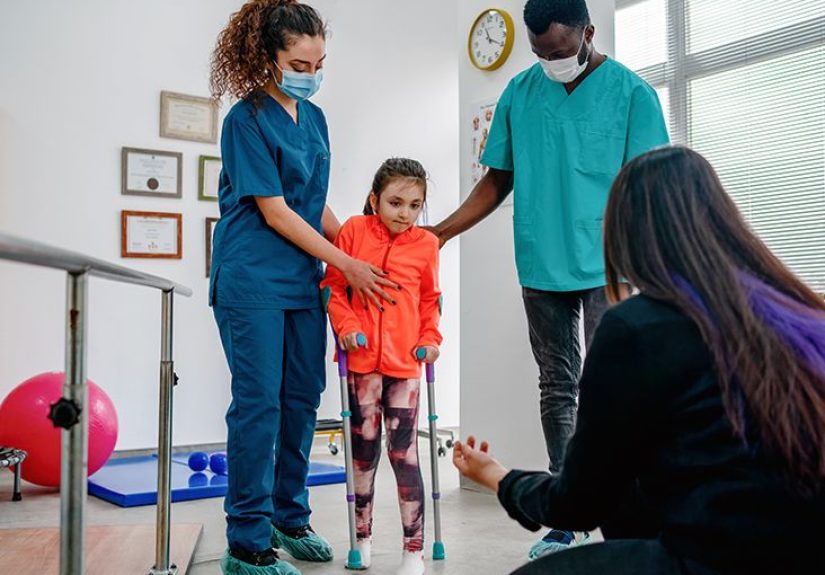
Physical therapist (PT): mobility, flexibility, and safe strength
PT isn’t about “pushing through” until you collapse like a movie training montage. In muscular dystrophy, therapy aims to support:
- Gentle stretching to help prevent contractures
- Maintaining mobility and balance as long as possible
- Safe conditioning that respects fatigue and avoids overwork
- Comfortable positioning and transfers
Occupational therapist (OT): daily life, upgraded
OT focuses on everyday tasks and independence. They may help with:
- Dressing, bathing, writing/typing, cooking, and school/work activities
- Adaptive equipment (from jar openers to power-assist devices)
- Energy conservation strategies (so you don’t spend all your “battery” by noon)
- Home and classroom modifications
Speech-language pathologist (SLP): speech, swallowing, and communication
Some people with MD experience swallowing issues (dysphagia), voice changes, or communication challenges. An SLP can:
- Evaluate swallowing safety and recommend strategies
- Support speech clarity and voice techniques
- Recommend communication supports if needed
Orthopedist: bones, joints, and spine alignment
MD can contribute to contractures, scoliosis, joint issues, and foot/ankle alignment challenges. Orthopedic care may include:
- Monitoring posture and spine curvature
- Guidance on braces, splints, and mobility aids
- Evaluating whether surgery is appropriate in specific cases
Genetic counselor (and sometimes a medical geneticist): clarity for the whole family
Because muscular dystrophy is genetic, genetic counseling can be a key part of care. A genetic counselor can help:
- Explain test results and inheritance patterns in plain English
- Discuss testing options for family members when appropriate
- Support family planning decisions and emotional coping
- Connect you with condition-specific resources and registries
Dietitian/nutrition specialist: fueling strength and managing side effects
Nutrition can affect energy, muscle function, bone health, and overall well-being. A dietitian can help with:
- Maintaining a healthy weight (both gain and loss can be problems)
- Swallowing-friendly nutrition strategies when needed
- Addressing constipation, reflux, or appetite changes
- Nutrition planning if medications affect weight or blood sugar
Endocrinologist: bones, growth, and hormone-related concerns
Some peopleespecially those using certain medications long-termmay need endocrine support for:
- Bone health and fracture prevention
- Growth, puberty, and adrenal or metabolic monitoring
- Vitamin D/calcium strategies (tailored to individual needs)
Mental health professional: caring for the whole person
Living with a progressive condition can be emotionally heavy. Anxiety, depression, stress, and caregiver burnout are real, and they deserve real care. Psychologists, counselors, or psychiatrists can support:
- Coping skills and stress management
- Adjustment to changing abilities
- Sleep strategies and mood support
- Family communication and caregiver support
Social worker/case manager/nurse coordinator: the “how-do-we-make-this-work” experts
These professionals are often the secret MVPs. They can help with:
- Insurance navigation, prior authorizations, and disability paperwork
- Access to community resources and financial supports
- School accommodations (504 plans/IEPs) and workplace supports
- Coordinating appointments so your calendar doesn’t become a horror movie
Orthotist and assistive technology professionals: comfort, support, mobility
Braces, splints, custom seating, and mobility equipment are not “extras.” They’re tools that can reduce pain, preserve function, and improve participation in everyday life. An orthotist or assistive technology specialist can help fit and maintain these devices properly.
Palliative care (yes, even early): symptom relief and quality of life
Palliative care isn’t only for end-of-life care. It can be used at any stage to focus on symptom management, decision-making support, and quality of lifeespecially when fatigue, pain, sleep issues, or stress start piling up.
What a multidisciplinary muscular dystrophy clinic visit can look like
In a coordinated clinic model, you may see multiple specialists in one visit or in a tightly scheduled day. Often, the visit includes:
- Functional assessment (walking, strength, hand function, fatigue)
- Therapy check-ins (PT/OT/SLP as needed)
- Heart and lung monitoring (based on age, type of MD, and prior results)
- Medication review and side effect monitoring
- Equipment check (braces, wheelchairs, seating, communication supports)
- Planning for school/work, travel, sports, and daily routines
Many clinics aim to reduce duplicate appointments and keep everyone aligned on the same care planso you don’t have to play telephone between five different offices.
How to build your muscular dystrophy care team (without losing your mind)
1) Start with a neuromuscular specialist (and ask about coordinated clinics)
If possible, look for a clinic or center experienced in muscular dystrophy care. Many people benefit from neuromuscular clinics connected to major hospital systems or dedicated networks.
2) Identify your “must-have” roles based on symptoms now
A practical starting plan might look like this:
- Always: neuromuscular specialist + primary care
- Often early: PT/OT evaluation + genetic counseling
- Common monitoring: cardiology and pulmonology (timing depends on type and age)
- As needed: orthopedics, nutrition, mental health, endocrinology, speech/swallowing
3) Bring organization to the chaos
Simple systems win. Consider a “care kit” that includes:
- A one-page medical summary (diagnosis, baseline function, meds, allergies)
- Recent test results (heart, lung, labs as relevant)
- Equipment list (braces, mobility devices, ventilatory support tools if any)
- Emergency contact list and specialist names
- Questions you want answered (because you will forget them in the exam roomeveryone does)
4) Ask the right questions to make the team actually function as a team
Try these:
- “Who is the main coordinator for my care?”
- “How do specialists share notessame health system, shared portal, or do I carry records?”
- “What routine monitoring should we schedule this year?”
- “What symptoms should trigger a sooner visit?”
- “Who helps with equipment orders and insurance paperwork?”
Coordination tips that save time, stress, and repeat stories
In a perfect world, every clinician would read the chart before entering the room. In the real world… let’s just say optimism is a lifestyle choice. These strategies help:
- Keep one “source of truth” list for meds, doses, and equipment.
- Use a shared calendar for appointments, refill dates, and insurance deadlines.
- Request summary letters after major visits (especially neuromuscular, cardiology, pulmonology).
- Plan transitions early (pediatric to adult care; school to college/work) so it’s not a last-minute scramble.
- Ask about telehealth for follow-ups when travel is exhausting or mobility is limited.
Specific examples: what “building a care team” can look like
Example 1: A newly diagnosed child (family building the foundation)
A family starts with a neuromuscular specialist to confirm the diagnosis and outline what to monitor. A PT evaluates flexibility and recommends a gentle stretching routine. The cardiologist sets a baseline heart assessment, while pulmonology considers when to start routine lung monitoring and whether sleep symptoms suggest a sleep study. A genetic counselor explains inheritance patterns and offers family testing options. A social worker helps the parents understand insurance coverage and school support options.
Example 2: A teenager transitioning toward adult care
As health needs and independence grow, the care team starts focusing on transition planning: how the teen will manage medications, schedule appointments, and communicate symptoms. The team reviews mobility supports for school and community access. Mental health support becomes more proactive, not because something is “wrong,” but because transitions can be stressful even in the best circumstances.
Example 3: An adult with MD balancing work, fatigue, and follow-up care
An adult may prioritize fatigue management and workplace accommodations. OT can recommend ergonomic changes and energy conservation strategies. The primary care clinician and specialists coordinate monitoring so the person isn’t scheduling five separate visits every month. A dietitian helps optimize nutrition for energy and weight stability, and counseling supports stress management.
When to seek urgent care (and why planning helps)
Muscular dystrophy can increase risk for complications that should be assessed promptly. Seek emergency care (or call emergency services) for severe breathing difficulty, bluish lips/face, chest pain, fainting, severe swallowing problems, signs of aspiration, or sudden major changes in weakness or alertness.
Many families find it helpful to keep an updated medical summary and specialist contacts available, especially when visiting urgent care or an emergency department where clinicians may not know your specific type of MD.
Experiences from the real world: what building a care team actually feels like (extra )
Most guides make care teams sound like a perfectly choreographed ballet. Real life is more like a group chat where half the people have notifications turned off. Here are experiences that many people with muscular dystrophy and their families commonly describeplus what tends to help.
Experience 1: “We didn’t know who to call first.”
After diagnosis, families often feel urgency: “Do we need cardiology now? What about breathing tests? Are we behind?” A common relief moment happens when a neuromuscular specialist lays out a timelinewhat needs baseline testing now, what gets monitored routinely, and what’s symptom-based. People frequently say the biggest anxiety reducer is a clear plan written in plain language, even if the plan changes later. Having a single “captain” to explain priorities turns panic into a checklist.
Experience 2: “Appointments multiplied like gremlins.”
Many families describe a period where visits stack up fast: neurology, therapy, imaging, equipment fittings, labs, school meetings. This is where multidisciplinary clinics (or coordinated scheduling within one health system) feel like a life upgrade. People often report that seeing multiple specialists in one day saves not only time and travel, but also emotional energybecause you tell the story once, and everyone hears the same version. When a single-day clinic isn’t possible, families often build their own “mini-clinic day” by scheduling back-to-back appointments and requesting that clinicians share notes.
Experience 3: “The emotional part surprised us.”
Even when families feel strong and practical, grief and stress can show up in unexpected ways: irritability, sleep trouble, tension between caregivers, or the feeling that every decision has too much weight. Many people say that meeting a counselor or psychologist earlybefore a crisismade it easier to talk about fears and build coping strategies. Caregivers often say they didn’t realize they needed support until they finally got it. A good care team normalizes mental health support as standard care, not a last resort.
Experience 4: “Equipment helped, but it took forever.”
People frequently report that mobility equipment, braces, or seating made daily life safer and more comfortablebut insurance steps and fitting appointments could be slow. The families who feel most successful often credit a knowledgeable case manager, clinic coordinator, or therapy team who understands documentation requirements and knows how to push the process forward. A practical takeaway many share: start equipment conversations early, even if the device won’t be needed tomorrow. Planning ahead prevents gaps where the body changes faster than the paperwork.
Experience 5: “Transitioning care was harder than we expected.”
When moving from pediatric to adult care, families often describe a learning curve: new systems, different clinic culture, new specialists, and more responsibility on the patient. The smoother transitions usually start early, with teens gradually practicing skills like medication management, symptom tracking, and speaking up during visits. People often say the best adult-care handoff happens when pediatric and adult teams communicate directly and provide a clear “what we’re monitoring and why” summary.
The big theme across these experiences is simple: muscular dystrophy care works best when it’s coordinated, proactive, and built around real lifenot just test results. A strong care team doesn’t just treat symptoms. It helps you protect time, energy, independence, and the things you actually want to do with your days.
Conclusion: the goal isn’t “more doctors,” it’s better teamwork
Muscular dystrophy treatment is rarely a one-person job. The most effective care teams often include a neuromuscular specialist, primary care, therapy professionals, anddepending on the type of MDcardiology, pulmonology, genetics, nutrition, orthopedics, mental health, and care coordination support.
If you take only one idea from this guide, make it this: the right team helps you stay ahead of problems, not just react to them. And you deserve a team that treats you like a whole personnot a collection of appointment slots.







 Close
Close