
Table of Contents >> Show >> Hide
- Is dyshidrotic eczema contagious?
- What dyshidrotic eczema looks and feels like
- What causes dyshidrotic eczema?
- How long does dyshidrotic eczema last?
- Treatment: what actually helps (and what tends to disappoint)
- Prevention: reducing flares without living in a bubble (because you have a life)
- When to see a doctor
- FAQ: quick answers people really want
- Conclusion
- Experiences people often report (and what they wish they knew sooner)
You notice tiny, itchy blisters on your fingers. Your brain immediately opens a new tab titled: “Did I catch something from the gym door handle?” (We’ve all been there.) The good news: dyshidrotic eczema is not contagious. You can’t “catch” it from someone else, and you can’t pass it to your partner, your kid, or the poor cashier who handed you change.
The less-fun news: it can be stubborn, recurring, and wildly annoyingespecially when it shows up right before an important event, like your best friend’s wedding or the week you promised yourself you’d stop stress-eating pretzels. Let’s break down what dyshidrotic eczema is, why it happens, how long it typically lasts, and what actually helps.
Is dyshidrotic eczema contagious?
No. Dyshidrotic eczema (also called dyshidrosis or pompholyx) is an inflammatory skin condition. It’s driven by your immune system and skin barriernot by a virus, bacteria, or parasite that spreads from person to person.
What about the fluid in the blisters?
Totally fair question, because “fluid-filled blisters” sounds like something you should not high-five. In dyshidrotic eczema, the blister fluid isn’t infectious. If a blister breaks, the bigger issue is that your skin barrier is now openmeaning germs from the environment can sneak in and cause a secondary infection. That infection (not the eczema itself) may be contagious depending on the germ involved. Translation: the eczema doesn’t spread; an infection can.
What dyshidrotic eczema looks and feels like
Dyshidrotic eczema usually shows up as clusters of tiny, deep-looking blisters that itch like they’re trying to win an Olympic medal in irritation. Most often, it affects:
- the sides of the fingers
- the palms
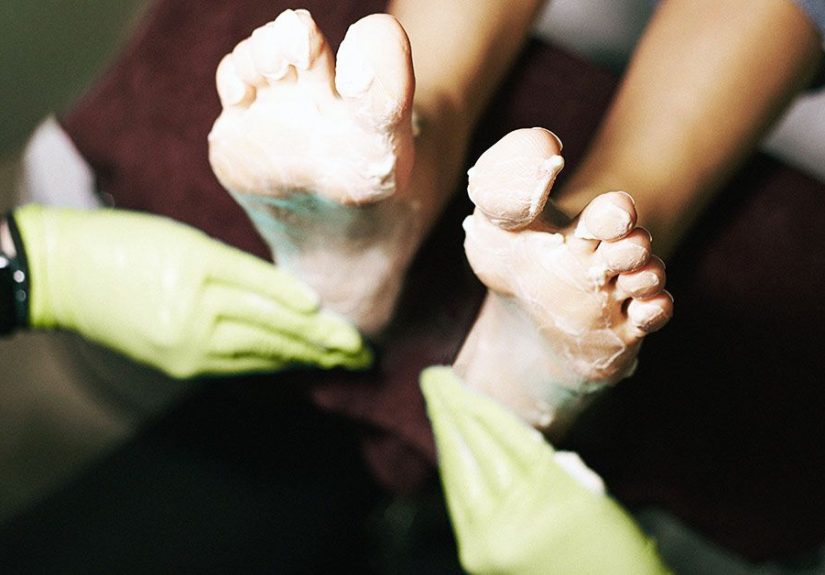
- the soles of the feet and toes
Common symptoms
- Intense itching or a prickly/burning sensation (sometimes before blisters appear)
- Small fluid-filled blisters (vesicles), often in clusters
- Redness or irritation around the area
- Peeling and scaling as blisters dry out
- Cracks/fissures and tenderness, especially during healing
Conditions that can look similar (and why that matters)
Hands and feet are basically the “mystery novel” of dermatology. Several conditions can mimic dyshidrotic eczema, and the right treatment depends on the right diagnosis. Look-alikes may include:
- Allergic or irritant contact dermatitis (from soaps, detergents, fragrances, solvents, gloves, etc.)
- Fungal infections (especially on the feet; sometimes one hand is involved)
- Herpetic whitlow (painful HSV infection on a fingeroften more painful than itchy)
- Scabies (very itchy, contagious, often with burrows and household spread)
- Palmoplantar psoriasis/pustulosis (may have pustules, thicker scaling, and chronic patterns)
If your rash is unusually painful, spreading quickly, oozing pus, or you’re not sure what it is, a clinicianideally a dermatologistcan help sort it out.
What causes dyshidrotic eczema?
The honest answer: there isn’t one single cause. Most reputable medical sources describe dyshidrotic eczema as a condition with a mix of genetic tendency, immune system overreaction, and environmental triggers. Think of it like a smoke alarm that’s a little too eager. Sometimes it’s right; sometimes it goes off because you made toast.
1) A personal or family history of eczema and allergies
Dyshidrotic eczema is more common in people with other eczema types (like atopic dermatitis) or allergic tendencies (asthma, hay fever). A family history can also raise risk. In plain English: some people’s immune systems are simply more “reactive” skin-wise.
2) Contact allergens (especially metals like nickel and cobalt)
One of the best-known associations is sensitivity to nickel (and sometimes cobalt). These metals can show up in:
- jewelry, watchbands, rings
- coins and keys
- tools, hardware, and metal handles
- some phone cases or metal-backed devices
- certain workplace exposures
If a dermatologist suspects an allergy trigger, they may recommend patch testinga structured way to identify which substances your skin is reacting to.
3) Irritants and “wet work”
Repeated exposure to water, soaps, sanitizers, detergents, shampoos, cleaning sprays, and solvents can dry and inflame skin, worsening flares. Jobs and routines that involve frequent handwashing or glove use (healthcare, food service, childcare, hair styling, cleaning, mechanics) can be a perfect storm.
4) Sweat, heat, and stress
Many people notice flares during hot weather, after sweaty workouts, or during high-stress stretches of life. Stress doesn’t “cause” eczema in a simple way, but it can nudge your immune system and scratching habits in the wrong direction. And sweat can irritate already-sensitive skinsalt + friction is not a spa treatment.
5) Seasonal allergies and environmental triggers
Some people report flares during peak allergy seasons. While the exact mechanism isn’t always clear, it fits the broader pattern of eczema: the immune system responds to the environment, and the skin gets caught in the crossfire.
6) Infections elsewhere (especially fungal infections on the feet)
There’s clinical discussion about the link between dyshidrotic eczema and infections like athlete’s foot. Sometimes treating a fungal problem on the feet helps reduce hand/foot flares. If you have scaling between toes, persistent foot itching, or recurring “athlete’s foot,” it’s worth mentioning to your clinician.
How long does dyshidrotic eczema last?
Most flares follow a fairly recognizable arc: blisters appear, itch peaks, blisters dry out, then the skin peels and heals. Many sources describe flares lasting about 2 to 4 weeks, though severity and treatment can change the timeline.
A typical flare timeline (what many people experience)
- Days 1–3: Tingling/itching starts; small blisters pop up in clusters.
- Days 4–10: Itching is often intense; blisters may enlarge; skin feels tight and sore.
- Weeks 2–3: Blisters dry; peeling begins; cracks may form, especially on palms.
- Weeks 3–4: Scaling continues; skin gradually calms if protected and moisturized.
Why some flares last longer
A flare may stick around (or keep restarting) if:
- you’re still being exposed to the trigger (nickel, irritants, constant wet work)
- the skin barrier stays dry and cracked (moisture loss feeds inflammation)
- scratching breaks the skin and prolongs inflammation
- a secondary infection develops
- the diagnosis is actually something else (like contact dermatitis or a fungal infection)
Does it come back?
It can. Some people have a single flare that never returns. Others experience recurring episodessometimes seasonally, sometimes during stressful periods, and sometimes whenever their hands meet a new soap that smells like “ocean breeze.” (Ocean breeze is not FDA-approved as a medical treatment, sadly.)
Treatment: what actually helps (and what tends to disappoint)
At-home care for mild flares
- Cool compresses: Helpful for itching and inflammation.
- Gentle cleansing: Use fragrance-free, mild cleansers; avoid very hot water.
- Moisturize like it’s your job: Thick, fragrance-free creams/ointments after every wash and before bed.
- Protect your hands: For cleaning or dishwashing, consider nitrile gloves with cotton liners (so sweat doesn’t pool).
- Hands-off rule: As much as possible, don’t pop or pick blistersthis increases infection risk and delays healing.
Over-the-counter itch support
Some people use OTC anti-itch options or nighttime antihistamines for sleep (not because they “cure” eczema, but because they reduce the itch-scratch cycle and improve rest). If you’re considering these, check with a clinician or pharmacistespecially if you take other meds or need to stay alert for work.
Prescription treatments (commonly recommended)
- Topical corticosteroids: Often the first-line prescription approach for flares. Stronger options may be used on thick palm/sole skin for short periods under medical guidance.
- Topical calcineurin inhibitors: Non-steroid anti-inflammatory creams/ointments that may be used in certain cases or sensitive areas.
- Phototherapy: Light-based therapy can help some chronic or recurrent cases under dermatologist supervision.
- Short courses of oral steroids: Sometimes used for severe flares as a temporary bridge, not a long-term plan.
Treatment is often most effective when it’s paired with a trigger plan and consistent barrier repair. In other words: medicine calms the fire, but daily skin care keeps the smoke alarm from going off again.
What if it’s infected?
If bacteria infect broken skin, you may need medical treatment (topical or oral antibiotics, depending on severity). Watch for:
- increasing pain, warmth, swelling
- pus or cloudy drainage
- yellow crusting
- fever or feeling unwell
- rapid spreading redness
Prevention: reducing flares without living in a bubble (because you have a life)
Build a “trigger detective” list
Triggers are individual. Consider tracking:
- new soaps, detergents, sanitizers, or lotions
- new gloves (latex, rubber accelerators, powdered gloves)
- metal exposure (rings, watchbands, tools, coins)
- stress spikes, sleep loss, travel, major schedule shifts
- sweaty days, heat waves, or gym routines
- seasonal allergy surges
Hand care that works in the real world
- Wash smart: Lukewarm water, short washes, gentle cleanser.
- Moisturize immediately: Within a minute of drying hands.
- Go fragrance-free: Fragrance is a common irritanteven when it smells like “lavender dreams.”
- Glove strategy: Use protective gloves for wet tasks, but don’t trap sweat for hours. Cotton liners help.
- Night repair: Ointment + cotton gloves at bedtime can be a game-changer for cracks and peeling.
Nickel and cobalt: should you avoid them?
If patch testing confirms a metal allergy, avoiding exposure can reduce flares. Some people also explore dietary nickel reduction, but diet changes aren’t universally necessary and can be tricky. If you suspect this connection, it’s best handled with a clinician so you don’t end up with a nutrition plan that accidentally bans everything you love and also half of planet Earth.
Stress and sweat: not “just relax,” but actual tactics
- Micro-breaks: Short, frequent pauses can reduce stress-driven scratching.
- Cool-down routines: Rinse sweat, pat dry, moisturize after workouts.
- Breath + hands: If you notice mindless picking, keep a hand-friendly fidget nearby.
When to see a doctor
Consider medical care if:
- you’re not sure it’s eczema (especially if it’s painful or spreading)
- flares are frequent, severe, or disrupting sleep/work
- you see signs of infection
- OTC care isn’t improving things in 1–2 weeks
- you suspect an allergy trigger and want patch testing
FAQ: quick answers people really want
Can I give dyshidrotic eczema to my family?
No. It’s not contagious. But skin conditions can run in families due to genetics, so a relative may be more prone to eczema in general.
Can I go to work/school with it?
Yes. If your hands are cracked or weeping, protect the skin, keep it clean, and avoid irritants. If you’re in food service or healthcare, follow workplace hygiene guidelines and consider gloves with cotton liners to prevent irritation.
Is it caused by poor hygiene?
No. In fact, over-washing with harsh products can make it worse by damaging your skin barrier.
Will it ever go away for good?
Sometimes. Some people have one episode; others have recurring flares. Identifying triggers and getting an effective treatment plan improves the odds.
Conclusion
Dyshidrotic eczema can look dramatic (tiny blisters love attention), but it isn’t contagious. It’s an inflammatory skin condition often linked to eczema tendencies, triggers like irritants, metals (nickel/cobalt), stress, sweat, and sometimes infections elsewhere like athlete’s foot. Most flares last roughly 2–4 weeks, then peel and settlethough recurrences are common. The best results usually come from a two-part approach: treating the flare (often with prescription anti-inflammatories when needed) and protecting the skin barrier while reducing triggers.
Experiences people often report (and what they wish they knew sooner)
The following are common experiences shared by people dealing with dyshidrotic eczemanot one specific person’s story. If you see yourself in these, you’re not alone (and you’re definitely not “being dramatic” about itchy hands… because itchy hands are objectively dramatic).
The “dish soap betrayal” flare
A classic scenario: someone switches to a new “extra-strength” dish soap or starts a deep-cleaning kick. A week later, their fingers feel prickly. Then come the tiny blistersright along the sides of the fingers where soap and water love to hang out. What surprises many people is that the flare doesn’t instantly stop when they stop using the product. The skin barrier has already taken a hit, so the reaction can keep unfolding for days.
What people often say helps: moving to a fragrance-free cleanser, using nitrile gloves with cotton liners for wet work, and applying a thick ointment after every hand wash. Some also learn that “more hand sanitizer” isn’t always betterespecially when it’s heavily fragranced.
The “stress week” flare (aka: your skin reads your calendar)
Many people notice dyshidrotic eczema has suspicious timing: deadlines, exams, family emergencies, travel, big presentations. The itch may start firstsometimes at nightfollowed by blisters a day or two later. And because stress can also affect sleep, the itch-scratch cycle gets extra fuel.
What people report helps here is not a magical “stop stress forever” button (if you find one, please patent it), but practical guardrails: a bedtime routine that includes moisturizing and cotton gloves, short cool compresses when itching spikes, and keeping nails short to reduce damage from scratching. Some people also find that treating the flare earlyrather than “waiting it out”shortens the overall misery.
The “mystery nickel” moment
Another common experience: flares that don’t make sense until someone connects the dots. Maybe it’s a new ring, a watchband, metal tools, frequent handling of coins, or a job task that involves metal contact. People often describe frustration because the blisters show up in small areas that seem randomuntil they realize those are exactly the spots rubbing against the trigger.
For some, patch testing becomes a turning point. Even when the eczema doesn’t vanish completely, knowing a specific allergen gives them a plan: switch jewelry materials, use a protective barrier during certain tasks, and stop guessing. The relief of having an explanation is real.
The “it’s not contagious, but it feels embarrassing” piece
A lot of people say the hardest part isn’t only the itchit’s the social awkwardness. Hands are visible. Peeling palms look alarming. People may worry others think they have something infectious. Many wish they’d had a simple script earlier, like: “It’s eczema, not contagiousjust annoying.”
If this resonates, it may help to remember: the condition is common, treatable, and not a reflection of hygiene. Protecting and treating your skin is healthcare, not vanity. And if anyone judges you for having a medical issue, that’s a “them” problem, not a “you” problem.
What tends to help people feel better faster
- Starting treatment early: addressing inflammation quickly can reduce the length and intensity of a flare.
- Barrier repair: thick moisturizers/ointments used consistently (especially after washing).
- Trigger reduction: changing soaps, glove habits, or metal exposure patterns once a cause is suspected.
- Sleep protection: nighttime itch control routines to break the scratch cycle.
- Getting the diagnosis right: ruling out fungal infections, contact dermatitis, or viral causes when symptoms don’t fit the usual pattern.
Bottom line: dyshidrotic eczema is not contagious, but it is disruptive. The goal isn’t perfectionit’s fewer flares, faster healing, and a routine you can actually live with.






 Close
Close