
Table of Contents >> Show >> Hide
- What Is Winterizer Fertilizer?
- Winterizer vs. Fall Fertilizer: Are They the Same?
- Why Winterizer Fertilizer Matters
- Best Time to Apply Winterizer Fertilizer
- How to Apply Winterizer Fertilizer
- Signs Your Lawn Needs a Winterizer
- Common Mistakes People Make With Winterizer Fertilizer
- Winterizer Fertilizer FAQ
- 500-Word Experience Insights: What Homeowners Learn After Using Winterizer Fertilizer
- Conclusion
Winter is comingand while your lawn can’t pull out a cozy blanket or sip hot cocoa, it definitely needs a little help preparing for the cold. That’s where winterizer fertilizer steps in. Think of it as the lawn-care equivalent of a warm jacket: protective, strengthening, and absolutely essential if you want lush grass next spring.
But what exactly is a winterizer? When should you apply it? And is it really worth the hype? Let’s break it all downminus the boring, science-class tone. Expect clear explanations, helpful examples, a dash of humor, and actionable steps you can use right away.
What Is Winterizer Fertilizer?
Winterizer fertilizer is a late-season lawn treatment formulated to help grass survive winter stresseslike freezing temperatures, low sunlight, and seasonal diseaseswhile promoting strong roots for a healthier spring comeback. In other words, it doesn’t make your grass grow now; it makes your grass grow better later.
Unlike spring or summer fertilizers (which focus on lush top growth), winterizers emphasize root strength, energy storage, and cold hardiness. This difference is especially important for cool-season grasses such as:
- Kentucky bluegrass
- Perennial ryegrass
- Fine and tall fescue
These grasses stay somewhat active in the fall, making this the perfect time to load them up with nutrients before winter dormancy.
Winterizer vs. Fall Fertilizer: Are They the Same?
Common confusion alert! Fall fertilizer and winterizer fertilizer are relatedbut not identical.
Fall Fertilizer
A fall fertilizer often contains higher nitrogen to rebuild grass after summer heat, helping restore color and growth.
Winterizer Fertilizer
A true winterizer focuses less on leaf growth and more on root-building nutrition. It typically contains:
- Lower nitrogen (to avoid late-season growth that frost can damage)
- Higher potassium (the star of cold tolerance, disease resistance, and water regulation)
- Moderate phosphorus (depending on local regulations and soil needs)
Think of fall fertilizer as a rejuvenating smoothiewhile winterizer is a protein-packed meal prepping your lawn for weeks of survival mode.
Why Winterizer Fertilizer Matters
If you’ve ever looked at your spring lawn and thought, “Why does it look like it partied too hard in the cold?”, then you already understand why winterizer is a big deal.
Here’s what winterizer fertilizer actually does:
- Strengthens roots so your lawn wakes up healthier in spring
- Boosts nutrient reserves stored inside grass crowns for winter survival
- Improves disease resistance, especially against snow mold
- Reduces spring thinning and patches caused by cold stress
- Enhances water retention during the freeze–thaw cycles of late winter
This is the last major feeding your lawn gets before winter, so it needs to count.
Best Time to Apply Winterizer Fertilizer
Timing is everythingespecially when the ground is about to freeze. Apply a winterizer too early and your lawn will waste the nutrients on leaf growth. Apply too late and the soil won’t absorb anything.
The Ideal Timing
For most cool-season lawns in the United States, apply winterizer:
In late fall, about 2–3 weeks before the ground freezes.
More specifically:
- Soil temperature should be around 40–50°F.
- Air temperatures should be consistently cool but not icy.
- Your lawn should have stopped active leaf growthbut still have green color.
If you live in:
- Northern states: Apply mid-October to early November.
- Midwestern states: Late October to mid-November.
- Northeast: Late October to mid-November.
- Pacific Northwest: Late October.
- Mountain regions: Early October.
Southern warm-season lawns (Bermuda, Zoysia, St. Augustine) generally do not need winterizer fertilizer, because they go dormant much earlier and react differently to late-season feeding.
How to Apply Winterizer Fertilizer
Applying winterizer fertilizer isn’t complicated, but doing it correctly ensures maximum benefit.
1. Check Your Soil
If you’ve never done a soil test, now’s the perfect time. Many lawns don’t even need extra phosphorus, and too much can harm waterways. Your state may also have nutrient regulations you must follow.
2. Choose the Right Winterizer Formula
Look for something like:
- 10-0-20
- 8-2-12
- 7-3-10
A high-potassium mix ensures stronger roots for winter survival.
3. Mow and Water Before Application
Mow your lawn to a typical fall height (around 2.5–3 inches for cool-season grasses). Apply winterizer to slightly moist soilwatering the day before works great.
4. Apply with a Spreader
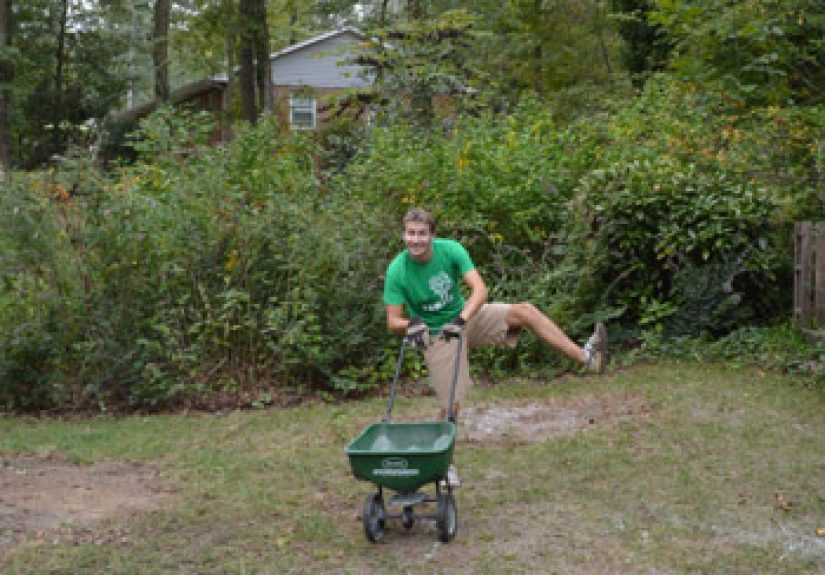
Use a broadcast spreader or drop spreader for even coverage. Follow product instructions for the appropriate setting.
5. Lightly Water Afterward
A gentle watering helps dissolve granules and carry nutrients into the root zone.
Signs Your Lawn Needs a Winterizer
Not every lawn absolutely requires a winterizer, but yours likely does if you notice:
- Patchiness after winter
- Slow spring green-up
- Weak or thin grass in early spring
- Heavy foot traffic stress
- Frequent winter fungal issues
Healthy-growth fanatics (and perfectionist neighbors) almost always use onebecause results are noticeable.
Common Mistakes People Make With Winterizer Fertilizer
1. Applying Too Early
This causes unwanted late-season growth, which is vulnerable to frost damage.
2. Overfertilizing
More is not better. Too much nitrogen in late fall weakens winter hardiness.
3. Using a Spring Fertilizer Instead
If the bag screams “quick green-up,” put it back. That’s not a winterizer.
4. Skipping Soil Tests
Your lawn may not actually need phosphorus, and applying it blindly can harm waterways.
5. Using Winterizer on Warm-Season Grass
In most southern states, it offers little benefit and can even cause cold-stress issues.
Winterizer Fertilizer FAQ
Is winterizer the same as “late fall fertilizer” sold in stores?
Sometimes yes, sometimes no. Many big-box store products labeled “WinterGuard,” “Winterize,” or “Late Fall Lawn Food” are formulated as winterizers. Always read the N-P-K ratio.
Do I need winterizer every year?
Most cool-season lawns benefit yearly, especially in climates with freezing winters.
Can I apply winterizer after the first frost?
Yesas long as the ground isn’t frozen. Once soil freezes, nutrients can’t penetrate.
Will winterizer make my lawn green during winter?
Nopeit’s not magic. Grass still goes dormant, but it wakes up greener and fuller in spring.
500-Word Experience Insights: What Homeowners Learn After Using Winterizer Fertilizer
If you’re still on the fence about applying winterizer fertilizer, it helps to look at real-life experiences from homeowners, landscapers, and seasoned lawn enthusiasts (yes, lawn care people are very passionatesometimes surprisingly so).
One of the most common experiences shared is how dramatically different spring can look after using a winterizer. Many homeowners describe the transformation as “night and day.” While their neighbors deal with thin, yellow lawns recovering from cold shock, their winterized lawns come back greener, thicker, and with fewer bare spots. This effect is especially noticeable in northern states like Minnesota, Wisconsin, Michigan, and New York, where winters are freezing but cool-season grasses thrive with proper preparation.
Homeowners also report fewer spring diseasesparticularly snow mold. Anyone who has seen the cottony, white patches scattered across a lawn in March knows how frustrating it can be. Winterizer fertilizer doesn’t eliminate all winter diseases, but the added potassium boosts resistance and helps grass recover faster.
Another experience many people mention is how much easier early-spring lawn care becomes. Without winterizer, the lawn often needs extra nitrogen in March or April. But after winter fertilization, grass already has stored nutrients, leading to a quicker green-up and reduced need for early-season feeding. This not only saves timeit also reduces the risk of overfertilization, which is surprisingly easy to do when the excitement of spring hits.
Perhaps the most interesting feedback is from homeowners who skipped winterizer for a yeareither by forgetting or because they assumed it wasn’t necessary. In almost every case, they noticed slower growth the following spring and weaker color. Some even saw increased weed pressure, because bare or thin grass areas create perfect openings for dandelions, clover, and other opportunistic guests.
One homeowner in Ohio shared that after skipping winterizer, he spent twice as much effort in spring applying early fertilizers, reseeding patches, and fighting crabgrass. After returning to winterizer the next year, his lawn bounced back with far less work. This anecdotal pattern is surprisingly common.
Experienced landscapers also swear by winterizer for lawns that deal with heavy foot traffickids, pets, backyard gatherings, or even just frequent walking. Grass that enters winter stressed often emerges even weaker. But grass supported by a proper winterizer schedule tolerates seasonal stress far better.
Finally, many people appreciate the psychological benefit: peace of mind. Applying winterizer feels like giving your lawn a final hug before winter says, “See you in April!” It’s a satisfying last step that guarantees your yard is set up for long-term success.
Conclusion
Winterizer fertilizer is one of the simplest, most effective steps you can take to ensure a healthier, greener lawn in spring. By timing your application correctly and choosing a high-potassium formula, you give your grass the strength it needs to withstand winter’s toughest challenges. Whether you’re a lawn-care beginner or a seasoned weekend warrior, winterizer is a powerful tool worth adding to your seasonal routine.





 Close
Close