
Table of Contents >> Show >> Hide
- The Viral Dilemma That Sparked Debate
- Why An Old Cat’s Comfort Matters More Than People Think
- Why The “Just Let Them Work It Out” Approach Is A Bad Idea
- What Makes The Cat-First Argument So Strong
- But What About The Girlfriend Who Wants A Dog?
- The Relationship Lesson Hidden Inside The Pet Debate
- If They Eventually Want A Dog, Here’s The Responsible Way To Think About It
- Real Experiences Pet Owners Know All Too Well
- Conclusion
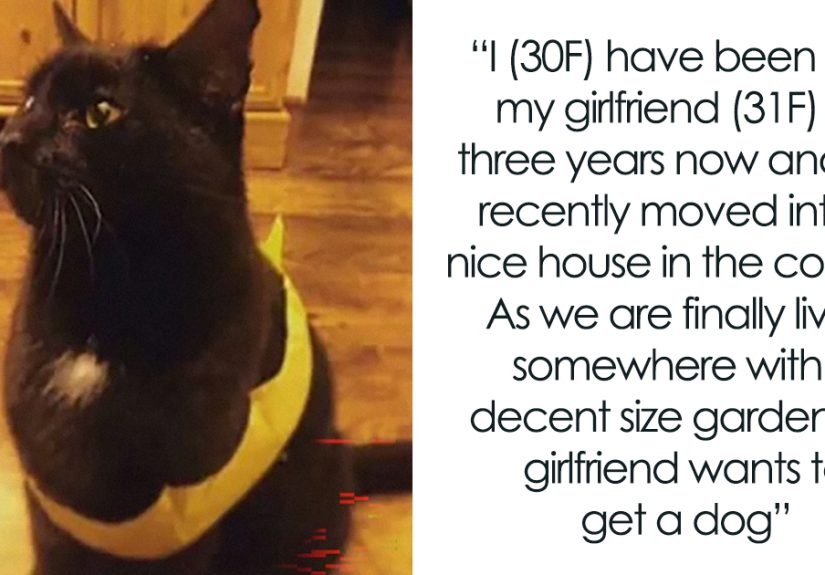
Every household has that one tiny dictator. Sometimes it is a toddler. Sometimes it is a roommate with strong feelings about dishwasher loading. And sometimes, it is an elderly cat who has earned the right to glare at the world from the arm of the sofa like a retired king judging the peasants. In this case, the feline in question has a nickname worthy of legend: Old Man Grumps.
The conflict is instantly relatable to pet owners and couples alike. One woman refuses to let her girlfriend bring home a dog because she believes it would deeply upset her aging cat, who already has a history of not tolerating dogs. Her request sounds simple, even sweet: let the old cat live out his final years in peace, without the chaos of a new canine roommate. Her girlfriend, however, sees a dog as a joyful addition to the home rather than a furry wrecking ball aimed directly at the cat’s blood pressure.
That disagreement may sound small on the surface, but it taps into several much bigger questions. What do we owe aging pets who have spent years giving us companionship? Is it fair to delay one partner’s dream of getting a dog? Can a household built around one animal’s comfort ever make room for another? And perhaps most importantly, when people say, “The pets will figure it out,” are they making a wise call or starring in the opening scene of a future disaster?
This story lands because it is not really just about a dog and a cat. It is about loyalty, timing, boundaries, and the uncomfortable truth that not every loving home is the right home for every animal at every moment. Sometimes the kindest decision is not the exciting one. Sometimes the responsible choice is also the least Instagrammable.
The Viral Dilemma That Sparked Debate
The heart of the dispute is straightforward: one partner wants a dog, the other says absolutely not, because the resident cat is old, grumpy, and known to react badly around dogs. To settle the argument, there was even a trial run with a friend’s dog. That detail is what really makes the situation feel familiar, because it is exactly the sort of thing humans do when they want “data” but are actually hoping for validation.
Unfortunately, trial runs with pets do not always prove what people think they prove. A brief visit from a dog does not automatically predict how daily life with a permanent canine roommate would go. A cat may tolerate one short encounter and still become chronically stressed by the long-term presence of a barking, sniffing, tail-wagging housemate. Likewise, a dog that seems calm for fifteen minutes can become far more curious, energetic, or intrusive once it realizes the cat is not leaving.
That is why so many readers sided with the woman defending the cat. They saw her not as controlling, but as realistic. She was speaking for the one household member who cannot say, “Actually, this arrangement is terrible for my mental health.” Old Man Grumps may not be drafting speeches, but his interests still count.
Why An Old Cat’s Comfort Matters More Than People Think
There is a temptation to dismiss an elderly cat’s preferences as mere fussiness. He will get over it, some people say. He is just being dramatic, say others. But older cats are not tiny actors performing an attitude problem for fun. As cats age, they often become less adaptable to change, more set in their routines, and more vulnerable to stress-related problems. A new animal in the home is not just a social adjustment; it can feel like an invasion of territory, predictability, and safety.
That matters because cats thrive on control. They like familiar paths, familiar smells, familiar napping stations, and familiar expectations. Add a dog, and suddenly the old system is gone. The water bowl may no longer feel safe. The litter box route may feel exposed. The favorite chair may now smell like an enthusiastic golden retriever with no respect for personal boundaries.
And stress in cats does not always look dramatic. It is not always hissing and swatting in the style of an angry cartoon. Sometimes it shows up as hiding more often, eating less, over-grooming, skipping the litter box, becoming more irritable, or simply withdrawing. That is one reason pet professionals keep emphasizing that “no visible fight” does not equal “everyone is fine.” A silent, stressed cat can still be suffering.
For a senior pet, the stakes feel even higher. If a cat has already spent years building a stable, dog-free environment, uprooting that peace late in life can be hard to justify unless there is a truly compelling reason. And “I really want a puppy” is emotionally valid, but it is not automatically compelling enough to override the resident animal’s wellbeing.
Why The “Just Let Them Work It Out” Approach Is A Bad Idea
Here is where many well-meaning humans go wrong. They assume animals are like sitcom roommates who bicker for one episode and then share snacks by the credits. Real life is less charming. A dog that chases, corners, stares, or fixates on a cat can create a constant stress cycle. A cat that feels trapped may lash out, hide, stop eating normally, or begin living in a state of permanent vigilance. Nobody wins, except perhaps the vet’s scheduling department.
Even when a dog is friendly, “friendly” from a dog’s perspective can feel horrifying from a cat’s perspective. A nose in the face, eager bouncing, constant following, and loud play behavior may be adorable to dog lovers and deeply annoying to a senior cat who would prefer a life of quiet judgment and scheduled meals.
That is why careful introductions matter so much. Pet experts routinely recommend separation at first, scent swapping, visual barriers, supervised short sessions, reward-based training, and safe escape routes for the cat. In other words, successful introductions are usually slow, deliberate, and boring. If someone wants to toss a leash on the dog, plop him in the living room, and call it bonding, they are not creating harmony. They are creating a stress test.
What Makes The Cat-First Argument So Strong
The woman’s position is powerful because it is rooted in stewardship. The cat was there first. He is old. He has known preferences. He has likely spent years depending on his human for protection and routine. When a pet grows elderly, the relationship changes. It becomes less about what is cute or exciting and more about comfort, predictability, and preserving quality of life.
There is also a moral point here that many readers immediately understood: bringing a new pet into a home should never come at the expense of a resident pet’s basic sense of safety. Adoption is not a mood board. It is not a lifestyle accessory decision. It is an obligation to the animal you bring home and to the animals already living there.
In that light, refusing to get a dog right now is not anti-dog. It is pro-responsibility. It acknowledges that timing matters. Plenty of people are wonderful dog owners in theory but should wait in practice. A home with an elderly, dog-averse cat may be one of those cases.
But What About The Girlfriend Who Wants A Dog?
Her desire is not silly. It is not shallow. Wanting a dog can be a deeply emotional wish tied to companionship, routine, affection, or a lifelong dream of having one. The problem is not the desire itself. The problem is when that desire turns into pressure applied against the reality of the current household.
Good relationships require two truths to coexist at once. Yes, one partner may sincerely want a dog. Yes, the other partner may sincerely believe getting one now would be unfair to the cat. Both can be real. But adulthood is often the art of deciding which truth must take priority in a specific season of life.
In this case, the stronger argument is the one grounded in an actual dependent animal who is already in the home and cannot choose to leave. It is frustrating to postpone a dream, but postponement is not cruelty. It is part of making ethical decisions when living beings are involved. There is a huge difference between “never” and “not while the senior cat is still here.”
The Relationship Lesson Hidden Inside The Pet Debate
This story is also a quiet lesson in how couples handle boundaries. The most important question is not whether the dog would be cute, or whether the cat is being dramatic, or whether one partner is “winning.” The real question is whether both people can respect a boundary that exists to protect a vulnerable member of the household.
When one partner says, “I don’t think this is safe or humane for my senior pet,” that should not be treated as an obstacle to overcome with persuasion tactics. It should be treated as a serious concern worthy of patience. If the conversation turns into minimizing the cat’s needs or insisting that he will adjust whether he likes it or not, the issue stops being about pet preferences and starts becoming about whether one partner respects the other’s caregiving values.
And honestly, that is where Old Man Grumps becomes the accidental philosopher of the whole story. He reminds us that love is often measured less by grand gestures and more by everyday choices to protect peace, especially for those who are old, vulnerable, and unable to advocate for themselves.
If They Eventually Want A Dog, Here’s The Responsible Way To Think About It
Wanting to wait does not mean closing the door forever. It just means admitting that now may not be the right time. If the couple still hopes to have a dog later, they can use this period wisely. They can talk honestly about size, breed tendencies, age, energy level, training expectations, noise tolerance, exercise schedules, finances, and how a future dog would be introduced into the home.
They can also prepare for the fact that not every dog is a good fit for a cat household. A calm adult dog with a known history of living peacefully with cats is a different proposition from a high-prey-drive adolescent rescue with zero impulse control and the energy of a launched firework. “Dog” is not one category. It is a universe of different personalities, drives, and challenges.
If the time ever comes, the smartest approach would be a slow one: choose the right dog, protect the cat’s territory, create vertical escape options, separate resources, supervise everything, and move at the pace of the most stressed animal in the home. That pace is usually the cat’s. The cat does not care about human timelines, online adoption hype, or the fact that the dog came with a plaid bandana. The cat cares about whether life still feels safe.
Real Experiences Pet Owners Know All Too Well
Anyone who has ever tried to merge pets under one roof knows this story is not some quirky internet one-off. It is the kind of domestic drama that unfolds in slow motion in real homes all the time. One person falls in love with the idea of a new animal. The other person starts mentally cataloging all the ways the resident pet will hate it. Then everyone pretends they are discussing “options” when really they are negotiating with fate.
Plenty of cat owners have lived through the senior-cat version of this exact debate. They know what it looks like when an older cat has built his entire emotional life around routine. Breakfast at six. Sun patch by eight. Couch inspection at noon. Dinner outrage at five-thirty even though dinner is at six. These cats are not flexible. They are tiny union bosses. And once a dog arrives, even a sweet one, the whole rhythm changes. The old cat may stop lounging in the open. He may patrol less and hide more. He may become a shadow version of himself.
Dog owners, meanwhile, often have their own stories of underestimating the challenge. They imagine the dog and cat becoming a heartwarming pair in matching holiday sweaters. What they get instead is a dog who is thrilled by the cat’s existence and a cat who reacts like the household has been invaded by a doorbell that sheds. The dog wants friendship. The cat wants legal representation. Nobody is evil; they are simply speaking different species languages at very high volume.
Then there are the couples who did wait and later felt relieved they had. Many say postponing a new pet was disappointing in the moment but obviously correct in hindsight. Their elderly cat got to age in peace, and when the household changed later, they were able to choose a dog more thoughtfully and start fresh without putting a fragile senior animal through upheaval. That kind of patience rarely goes viral, but it is often the wiser story.
Some people also discover that the argument was never only about the dog. It was about feeling heard. The partner defending the cat wanted acknowledgment that caregiving counts. The partner wanting the dog wanted reassurance that the dream was not being dismissed forever. Once couples actually say those things out loud, the conflict often softens. It becomes less about “you always say no” and more about “I need you to understand why this matters to me.”
And yes, there are happy endings where dogs and cats eventually coexist beautifully. But those stories usually come from homes that respected boundaries early. The humans planned carefully. The dog was chosen wisely. The cat was given safe zones, high places, and room to retreat. Nobody forced instant friendship. The household built trust in inches, not leaps.
That may be the best takeaway from Old Man Grumps and all the households like his. Love for animals is not proven by how many you can collect under one roof. It is proven by whether you can understand the specific needs of the ones already there. Sometimes compassion looks like opening your home. Other times, it looks like not changing a thing.
Conclusion
In the end, the woman refusing to get a dog right now does not come across as cruel, selfish, or anti-fun. She comes across as someone taking her commitment to an aging pet seriously. And in a world where people too often treat animals like interchangeable accessories, that is refreshingly responsible.
Old Man Grumps may not be cute in a tail-wagging, fetch-playing way. He may be opinionated, territorial, and one suspicious sniff away from filing a grievance. But he is family. If his final chapter can be calmer, safer, and more predictable because one human chose patience over impulse, that is not a loss. That is love with a backbone.
Sometimes the best answer in a pet debate is not “yes,” and it is not “never.” Sometimes it is simply: not now. Let the old cat have his peace. Let the dog dream wait until the home can truly support it. And let Old Man Grumps live out his days exactly as he prefers: dog-free, dignified, and only mildly annoyed by everyone.




 Close
Close