
Table of Contents >> Show >> Hide
- Why Pre-Workout Food Choices Matter
- 1. Fried Foods
- 2. Large Cheeseburgers and Heavy Fast Food Meals
- 3. High-Fiber Beans and Legumes
- 4. Cruciferous Vegetables Like Broccoli, Cabbage, and Cauliflower
- 5. Spicy Foods
- 6. Sugary Candy and Desserts
- 7. Carbonated Drinks
- 8. Alcohol
- 9. Very High-Protein Meals Right Before Training
- 10. Full-Fat Dairy
- 11. Large Salads
- 12. Nuts, Seeds, and Nut Butters in Large Amounts
- 13. New Foods You Have Never Tried Before
- What to Eat Instead Before a Workout
- How Different Workouts Change Your Food Choices
- Personal Experience: What Pre-Workout Mistakes Teach You
- Final Thoughts: Eat Smart, Then Sweat Smarter
Choosing what to eat before exercise can feel surprisingly dramatic. One minute you are confidently lacing up your shoes; the next, your stomach is holding a town hall meeting because you decided a giant burrito, a fizzy soda, and a “just one more” handful of chips were excellent pre-workout fuel. Spoiler alert: they were not.
The best pre-workout foods should help you feel energized, steady, and comfortable. The worst foods to eat before a workout usually do the opposite. They sit heavily in your stomach, cause bloating, trigger cramps, spike and crash your energy, or make you feel like your digestive system is doing burpees while you are trying to do actual burpees.
This does not mean these foods are “bad” forever. Many are perfectly fine in the right context. A bean-and-avocado salad can be a nutrition superstar at lunch. A cheeseburger may have its moment after a big hike. Broccoli is not your enemy. But timing matters. Before a workout, especially within one to three hours of exercise, your body usually performs better with foods that are easy to digest, moderate in portion size, and rich in useful carbohydrates with some protein.
Let’s break down the foods most likely to sabotage your sweat session, why they cause problems, and what to eat instead when you want your workout to feel strongnot like a digestive obstacle course.
Why Pre-Workout Food Choices Matter
Before exercise, your body wants usable energy. Carbohydrates are especially helpful because they can be broken down into glucose, which your muscles use during moderate to intense activity. Protein can support muscle repair and help with satiety, while a small amount of fat may be fine if you have enough time to digest it.
The trouble starts when a meal is too large, too fatty, too spicy, too sugary, too fibrous, or too close to your workout. During exercise, blood flow shifts toward working muscles. If your stomach is still busy processing a heavy meal, you may feel sluggish, nauseated, gassy, or cramped. In plain gym language: your body does not love multitasking when one task is “digest loaded nachos” and the other is “run intervals.”
1. Fried Foods
Fried chicken, french fries, mozzarella sticks, onion rings, and crispy fast-food sandwiches are among the worst foods to eat before a workout. They are typically high in fat, salt, and calories, and they take longer to digest than lighter carbohydrate-based meals.
Why fried foods are a problem
Fat slows stomach emptying. That means greasy foods can linger in your digestive system while you are trying to squat, sprint, cycle, or flow through yoga poses. The result may be acid reflux, nausea, burping, or that heavy “brick in the stomach” feeling. Fried foods can also make you feel thirsty because of their sodium content, which is not ideal if you are about to sweat.
Better choice
Choose toast with banana, a small bowl of oatmeal, rice cakes with a little peanut butter, or Greek yogurt with fruit if you tolerate dairy well. These options are lighter, easier to digest, and more useful for quick energy.
2. Large Cheeseburgers and Heavy Fast Food Meals
A big cheeseburger with bacon, fries, and a creamy milkshake may sound glorious in theory. Before leg day, however, it is less “fuel” and more “gastric anchor.”
Why heavy fast food slows you down
Large fast-food meals often combine high fat, high sodium, refined carbohydrates, and oversized portions. That combination can leave you sluggish, bloated, and uncomfortable. Even if the meal contains protein, it may not help much right before exercise because the body needs time to digest and use it.
If your workout starts within the next hour or two, a heavy burger meal may compete with your training instead of supporting it. You may technically be at the gym, but your stomach is still at the drive-thru.
Better choice
If you need something quick, try a turkey sandwich on toast, a banana with yogurt, a small chicken-and-rice bowl, or a smoothie made with fruit and a moderate amount of protein.
3. High-Fiber Beans and Legumes
Beans, lentils, chickpeas, and split peas are nutritious foods loaded with fiber, plant protein, minerals, and long-term health benefits. Unfortunately, they can be risky right before exercise.
Why beans can backfire
Fiber is excellent for digestion overall, but high-fiber foods can cause gas, bloating, and cramping when eaten too close to a workout. Beans also contain fermentable carbohydrates that can create extra digestive activity. That is useful for gut health at the right time, but less charming during treadmill sprints.
Better choice
Save the bean burrito, lentil soup, or chickpea salad for after your workout or for a meal several hours beforehand. Before training, choose lower-fiber carbohydrates such as white rice, sourdough toast, pretzels, applesauce, or a banana.
4. Cruciferous Vegetables Like Broccoli, Cabbage, and Cauliflower
Broccoli, Brussels sprouts, cabbage, cauliflower, and kale are nutrient-packed vegetables. They deserve applause. They also deserve a little distance from your workout window.
Why cruciferous vegetables may cause bloating
These vegetables are high in fiber and contain compounds that can increase gas production in some people. Eating a big bowl of raw broccoli before running, jumping, or doing core work may turn your workout into a bloating documentary.
This does not mean you should avoid vegetables. It means you should time them wisely. A hearty vegetable bowl is great at dinner or several hours before activity. Immediately before exercise, simpler foods usually win.
Better choice
If you want produce before training, try a banana, peeled apple slices, melon, grapes, or a small fruit smoothie. These tend to be easier on the stomach for many people.
5. Spicy Foods
Hot wings, chili, spicy ramen, jalapeño-loaded tacos, and extra-hot curry may bring joy to your taste buds. But before a workout, they can bring heartburn, reflux, and regret.
Why spicy foods can interrupt exercise
Spicy foods can irritate the digestive tract or trigger acid reflux in sensitive people. Combine that with jumping, bending, running, or lying down for strength work, and you may feel burning in your chest or throat. Nobody wants their pre-workout motivation replaced by a fire-breathing dragon sensation.
Better choice
Choose mild foods before exercise, especially if you are prone to reflux. Plain rice with eggs, toast with jam, a banana, or oatmeal with a drizzle of honey can provide energy without the spicy fireworks.
6. Sugary Candy and Desserts
Candy bars, doughnuts, pastries, cookies, and frosted treats may give you a quick burst of energy, but that burst can disappear faster than your motivation during the final plank hold.
Why sugar can cause an energy crash
Foods high in added sugar can raise blood glucose quickly. For some people, that quick rise is followed by a drop that leaves them tired, shaky, hungry, or unfocused. Sugary foods may also lack the steady fuel needed for longer or more intense workouts.
Simple sugars are not always useless. During long endurance events, quick carbohydrates can be helpful. But a random pile of candy before a regular gym session is not the same as a planned sports nutrition strategy.
Better choice
Try fruit, toast with honey, a small bowl of cereal with milk, or a granola bar with moderate sugar and low fiber. You still get carbohydrates, but in a more workout-friendly package.
7. Carbonated Drinks
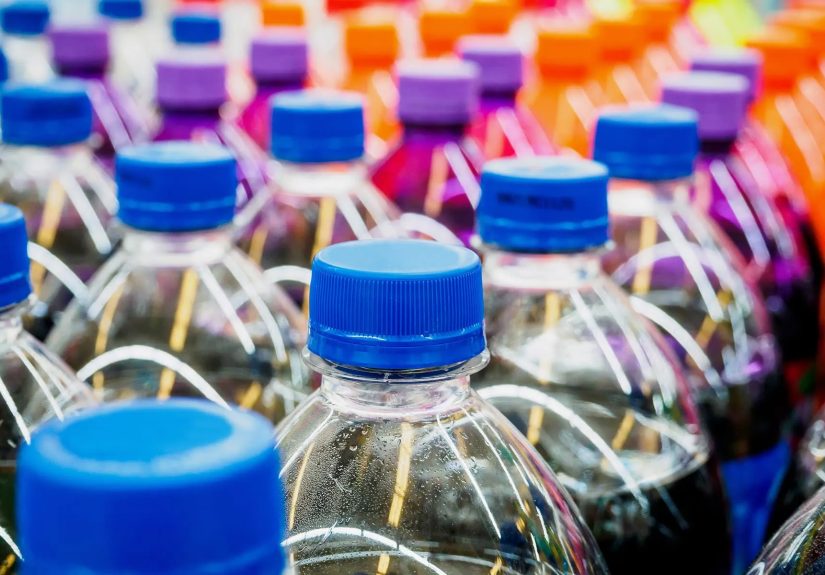
Soda, sparkling water, energy drinks, and fizzy pre-workout beverages can cause bloating and burping. That may not ruin a casual walk, but it can be annoying during running, cycling, lifting, or any movement that compresses your core.
Why bubbles are not always your buddy
Carbonation adds gas to the digestive tract. During exercise, that can create pressure, belching, or stomach discomfort. Sugary sodas add another issue: a quick sugar hit without much nutritional value. Some energy drinks also contain high caffeine levels, which can make sensitive people feel jittery or nauseated.
Better choice
Drink water before most workouts. For longer sessions, hot conditions, or heavy sweating, an electrolyte drink may help. If you like caffeine before exercise, coffee or tea may work better than a giant carbonated energy drinkbut keep the amount reasonable.
8. Alcohol
Alcohol before a workout is a hard no. Even small amounts can affect coordination, hydration, reaction time, balance, and decision-making. In other words, it is not exactly the ideal teammate for deadlifts or treadmill intervals.
Why alcohol is risky before exercise
Alcohol can increase dehydration risk, reduce exercise performance, and make injuries more likely. It can also interfere with blood sugar regulation and make you feel tired sooner. A workout already asks your body to coordinate muscles, breathing, balance, and focus. Alcohol walks in and starts unplugging the Wi-Fi.
Better choice
Hydrate with water and save alcoholic drinks for well after training, if you drink at all. After exercise, prioritize fluids, carbohydrates, protein, and recovery first.
9. Very High-Protein Meals Right Before Training
Protein is important for muscle repair and recovery. But eating a huge steak, a giant protein bowl, or multiple scoops of protein powder right before exercise can be uncomfortable.
Why too much protein can feel heavy
Protein takes time to digest. While a moderate amount can be helpful in a pre-workout meal eaten a few hours before exercise, a very large protein serving right before training may cause nausea or heaviness. It also does not provide the quick energy that carbohydrates do.
Better choice
Try a smaller amount of protein paired with carbohydrates. Good examples include yogurt with fruit, toast with egg, a small turkey sandwich, or a smoothie with banana and a moderate scoop of protein powder.
10. Full-Fat Dairy
Milkshakes, cream-based smoothies, full-fat cheese, heavy cream sauces, and rich yogurt bowls can sit heavily in the stomach. Some people also experience digestive symptoms from lactose, especially during movement.
Why full-fat dairy may cause discomfort
Full-fat dairy combines fat and sometimes lactose, both of which can be tricky before exercise. If you are lactose intolerant or sensitive to dairy, even a small serving can lead to bloating, cramps, or urgent bathroom negotiations.
Better choice
If dairy works for you, choose lower-fat yogurt or milk and keep the portion moderate. If dairy does not work for you, try lactose-free milk, soy milk, a banana, toast, or a fruit-based smoothie.
11. Large Salads
A big salad can be a beautiful, colorful, nutrient-dense meal. It can also be a pre-workout mistake if it is loaded with raw vegetables, beans, cheese, creamy dressing, seeds, and avocado.
Why salads can be too much before exercise
Large salads can be high in fiber, fat, and volume. That combination may cause bloating and fullness. Even though the ingredients may be healthy, they may not be easy to digest before movement.
Better choice
Eat big salads after your workout or several hours before. Before exercise, consider a smaller, lower-fiber snack such as toast, fruit, crackers, or rice cakes.
12. Nuts, Seeds, and Nut Butters in Large Amounts
Nuts, seeds, almond butter, peanut butter, and trail mix are nutritious and convenient. But they are also high in fat and calorie-dense, which means large portions can digest slowly.
Why portion size matters
A small amount of peanut butter on toast may be fine for many people. A large handful of almonds plus a thick nut-butter smoothie right before exercise may leave you feeling weighed down. Healthy fat is still fat, and fat takes time to digest.
Better choice
Keep nut butter portions small before exercise, such as one teaspoon to one tablespoon, and pair it with easy carbohydrates like toast or a banana. Save bigger portions of nuts and seeds for meals farther away from your workout.
13. New Foods You Have Never Tried Before
Trying a new pre-workout snack right before an important run, class, game, or lifting session is a bold move. Sometimes it works. Sometimes your stomach submits a formal complaint.
Why new foods are risky
Everyone tolerates foods differently. Some people can drink coffee and run five miles with no problem. Others take two sips and need to locate every bathroom within a three-mile radius. The only way to know your personal tolerance is to test foods during low-pressure workouts.
Better choice
Use familiar foods before key workouts. If you want to experiment with a new bar, drink, supplement, or meal, try it on an easy training day first.
What to Eat Instead Before a Workout
Now that we have politely escorted the troublemakers out of the pre-workout party, let’s talk about better options. The ideal pre-workout meal depends on timing, workout intensity, digestion, and personal preference.
Three to four hours before exercise
You can usually handle a balanced meal with carbohydrates, lean protein, and a small amount of fat. Examples include chicken with rice and vegetables, oatmeal with fruit and yogurt, eggs with toast and fruit, or a turkey sandwich with a side of applesauce.
One to two hours before exercise
Choose a smaller meal or snack that is rich in carbohydrates and moderate in protein. Examples include a banana with yogurt, toast with honey, cereal with milk, a small smoothie, or crackers with turkey slices.
Thirty to sixty minutes before exercise
Keep it simple and easy to digest. Try a banana, applesauce, a few pretzels, a slice of toast, dry cereal, or a small sports drink if the workout is long or intense.
How Different Workouts Change Your Food Choices
Not every workout needs the same fuel. A gentle stretching session does not demand the same preparation as a two-hour bike ride or a heavy lifting day.
Before running or high-intensity cardio
Choose lower-fiber, lower-fat carbohydrates. Running involves repeated impact, so stomach comfort matters. Bananas, toast, rice cakes, and applesauce are popular for a reason.
Before strength training
A mix of carbohydrates and protein can work well. You do not need a massive meal, but you do want enough energy to lift with focus. Try Greek yogurt with fruit, toast with egg, or a small rice bowl.
Before yoga or Pilates
Avoid foods that cause bloating or reflux, especially because these workouts often include bending, twisting, and lying down. Keep portions modest and choose light foods.
Personal Experience: What Pre-Workout Mistakes Teach You
Most people do not learn their worst pre-workout foods from a textbook. They learn them the dramatic way: by eating the wrong thing, starting the workout, and realizing their stomach has joined the session as an unpaid coach.
One of the most common experiences is the “healthy but badly timed” meal. Imagine eating a giant salad with kale, chickpeas, broccoli, avocado, pumpkin seeds, and creamy dressing because you are trying to be responsible. Nutritionally, that meal has plenty going for it. But if you eat it 45 minutes before a run, responsibility may quickly turn into regret. The fiber and fat can make your stomach feel stretched and slow. You may start strong, then spend the next twenty minutes wondering whether the sidewalk has emergency seating.
Another classic mistake is relying on sugary snacks for quick energy. A doughnut or candy bar may feel like a clever shortcut before a workout. At first, you may get a burst of energy and think, “Look at me, science!” Then halfway through the session, your energy drops, your focus fades, and the weights feel personally offended by your existence. The lesson is not that sugar is evil. The lesson is that quick sugar without a plan can be unreliable fuel.
Many gym-goers also discover the fried-food problem the hard way. A heavy lunch of fries, fried chicken, or a greasy sandwich can stay with you for hours. During a workout, it may cause burping, reflux, or sluggishness. You might still finish the session, but it feels like exercising with a sleepy raccoon in your stomach. Not ideal, unless your fitness goal is “survive digestive chaos with dignity.”
Dairy is another personal-tolerance category. Some people can eat yogurt before every workout and feel fantastic. Others find that milk, cheese, or creamy smoothies cause bloating or cramps, especially during cardio. This is why food advice should never be one-size-fits-all. Your best pre-workout snack is the one that gives you steady energy and leaves your stomach quiet enough to mind its own business.
Caffeine can be helpful for some workouts, but it has a personality. A modest coffee may improve alertness. A giant energy drink, especially one that is carbonated and loaded with stimulants, may cause jitters, stomach upset, or a racing heartbeat. If you use caffeine, test your dose carefully and avoid treating your nervous system like a haunted elevator.
The most useful lesson from real-life experience is simple: keep a pattern. Notice what you ate, when you ate it, and how the workout felt. If you felt energized and comfortable, repeat that strategy. If you felt bloated, sleepy, nauseated, or desperate for a bathroom, adjust the meal, timing, or portion. Your body gives feedback. Sometimes it whispers. Sometimes it uses a megaphone during mile two.
For many people, the winning formula is boring in the best way: familiar foods, modest portions, easy carbohydrates, a little protein when there is enough time, and plenty of hydration. Boring works. Boring finishes workouts. Boring does not suddenly introduce spicy chili to burpees.
Final Thoughts: Eat Smart, Then Sweat Smarter
The worst foods to eat before a workout are usually not terrible foods in every situation. They are foods that are poorly timed for movement. Fried meals, large fast-food portions, beans, cruciferous vegetables, spicy dishes, sugary desserts, carbonated drinks, alcohol, huge protein servings, full-fat dairy, large salads, and big portions of nuts or seeds can all interfere with performance or comfort when eaten too close to exercise.
A better pre-workout strategy is to choose foods that digest easily and match your workout. Focus on carbohydrates for energy, add moderate protein when you have enough time, keep fat and fiber lower close to exercise, and avoid experimenting before important sessions. Think of pre-workout nutrition as setting the stage. You want the spotlight on your musclesnot on your stomach doing improv comedy.
Note: This article is for general educational purposes and is not a substitute for personalized medical or nutrition advice. People with diabetes, gastrointestinal conditions, pregnancy-related concerns, food allergies, or other medical needs should speak with a qualified healthcare professional or registered dietitian before changing their workout nutrition plan.







 Close
Close