
Table of Contents >> Show >> Hide
- What the YouTube Subscriber Game Really Means
- How YouTube Actually Rewards Growth
- The Real Moves That Help You Gain Subscribers
- What Usually Kills Subscriber Growth
- How to Measure Whether You Are Winning
- Why Subscribers Still Matter for Business
- of Real Experience From the YouTube Subscriber Game
- Conclusion
The YouTube Subscriber Game sounds like a race, a puzzle, and a mild emotional roller coaster all at once. One day you gain 47 subscribers and feel like a digital wizard. The next day you lose 12 and start staring at your thumbnail like it personally betrayed you. That is the game: not just collecting subscribers, but earning attention, trust, repeat views, and enough momentum to make people say, “Yep, I want more of this.”
What makes this game tricky is that many creators still treat subscribers like the only scoreboard that matters. They chase the shiny number, obsess over every tiny bump, and forget the bigger truth: on YouTube, a subscriber is valuable only when that person keeps watching. In other words, the real win is not getting someone to click the red button once. The real win is becoming part of their routine.
That is why a smart YouTube growth strategy looks less like a hack and more like a system. It combines audience research, strong video packaging, clear channel branding, consistent publishing, useful analytics, and enough patience to survive a week where your upload performs like a sleepy potato. If you want to understand the YouTube subscriber game, you have to understand how the platform actually works, what causes channels to grow, and what mistakes quietly sabotage growth.
What the YouTube Subscriber Game Really Means
At its core, the YouTube subscriber game is the process of turning casual viewers into loyal followers. It is not just about promotion. It is about positioning. Viewers subscribe when they understand what your channel delivers, believe it will continue delivering, and feel rewarded when they come back.
That means subscribers are not won by luck alone. They are usually earned through a pattern:
- A video gets discovered through search, recommendations, Shorts, or external promotion.
- The title and thumbnail convince someone to click.
- The opening seconds make it clear the video is worth watching.
- The content delivers on the promise without rambling like an uncle at a backyard barbecue.
- The viewer sees more related value on your channel and decides to subscribe.
If any part of that chain breaks, subscriber growth slows down. So yes, subscribers matter. But they are a result of good channel design and good content behavior, not a magic trick.
How YouTube Actually Rewards Growth
1. Viewer satisfaction beats empty vanity metrics
YouTube does not simply reward channels with the biggest subscriber count. The platform pays close attention to how viewers respond to content. If people click, watch, stay, engage, and continue watching more videos, your content sends strong quality signals. If they click and bounce, the platform gets the hint. Fast.
That is why a smaller channel can sometimes outperform a giant one. A creator with 8,000 subscribers and excellent retention can often create more momentum than a lazy channel with 80,000 subscribers whose audience has mentally checked out. The algorithm is not sentimental. It is performance-minded.
2. Packaging matters more than creators want to admit
Many creators say, “My content is amazing, people just need to find it.” Sometimes that is true. More often, the problem is packaging. On YouTube, titles and thumbnails are not decoration. They are the front door. If the front door looks confusing, boring, or misleading, people do not walk in.
A great thumbnail creates curiosity without lying. A great title promises a clear payoff. Together, they tell viewers who the video is for and why it deserves attention right now. That is not clickbait when the video delivers. That is good communication.
3. The channel experience matters
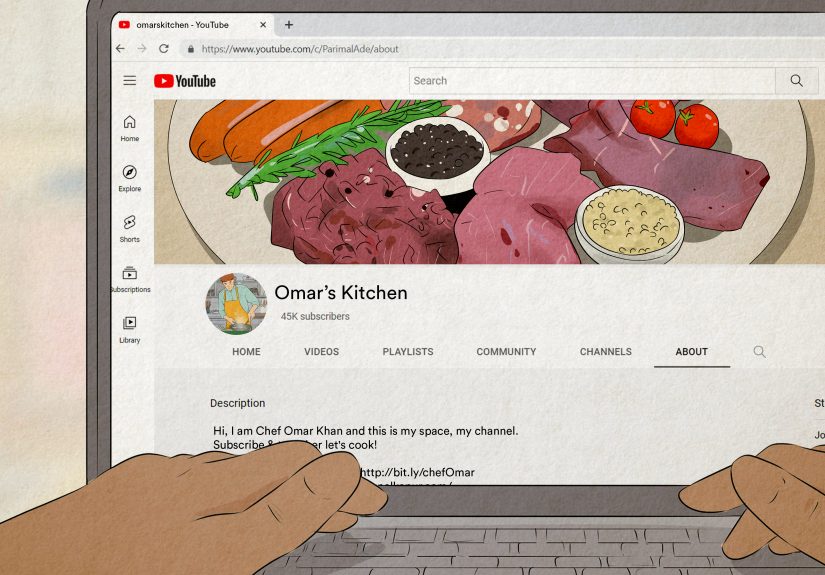
Your channel page is a silent salesperson. When a viewer lands on it, they are asking a simple question: “What am I subscribing to?” If your banner is vague, your featured video is weak, and your homepage looks like a garage sale of random uploads, you make the answer harder than it should be.
The best channels make the value proposition obvious. They use a recognizable brand style, featured sections, playlists, and a clear content theme. Viewers should understand your promise in seconds, not after an archaeological dig.
The Real Moves That Help You Gain Subscribers
Choose a lane people can recognize
Niche clarity is not boring. It is useful. When your content has a consistent focus, viewers know what to expect, YouTube has an easier time identifying the right audience, and your backlog starts working like a team instead of a random crowd. A gaming channel, budget cooking channel, camera review channel, or productivity channel can all grow fast when the content is specific and repeatable.
This does not mean you must trap yourself forever. It means you should become known for something before trying to become known for everything. The internet already has enough channels suffering from identity confusion.
Build around searchable topics and clickable ideas
A strong YouTube SEO strategy still matters, especially for newer creators. Videos built around clear audience questions, pain points, comparisons, tutorials, reactions, or transformations often give channels a better shot at discovery. Search can become the first entry point, while recommendations do the long-term heavy lifting.
Smart creators often mix content types: some videos target search intent, some aim for broader recommendation appeal, and some exist to deepen loyalty with current viewers. That mix is healthier than posting twenty versions of the same “please subscribe” energy in different outfits.
Create series, not just isolated uploads
One of the simplest ways to grow subscriber conversion is to make viewers feel there is more to watch. Series-based content does this beautifully. If someone watches “Episode 1,” they instantly understand there is an “Episode 2.” Playlists, recurring formats, themed challenges, and sequels can turn one-off interest into habit.
This is where the subscriber game gets fun. You stop thinking only about single videos and start thinking like a channel architect. Each upload supports the next one. Each topic has a content neighbor. Each new viewer gets a path deeper into your library.
Use Shorts wisely
YouTube Shorts can introduce your channel to new audiences quickly, but they should not become a random confetti cannon. Shorts work best when they connect to your broader content identity. A Short can tease a longer video, showcase a punchy tip, highlight a memorable moment, or test an idea before you build a full upload around it.
The trap is chasing viral Shorts that attract viewers who never care about your core content. Yes, your subscriber number may jump. But if those subscribers never return for long-form videos, your channel starts looking healthy while feeling strangely hollow. Subscriber growth without viewer alignment is like owning a gym membership card and never going inside.
Ask for the subscribe at the right moment
Calls to action still matter, but timing matters more. Asking viewers to subscribe before they know whether your video is any good is a bit like proposing on the first date because you made decent coffee. A better approach is to ask after delivering value, or after showing viewers what they gain by joining your channel.
“Subscribe for weekly small-business YouTube growth tips” is far better than a generic “smash that subscribe button.” One gives a reason. The other gives flashbacks.
Talk with your audience, not at them
Subscriber growth improves when viewers feel seen. Replying to comments, using Community features, pinning smart comments, asking relevant questions, and referencing viewer feedback in future videos all help create a stronger relationship. Community is not a side quest. It is part of the game.
What Usually Kills Subscriber Growth
Fake engagement and shortcut culture
Buying subscribers, joining sub-for-sub circles, using artificial traffic, or trying to game the system is a terrible long-term strategy. At best, it creates a bloated subscriber count with weak performance. At worst, it triggers policy problems and damages the credibility of your channel.
Even when fake subscribers briefly inflate your numbers, they do not behave like real fans. They do not watch deeply, they do not comment meaningfully, and they do not create the performance signals that actually matter. A channel with real interest from 2,000 people is stronger than a channel with 20,000 ghost subscribers and the energy of an abandoned mall.
Inconsistent branding and random uploads
Creators often underestimate how confusing a messy channel can be. If your last five videos are about cryptocurrency, meal prep, sneakers, relationship advice, and aquarium gravel, viewers may admire your range while refusing to subscribe. Consistency does not mean monotony. It means coherence.
Weak first 30 seconds
You can have a great thumbnail, a smart title, and a strong topic, then lose the game because your intro wanders. Long logos, awkward self-introductions, generic filler, or delayed payoffs can all crush retention. Viewers clicked for a reason. Meet them there immediately.
How to Measure Whether You Are Winning
The smartest creators do not stare only at subscriber count. They watch a few more useful signals:
- Click-through rate: Are people choosing your video when they see it?
- Audience retention: Are they staying long enough to prove the content delivers?
- Returning viewers: Are people coming back?
- Subscriber conversion by video: Which videos actually make people subscribe?
- Traffic sources: Are you growing through search, recommendations, Shorts, or external promotion?
This data helps you stop guessing. If a video gets strong retention but low clicks, your packaging may be weak. If clicks are strong but retention collapses, your promise is better than your delivery. If a topic consistently drives subscribers, congratulations: you just found part of your channel’s growth engine.
Why Subscribers Still Matter for Business
Subscribers are not the only metric that matters, but they still play a major role in long-term channel value. They help build a stable audience base, improve repeat reach, support community features, and contribute to monetization milestones. For creators who want to build a business, subscriber growth is often tied to broader opportunities such as memberships, live engagement, brand deals, and product sales.
That is especially important because YouTube monetization is layered. Some creators can unlock early fan-funding features at lower thresholds in eligible markets, while the full ad-revenue path still requires higher milestones. In practical terms, subscriber growth is not just a vanity milestone. It can become a gateway to sustainability.
And once a channel becomes a business, the subscriber game changes again. You are no longer asking, “How do I get more people to click subscribe?” You are asking, “How do I build a content machine that keeps earning attention, trust, and revenue over time?” That is a much better question.
of Real Experience From the YouTube Subscriber Game
If you spend enough time in the YouTube subscriber game, you begin to recognize a pattern almost every creator experiences. It usually starts with optimism. You upload a video, refresh the dashboard six times in ten minutes, and convince yourself that silence is just the algorithm winding up for greatness. Then the video gets eleven views, one of them is your cousin, and two are probably you. Humbling? Absolutely. Educational? Also yes.
The first real subscriber milestone always feels bigger than it looks from the outside. Ten subscribers can feel like a stadium when you know the internet has millions of distractions. One hundred subscribers feels like proof of life. One thousand feels like you have graduated from “person posting videos into the void” to “person with an actual audience.” The funny thing is that every milestone feels small once you pass it, but while you are climbing toward it, it feels enormous.
Another common experience is discovering that your favorite video is not the one your audience loves most. Creators pour their soul into a cinematic masterpiece, only to watch a simpler how-to video quietly outperform it for months. That moment can sting, but it teaches one of the biggest lessons in YouTube growth: your audience is not voting on effort alone. They are voting on relevance, clarity, and usefulness. The market can be rude, but it is rarely vague.
Then there is the emotional chaos of subscriber fluctuations. You gain 30 subscribers from one upload and feel unstoppable. The next week you lose 8 and suddenly act like the internet has launched a coordinated campaign against you. In reality, some churn is normal. People unsubscribe. Spam accounts get removed. Interests change. Mature creators learn to see subscriber movement as information, not judgment.
Most creators also go through a packaging awakening. At some point, they realize that a strong video with a weak title is like serving incredible food in a plain cardboard box labeled “meal.” Technically honest, commercially tragic. Once they improve thumbnails, tighten titles, and get faster in the opening hook, the same level of content starts performing better. That can be frustrating, but it is also empowering because packaging is fixable.
One of the best experiences in the subscriber game is when community starts to form. You see the same names in comments. Someone references an old video. Another viewer answers a question before you do. That is the moment the game stops feeling like a numbers race and starts feeling like a shared project. Growth becomes less abstract. Real people are waiting for your next upload.
And finally, there is the long view. The creators who last are rarely the ones who treat every upload like a lottery ticket. They are the ones who learn, adapt, improve, and keep publishing with intention. They understand that the subscriber game is not won in a weekend. It is won through dozens of small decisions made well: better topic selection, stronger hooks, clearer branding, smarter sequencing, and a deeper understanding of what viewers truly value. That is the part nobody can fake, and it is exactly why the game remains worth playing.
Conclusion
The YouTube subscriber game is not really about chasing a number. It is about creating a channel people want to return to. Subscribers grow when your channel promise is clear, your topics are relevant, your thumbnails and titles earn clicks, your videos hold attention, and your audience feels that subscribing gives them ongoing value.
If you treat YouTube like a shortcut machine, you will probably burn out. If you treat it like a long-term media asset, you can build something much stronger. Focus on real viewers, not fake shortcuts. Build a recognizable lane. Learn from analytics. Use Shorts strategically. Improve your packaging. Make your next video part of a larger journey. That is how you stop playing the subscriber game like a gambler and start playing it like a builder.





 Close
Close