
Table of Contents >> Show >> Hide
- Why replace conventional wheat bread in the first place?
- 1. 100% whole-grain bread
- 2. Sprouted grain bread
- 3. Whole-grain sourdough
- 4. Corn tortillas
- 5. Oatmeal or savory oats
- 6. Brown rice or quinoa bowls
- 7. Lettuce wraps
- 8. Collard green wraps
- 9. Sweet potato toast
- 10. Bean-based or veggie-forward sandwich alternatives
- How to choose the best bread replacement for your goal
- of real-life experience with bread swaps
- Final thoughts
Conventional wheat bread is the default sidekick for sandwiches, toast, burgers, breakfast, and those suspiciously heroic midnight snacks. But default does not always mean ideal. For some people, regular white or highly refined wheat bread feels too processed, too low in fiber, too fast-digesting, or just plain boring. For others, the issue is gluten, blood sugar management, digestive comfort, or the fact that every lunch somehow turns into “bread plus more bread.”
The good news is that replacing conventional wheat bread does not mean declaring war on carbs or pretending lettuce is emotionally equal to a warm grilled cheese. It simply means choosing smarter, more nutrient-dense options that better match your goals. Sometimes the healthiest swap is still a bread-like product, just one made with whole or sprouted grains. Other times, the better move is to skip bread altogether and use vegetables, legumes, or whole grains in a different form.
Below are 10 healthy ways to replace conventional wheat bread, plus practical advice on when each swap makes sense, what it tastes like, and how to use it without feeling like you are being punished by your lunch.
Why replace conventional wheat bread in the first place?
Not all wheat bread deserves a dramatic breakup speech. A truly whole-grain loaf can be a solid part of a healthy diet. The problem is that many everyday loaves are made mostly from refined flour, which means they are lower in fiber and other nutrients than whole-grain choices. That can make them less filling and less helpful for steady energy.
In general, a healthier bread replacement does at least one of these things:
- Adds more fiber
- Provides better overall nutrition
- Helps you feel full longer
- Reduces dependence on highly refined grains
- Works better for gluten-related medical needs
- Makes it easier to build a balanced meal with vegetables, protein, and healthy fats
That last point matters more than people think. A bread swap only earns its gold star if the whole meal is balanced. Replacing white sandwich bread with a giant wrap loaded with salty processed meat and creamy dressing is not exactly a nutrition glow-up. The healthiest replacements support the meal, not just the Instagram photo.
1. 100% whole-grain bread
If you still want actual bread, start here. A good 100% whole-grain loaf is often the easiest and most realistic upgrade from conventional wheat bread. It keeps the familiar texture and function of bread but usually delivers more fiber, more vitamins and minerals, and better staying power.
Why it works
Whole grains include the bran, germ, and endosperm, which means they retain more of the grain’s natural nutrients. That generally makes them more filling and more supportive of heart health and healthy digestion than refined white bread.
Best uses
Sandwiches, toast, avocado toast, peanut butter toast, grilled cheese, breakfast toast with eggs, and any meal where you want comfort without the refined-flour crash.
Shopping tip
Look for “100% whole grain” or “whole wheat” as one of the first ingredients, and choose a loaf with a decent fiber count and minimal added sugar. Brown color alone means nothing. Bread can wear a tan and still be nutritionally shady.
2. Sprouted grain bread
Sprouted grain bread is like whole-grain bread’s slightly more ambitious cousin. It is typically made from grains and legumes that have started sprouting before being turned into bread. The result is often a denser loaf with a nuttier flavor and a more satisfying bite.
Why it works
Sprouted grain bread often offers a nice mix of fiber and protein, making it a better choice than conventional white bread when you want something more filling. It can also fit well into breakfasts and lunches that need a little more nutritional substance.
Best uses
Toast with nut butter, turkey sandwiches, tuna salad, hummus and vegetables, or open-faced sandwiches where one slice is enough.
Important note
Sprouted does not mean gluten-free. Many sprouted breads still contain wheat, barley, or other gluten-containing grains. If you have celiac disease, this is not your loophole. This is your trap door.
3. Whole-grain sourdough
Sourdough has developed a health halo for good reason, but it still needs a reality check. A whole-grain sourdough can be a smart replacement for conventional wheat bread because fermentation may make it easier for some people to digest, and whole-grain versions offer better nutrition than standard white loaves.
Why it works
It gives you that classic chewy, tangy bread experience while potentially being gentler for some people than standard bread. The key is choosing a loaf made with whole grains rather than treating every pale artisan loaf like it won a nutrition award just for being rustic.
Best uses
Toast, breakfast sandwiches, soups, open-faced melts, and hearty sandwiches with eggs, salmon, or roasted vegetables.
Important note
Sourdough is not gluten-free either. Some people with mild sensitivity may tolerate it better, but people with celiac disease still need truly gluten-free options.
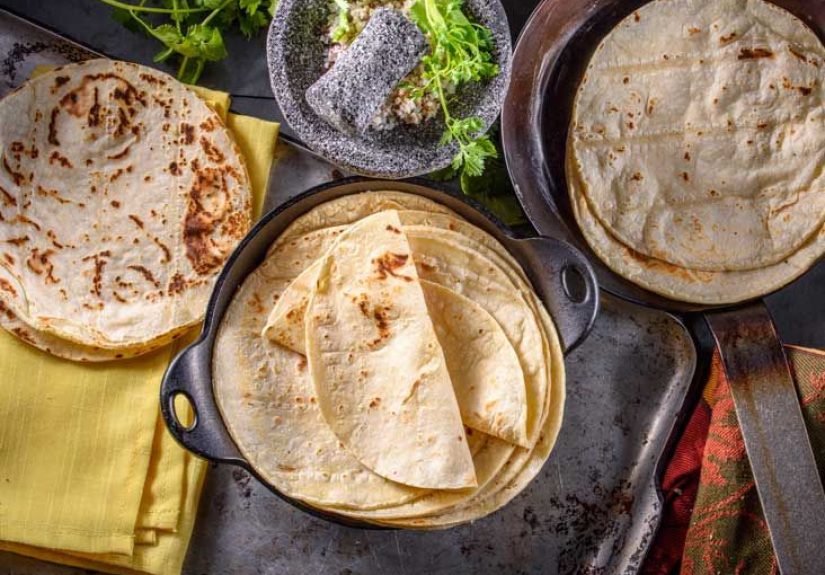
4. Corn tortillas
Corn tortillas are one of the most practical bread replacements around. They are compact, versatile, and perfect when you want a hand-held meal without a thick, fluffy bread base.
Why it works
They can be a simple portion-controlled alternative for tacos, breakfast wraps, mini quesadillas, or roll-ups. Whole-grain corn versions can also contribute fiber and variety to your grain intake.
Best uses
Breakfast tacos, turkey roll-ups, bean tacos, grilled fish tacos, black bean and avocado lunches, and quick snack plates.
Smart move
Choose corn tortillas with lower sodium and simpler ingredients. And remember, what goes inside still matters. A corn tortilla wrapped around beans, salsa, and avocado is a different nutritional story than one wrapped around a sodium parade.
5. Oatmeal or savory oats
Sometimes the best bread replacement is not bread-shaped at all. If your morning routine relies on toast out of habit, oatmeal is one of the easiest healthy ways to break that pattern.
Why it works
Oats are a whole grain and can be a filling, fiber-rich way to start the day. They are especially useful if you want more sustained energy than you get from a couple slices of refined toast.
Best uses
Breakfast bowls with berries and nuts, savory oats with eggs and spinach, overnight oats, or a side instead of toast with a veggie omelet.
Important note
If you need a gluten-free diet for celiac disease, choose oats labeled gluten-free because cross-contact is common in regular oat products.
6. Brown rice or quinoa bowls
If your sandwich is basically a delivery system for protein, vegetables, and sauce, you may be better off turning it into a bowl. Brown rice and quinoa are both strong alternatives when you want the meal to feel substantial without relying on bread.
Why it works
These grains offer a more flexible base for balanced meals. They pair well with lean protein, beans, vegetables, and healthy fats, which can help you build a lunch or dinner that is more nutrient-dense and often more satisfying than a basic sandwich.
Best uses
Chicken grain bowls, salmon quinoa bowls, taco bowls, roasted veggie bowls, Mediterranean lunch bowls, and leftover clean-out-the-fridge masterpieces.
Who will love this most
People who finish sandwiches and immediately begin emotionally negotiating with a bag of chips.
7. Lettuce wraps
Lettuce wraps are crisp, refreshing, and surprisingly effective when the filling is flavorful enough. They work especially well if you are trying to lighten the texture of a meal while keeping the protein and vegetables front and center.
Why it works
Leafy wraps can reduce reliance on refined grains and make it easier to pile in crunchy vegetables. They also work well for meals where bread would mostly be playing a structural role.
Best uses
Chicken salad, tuna salad, taco fillings, burger patties, turkey and avocado wraps, Asian-style lettuce cups, and spicy tofu wraps.
Reality check
Lettuce wraps are fresh and light, but they are not always more satisfying on their own. Pair them with fruit, beans, soup, or a grain side if you need a fuller meal. Nobody needs to spend the afternoon haunted by the memory of a burger that escaped through a leaf.
8. Collard green wraps
If lettuce wraps feel a little too flimsy, collard greens are your sturdier, more confident upgrade. Their leaves are stronger, larger, and better at holding hearty fillings.
Why it works
Collard greens bring the vegetable power of leafy greens while functioning more like an actual wrap. They add color, texture, and nutrients without the refined flour.
Best uses
Rice-and-bean wraps, hummus and veggie wraps, grilled chicken wraps, avocado and roasted pepper wraps, or spicy tofu and slaw combinations.
Preparation tip
Trim the thick stem and soften the leaf briefly if needed. Once you get the hang of it, collards can handle fillings that would make ordinary lettuce surrender immediately.
9. Sweet potato toast
Sweet potato toast sounds like one of those internet ideas that should be illegal and yet somehow works. Slice sweet potato lengthwise, roast or toast it until tender, and use it as a base for toppings.
Why it works
Sweet potatoes provide fiber and useful nutrients while giving you that satisfying “toast platform” experience without bread. They are especially good for breakfasts and snacks where you want something warm, naturally sweet, and sturdy enough for toppings.
Best uses
Avocado and egg, nut butter and banana, Greek yogurt and berries, cottage cheese and cinnamon, or smoked salmon with cucumber.
Keep expectations normal
This will not taste exactly like sourdough. It tastes like sweet potato, which is honestly a strong career choice for a vegetable.
10. Bean-based or veggie-forward sandwich alternatives
When your goal is better nutrition, one of the smartest moves is to stop recreating bread and instead rebuild the meal. Beans, lentils, hummus, roasted vegetables, and nonstarchy vegetables can become the center of the plate instead of extras hiding under bread.
Why it works
Legumes and vegetables offer fiber, variety, and staying power. They also make it easier to create balanced meals that are not dominated by refined starch.
Best uses
Hummus plates with vegetables and eggs, black bean bowls, lentil salads, roasted vegetable stacks, stuffed peppers with quinoa, or snack lunches built around beans, fruit, vegetables, and a protein source.
When this is best
When you are hungry enough that two slices of bread were never the hero anyway.
How to choose the best bread replacement for your goal
If you want more fiber and fullness
Choose 100% whole-grain bread, sprouted grain bread, oatmeal, quinoa, brown rice, beans, or collard wraps paired with a filling meal.
If you need gluten-free options
Choose corn tortillas, rice bowls, quinoa bowls, potatoes, sweet potato toast, lettuce wraps, collard wraps, or gluten-free oats. Avoid assuming that sourdough or sprouted bread is automatically safe.
If you want fewer refined carbs
Lean into vegetables, legumes, oats, and intact whole grains rather than swapping one ultra-processed bread product for another bread-shaped imposter.
If you want easy everyday swaps
Start with whole-grain bread, corn tortillas, oatmeal, and grain bowls. These are practical, affordable, and easy to repeat without requiring a full personality change.
of real-life experience with bread swaps
One of the biggest mistakes people make when trying to replace conventional wheat bread is assuming the swap has to be dramatic to be healthy. In real life, most successful changes are boring in the best possible way. They are small, repeatable, and do not require a refrigerator full of expensive specialty products. For example, someone who eats white toast with butter every morning does not need to leap directly into a breakfast salad built inside a collard green. A more realistic upgrade is to switch to oatmeal three mornings a week, whole-grain toast two mornings a week, and sweet potato toast on weekends when there is more time. That kind of rhythm is easier to maintain and far more likely to stick.
Another common experience is discovering that the best bread replacement depends on the meal, not on the person. A turkey sandwich at lunch might work beautifully on sprouted grain bread, while dinner might be better as a quinoa bowl, and breakfast might be strongest with oats. Trying to find one single replacement for every bread situation usually creates disappointment. Bread plays different roles in different meals. Sometimes it is flavor. Sometimes it is texture. Sometimes it is just edible furniture holding the fillings together. Once people understand that, choosing healthier alternatives becomes much easier.
There is also a psychological side to this. Many people associate “healthy bread replacement” with “tiny portions and sadness.” Then they build a lettuce wrap with almost no protein or fat, eat it in six bites, and conclude that healthy eating is a scam. The better approach is to keep the meal balanced. Add chicken, beans, tofu, eggs, avocado, tuna, hummus, nuts, yogurt-based sauces, or roasted vegetables. Add fruit on the side. Add soup if needed. Bread is often not the only reason a meal feels satisfying; the balance of the whole plate matters more.
Budget is another real-world factor. Specialty gluten-free breads, boutique seed loaves, and frozen low-carb products can get expensive fast. Meanwhile, oats, brown rice, potatoes, sweet potatoes, dried beans, corn tortillas, and in-season produce are often much more affordable. Healthy does not have to mean artisanal. Sometimes the most effective swap is simply replacing a daily sandwich with a rice-and-bean bowl topped with salsa, vegetables, and a fried egg. That is not trendy, but it is practical, filling, and easy on the wallet.
People with digestive concerns often report that the “best” bread replacement is the one that matches their actual medical needs. Someone with celiac disease may do very well with corn tortillas, rice, potatoes, and certified gluten-free oats, while someone without celiac disease may be perfectly fine with whole-grain or sourdough bread. This is why personalization matters. The healthiest option is not the loudest one on social media; it is the one that fits your body, your budget, your schedule, and your taste buds. If a replacement is technically nutritious but you hate eating it, chances are that your toaster will outlast your commitment.
Final thoughts
The healthiest ways to replace conventional wheat bread are not about banning bread forever or treating carbs like cartoon villains. They are about upgrading quality, increasing fiber, adding variety, and building meals that work better for your body and your routine. Sometimes that means choosing a better loaf, like 100% whole-grain or sprouted bread. Other times it means stepping away from bread entirely and using oats, corn tortillas, grain bowls, sweet potatoes, lettuce, or collard greens.
In short, you do not need a dramatic food identity crisis. You just need smarter defaults. Start with one or two swaps you genuinely like, repeat them until they feel normal, and let your meals get healthier without becoming weirdly miserable.
Note: This article is for educational purposes only and is not medical advice. If you have celiac disease, diabetes, IBS, or another condition that affects food tolerance, ask a physician or registered dietitian which bread replacement fits your needs best.







 Close
Close