
Table of Contents >> Show >> Hide
- What Causes Dandruff in the First Place?
- 10 Natural Treatments for Dandruff
- 1. Wash Regularly With a Gentle Shampoo
- 2. Try Tea Tree Oil Carefully
- 3. Soothe the Scalp With Aloe Vera Gel
- 4. Use Coconut Oil as a Pre-Wash Treatment
- 5. Consider a Diluted Apple Cider Vinegar Rinse
- 6. Eat More Omega-3-Rich Foods
- 7. Add Probiotic and Fermented Foods
- 8. Manage Stress Before It Manages Your Scalp
- 9. Protect Your Scalp From Dry Air and Hot Water
- 10. Reduce Product Buildup and Irritating Ingredients
- When Natural Dandruff Remedies Are Not Enough
- Common Mistakes That Make Dandruff Worse
- A Simple Weekly Natural Dandruff Routine
- Real-Life Experience: What It Feels Like to Manage Dandruff Naturally
- Conclusion
- SEO Tags
Flakes on your shoulders? Welcome to the very annoying club nobody asked to join. Dandruff is common, stubborn, and occasionally dramatic enough to make a black T-shirt feel like a crime scene. The good news: many cases can be managed at home with gentle, natural scalp care, smart washing habits, and a few evidence-informed remedies that do not require turning your bathroom into a chemistry lab.
Dandruff is usually linked to scalp flaking, itching, oiliness, dryness, or a condition called seborrheic dermatitis. It is not caused by poor hygiene, and it is not contagious. In many people, dandruff involves a mix of oil glands, scalp sensitivity, irritation, product buildup, weather changes, stress, and a yeast called Malassezia, which naturally lives on the scalp. The goal is not to “scrub your scalp into submission.” The goal is to calm irritation, reduce buildup, support the skin barrier, and create a routine your scalp can actually tolerate.
Note: This article is for educational purposes only. If your scalp is painful, swollen, bleeding, oozing, causing hair loss, or not improving after several weeks of home care, see a board-certified dermatologist or qualified health care professional.
What Causes Dandruff in the First Place?
Before we jump into natural treatments for dandruff, it helps to understand why the flakes are throwing a party on your scalp. Dandruff can come from dry skin, oily skin, sensitivity to hair products, infrequent or overly harsh washing, seborrheic dermatitis, eczema, psoriasis, or fungal imbalance. Cold, dry weather may make symptoms worse, and stress can also turn a mild flake situation into a full snow globe moment.
Many people assume dandruff means the scalp is too dry, so they pile on heavy oils. Sometimes that helps. Sometimes it makes things greasier and itchier because dandruff can also be connected to excess oil. That is why the best home remedies for dandruff focus on balance: cleansing enough, moisturizing wisely, avoiding irritants, and using natural ingredients cautiously.
10 Natural Treatments for Dandruff
1. Wash Regularly With a Gentle Shampoo
The simplest natural dandruff treatment is also the least glamorous: wash your scalp regularly. Mild dandruff often improves when oil, sweat, flakes, and styling-product residue are removed consistently. Think of it as housekeeping for your scalp. No one is asking you to pressure-wash your head; just keep the environment clean enough that flakes do not build a tiny apartment complex.
If you have fine, straight, or oily hair, you may need to shampoo more often. If you have curly, coily, coarse, or dry hair, washing less frequently may be better, but the scalp still needs attention. Focus shampoo on the scalp rather than the ends of the hair, and rinse thoroughly. Leftover shampoo can irritate the skin and make itching worse.
For a natural routine, choose a fragrance-light, sulfate-free or gentle cleanser if your scalp is sensitive. If regular shampooing does not help, you may need an over-the-counter dandruff shampoo a few times weekly while still keeping the rest of your routine gentle.
2. Try Tea Tree Oil Carefully
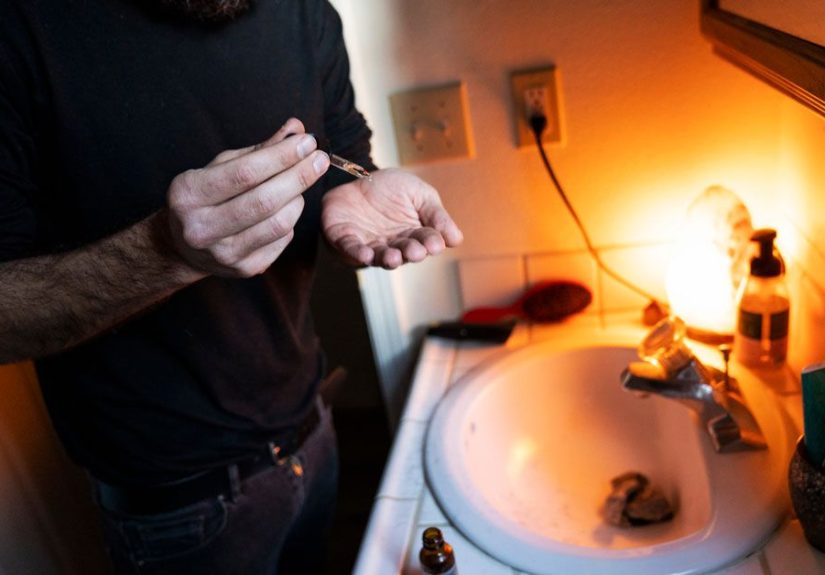
Tea tree oil is one of the most talked-about natural remedies for dandruff because it has antifungal and antimicrobial properties. Some research has looked at shampoos containing 5% tea tree oil for dandruff, and many natural dandruff shampoos include it for that reason.
However, this is not a “more is better” situation. Pure tea tree oil can irritate the skin, especially if used directly on the scalp. It may cause redness, burning, itching, dryness, or allergic contact dermatitis in some people. If your scalp is already angry, dumping strong essential oil on it is like sending a marching band through a library.
The safest approach is to use a commercially formulated tea tree shampoo or dilute tea tree oil properly in a carrier oil before applying it. Always patch test first. Apply a small amount behind the ear or on the inner arm and wait 24 hours. If irritation appears, skip it.
3. Soothe the Scalp With Aloe Vera Gel
Aloe vera is best known for calming sunburned skin, but its cooling, hydrating feel can also be useful for an itchy, irritated scalp. Aloe contains water-rich gel that may help reduce the tight, scratchy feeling that often comes with flakes. It is not a guaranteed dandruff cure, but it can be a gentle support step when your scalp feels irritated.
To use it, apply pure aloe vera gel to the scalp before shampooing. Leave it on for 15 to 30 minutes, then rinse and wash as usual. Look for products with minimal added fragrance or alcohol, because those extras can defeat the purpose by making the scalp sting.
If you have sensitive skin, patch test aloe too. Natural does not always mean automatically gentle. Poison ivy is natural, and nobody is inviting it to brunch.
4. Use Coconut Oil as a Pre-Wash Treatment
Coconut oil is a popular home remedy for dry scalp and flakes because it can reduce moisture loss and soften scale. It may be especially helpful if your dandruff is partly related to dryness, harsh washing, or a compromised scalp barrier. A light pre-wash treatment can loosen flakes so they rinse away more easily.
Massage a small amount of coconut oil into the scalp and leave it on for 20 to 30 minutes before shampooing. Do not sleep in a heavy layer unless you already know your scalp tolerates it. Too much oil can weigh hair down, clog follicles in some people, or make seborrheic dermatitis feel worse.
If coconut oil leaves your hair greasy after one wash, use less next time or try applying it only to dry patches. The goal is “comfortable scalp,” not “salad dressing with bangs.”
5. Consider a Diluted Apple Cider Vinegar Rinse
Apple cider vinegar is a famous natural dandruff remedy, often praised for helping remove buildup and refreshing the scalp. The honest answer: evidence for apple cider vinegar as a dandruff treatment is limited, and it can irritate sensitive skin. Still, some people find a very diluted rinse helpful when flakes are related to product buildup or oiliness.
To try it safely, mix one part apple cider vinegar with at least four parts water. Apply briefly after shampooing, avoid your eyes, let it sit for one to three minutes, then rinse very well. Do not use it on broken skin, scratches, inflamed patches, or a scalp that burns easily. Do not use undiluted vinegar. Your scalp is skin, not a pickle.
If you feel burning, stinging, or increased itching, stop immediately and switch back to a gentle routine.
6. Eat More Omega-3-Rich Foods
Diet does not usually cause dandruff by itself, but skin health depends on nutrients. Omega-3 fatty acids support the skin barrier and help the body regulate inflammation. If your meals are low in healthy fats, your skin and scalp may feel drier or more reactive.
Good omega-3 food sources include salmon, sardines, trout, chia seeds, flaxseed, walnuts, and fortified eggs. You do not need to eat like a celebrity wellness retreat. A simple example is oatmeal with ground flaxseed for breakfast, walnuts as a snack, and salmon or sardines once or twice a week.
This natural dandruff treatment works slowly. Do not expect your flakes to resign overnight. Think of nutrition as background support for a calmer scalp, not a quick spot treatment.
7. Add Probiotic and Fermented Foods
Probiotics are often discussed in relation to skin health because the immune system, gut, and skin barrier are connected. Dandruff-specific proof is still developing, but eating probiotic-rich foods may support overall skin balance and inflammation control.
Try yogurt with live cultures, kefir, kimchi, sauerkraut, miso, or kombucha if you tolerate them. If you are new to fermented foods, start small. Going from zero to giant jars of kimchi may make your stomach file a complaint.
People with immune problems, serious illnesses, or digestive conditions should ask a health care professional before taking probiotic supplements. Food-based options are usually a gentler starting point.
8. Manage Stress Before It Manages Your Scalp
Stress does not sprinkle flakes directly onto your head, but it can worsen inflammatory skin conditions and make itching harder to ignore. Many people notice dandruff flares during exams, deadlines, poor sleep, or emotional overload. The scalp is basically the drama friend of the skin world: it reacts.
Natural stress-management tools include walking, stretching, yoga, breathing exercises, journaling, prayer or meditation, and keeping a consistent sleep schedule. Even five minutes of slow breathing before bed may help reduce the scratch-and-stress cycle.
For a practical routine, try this: wash your scalp on schedule, avoid late-night doom-scrolling, and spend a few minutes massaging your scalp gently with your fingertips while shampooing. Calm scalp care plus calmer nerves can make a real difference over time.
9. Protect Your Scalp From Dry Air and Hot Water
Cold weather, indoor heating, and hot showers can dry the scalp and worsen flaking. If your dandruff gets worse in winter, your environment may be part of the problem. A humidifier in the bedroom can help add moisture to dry indoor air. Lukewarm showers are also kinder to the scalp than steamy, lava-level water.
After washing, rinse thoroughly and avoid aggressive towel rubbing. Pat or squeeze hair gently instead. If you blow-dry, use a lower heat setting when possible. Extreme heat can irritate the scalp and make dryness worse.
This approach is especially useful for people whose flakes are small, white, and dry rather than greasy or yellowish. If flakes are oily, thick, red, or stubborn, seborrheic dermatitis may be involved and you may need a targeted dandruff shampoo or professional care.
10. Reduce Product Buildup and Irritating Ingredients
Hair sprays, gels, dry shampoo, heavy oils, edge-control products, fragranced serums, and leave-ins can build up on the scalp. For some people, that buildup traps oil and flakes. For others, fragrance or preservatives trigger contact dermatitis, which can look like dandruff but behaves more like an irritation problem.
Try a two-week scalp reset: use fewer styling products, avoid applying conditioner directly to the scalp, and choose fragrance-light formulas. If you use dry shampoo, do not let it replace actual washing for too long. Dry shampoo is a helpful tool, not a scalp shower in a can.
You can also loosen flakes gently with your fingertips or a soft silicone scalp brush while shampooing. Avoid sharp nails, hard scrubbing, or picking. Scratching may feel satisfying for three seconds, then your scalp remembers and becomes even more irritated.
When Natural Dandruff Remedies Are Not Enough
Natural treatments for dandruff can help mild flaking, dryness, and irritation, but persistent dandruff sometimes needs proven active ingredients. Over-the-counter dandruff shampoos may contain zinc pyrithione, selenium sulfide, salicylic acid, ketoconazole, sulfur, or coal tar. These ingredients work in different ways: some reduce yeast, some slow scaling, and some help lift flakes.
For best results, dandruff shampoo usually needs contact time on the scalp. Massage it in and let it sit for several minutes before rinsing, unless the label says otherwise. If one ingredient does not help after a fair trial, switching to another active ingredient may work better.
See a dermatologist if flakes are severe, the scalp is red and painful, patches spread to the eyebrows or face, hair loss occurs, or over-the-counter care does not help. Conditions like psoriasis, eczema, ringworm, allergic reactions, and seborrheic dermatitis can overlap, and each may need a different plan.
Common Mistakes That Make Dandruff Worse
One common mistake is over-scrubbing. Dandruff is not dirt, so attacking it like burnt food on a pan can inflame the scalp. Another mistake is using too many remedies at once. Tea tree oil on Monday, vinegar on Tuesday, coconut oil on Wednesday, and three shampoos by Friday can leave your scalp confused and cranky.
Heavy oiling can also backfire for people with oily dandruff. If your flakes are greasy, yellowish, or paired with redness, too much oil may worsen buildup. On the other hand, washing too rarely can allow oil and flakes to collect. Balance matters.
Finally, ignoring irritation is a mistake. Burning, stinging, swelling, or worsening itch is your scalp’s way of saying, “Please stop this immediately.” Natural remedies should feel soothing, not like a dare.
A Simple Weekly Natural Dandruff Routine
Here is a realistic routine for mild dandruff. Two or three times per week, wash with a gentle shampoo, focusing on the scalp. Once weekly, use a tea tree shampoo if you tolerate it, or use a dermatologist-recommended dandruff shampoo if flakes persist. On a dry or itchy day, apply aloe vera gel for 15 minutes before washing. If your scalp feels tight and dry, use a small amount of coconut oil as a pre-wash treatment once weekly.
Keep showers lukewarm, rinse thoroughly, limit scalp-heavy styling products, and wash after heavy sweating. Add omega-3 foods, fermented foods, hydration, and better sleep as background support. Track your scalp for four weeks. If there is no improvement, it is time to upgrade the plan with professional guidance.
Real-Life Experience: What It Feels Like to Manage Dandruff Naturally
Anyone who has dealt with dandruff knows it is not just a scalp issue. It becomes a wardrobe issue, a confidence issue, and sometimes a “why did I scratch my head in public like that?” issue. The most relatable dandruff experience usually starts with denial. You see one flake on your shoulder and think, “Probably lint.” Then another appears. Then your scalp itches during a meeting, a date, or a family dinner, because apparently dandruff enjoys timing its performances.
A natural dandruff routine often feels frustrating at first because results are rarely instant. The first week may simply teach you what your scalp hates. Maybe undiluted apple cider vinegar made it sting. Maybe coconut oil was too heavy. Maybe your beloved tropical-fruit-scented styling cream was secretly causing irritation. This trial-and-observation stage is important. Your scalp is giving clues, and the job is to listen instead of throwing every internet remedy at it like confetti.
One practical experience many people share is that consistency beats intensity. A gentle shampoo used regularly often works better than a dramatic once-a-month scalp rescue mission. Leaving shampoo on the scalp for a few minutes can feel boring, but it matters. Use that time to wash your face, sing one verse of a song, or rethink the haircut you almost got in 2014. The point is to let the product touch the scalp long enough to do its job.
Another common lesson is that natural does not mean harmless. Tea tree oil may help some people, but it can irritate others. Aloe vera may feel wonderful, but formulas with alcohol or fragrance can sting. Apple cider vinegar may reduce buildup for one person and cause redness for another. The best natural treatment for dandruff is the one your scalp tolerates repeatedly.
People with curly, coily, or textured hair often have a different experience because frequent washing can dry the hair shaft even when the scalp needs cleansing. In that case, applying treatment mainly to the scalp, conditioning the lengths, and avoiding harsh scrubbing can help. Protective styles may also require extra scalp attention, because flakes can build where cleansing is difficult.
The emotional side matters too. Dandruff can be embarrassing, but it is extremely common and manageable. It does not mean you are dirty, unhealthy, or doing life wrong. Sometimes your scalp is simply sensitive, oily, dry, stressed, or dealing with yeast imbalance. With patience, a simpler routine, and smart natural treatments, many people can reduce flakes and itching noticeably. And if not, a dermatologist can help. Asking for help is not defeat; it is just refusing to let flakes run the board meeting.
Conclusion
Natural treatments for dandruff work best when they are gentle, consistent, and realistic. Regular shampooing, tea tree oil shampoo, aloe vera, coconut oil, diluted apple cider vinegar, omega-3 foods, probiotics, stress control, dry-air protection, and product-buildup reduction can all support a healthier scalp. The key is to patch test, introduce one remedy at a time, and stop anything that causes irritation.
Dandruff may come and go, especially during stress or cold weather, but it can usually be managed. If home remedies do not help after several weeks, or if symptoms are severe, painful, or spreading, get medical advice. Your scalp deserves peace, your shoulders deserve flake-free freedom, and your black shirts deserve a comeback tour.






 Close
Close