
Table of Contents >> Show >> Hide
- What Is Acorn Squash?
- How to Choose the Best Acorn Squash
- Ingredients for Basic Baked Acorn Squash
- How to Cut Acorn Squash Safely
- How to Bake Acorn Squash: Step-by-Step
- Best Oven Temperature for Baked Acorn Squash
- How Long to Bake Acorn Squash
- Classic Butter and Brown Sugar Baked Acorn Squash
- Savory Roasted Acorn Squash
- Maple Roasted Acorn Squash
- Can You Eat Acorn Squash Skin?
- Flavor Ideas for Baked Acorn Squash
- What to Serve with Baked Acorn Squash
- How to Store and Reheat Leftovers
- Common Mistakes When Baking Acorn Squash
- Experience Notes: What I’ve Learned from Baking Acorn Squash
- Conclusion
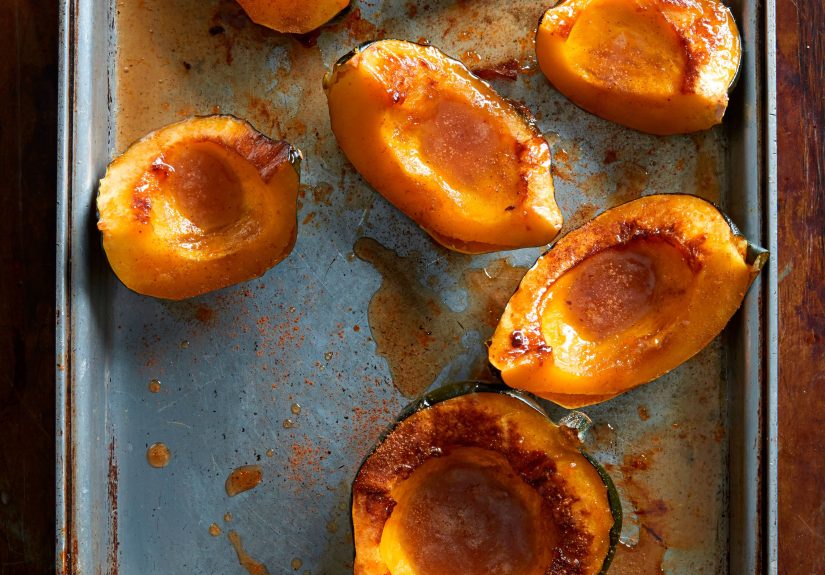
Baked acorn squash is the kind of recipe that makes you look like you planned dinner with the confidence of a cozy autumn cookbook author, even if you only bought the squash because it looked cute in the produce bin. With its ridged dark-green skin, sunny orange flesh, and naturally sweet, nutty flavor, acorn squash turns into a tender, caramelized side dish with very little effort. The oven does most of the work, which is excellent news for anyone who enjoys eating well but does not enjoy wrestling with complicated recipes on a Tuesday night.
This guide shows you exactly how to bake acorn squash, from choosing the right squash to cutting it safely, seasoning it well, roasting it until fork-tender, and turning leftovers into soups, grain bowls, salads, and cozy lunches. Whether you want a classic butter-and-brown-sugar version, a savory olive oil and herb version, or a maple-roasted acorn squash that tastes like fall politely knocked on your oven door, you will find a practical method here.
The best part? Acorn squash does not need peeling. Its skin becomes tender enough to eat after baking, and even if you prefer to scoop out the flesh, the skin works like a natural little bowl. Nature really did say, “Here, I brought the serving dish too.”
What Is Acorn Squash?
Acorn squash is a small winter squash shaped a bit like a giant green acorn. It usually has deep ridges, a dark green exterior, and golden-orange flesh. Some varieties have orange patches, which are normal, but a squash that is mostly orange may be overripe and can sometimes be stringier or drier inside.
Compared with butternut squash, acorn squash is slightly less sweet and a little more earthy. Compared with delicata squash, it has a firmer texture and a thicker skin. When baked properly, the flesh becomes soft, creamy, and lightly nutty, with caramelized edges that taste far fancier than the effort required.
How to Choose the Best Acorn Squash
For the best baked acorn squash recipe, start with a good squash. Look for one that feels heavy for its size. The skin should be firm, dull rather than shiny, and free from large soft spots, cracks, or mold. A dried, intact stem is a good sign because it helps the squash store better and suggests it was harvested at the right stage.
A little orange on the skin is fine, but try to choose a squash that is mostly dark green. If it is too shiny, it may have been picked before it fully matured. If it has too many soft orange areas, it may be past its prime. Think of it like choosing an avocado, except thankfully less dramatic and less likely to betray you overnight.
Ingredients for Basic Baked Acorn Squash
You only need a few ingredients to make oven baked acorn squash taste wonderful. The basic formula is simple: squash, fat, salt, and something flavorful.
For a savory version:
- 1 medium acorn squash
- 1 to 2 tablespoons olive oil
- 1/2 teaspoon kosher salt
- Freshly ground black pepper
- Optional: garlic powder, smoked paprika, thyme, rosemary, sage, or chili flakes
For a sweet version:
- 1 medium acorn squash
- 1 tablespoon melted butter or olive oil
- 1 to 2 tablespoons maple syrup or brown sugar
- 1/4 teaspoon cinnamon
- A pinch of salt
- Optional: nutmeg, vanilla, chopped pecans, or a drizzle of honey after baking
Salt matters even in sweet baked acorn squash. It balances the sweetness and wakes up the squash’s natural flavor. Without it, the dish can taste a little flat, like autumn wearing slippers with no socks.
How to Cut Acorn Squash Safely
Acorn squash is firm, so cutting it requires patience. Place the squash on a stable cutting board. Slice a thin piece from one side if needed to create a flat surface and stop it from rolling. Cut from stem to tip, working slowly and keeping your fingers away from the blade. If the stem is too tough to cut through, cut beside it instead of trying to force the knife straight through.
Once the squash is halved, scoop out the seeds and stringy center with a sturdy spoon. Do not throw the seeds away if you enjoy crunchy snacks. Acorn squash seeds can be cleaned, dried, seasoned, and roasted much like pumpkin seeds.
How to Bake Acorn Squash: Step-by-Step
Step 1: Preheat the oven
Preheat your oven to 400°F. This temperature is a reliable sweet spot because it gives the squash enough heat to caramelize without drying it out too quickly. If you want deeper browning, use 425°F. If you prefer a softer, gentler bake, use 350°F and plan for a longer cooking time.
Step 2: Prepare the squash
Wash the outside of the squash just before cooking. Dry it well, then cut it in half and scoop out the seeds. You can bake acorn squash halves, wedges, or slices. Halves are easiest for stuffing or serving as individual portions. Wedges and slices roast faster and develop more caramelized edges.
Step 3: Season generously
Brush the cut sides with olive oil or melted butter. Sprinkle with salt and pepper. For savory squash, add herbs and spices. For sweet squash, add maple syrup, brown sugar, cinnamon, or a small pat of butter in each hollow. Do not drown it in syrup before baking; a light coating is enough. Too much sugar can burn before the squash is fully tender.
Step 4: Choose cut-side down or cut-side up
For the most tender squash, place the halves cut-side down on a parchment-lined baking sheet. This traps steam and helps the flesh soften evenly. For more caramelized flavor, bake cut-side up so the exposed flesh browns. A smart compromise is to bake cut-side down for the first half of the cooking time, then flip cut-side up and finish with butter, maple syrup, or herbs.
Step 5: Bake until fork-tender
Bake acorn squash halves at 400°F for about 40 to 55 minutes, depending on size. Smaller halves may be ready closer to 35 or 40 minutes, while larger ones can take nearly an hour. The squash is done when a fork or small knife slides easily through the thickest part of the flesh.
Step 6: Rest and serve
Let the squash rest for 5 minutes before serving. This helps the steam settle and makes the texture creamier. Serve it as a simple side dish, scoop the flesh into a mash, or fill the center with grains, sausage, lentils, rice, mushrooms, quinoa, or roasted vegetables.
Best Oven Temperature for Baked Acorn Squash
The best oven temperature depends on the texture you want. At 350°F, acorn squash becomes soft and moist, especially if baked cut-side down with a little water in the pan. This is a classic method for a tender, scoopable side dish. At 400°F, you get a nice balance of tenderness and browning. At 425°F, the squash develops golden edges and a roasted flavor more quickly.
For everyday cooking, 400°F is the most dependable choice. It is hot enough to encourage caramelization but forgiving enough that you do not need to hover near the oven like a nervous squirrel guarding its winter stash.
How Long to Bake Acorn Squash
Timing depends on how you cut the squash:
- Halves at 350°F: 55 to 70 minutes
- Halves at 400°F: 40 to 55 minutes
- Halves at 425°F: 35 to 50 minutes
- Wedges or slices at 400°F: 25 to 35 minutes
- Thin rings at 425°F: 20 to 30 minutes
Always test doneness instead of trusting the clock completely. Acorn squash varies in size, age, moisture, and density. Your oven may also run hotter or cooler than its display claims. The fork test is the truth-teller.
Classic Butter and Brown Sugar Baked Acorn Squash
This is the nostalgic version many people grew up eating. It is sweet, buttery, and simple enough for beginners.
Instructions
- Preheat oven to 400°F.
- Cut 1 acorn squash in half and remove the seeds.
- Brush the flesh with melted butter.
- Sprinkle each half with salt, cinnamon, and 1 tablespoon brown sugar.
- Place cut-side up on a baking sheet.
- Bake for 45 to 55 minutes, basting once or twice with the melted butter mixture in the center.
- Serve warm, spooning the buttery glaze over the flesh.
This version pairs beautifully with roasted chicken, pork chops, turkey, baked ham, or a vegetarian holiday spread. It also tastes suspiciously good next to a pile of mashed potatoes, which is how you know it belongs at Thanksgiving.
Savory Roasted Acorn Squash
If you prefer a less sweet side dish, savory roasted acorn squash is your friend. Slice the squash into wedges, toss with olive oil, salt, pepper, garlic powder, smoked paprika, and chopped rosemary or thyme. Roast at 425°F for about 25 to 35 minutes, flipping halfway through.
The wedges should be browned at the edges and soft inside. Finish with grated Parmesan, toasted nuts, a squeeze of lemon, or a drizzle of balsamic glaze. This style works well in grain bowls with farro, quinoa, wild rice, kale, chickpeas, feta, cranberries, or tahini sauce.
Maple Roasted Acorn Squash
Maple roasted acorn squash is the sweet-savory middle ground. It tastes cozy without becoming dessert. Cut the squash into wedges, toss with olive oil, maple syrup, salt, pepper, and a pinch of cinnamon or cayenne. Roast at 400°F until tender and caramelized.
The maple syrup helps the edges brown, while the salt keeps the sweetness balanced. If you want extra texture, add chopped pecans during the last 8 to 10 minutes of baking. Add them too early and they may burn, which is tragic because pecans are not cheap and deserve better.
Can You Eat Acorn Squash Skin?
Yes, acorn squash skin is edible once cooked until tender. It is thicker than delicata squash skin, so some people enjoy it while others prefer to scoop out the flesh. If you slice the squash into thinner wedges or rings and roast it well, the skin softens more and becomes easier to eat.
If serving guests, you can leave the skin on and let everyone decide. It helps the slices hold their shape and gives the dish a rustic, pretty look. Translation: less work, better presentation. That is the kind of math cooks appreciate.
Flavor Ideas for Baked Acorn Squash
Sweet and cozy
Use butter, maple syrup, cinnamon, nutmeg, brown sugar, and a pinch of salt. Finish with toasted pecans or walnuts.
Savory herb
Use olive oil, garlic, rosemary, thyme, sage, black pepper, and Parmesan. This version is excellent with chicken, turkey, or lentils.
Spicy-sweet
Use maple syrup, olive oil, smoked paprika, cayenne, chili powder, and salt. The heat balances the squash’s natural sweetness.
Mediterranean-style
Roast with olive oil, oregano, black pepper, and lemon zest. Serve with feta, parsley, chickpeas, or a spoonful of yogurt sauce.
Holiday stuffed squash
Bake the halves until almost tender, then fill them with wild rice, cranberries, mushrooms, sausage, quinoa, apples, celery, onions, or nuts. Return to the oven until the filling is hot and the top is lightly crisp.
What to Serve with Baked Acorn Squash
Baked acorn squash is flexible enough for weeknight dinners and holiday tables. Serve it with roasted chicken, pork tenderloin, turkey breast, meatloaf, baked salmon, lentil loaf, or mushroom risotto. For a vegetarian meal, pair it with a hearty grain salad, white beans, chickpeas, sautéed greens, or a creamy soup.
For a simple fall dinner, try roasted acorn squash with brown rice, garlicky kale, toasted pumpkin seeds, and a lemon-tahini drizzle. For a holiday plate, serve maple acorn squash with green beans, stuffing, cranberry sauce, and whatever main dish gets the family group chat arguing this year.
How to Store and Reheat Leftovers
Store cooked acorn squash in an airtight container in the refrigerator for up to 4 days. Reheat slices or halves in a 350°F oven until warmed through, usually 10 to 15 minutes. For faster reheating, use the microwave in short intervals, but know that the texture will be softer and less roasted.
You can also scoop out the cooked flesh and freeze it for soups, muffins, sauces, or quick side dishes. Freeze it in airtight containers or freezer bags for the best quality. Label it before freezing, because mystery orange puree can cause unnecessary kitchen suspense later.
Common Mistakes When Baking Acorn Squash
Undercooking it
Undercooked acorn squash tastes bland and fibrous. If it resists your fork, keep baking. Properly baked acorn squash should be creamy and easy to scoop.
Using too little salt
Even sweet squash needs salt. A small amount makes the natural flavor pop and prevents the dish from tasting one-dimensional.
Overcrowding the pan
If wedges are packed too closely, they steam instead of roast. Use a large baking sheet and spread the pieces in a single layer.
Adding sugary toppings too early
Maple syrup and brown sugar can burn in a hot oven. Use a moderate amount or add extra glaze near the end of baking.
Expecting every squash to cook the same
Squash size and moisture vary. Use timing as a guide, but trust the fork test.
Experience Notes: What I’ve Learned from Baking Acorn Squash
After baking acorn squash in different ways, the biggest lesson is that the cut matters almost as much as the seasoning. Halves are dramatic and beautiful, especially when served as little edible bowls, but wedges usually taste more roasted because they have more exposed surface area. More surface area means more browning, and more browning means more flavor. This is not just cooking science; it is dinner happiness with crispy edges.
For a weeknight, I prefer wedges. They cook faster, flip easily, and fit nicely beside simple proteins or grains. I usually roast them at 425°F with olive oil, salt, pepper, smoked paprika, and garlic powder. The result is savory enough for dinner but still naturally sweet. If I want a tiny bit of drama, I finish the wedges with a drizzle of maple syrup during the last few minutes. It gives them glossy edges without turning the baking sheet into a sticky crime scene.
For holidays, I like halves. They look generous and cozy on a plate. A small pat of butter, a spoonful of maple syrup, a pinch of cinnamon, and a little salt in each hollow creates a simple glaze that melts into the flesh as it bakes. The trick is to baste the squash once or twice with the buttery liquid that collects in the center. It makes the top richer and prevents the edges from drying out.
Another useful experience: do not rush the cutting. Acorn squash is awkward because of the ridges, and pretending otherwise is how people end up annoyed before dinner even begins. A stable cutting board and a slow, steady cut are better than force. If the squash is especially stubborn, microwaving it for a minute or two can slightly soften the outer skin and make cutting easier. Let it cool briefly before handling.
I have also learned that acorn squash loves contrast. Sweet squash tastes better with salty cheese, tangy yogurt sauce, lemon, vinegar, or spicy seasonings. Savory squash tastes better with a tiny sweet note from maple syrup, dates, cranberries, or roasted onions. The best baked acorn squash rarely tastes only sweet or only savory. It usually has both, plus a little fat and enough salt to keep everything lively.
Leftovers are underrated. Cold roasted acorn squash wedges can be chopped into salads, added to grain bowls, blended into soup, or mashed into a quick spread with olive oil and herbs. The next-day flavor is often deeper, especially if the squash was seasoned well. If you bake extra, future you will be grateful. Future you may even believe past you had a meal plan. Let future you enjoy that illusion.
Conclusion
Learning how to bake acorn squash is one of those small kitchen skills that pays off all season long. The method is simple: choose a firm, heavy squash, cut it carefully, scoop out the seeds, season it well, and bake until tender. From there, you can keep it classic with butter and brown sugar, go savory with herbs and olive oil, add maple syrup for a cozy glaze, or stuff the halves for a complete meal.
The most dependable method is baking acorn squash at 400°F for 40 to 55 minutes, but you can adjust the temperature depending on your goal. Lower heat gives you softer, moister squash. Higher heat gives you deeper browning and caramelized edges. Either way, the real test is texture: when a fork slides in easily, your squash is ready.
Acorn squash may look like a decorative fall object that wandered into your grocery cart, but it deserves a real place at the table. It is affordable, nutritious, versatile, and surprisingly easy to cook. Bake it once, and you will start seeing it less as “that cute little squash” and more as a weeknight side dish, holiday hero, and leftover lunch upgrade waiting to happen.




 Close
Close