
Table of Contents >> Show >> Hide
- What “Now” Really Means (So You Don’t Start Too Early)
- 3 Smart Ways to Start Perennial Seeds Now
- The 10 Perennials to Start from Seed Now
- 1) Purple Coneflower (Echinacea purpurea)
- 2) Black-Eyed Susan (Rudbeckia spp.)
- 3) Milkweed (Asclepias spp., such as butterfly weed or swamp milkweed)
- 4) Blazing Star / Gayfeather (Liatris spicata)
- 5) Eastern Red Columbine (Aquilegia canadensis)
- 6) Beardtongue (Penstemon digitalis)
- 7) Lupine (Lupinus spp.)
- 8) Blanket Flower (Gaillardia)
- 9) Lanceleaf Coreopsis (Coreopsis lanceolata)
- 10) Shasta Daisy (Leucanthemum × superbum)
- How to Get Seedlings into the Garden Without a Meltdown
- Troubleshooting: The Greatest Hits of Seed-Starting Problems
- Extra: Real-World Experiences That Make Perennial Seed-Starting Easier (and More Fun)
- Conclusion: Your Future Garden Will Thank You
If you’ve ever stared at your winter garden and thought, “Wow, this looks exactly like a stick museum,” good news:
this is the perfect time to start perennial flowers from seed. And yes, I said perennialsthe plants that come back
year after year like that one friend who “just happened to be in the neighborhood” and also brought snacks.
Here’s the secret: for many perennials, “start from seed now” doesn’t mean you must have a greenhouse, a PhD in botany,
and a dramatic montage set to inspirational music. It often means you either (1) give seeds a cold period to mimic winter
(aka cold stratification) or (2) use winter sowing so nature does the timing for you.
Then, when spring shows up pretending it wasn’t late, you’ll have seedlings ready to leap into the garden.
What “Now” Really Means (So You Don’t Start Too Early)
“Now” depends on where you live and how you’re starting seeds. If it’s midwinter, you can begin the processes that take time:
cold stratification, winter sowing, and planning your indoor seed-starting calendar. If you’re closer to spring, “now” means
counting backward from your last frost date and starting seeds indoors at the right moment.
Starting too early is the fastest way to grow beautiful, dramatic seedlings that immediately flop over like Victorian poets.
The goal is sturdy plantsnot a tray of tall, spindly regrets.
3 Smart Ways to Start Perennial Seeds Now
1) Winter sowing (the “let the weather do the work” method)
Winter sowing uses clear or translucent containers (like milk jugs) as mini greenhouses outdoors. Seeds experience natural
freeze-thaw cycles and sprout when conditions are right. Bonus: seedlings tend to be stockier and better adapted to outdoor life.
- Clean a plastic container and cut it around the middle, leaving a small hinge uncut.
- Poke drainage holes in the bottom (very importantplants hate wet socks).
- Add 3–4 inches of moistened seed-starting mix or potting mix.
- Sow seeds according to packet depth (many native perennials need light, so don’t bury them deeply).
- Close and tape the container, label it like your future self will thank you (because it will).
- Set outdoors in a spot that gets sun and precipitation; check moisture occasionally.
2) Refrigerator cold stratification (the “tiny winter vacation” method)
Many perennial seeds need a cold, moist period before they’ll germinate. You can mimic winter by placing seeds in a damp medium
(paper towel, sand, vermiculite, or seed-start mix) inside a labeled bag or container in the refrigerator.
- Typical timeframe: 30–60 days for many native perennials (some need longer).
- Typical temperature: about 33–40°F in the fridge.
- Pro tip: Check weekly for mold or early sprouting. If they sprout in the bag, pot them up immediately.
3) Start indoors at the right time (the “I like control” method)
For perennials that don’t require stratificationor once stratification is completestart seeds indoors under lights so plants
are ready to transplant after frost. A common window is about 6–8 weeks before your last frost.
- Use a sterile seed-starting mix for fewer disease issues.
- Provide bright light (a sunny window is often not enough).
- Water from the bottom when possible for stronger roots and less mess.
- Run a small fan nearby to encourage sturdier stems.
The 10 Perennials to Start from Seed Now
These picks are popular, widely available in the U.S., and realistically startable from seed using winter sowing, cold stratification,
or well-timed indoor sowing. Some bloom the first year from seed with a good head start; others may focus on building roots first and
bloom more heavily after they’re established. Either way, you’re building a garden that gets better every year.
1) Purple Coneflower (Echinacea purpurea)
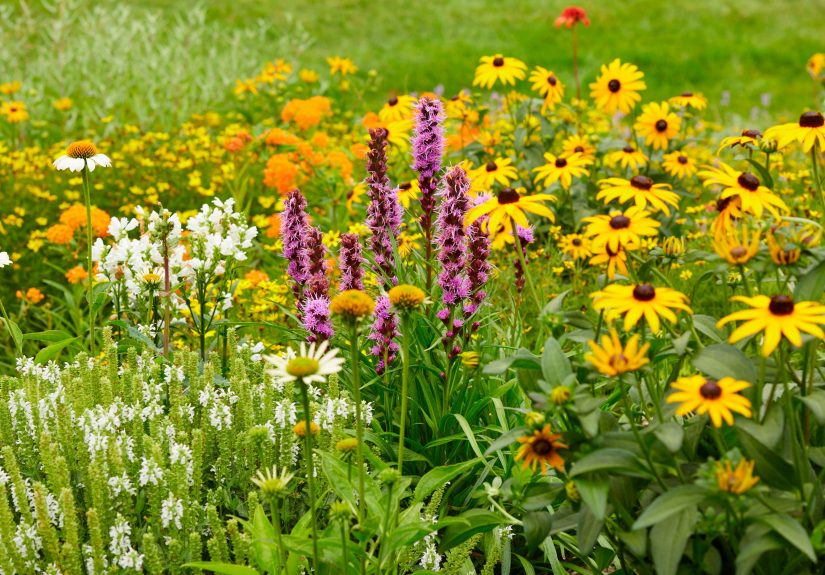
Coneflowers are pollinator magnets with sturdy stems and cheerful, daisy-like blooms. They’re also famously tolerant of summer heat once established.
Starting from seed is cost-effective, especially if you want a big drift.
- Best “start now” method: Cold stratify 4–6 weeks or winter sow.
- Sowing tip: Surface sow or cover very lightly; keep evenly moist.
- Design idea: Pair with ornamental grasses for a prairie look that basically styles itself.
2) Black-Eyed Susan (Rudbeckia spp.)
Bright yellow petals, dark centers, and a “how is it still blooming?” attitude. Some Rudbeckia types behave like short-lived perennials,
but they’re so generous with flowers (and often self-seed) that you’ll forgive them.
- Best “start now” method: Winter sow or stratify (varies by species; many benefit from cold).
- Sowing tip: Many types need lightpress into the surface rather than burying deeply.
- Bloom expectation: If started early, some can flower the same season; others shine more in year two.
3) Milkweed (Asclepias spp., such as butterfly weed or swamp milkweed)
If you want to support monarchs and other pollinators, milkweed is the VIP plant on the guest list. Different species have different needs,
but many benefit from a cold period.
- Best “start now” method: Cold stratify 30 days (some species need longer) or winter sow.
- Sowing tip: Use deep pots or cells for taproot-friendly species; transplant carefully.
- Design idea: Combine swamp milkweed with asters for late-season color and pollinator power.
4) Blazing Star / Gayfeather (Liatris spicata)
Liatris looks like a purple bottlebrush that butterflies can’t resist. It’s a classic in prairie plantings and makes an excellent cut flower.
- Best “start now” method: Cold, moist treatment improves germination; winter sow works well.
- Sowing tip: Don’t overwateraim for moist, not soggy.
- Bloom expectation: Often blooms more reliably after it has time to establish.
5) Eastern Red Columbine (Aquilegia canadensis)
Columbine blooms have a whimsical, fairy-tale shape, and hummingbirds adore them. It’s also a great “soft edge” plant for woodland borders.
- Best “start now” method: Cold moist stratification for a few weeks or sow outdoors for natural stratification.
- Sowing tip: Keep seed-starting mix evenly moist; don’t bury deeply.
- Garden reality: It can self-seed, which is nature’s way of saying “we’re doing this again next year.”
6) Beardtongue (Penstemon digitalis)
Penstemon is a pollinator-friendly perennial with elegant spikes of tubular flowers. It’s also tough, tolerant, and looks great in naturalistic plantings.
- Best “start now” method: Cold moist stratification improves germination; many also need light.
- Sowing tip: Surface sow and provide light; avoid heavy covering.
- Design idea: Mix with coneflowers and coreopsis for an easy, long-blooming border.
7) Lupine (Lupinus spp.)
Lupines make dramatic flower spikes and can look downright magical in early summer. The main seed-start trick is dealing with that hard seed coat.
- Best “start now” method: Scarify (nick or gently abrade) and soak overnight; then start indoors.
- Sowing tip: Use deep cells; lupines can dislike root disturbance.
- Heads-up: Choose species appropriate to your regionnative lupines are best for ecological gardens.
8) Blanket Flower (Gaillardia)
Gaillardia is the “I brought snacks and a playlist” plant of the flower worldbright, long-blooming, and low-drama in sunny, well-drained spots.
Many gardeners get blooms in the first year from seed if started early enough.
- Best “start now” method: Start indoors 6–8 weeks before last frost, or winter sow in milder areas.
- Sowing tip: Lightly cover or surface sow (variety dependent); keep evenly moist.
- Design idea: Pair with yarrow for a drought-tolerant, pollinator-friendly combo.
9) Lanceleaf Coreopsis (Coreopsis lanceolata)
Coreopsis brings sunny, daisy-like blooms and an airy look that plays well with everything. It’s especially good if you like a garden that feels cheerful
even when your email inbox does not.
- Best “start now” method: Cold stratify about 30 days or winter sow.
- Sowing tip: Seeds often need lightpress into the soil surface.
- Bloom expectation: With a good head start, you can get strong growth and earlier flowering.
10) Shasta Daisy (Leucanthemum × superbum)
Shasta daisies are classic, crisp white blooms that look good in cottage gardens, formal borders, and basically anywhere you want “fresh and happy” energy.
- Best “start now” method: Start indoors about 8 weeks before last frost; direct sow in warm soil later.
- Sowing tip: Cover lightly; keep moist until germination.
- Design idea: Plant in clusters so the blooms read as a bright “cloud” from a distance.
How to Get Seedlings into the Garden Without a Meltdown
Starting seeds is the fun part. Transplanting is where seedlings learn resilience, and gardeners learn new vocabulary.
Here’s how to keep it calm:
Harden off like you mean it
Gradually expose seedlings to outdoor conditions over 7–14 days. Start with a sheltered spot and short outdoor time, then increase sun and wind exposure slowly.
This reduces transplant shock and helps stems strengthen.
Plant small, not “overgrown and offended”
Seedlings transplant best when they’re young, sturdy, and not root-bound. If you started too early and your plants look like tiny trees, pot them up once,
then focus on stronger light and airflow.
Water smart for deep roots
After transplanting, water deeply and less frequently (once established) to encourage roots to move downward. Many prairie-style perennials thrive when soil
drains well and roots can breathe.
Troubleshooting: The Greatest Hits of Seed-Starting Problems
“Nothing germinated.”
- Double-check if the seed needs cold stratification (many natives do).
- Make sure you didn’t plant too deeplysome seeds need light.
- Consider temperature: some seeds want cool soil; others want warm.
“Everything is leggy.”
- Increase light intensity (move lights closer, or increase hours).
- Add gentle airflow (a small fan helps).
- Don’t overfertilize earlyslow and steady wins the sturdiness contest.
“Mold showed up like an uninvited guest.”
- Improve airflow and reduce humidity domes once seeds sprout.
- Water from the bottom and avoid constantly wet surfaces.
- Use clean containers and fresh seed-starting mix.
Extra: Real-World Experiences That Make Perennial Seed-Starting Easier (and More Fun)
Garden advice is great, but the best lessons often come from what gardeners notice while actually doing the thingusually while holding a cup of coffee
and wondering if the seedlings are judging them. Here are a few real-world experiences that people commonly report when starting perennials from seed,
plus what those experiences can teach you.
Experience #1: Winter sowing feels “too easy,” which makes it suspicious.
A lot of gardeners try the milk-jug method and assume it’s a hack that can’t possibly work because it doesn’t involve enough gadgets. Then spring rolls in,
and suddenly the jugs look like tiny green cities. The big lesson: perennials that evolved with winter conditions often prefer nature’s timing.
If you’re the kind of person who forgets to mist seed trays (no judgment), winter sowing can be your low-maintenance best friend.
The only real “work” is labeling containers so you don’t end up playing the game of “Is this coneflower or is this a very ambitious weed?”
Experience #2: Cold stratification is a patience test disguised as science.
People often start strongbag labeled, date written, everything organizedthen two weeks later they open the fridge and wonder if anything is happening.
(Spoiler: nothing visible is happening, and that’s the point.) The takeaway is to treat stratification like a calendar event: set a reminder for the end date,
check for moisture weekly, and trust the process. Many gardeners find that once they stop “rescuing” seeds from their cold period early, germination improves.
Experience #3: The first time milkweed sprouts, it feels like a minor miracle.
Milkweed can make new growers nervous because it may need a cold period and the seedlings can look slow at first. But gardeners frequently note that once
milkweed gets goingespecially after proper stratificationit becomes a sturdy little plant with a clear mission: grow roots, then grow more roots,
then (eventually) provide a monarch buffet. The lesson here is to use deeper containers when possible and transplant gently. People who rush milkweed or
disturb roots a lot tend to have weaker results than those who pot up calmly and plant out at the right time.
Experience #4: Some perennials bloom “late,” and that’s not failureit’s strategy.
It’s common for first-year perennials to focus on root development. Gardeners sometimes feel disappointed when a plant like liatris or coneflower doesn’t
explode with flowers immediately. But then year two arrives and the plant behaves like it’s making up for lost time. The big lesson: perennials are building
infrastructure. Your job is to give them good light early, decent soil later, and enough spacing so they can grow into their full potential.
If you want near-guaranteed color while perennials establish, many gardeners tuck in a few annuals as “fillers” the first year, then let the perennials
take over the spotlight in year two.
Experience #5: The best seed-starting setup is the one you’ll actually use.
People often buy fancy gear, then realize the simplest improvements made the biggest difference: a bright light placed close to seedlings, a cheap fan for
airflow, bottom watering, and a consistent schedule. Many gardeners report that once they stop treating seed-starting like a one-time heroic event and start
treating it like a small, repeatable routine, their success rate climbs. The hidden benefit is confidence: when you successfully raise perennials from seed,
you’re not just saving moneyyou’re gaining the ability to create exactly the garden you want, on purpose, year after year.
Conclusion: Your Future Garden Will Thank You
Starting perennials from seed now is one of the most satisfying garden “investments” you can make. Whether you winter sow outdoors, cold stratify in the fridge,
or time indoor sowing like a pro, you’re setting up next season’s garden for more color, more pollinators, and more of that smug joy that comes from saying,
“Oh these? Yeah, I started them from seed.”
Pick a few from the list, start with the method that matches your personality (organized planner? winter-sower? chaotic seed goblin?),
and remember: perennials reward patience. And snacks. Mostly patience.





 Close
Close