
Table of Contents >> Show >> Hide
- 1. Family Guy – Adult Swim Turned a Cancellation Into a Comeback
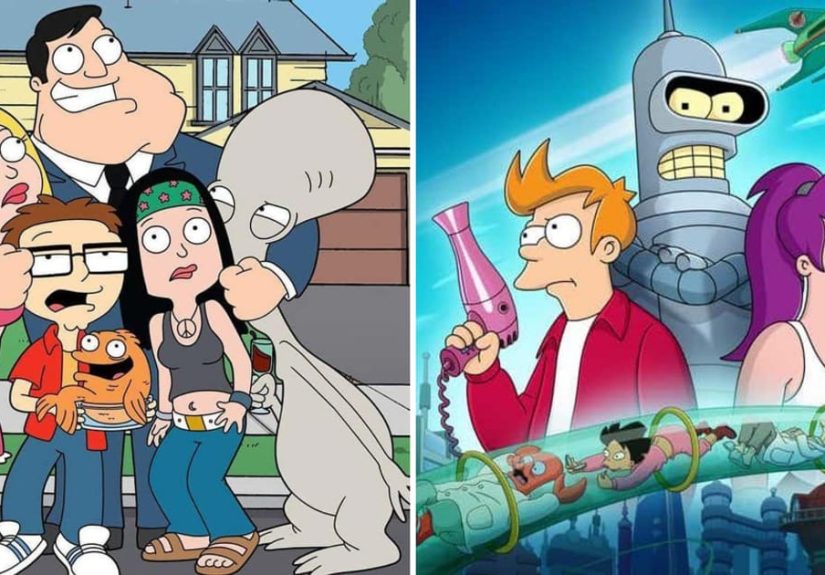
- 2. American Dad! – Fox Exit, TBS Glow-Up
- 3. Futurama – The Cartoon That Just Won’t Stay Cancelled
- 4. King of the Hill – Arlen, Texas, Packs Up for Hulu
- 5. Clone High – From MTV Relic to Max Revival
- 6. Invader Zim – From Nicktoon Oddity to Netflix Event
- 7. Star Wars: The Clone Wars – Final Victory on Disney+
- 8. Young Justice – Fan Campaigns and a Streaming Lifeline
- 9. The Venture Bros. – Adult Swim and a Movie Send-Off
- 10. Tuca & Bertie – Netflix Says No, Adult Swim Says “Heck Yes”
- What These Network Rescues Have in Common
- What It Feels Like When Your Favorite Cartoon Gets Rescued (500-Word Experience Deep-Dive)
- Conclusion – Cartoons Never Really Die, They Just Change Channels
In TV land, animated shows get cancelled the way cartoon characters fall off cliffs:
suddenly, dramatically, and usually with a tiny “whoops” from the network. The twist?
Just like Wile E. Coyote, a lot of these series don’t actually stay dead. Thanks to
passionate fans, streaming wars, and hungry cable channels, some cartoons get a second
(or third) life on brand-new networks and platforms.
From sitcom staples like Family Guy to cult favorites like Clone High and
Tuca & Bertie, these animated shows were pulled back from the brink when new
networks stepped in. Let’s look at 10 times animated series were saved by a change
of address and what those rescues say about how TV works now.
1. Family Guy – Adult Swim Turned a Cancellation Into a Comeback
When Family Guy was cancelled by Fox in 2002 after its first three seasons, it
looked like the Griffins were done for. But reruns on Cartoon Network’s Adult Swim
block quietly became a late-night phenomenon, pulling in big ratings and a devoted fan
base. At the same time, the first DVD box set sold over 400,000 copies in its first
month an astonishing number for an animated sitcom at the time and a loud signal that
Fox had misjudged the show’s potential.
Adult Swim didn’t produce the new episodes, but it absolutely created the demand
that forced Fox to uncancel the show in 2005. In other words, the “new network” saved
Family Guy by transforming it from a ratings disappointment into a cult hit,
then into a long-running franchise that’s now renewed into the late 2020s.
2. American Dad! – Fox Exit, TBS Glow-Up
American Dad! spent nearly a decade as part of Fox’s animated lineup before the
network decided to cut it loose. In 2013, Fox confirmed the show would end there and
in the same breath, cable channel TBS announced it was picking up the series and
ordering new episodes. The official move happened in 2014, when TBS began airing
original seasons, turning what could’ve been a quiet series finale into a full-on
relocation.
On TBS, the show leaned into even weirder plots, more serialized storytelling, and
deeper character arcs. With a less restrictive cable environment and strong performance
on streaming (especially Hulu), American Dad! proved that a network switch can
unlock a show’s strangest, most confident self and keep it running for years
beyond its “ending.”
3. Futurama – The Cartoon That Just Won’t Stay Cancelled
If there were an award for “Most Dramatic TV Afterlife,” Futurama would
accept it with a sarcastic Bender toast. Originally cancelled by Fox in 2003, the
series lived on in a set of direct-to-DVD movies that Comedy Central later repackaged
as a fifth TV season. Comedy Central then ordered new seasons, effectively making the
cable channel Futurama’s second network home from 2010 to 2013.
A decade later, Hulu revived Futurama with a 20-episode order, which began
airing in 2023, marking the third major home for the series. The revival has since
been extended with more seasons scheduled into 2026, proving that in the streaming era,
a beloved animated sci-fi sitcom can keep regenerating like a time-traveling robot.
4. King of the Hill – Arlen, Texas, Packs Up for Hulu
King of the Hill ended its original run on Fox in 2010 after 13 seasons of
propane-fueled suburban comedy. For years, fans treated reruns as comfort TV, but
that seemed to be the end of the line for Hank, Peggy, and Bobby. Then, in 2023, Hulu
ordered a revival from original creators Mike Judge and Greg Daniels, bringing the
series back as a modern-day continuation rather than a reboot.
Set in present-day Arlen, the revival ages the characters up and follows the Hills as
they navigate a more complicated, smartphone-filled world. With new seasons and strong
streaming performance, Hulu has turned this once-finished Fox sitcom into a multi-season
revival that taps both nostalgia and fresh social commentary.
5. Clone High – From MTV Relic to Max Revival
The original Clone High aired on MTV in 2002–2003 and was cancelled after a
single season, partly due to controversy over its depiction of Gandhi. For years, it
was a cult classic mentioned in hushed tones by animation nerds and comedy writers.
Then, nearly two decades later, MTV Entertainment Studios and HBO Max (now just Max)
teamed up to revive the series, ordering new seasons that finally premiered in 2023.
The Max revival updated the cast, retooled some characters to avoid earlier cultural
missteps, and leaned into the show’s signature hyperactive style. Even though the
revival itself was ultimately cancelled after two seasons, it proved that a show can
sit on the shelf for twenty years and still return strong when a new platform is ready
to bet on it.
6. Invader Zim – From Nicktoon Oddity to Netflix Event
Invader Zim was always a little too weird for traditional children’s TV.
Nickelodeon cancelled the series in the early 2000s after fewer than 30 episodes, but
the show’s dark humor and striking visuals turned it into a cult favorite on DVD and
online. Recognizing that enduring love, Nickelodeon partnered with Netflix to produce
Invader Zim: Enter the Florpus, a feature-length continuation that debuted on
Netflix in 2019.
Netflix didn’t turn Invader Zim back into a full series, but it did give fans
an official, high-energy follow-up that felt like “more Zim” in the best way possible.
For many viewers, that movie effectively saved the franchise from being just another
cancelled Nicktoon trivia answer.
7. Star Wars: The Clone Wars – Final Victory on Disney+
Star Wars: The Clone Wars originally ran on Cartoon Network, deepening the
prequel-era storylines and turning characters like Ahsoka Tano into fan favorites. When
the series was cancelled in 2013 after five seasons, some unfinished episodes were
compiled as “The Lost Missions” on Netflix but several major arcs were still missing.
In 2018, at San Diego Comic-Con, Lucasfilm announced that Disney+ would revive the show
for a seventh and final season. That 2020 run delivered the much-hyped Siege of
Mandalore storyline, dovetailing directly into Revenge of the Sith and giving
the series a proper ending. The move to Disney+ turned an unfinished fan favorite into a
completed, canonical chapter in the Star Wars saga.
8. Young Justice – Fan Campaigns and a Streaming Lifeline
Young Justice premiered on Cartoon Network in 2010 and mixed superhero action
with surprisingly layered character arcs. Despite solid ratings and critical praise,
it was cancelled in 2013 after two seasons, reportedly due in part to toy-sales
demographics not lining up with expectations. Fans did not take that quietly. Organized
campaigns, social media pushes, and viewing parties on streaming platforms kept the
series in the spotlight.
Their persistence paid off: a third season, Young Justice: Outsiders, launched
on the DC Universe streaming service in 2019, followed by a fourth season,
Phantoms, on HBO Max (now Max). The switch from kids’ cable block to
subscription streaming allowed the show to tell darker, more serialized stories
exactly what its older fan base had been asking for in the first place.
9. The Venture Bros. – Adult Swim and a Movie Send-Off
The Venture Bros. has always lived on the edge of cancellation, with long gaps
between seasons and a cult-sized (but intensely loyal) audience. Before it found a
home, a pilot was originally developed for Comedy Central, but it was Adult Swim that
ultimately picked up the series and kept it running across seven seasons of
gloriously strange superhero satire.
In 2018, Adult Swim officially cancelled the show before its planned final season could
be made. Fans once again rallied, and the result was a different kind of “network
save”: Warner Bros. Home Entertainment produced the 2023 film
The Venture Bros.: Radiant Is the Blood of the Baboon Heart, which serves as a
definitive finale. It’s not a new network in the traditional broadcast sense, but a
new distribution path that rescued the story from limbo and gave longtime viewers
long-awaited closure.
10. Tuca & Bertie – Netflix Says No, Adult Swim Says “Heck Yes”
When Netflix cancelled Tuca & Bertie after just one season, it felt like a
punch in the gut for fans of its vibrant, emotionally honest take on millennial
friendship and anxiety. The show had strong critical praise but apparently didn’t fit
Netflix’s internal metrics. Two years later, Adult Swim swooped in and revived the
series for a second season, with the main cast and creator Lisa Hanawalt returning.
Under Adult Swim, Tuca & Bertie leaned even harder into surreal visual
metaphors and complicated emotional stories, running a total of three seasons before
being cancelled again in 2022. Even so, that rescue gave the series a richer arc,
expanded its audience, and turned what would have been a one-season curiosity into a
fully realized cult classic.
What These Network Rescues Have in Common
These stories might look wildly different from space operas to suburban satire but
the rescues follow a few familiar patterns:
-
Passionate fan bases matter. Whether it’s DVD sales for
Family Guy, #Save campaigns for Young Justice, or online love for
Tuca & Bertie, audience engagement is the loudest bargaining chip
in the room. -
New platforms see value where old ones don’t. Cable channels and
streamers often have different business models and demographic targets. A “flop”
on broadcast TV can be a hit in reruns or on subscription platforms. -
Animation ages really, really well. Animated characters don’t
wrinkle, and their worlds can be easily updated. That makes revivals like
King of the Hill and Futurama especially attractive to networks
that want instant brand recognition. -
Content libraries are gold. A revived show doesn’t just bring new
episodes; it drives viewers to earlier seasons, boosting total watch time across a
platform’s catalog.
Put simply: in the streaming era, cancellation is less of a full stop and more of a
“to be continued… elsewhere.”
What It Feels Like When Your Favorite Cartoon Gets Rescued (500-Word Experience Deep-Dive)
If you’ve ever fallen in love with an animated show, watched it get cancelled, and then
seen it rise from the dead on a new network or streamer, you know it’s not just
“content.” It’s weirdly personal.
First, there’s the grief phase. The network announces the cancellation with a short,
polite press release, and you’re left staring at your screen like, “Excuse me, I wasn’t
finished emotionally investing in these fictional people.” You start recommending the
show to friends even more aggressively not because it will help now, but because you
want witnesses. If you’re a Young Justice fan, maybe you spent years telling
people, “No, seriously, it’s one of the best superhero stories on TV” while quietly
rewatching it on whatever service still had the rights.
Then comes the hope phase. Rumors start: maybe a streamer is “interested,” or a
creator teases “discussions happening behind the scenes.” You see headlines about
Futurama getting revived for the third time and think, “If Bender can come
back again, anything is possible.” Fans organize hashtags, letter-writing campaigns,
and rewatch events. You learn more about TV economics than you ever wanted to know,
including phrases like “syndication value” and “demographic alignment.”
When the rescue finally happens, it feels like winning a small cultural lottery. That
announcement tweet or trailer hits, and suddenly your niche little fandom is
mainstream news again. Seeing a familiar logo with a new network bug say,
American Dad! anchoring a TBS lineup, or King of the Hill showing up
as a Hulu original hits a very specific nostalgia/relief combo. It’s like running
into an old friend who not only looks great, but also just signed a multi-season deal.
Of course, there’s also anxiety. Will the new network “get” the show? Will the tone
change? Sometimes the move opens doors: Tuca & Bertie got even bolder and
more experimental on Adult Swim than it was on Netflix. Young Justice told
darker, more serialized stories once it moved to streaming. Other times, the revival
has to walk a tightrope between nostalgia and novelty, like the new
King of the Hill balancing modern tech and politics with classic Arlen charm.
There’s also a practical joy: new episodes mean you can share the show with people
who missed it the first time. Instead of sending them into a dusty archive of
“cancelled too soon” lists, you get to say, “Good news it’s actually back, and
you can stream the whole thing right now.” That’s incredibly satisfying if you spent
years feeling like you were the only person yelling about how good
Clone High or The Venture Bros. was.
Maybe the most powerful thing, though, is what these rescues say about audience power.
No single tweet saves a show, but collective passion clearly matters. When fans keep
watching, buying, sharing, and talking, networks notice. In an era when data rules,
being loudly obsessed with a cancelled cartoon is oddly strategic. You become part of
the argument that convinces some executive, somewhere, that this weird, specific,
beautifully odd little series is worth another shot on a new network.
So the next time a show you love gets cancelled, you’re allowed to be upset but
maybe don’t say goodbye just yet. As these 10 animated series prove, the end credits
on one network can just be the mid-episode commercial break on another.
Conclusion – Cartoons Never Really Die, They Just Change Channels
From Family Guy turning Adult Swim reruns into a full-blown Fox comeback to
Futurama hopping across networks like a dimension-hopping delivery crew,
animated series have shown an impressive ability to survive cancellation. New networks
and platforms step in when they see passionate fandom, strong catalog value, and the
chance to revive a recognizable brand.
That’s the upside of today’s chaotic TV ecosystem: the same fractured landscape that
makes shows vulnerable to sudden cancellation also gives them more potential homes than
ever before. For fans, that means one very comforting lesson never underestimate a
good cartoon with loyal viewers and a streaming service in need of hits.







 Close
Close