
Table of Contents >> Show >> Hide
- Quick Pick Guide: Match the Plant to Your Home
- 1) Poinsettia (Euphorbia pulcherrima)
- 2) Amaryllis (Hippeastrum)
- 3) Christmas Cactus (Schlumbergera)
- 4) Paperwhites (Narcissus papyraceus)
- 5) Cyclamen (Cyclamen persicum)
- 6) Norfolk Island Pine (Araucaria heterophylla)
- 7) Rosemary “Christmas Tree” Topiary (Salvia rosmarinus)
- 8) Holly (Ilex species)
- 9) Winterberry (Ilex verticillata)
- 10) Christmas Rose / Hellebore (Helleborus)
- 11) English Ivy (Hedera helix)
- 12) Boxwood (Buxus) Topiary or Cut Sprigs
- How to Keep Holiday Greenery Fresh Longer
- Honorable Mentions (Because Christmas Has Extras)
- Conclusion: Your Home, But Make It Merry
- Holiday Plant Experiences: Real-Life Lessons From the Season (Extra)
Christmas décor is greatuntil you realize you’ve been staring at the same glittery reindeer since 2019.
Want something that looks alive (because it is), smells amazing, and instantly makes your place feel like the holidays?
Enter: Christmas plants. They bring color, texture, fragrance, and that “I totally have my life together” energy
even if you’re wrapping gifts at 2 a.m. with tape stuck to your elbow.
The best part: you don’t need a greenhouse or a botany degree. Most festive plants thrive with a few simple rules:
give them the right light, don’t drown them, and keep them away from heat vents that blast like dragon breath.
Below are 12 holiday plants that can turn any room into a cozy, twinkly wonderlandplus styling ideas and care tips
to keep them looking cheerful through the season.
Quick Pick Guide: Match the Plant to Your Home
Before you adopt a plant (and start calling it “Mr. Piney” or “Queen Poinsettia”), do a quick reality check:
how much light do you actually have, and how often do you remember to water things?
| Best If You Have… | Try These Christmas Plants | Bonus Vibe |
|---|---|---|
| Bright window (indirect light) | Poinsettia, Christmas cactus, cyclamen, ivy | Color explosion |
| Cooler room (50s–60s °F) | Cyclamen, hellebore, paperwhites (after buds form) | Longer-lasting blooms |
| “I forget to water” tendencies | Norfolk Island pine (careful), rosemary (once established), boxwood sprigs | Evergreen durability |
| Love fragrance | Paperwhites, rosemary, fresh holly/winterberry arrangements | Instant holiday mood |
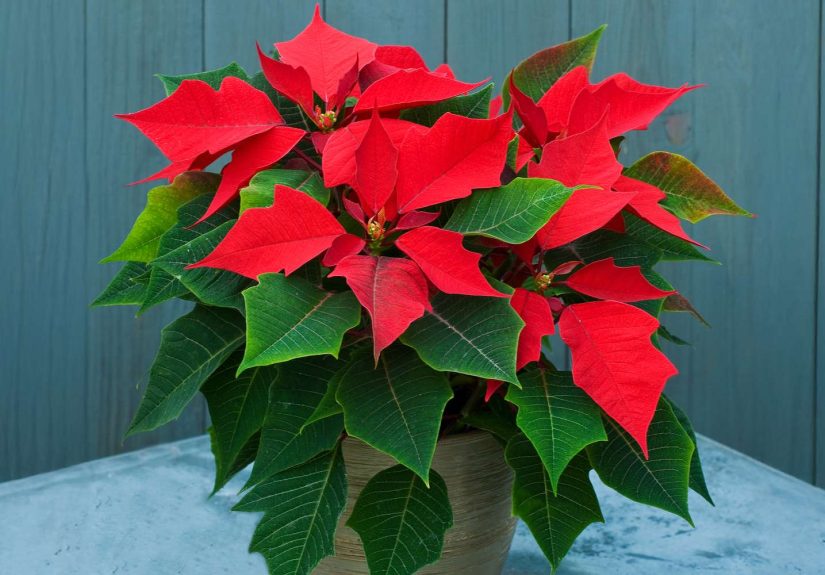
1) Poinsettia (Euphorbia pulcherrima)
Let’s start with the celebrity of Christmas plants. Those “flowers” are actually colorful bracts (fancy leaves),
and they come in more than classic redthink white, pink, speckled, and even coral.
How to style it
- Cluster three in different heights by a fireplace (away from heat) for a “designer” look.
- Use one as a table centerpiece in a simple basket with a ribbondone.
Care that actually works
- Light: Bright, indirect light is the sweet spot.
- Water: Water when the surface feels dry; make sure the pot drains (no soggy roots).
- Temperature: Keep it away from cold drafts and hot ventspoinsettias hate drama.
Pet note: The sap can irritate; keep out of reach of curious nibblers.
2) Amaryllis (Hippeastrum)
Amaryllis is the “wow” plant: tall stalks, giant trumpet blooms, and a vibe that says,
“Yes, I host elegant gatherings,” even if your gathering is you + sweatpants.
How to style it
- One pot on an entry table is instant holiday drama (the good kind).
- Line two or three along a windowsill for a mini “bloom parade.”
Care that actually works
- Light: Bright light helps keep stalks sturdy.
- Water: Keep soil lightly moist, not wetbulbs can rot if overwatered early.
- Pro tip: Rotate the pot every few days so it grows straighter (plants lean toward light like they’re gossiping).
Common issue: Top-heavy stalks. If it leans, use a discreet stake or move it closer to brighter light.
Also: a heavier outer pot helps prevent tipping.
3) Christmas Cactus (Schlumbergera)
Despite the name, this cactus isn’t a desert tough-guy. It’s a tropical plant that prefers indirect light and a bit more moisture.
When it blooms, you get bright, dangling flowers that look like tiny fireworksperfect for winter.
How to style it
- Place it on a plant stand so the blooms can cascade.
- Use it as a colorful accent among neutral décor (greens, whites, wood tones).
Care that actually works
- Light: Bright, indirect light.
- Water: Water when the top inch feels dry; don’t let it sit in water.
- Bloom boost: Cooler nights and longer dark periods in fall can encourage buds.
4) Paperwhites (Narcissus papyraceus)
Paperwhites are the holiday plant for impatient people (respect). They don’t need a long chill period like many bulbs.
Set them up, wait a bit, and suddenly your home smells like “spring is coming.”
How to style it
- Use a shallow bowl with stones and a cluster of bulbs for a modern centerpiece.
- Place in small groups on a bathroom counter for a spa-meets-holiday vibe.
Care that actually works
- Setup: Anchor bulbs in pebbles; keep water level just below the bulb so roots reach down.
- Light: Bright light keeps growth stronger.
- Keep them upright: If stems stretch and flop, move them to brighter light and a cooler spot, or use a simple support ring.
Note: Some university research has explored ways to reduce flopping by slowing stem growth.
If you’re a teen, skip any method involving age-restricted products and stick with light + cooler temps + supports.
5) Cyclamen (Cyclamen persicum)
Cyclamen looks like it belongs in a storybook: upswept petals, marbled leaves, and colors from white to deep red.
It also prefers cooler conditionsso it’s basically the opposite of that overheated living room that feels like a sauna in December.
How to style it
- Group cyclamen with pinecones and a simple candle (flame safely away from greenery).
- Use as a pop of color on a desk or side table where you’ll actually enjoy it.
Care that actually works
- Light: Bright, indirect light.
- Temperature: Cool rooms help blooms last longer.
- Water: Avoid wetting the crown; water from the edge of the pot or bottom-water when possible.
Pet note: Cyclamen can be toxicespecially the tuberso place it high if pets are around.
6) Norfolk Island Pine (Araucaria heterophylla)
Not a true pine, but it sure looks the partand it’s one of the best “living Christmas tree” options for indoors.
Think: soft, tiered branches that can handle gentle ornaments and tiny lights.
How to style it
- Decorate with lightweight ornaments, ribbon, and mini lights (not the heavy stuff that could bend branches).
- Wrap the pot in burlap or a basket for that cozy cabin look.
Care that actually works
- Light: Bright light is best; rotate the plant for even growth.
- Humidity: Average-to-higher humidity helps prevent browning needles.
- Water: Water when the surface feels dry; never let it sit soggy.
7) Rosemary “Christmas Tree” Topiary (Salvia rosmarinus)
Rosemary topiaries look like miniature Christmas treesand they smell incredible.
They’re also a little picky indoors, like a guest who asks if your water is “still or sparkling.”
How to style it
- Place it on the kitchen counterpretty and practical for cooking.
- Add a simple bow and keep décor minimal; rosemary’s shape does the work.
Care that actually works
- Light: Very bright light near a sunny window is ideal.
- Water: Let the soil dry slightly between waterings; avoid constant dampness.
- Airflow: Good circulation helps prevent pests and mildew.
8) Holly (Ilex species)
Holly is holiday symbolism on a stick: glossy green leaves, bright berries, and instant “classic Christmas” energy.
You can use cut branches in vases, garlands, or wreath accents.
How to style it
- Arrange holly in a tall vase with pine branches for a simple entryway statement.
- Tuck small sprigs into napkin rings or place cards for a festive table detail.
Care that actually works (for cut branches)
- Re-cut stems and place in water like fresh flowers.
- Keep arrangements away from fireplaces, heaters, and direct sun.
- Use only what you needharvesting lightly helps the shrub stay healthy.
Pet/kid note: Holly berries can cause stomach upset if eatendecorate thoughtfully.
9) Winterberry (Ilex verticillata)
Winterberry is the “berries-only, no leaves” hero of December. Once the leaves drop outdoors, the berries steal the show,
and cut stems can last for weekssometimes even displayed dry.
How to style it
- Use a single bundle in a vaseminimal effort, maximum impact.
- Mix with evergreen boughs for contrast: red berries + deep green needles = holiday perfection.
Care that actually works
- For fresh arrangements, re-cut stems and use clean water.
- Keep cool and away from heat sources so berries hold longer.
- Handle gentlyberries can drop if the stems get knocked around.
10) Christmas Rose / Hellebore (Helleborus)
Hellebores bloom in the cold season, which feels like botanical sorcery.
Their nodding flowers look elegant and wintrymore “quiet luxury” than “loud tinsel.”
How to style it
- Place hellebore near a cool window or in a bright mudroom for a longer display.
- Pair with pinecones, linen ribbon, and neutral décor for a cozy, modern look.
Care that actually works
- Light: Bright light, but not roasting-hot direct sun through glass.
- Temperature: Cooler spots are better than warm living rooms.
- Water: Don’t let it fully dry out; evenly moist is ideal.
Safety note: Hellebores are toxic if eatenkeep away from pets and small kids.
11) English Ivy (Hedera helix)
Ivy is basically the plant version of a festive scarf: it drapes, it trails, it makes everything look more put-together.
It’s great for shelves, mantels, and table runners (just keep it away from candles).
How to style it
- Let ivy trail from a bookshelf with tiny ornaments clipped on (lightweight only).
- Weave short strands into a centerpiece around sturdy décor (no open flames nearby).
Care that actually works
- Light: Bright, indirect light; some direct winter sun can be okay.
- Water: Keep soil lightly moist but not soggy.
- Lookout: Dry indoor air can invite spider mitesrinse leaves occasionally.
12) Boxwood (Buxus) Topiary or Cut Sprigs
Boxwood brings that evergreen “estate garden” feelingeven if you live in a one-bedroom with a very determined laundry pile.
You can buy mini topiaries or use cut sprigs for wreaths and arrangements.
How to style it
- Two small boxwood topiaries on a console table = instant symmetry and sophistication.
- Cut sprigs tucked into garlands add dense, glossy texture.
Care that actually works
- For topiaries, keep in bright light and water when the top layer feels dry.
- For cut sprigs, mist occasionally and keep away from heat to slow drying.
- Use fresh greenery safely: dried greens become more flammable near heat sources.
How to Keep Holiday Greenery Fresh Longer
Whether you’re using holly, winterberry, boxwood, or evergreen boughs, freshness is about moisture and placement.
If your garland is hanging directly over a fireplace, it’s basically in a plant sauna. Not ideal.
- Hydrate first: If possible, give cut greenery time to drink before arranging it.
- Go cool: Cooler rooms and shaded outdoor spots help greenery last longer.
- Avoid heat blasts: Vents, radiators, sunny windows, and fireplaces speed up drying.
- Mist lightly: Gentle misting can help some greens stay pliable (but don’t soak everything into a mold experiment).
Honorable Mentions (Because Christmas Has Extras)
Mistletoe is iconic for tradition, but it’s not a “set it on your coffee table and forget it” plant.
If you use it, treat it like décor and keep it far from pets and kidsespecially the berries.
Conclusion: Your Home, But Make It Merry
The right Christmas plants can do what the best holiday décor always does: make your space feel warmer, brighter, and more alive.
Choose a few that match your light and your lifestylethen let them carry the room. A poinsettia adds instant color.
Paperwhites bring fragrance. Winterberry delivers a red-berry punch with almost no effort. And a Norfolk Island pine can be your
“living tree” tradition for years.
Mix blooms with greenery, keep arrangements away from heat, and don’t overwater in a panic.
Your plants don’t want a spa day. They want consistency. (Same, honestly.)
Holiday Plant Experiences: Real-Life Lessons From the Season (Extra)
If you’ve ever bought a gorgeous Christmas plant and watched it look mildly offended two days later, you’re not alone.
Holiday plants have a funny way of revealing the truth about our homes: where the light actually is, how dry the air gets,
and which “cozy corner” is secretly a blast zone from the heater.
One of the most common holiday moments is the “poinsettia shock.” You bring it home in perfect condition, place it near the
front door because it looks adorable there, and then wonder why it starts dropping leaves. That spot might be drafty, or it
might get hit with cold air every time someone walks in. The lesson people learn fast: poinsettias want stable temperatures
and bright lightnot the indoor equivalent of airport runway wind.
Then there’s the amaryllis story arc: excitement, amazement, mild panic. The stalk shoots up like it has somewhere important
to be. The blooms open and everyone says “WOW,” and then the plant leans dramatically, like it’s auditioning for a soap opera.
The fix is usually simplerotate the pot, give it brighter light, and stake it if needed. But the deeper takeaway is that
plants grow toward light gradually, and if the light is only coming from one direction, you’re basically training your amaryllis
to do the limbo.
Paperwhites create a different kind of memory: fragrance. Some people love it; others realize they’ve accidentally turned their
living room into a perfume counter. A practical experience many households share is moving paperwhites to a cooler room once buds
appear so the blooms last longer and the scent stays pleasant instead of overwhelming. Bonus: cooler temps also help reduce that
tall, floppy growth that makes paperwhites look like they’ve had a long night.
And let’s talk greenerybecause nothing says “holiday” like a garland draped across a mantel. The classic experience is hanging it
up, admiring it, and then noticing it looks… thirstier… by the end of the week. People who keep greenery fresh the longest usually
do two things: hydrate it early and keep it away from heat sources. It’s not glamorous advice, but it’s the difference between
“fresh forest vibe” and “crispy, flammable décor” by New Year’s.
The best experience of all is when these plants become traditions. A Norfolk Island pine gets brought out each year and decorated
with tiny ornaments. A rosemary topiary becomes the kitchen’s holiday mascot. Winterberry stems show up in the same vase every December
like a seasonal ritual. Over time, you stop thinking of them as “decorations” and more like the living soundtrack of the season:
familiar, comforting, and a little magicalwithout needing batteries.







 Close
Close