
Table of Contents >> Show >> Hide
- What Is a Dried Herb Firestarter?
- Why Herbs Work (The Science-y Part Without the Lab Coat)
- Pick Your Herb Lineup
- Three Formats: Minimalist to “I Made These While Meal-Prepping”
- Step-by-Step: Wax + Dried Herb Firestarter Pods
- How to Actually Start the Fire (Because the Firestarter Is Not the Whole Story)
- Storage, Shelf Life, and Keeping Your Car from Smelling Like a Campfire Apothecary
- Safety, Leave No Trace, and Not Turning Your Weekend into a Wildfire
- Troubleshooting: When Your Firestarter Has Stage Fright
- Creative Variations (Because You’re Allowed to Have a Signature Move)
- FAQ
- Field Notes: of Dried Herb Firestarter Experiences
If you’ve ever tried to start a campfire with “confidence” and a single damp match, you already know the truth: fire has a sense of humor. A dried herb firestarter is one of those simple, satisfying tricks that feels like cheatingbut in a wholesome, “I shop in the spice aisle” kind of way. It can be as basic as a pinch of dried rosemary tucked into a tinder nest, or as extra as wax-and-herb pods you made while pretending you’re the host of a rugged cooking show called Chopped: Backcountry Edition.
This guide breaks down what a dried herb firestarter is, why it works, which herbs pull their weight, and how to make versions that light reliably while still playing nice with safety and Leave No Trace. We’ll keep it practical, a little nerdy, and mildly ridiculousbecause fire deserves respect, but it also deserves good vibes.
What Is a Dried Herb Firestarter?
A dried herb firestarter is any fire-starting aid that uses dried herbs as a key ingredient. Depending on the build, the herbs can:
- Act as tinder (fine, dry material that catches quickly)
- Add aromatic oils that help flame spread and smell amazing
- Create fragrant smoke that can make the fire feel cozierand sometimes help with bugs
- Upgrade a basic wax firestarter into something that feels… intentional
Important note: herbs are not gasoline (good), and they’re not magic (also good). Think of them as a reliable spark-catcher and a morale booster. When conditions are damp or windy, the best herb firestarter is still only one part of a bigger system: good setup, dry kindling, proper airflow, and patience.
Why Herbs Work (The Science-y Part Without the Lab Coat)
Dry plant material burns because it’s mostly carbon-based structure and volatile compounds that ignite when heated. Many culinary herbsespecially woody onescontain essential oils and resins that are naturally aromatic and combustible. When the herbs are dried, water content drops, which means less energy is wasted boiling off moisture before ignition happens.
Here’s the practical takeaway: dry + fine + airy lights more easily than wet + chunky + packed tight. Dried herbs help because they’re already dry, they crumble into spark-friendly bits, and they can add “grab” to a tinder bundle that might otherwise be too slick or too dense.
Not All Herbs Are Created Equal
Some herbs burn like champions. Others burn like wet salad. Your best performers tend to be:
- Woody, oil-rich herbs (rosemary, sage, thyme)
- Needle-like or papery materials (pine needles, cedar shavingstechnically not herbs, but welcome to the fire party)
- Fluffy additions that help airflow (dry grass, shredded bark, paper fibers)
Pick Your Herb Lineup
Top Herbs for a Dried Herb Firestarter
- Rosemary: Woody stems, strong aroma, and a reputation for burning nicely once dry.
- Sage: Smolder-friendly, fragrant, and often used as a “toss-in” herb once the fire is going.
- Thyme/Oregano: Great crumbled into tinder; small leaves catch quickly.
- Lavender: Smells fantastic, but use it as a supporting actorpair it with stronger tinder.
- Mint: Aromatic, but can be more “flash and smoke” than steady burn; blend it with better structure.
What to Avoid (Your Lungs Will Thank You)
- Fresh herbs (too much moisture)
- Herbs treated with pesticides or unknown spraysdon’t burn mystery chemistry
- Craft-store botanicals labeled “potpourri” (often fragranced or dyed)
- Glossy paper, coated cardboard, or treated wood (unpleasant fumes)
Three Formats: Minimalist to “I Made These While Meal-Prepping”
1) The Tinder Nest Boost (Fast, Simple, No Arts & Crafts)
This is the “I need fire in five minutes” approach. You’re not making a standalone firestarteryou’re improving your tinder.
How it works: Build a classic tinder nest (dry grass, shredded bark, torn paper, wood shavings), then mix in a generous pinch of crumbled dried herbs. The herbs add fine structure and aromatic oils that help catch and spread flame.
Best for: campfires, fire pits, emergency “why is everything damp” moments.
2) The Herb Bundle Toss-In (Smell-Good + Sometimes Bug-Annoying)
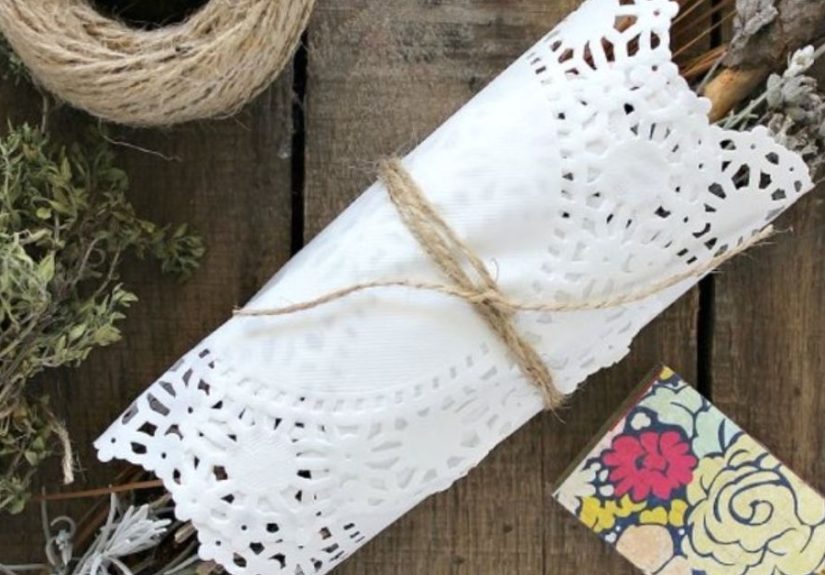
This one is less about ignition and more about making your fire experience better. Tie dried rosemary and sage into small bundles with cotton string. Once your fire is established (you already have flames), toss a bundle near the edge of the fire or onto coals. You’ll get a burst of aromatic smoke that smells like a fancy backyard restaurant that charges $19 for roasted carrots.
About bugs: Some outdoor guidance suggests that burning certain herbs (like rosemary or sage) can help repel mosquitoes in the immediate smoky zone. The evidence around “plants repel mosquitoes” is mixedsmoke can discourage insects, but it’s not a force field. Consider it a pleasant assist, not your main defense. If mosquitoes are truly auditioning for villain roles, you’ll still want proven protection strategies (coverage, fans, and registered repellents as appropriate).
Best for: established fires, patio fire pits, “I want ambiance” nights.
3) Wax-and-Herb Pods (The Reliable Workhorse)
If you want something that lights consistently and packs well, this is the MVP. The basic concept is classic: a cardboard egg carton cup filled with a combustible core (cotton, dryer lint, wood shavings), then sealed with melted wax. The herb upgrade is simple: mix dried herbs into the core and/or sprinkle them on top before the wax sets.
Why it works: Wax extends burn time. The cardboard cup acts like a mini fuel container. Herbs add quick-igniting fragments and aromatic punch.
Step-by-Step: Wax + Dried Herb Firestarter Pods
What You’ll Need
- Cardboard egg carton (not foam)
- Wax (old candle ends, beeswax, or paraffin)
- Combustible filler: cotton balls, wood shavings, or lint from mostly natural-fiber laundry
- Dried herbs: rosemary + sage is a classic combo; thyme/lavender as bonus flavor
- Scissors
- Heat-safe container for melting wax (ideally a double-boiler setup)
- Optional: pine cones (for structure and slow burn)
How to Make Them
- Prep your station. Lay down cardboard or newspaper. Wax has a deep emotional need to drip onto the one surface you love.
- Build the cups. In each egg cup, place a small pinch of dried herbs, then add your filler. If using pine cones, seat one small cone into the cup and pack herbs/filler around it.
- Melt the wax safely. Use a double boiler or a can-in-a-pot method. Low and slow is the vibe. Do not walk away; wax is not a “set it and forget it” situation.
- Pour. Carefully pour melted wax into each cup until the filler is coated and held together. You don’t need to drown itjust bind it.
- Add a finishing pinch. While the wax is still warm, sprinkle a tiny bit of dried herb on top for extra aroma.
- Cool completely. Let everything harden. Then cut the carton into individual pods.
How to Use
Place one pod under your kindling structure, light the cardboard edge, and let it burn long enough to catch the smallest sticks. These pods are great for stubborn wood because they provide a steady flame instead of a quick flash.
How to Actually Start the Fire (Because the Firestarter Is Not the Whole Story)
Even the best DIY fire starter can’t save a pile of wet logs arranged like a sad wooden lasagna. The classic approach is still king: tinder → kindling → fuel.
A Simple, Reliable Setup
- Tinder: your herb pod or herb-boosted nest
- Kindling: pencil-thin to thumb-thick dry sticks, gradually increasing size
- Fuel wood: larger sticks/logs once the fire is burning confidently
Build a small teepee or lean-to over the firestarter so air can move through. Fires don’t just need fuelthey need oxygen. If your setup looks like it’s hugging itself for warmth, loosen it up.
Storage, Shelf Life, and Keeping Your Car from Smelling Like a Campfire Apothecary
- Keep them dry: Store in a sealed container or zip bag.
- Avoid extreme heat: Wax can soften in a hot vehicle and turn your neat pods into abstract art.
- Label them: Especially if you used lavender. Otherwise someone will try to cook with them. (Don’t laugh. It happens.)
Properly stored wax-and-herb pods can last a long timemonths or morebecause there’s no moisture to spoil. Herb-only tinder blends are best refreshed occasionally because they can absorb humidity and lose that crisp ignition edge.
Safety, Leave No Trace, and Not Turning Your Weekend into a Wildfire
Firestarters are helpful, but the real flex is using them responsibly.
Before You Light Anything
- Check local rules and conditions. Fire restrictions exist for a reason.
- Choose a safe spot: clear away dry leaves, keep distance from anything that burns, and avoid overhanging branches.
- Keep fires small: a controlled fire is a good fire.
- Have water and a tool ready: a bucket and shovel (or dirt) are basic competence gear.
Never Use Dangerous Accelerants
Skip gasoline and other highly volatile fuels. They can flare unpredictably and cause serious injuries. If you use any chemical starter, use it only as directedand never squirt it onto hot embers or flames.
Put It Out Like You Mean It
The gold-standard approach is simple: drown, stir, drown, and feel. When it’s cold to the touch, it’s done. If it’s too hot to touch, it’s too hot to leave.
Leave No Trace: Fire Without the Footprint
- Use established fire rings where permitted.
- Burn only small, downed sticks you can break by hand (where allowed).
- Burn wood down to ash, then scatter cool ashes responsibly.
- Don’t move firewood long distances. Buy it where you burn it to help reduce the spread of tree-killing pests.
Troubleshooting: When Your Firestarter Has Stage Fright
Problem: It Lights, Then Quits
- Cause: Not enough kindling ready; airflow too tight.
- Fix: Add smaller, drier sticks sooner and open up the structure.
Problem: Lots of Smoke, Not Much Flame
- Cause: Herbs packed too tightly or slightly damp.
- Fix: Crumble herbs finer; keep tinder airy; store materials dry.
Problem: Wax Pod Won’t Catch Easily
- Cause: Too much wax smothered the wick-like fibers.
- Fix: Next batch: use less wax and include a cotton “tail” or exposed cardboard edge to ignite.
Creative Variations (Because You’re Allowed to Have a Signature Move)
- Herb + Wood Shavings Pods: Cleaner than lint, great for indoor fireplaces.
- Rosemary “Wands”: Use dried rosemary stems as natural mini kindling once the fire is going.
- Lavender Accent Pods: Add a pinch of lavender to wax pods for aromadon’t rely on it alone for ignition.
- Kitchen-Scrap Blend: Combine dry herb crumbs with torn brown paper bag strips for a surprisingly good tinder nest.
FAQ
Will dried herbs start a fire by themselves?
Sometimes, in good conditionsespecially when crumbled into a tinder nest and paired with a strong spark or flame. But for consistent results, treat herbs as a helper, not the entire plan.
Do dried herbs help in wet weather?
They can, because they’re dry and fine. But wet kindling and wet fuel wood are still a problem. The real wet-weather strategy is protecting dry materials and building gradually from small to large.
Can I use these in a wood stove or fireplace?
Wax-and-herb pods made with clean materials (wax, cardboard, wood shavings, natural-fiber cotton) are generally better for indoor use than anything that might contain synthetic fibers. Always ensure good ventilation and follow appliance guidance.
Do herb bundles repel mosquitoes?
They can help in the immediate smoky area, but results vary. Consider them a pleasant bonus. For serious mosquito pressure, combine strategies instead of betting your ankles on rosemary.
Field Notes: of Dried Herb Firestarter Experiences
The first time I tried a dried herb firestarter, it was less “rugged survival expert” and more “person who forgot it rained yesterday.” The campsite had that classic damp-earth smell, and the kindling I proudly gathered was… optimistic. I had matches. I had faith. I had a pile of sticks that looked dry until they met fire and immediately revealed their secret identity as sponge-based lifeforms.
Enter: a baggie of dried rosemary and sage from my kitchen. Not fancy. Not artisanal. Just the same herbs that normally land on chicken when I’m trying to feel like an adult. I crumbled a pinch into a torn brown paper bag nest, added a few dry shavings I’d shaved off a split stick, and lit it. The herbs caught faster than the paper did, which felt backwards, like watching the opening act outperform the headliner. The flame held long enough to ignite pencil-thin twigs, and once those were going, everything else fell into line. That was the first lesson: the firestarter isn’t the herothe size progression is. Herbs just help you get to that first “okay, now we’re cooking” moment.
A few trips later, I made wax-and-herb pods at home. I used a cardboard egg carton, old candle wax, cotton balls, and a rosemary-thyme mix. I also got cocky and poured too much wax into the first few cups. Those pods burned… eventually… but they acted like they were doing me a favor. The best pods were the ones where I could still see some cotton texture near the topsomething for the flame to grab right away. The herb payoff was real, though: once lit, the pods gave off a warm, savory smell that made the whole fire feel like it had better manners.
Then came the “bug night.” You know the onebeautiful dusk, perfect temperature, and mosquitoes that behave like they formed a union. I tossed a small bundle of dried sage and rosemary onto the coals. The smoke smelled incredible, like a backyard pizza oven got a promotion. Did it eliminate mosquitoes? No. But it did create a little zone where they seemed less enthusiastic, and that was enough to feel like I’d gained a minor tactical advantage. The bigger win was the vibe: friends leaned in, asked what smelled so good, and suddenly we were talking about herbs instead of complaining about insects. That’s underrated outdoor magic.
One final, very honest note: I tried the dryer-lint method once using lint from mixed laundry, and the smell was a hard “no.” Lesson learned. If you’re using lint at allespecially indoorskeep it to mostly natural-fiber loads, or switch to wood shavings and cotton. Since then, my go-to has been simple: wax pods with wood shavings plus rosemary and sage, and a tiny lavender pinch if I’m feeling fancy. It’s reliable, it travels well, and it turns “starting a fire” into something closer to “lighting a tiny aromatic victory.”




 Close
Close