
Table of Contents >> Show >> Hide
- How effectiveness is measured (and why it matters)
- The 15 proven methods
- 1) Copper IUD (non-hormonal)
- 2) Hormonal IUDs (levonorgestrel)
- 3) The implant (Nexplanon)
- 4) The shot (Depo-Provera)
- 5) Combined oral contraceptive pill (estrogen + progestin)
- 6) Progestin-only pill (POP)including OTC Opill
- 7) The patch
- 8) The vaginal ring (NuvaRing/EluRyng or Annovera)
- 9) External condoms (a.k.a. “male” condoms)
- 10) Internal condoms (a.k.a. FC2 “female” condoms)
- 11) Diaphragm (with spermicide)
- 12) Contraceptive sponge
- 13) Fertility Awareness-Based Methods (FABMs)
- 14) Emergency contraception (EC)
- 15) Permanent sterilization (vasectomy or tubal occlusion)
- Choosing what fits your life
- Common myths to skip
- Access in the United States: practical notes
- Quick comparison snapshot
- Safety notes (read before choosing)
- Conclusion
- Real-world experiences & tips (about )
Short version: there are many safe, science-backed ways to prevent pregnancysome last for years, some you use only when you need them, and some also protect against STIs. The right pick depends on your health, preferences, and how much “set-and-forget” you want. Below is a practical, U.S.-focused guide that synthesizes authoritative medical sources into plain English, with a dash of good humor and zero fluff.
How effectiveness is measured (and why it matters)
Effectiveness is usually quoted as “typical use” (real life, with occasional mistakes) versus “perfect use” (exact instructions every time). Long-acting reversible contraception (IUDs and the implant) is among the most effective because it removes everyday user error. Most methods don’t prevent STIsexternal and internal condoms are the exception. If STI prevention matters, pair a condom with another method.
The 15 proven methods
1) Copper IUD (non-hormonal)
A tiny T-shaped device placed in the uterus that prevents sperm from fertilizing an egg. It’s hormone-free, works immediately, and lasts up to 10+ years. Bonus: if inserted within five days after unprotected sex, it’s the most effective form of emergency contraception. Expect stronger periods at first for some users.
2) Hormonal IUDs (levonorgestrel)
These IUDs release a small amount of progestin locally in the uterus. They’re highly effective, can lighten cramps/bleeding, and last 3–8 years depending on the brand. Fertility typically returns quickly after removal.
3) The implant (Nexplanon)
A matchstick-sized rod inserted under the skin of the upper arm that steadily releases progestin. It’s “set and forget” for up to three years and among the most effective reversible methods. Irregular spotting is the most common side effect.
4) The shot (Depo-Provera)
A progestin injection every three months. Very effective when given on schedule. Possible downsides include irregular bleeding, appetite/weight changes, and a temporary delay in return to fertility after stopping; long-term use requires a conversation about bone health.
5) Combined oral contraceptive pill (estrogen + progestin)
Daily pills that prevent ovulation. Typical-use effectiveness is high when taken consistently; benefits may include cycle control and improvements in cramps/acne. Not everyone can use estrogen (e.g., some smokers over 35 or those with certain conditions), so medical screening matters.
6) Progestin-only pill (POP)including OTC Opill
Also called the “mini-pill.” It’s estrogen-free and preferred for some users (e.g., many breastfeeding people or those who can’t use estrogen). Timing matterstake it at the same time each day. The first U.S. OTC daily pill (Opill, norgestrel) increases access without a prescription.
7) The patch
A weekly skin patch that releases estrogen and progestin. After three weeks of new patches, you take a patch-free week for a withdrawal bleed (or use extended regimens). Effectiveness is similar to the pill when used correctly; discuss any weight/BMI-related label cautions with your clinician.
8) The vaginal ring (NuvaRing/EluRyng or Annovera)
A flexible ring placed in the vagina that releases hormones. Monthly rings are replaced every cycle; Annovera is a reusable ring used for 13 cycles (with ring-free weeks per labeling). Effectiveness mirrors pill/patch when used correctly.
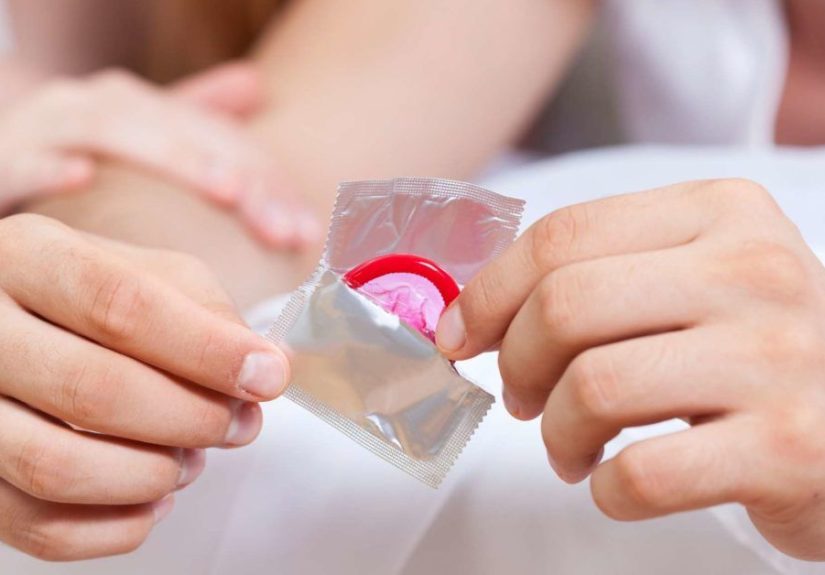
9) External condoms (a.k.a. “male” condoms)
Single-use sheaths worn on the penis that help prevent pregnancy and reduce the risk of many STIs. Use water- or silicone-based lubeoil-based products can weaken latex. Consistency and correct use are everything; pair with another method for extra protection.
10) Internal condoms (a.k.a. FC2 “female” condoms)
Worn inside the vagina and offering a bigger sheath that also covers part of the vulva. They’re latex-free, can be inserted ahead of time, and offer pregnancy and STI protection when used correctly. Typical-use effectiveness is lower than external condoms, so learn insertion techniques and consider doubling with another method (but never use two condoms at once).
11) Diaphragm (with spermicide)
A soft, dome-shaped cup fitted by a clinician that covers the cervix; always use with spermicide and leave it in for the recommended time after sex. Effectiveness is user-dependentgood technique matters.
12) Contraceptive sponge
A one-size, spermicide-coated sponge placed against the cervix before sex; provides up to 24 hours of protection but must stay in place afterward per instructions. It tends to be less effective for people who’ve given birth.
13) Fertility Awareness-Based Methods (FABMs)
Evidence-based tracking of fertile days using cervical mucus, basal body temperature, and cycle dataoften combined (symptothermal). With careful instruction and consistent partner cooperation, effectiveness can be high; typical use varies because precision and abstaining/using barriers on fertile days are essential.
14) Emergency contraception (EC)
Not for routine use but critical when you need it: levonorgestrel pills (often called “Plan B”-type) work best ASAP and up to 72 hours, with decreased effectiveness later; ulipristal acetate (ella) works up to 5 days and may be more effective close to ovulation; a copper IUD is the most effective EC and can then serve as long-term birth control.
15) Permanent sterilization (vasectomy or tubal occlusion)
Highly effective, intended to be permanent, and chosen by people who are certain they’re done with pregnancy. Vasectomy is an outpatient procedure for sperm-carrying partners; tubal occlusion/ligation is for egg-carrying partners. Discuss reversibility expectations carefully (it’s not guaranteed).
Choosing what fits your life
- “Set it and forget it”: Prefer not to think about birth control daily? Consider an IUD or implant.
- Estrogen not an option? Look at progestin-only methods (implant, IUD, shot, POP/Opill).
- Also want STI protection? Use external or internal condomsideally paired with another method for top-tier protection.
- Prefer non-hormonal? Copper IUD, condoms, diaphragm, sponge, or FABMs are options; effectiveness varies by method and use.
Common myths to skip
Myth: Douche after sex to prevent pregnancy. Fact: Douching doesn’t prevent pregnancy and can increase infection risk. Choose a proven method instead.
Myth: You can’t get pregnant the first time. Fact: If sperm meets egg, pregnancy is possibleuse protection every time.
Access in the United States: practical notes
You can get many methods through primary-care clinics, OB-GYNs, Title X family planning clinics, and telehealth. External condoms are widely available; the FC2 internal condom has U.S. FDA authorization; and Opill (norgestrel) is the first OTC daily pill available without a prescription. Pharmacies and clinics can also help you obtain emergency contraception quickly.
Quick comparison snapshot
- Highest effectiveness (typical use): IUDs, implant.
- High when used correctly: Shot, pill, patch, ring.
- Also help with STI risk: External and internal condoms.
- On-demand options: Condoms, diaphragm + spermicide, sponge, EC.
- Permanent: Vasectomy or tubal occlusion.
Safety notes (read before choosing)
Hormonal methods with estrogen aren’t right for everyone (e.g., certain migraine, clotting, or smoking histories). The shot may affect bone mineral density during long-term use; discuss risk/benefit with your clinician. Whatever you choose, informed counseling improves fit and satisfaction.
Conclusion
There’s no one “best” methodthere’s the best method for you. Consider how you feel about hormones, how much daily effort you want, your plans for pregnancy, and STI protection. When in doubt, pair a condom with a reliable primary method and talk with a clinician about your options.
sapo: From long-acting IUDs and the implant to condoms, fertility awareness, and emergency contraception, this in-depth guide breaks down 15 science-backed ways to prevent pregnancy. You’ll get clear explanations, effectiveness notes, and practical selection tipsplus real-world experiences that help you navigate side effects, access, and partner conversations with confidence.
Real-world experiences & tips (about )
“Set-and-forget wins.” Many readers who tried daily pills and kept missing doses felt immediate relief after switching to a long-acting method like an IUD or implant. They described it as taking mental load offno alarms, no pharmacy runs, no “Did I take it?” moments. If you’re juggling shift work, caregiving, or travel across time zones, a method that doesn’t rely on daily action can be a game-changer.
“Side effects are realbut manageable.” The most commonly shared theme is that early months can be a little weird while your body adjusts: spotting with the implant, crampy insertion day with an IUD, or a few cycles of nausea on pills. What helped most people: tracking symptoms, giving it 2–3 cycles when safe, and scheduling a follow-up if something feels off. Plenty found that side effects settled, and they were glad they waited. Others decided to switchand that’s okay. Your plan can change as your body and life do.
“Condoms are relationship tech.” People who consistently use external or internal condoms point out benefits beyond pregnancy prevention: less anxiety about STIs, more freedom to try different hormonal options (or skip hormones entirely), and a shared sense of responsibility. The practical pro-tips: keep multiple sizes/brands around, add lube generously (easier = fewer breaks), and practice internal condom insertion ahead of time so it feels natural later.
“Emergency contraception is part of the plan, not a panic button.” Folks who keep EC on hand describe it as seat-belt energy: you hope not to need it, but when a condom breaks at 1 a.m., you’re grateful it’s already in your cabinet. Several paired that preparedness with calendar reminders for their primary method (e.g., ring change day or shot appointment) so one slip doesn’t snowball into a bigger worry.
“FABMs take teamwork.” People who love fertility awareness emphasize education and partnership: taking a course, using high-quality thermometers or apps designed for fertility data (not generic period trackers), andand this is keyhaving clear rules for fertile-window days (barriers or abstinence). Satisfaction was highest when both partners treated the method like a shared project rather than a solo task.
“Access hacks.” Telehealth renewals, mail-order pharmacies, and clinic finders made a big difference for users in rural areas or those without time off during business hours. OTC options (condoms and the progestin-only pill) lowered the barrier even more. If cost is a concern, readers reported success checking manufacturer savings programs, Title X clinics, and insurance benefits for no-cost contraception.
“Your ‘best’ can change.” People often switch methods across seasons of lifenew relationships, breastfeeding, medical changes, or simply different preferences. The takeaway from many stories: revisit your method annually, or sooner if something isn’t working. A quick check-in with a clinician (or a reputable clinic) can help you pivot smoothly.
“The conversation matters.” A recurring theme is how much easier everything gets when partners talk openly: why a method was chosen, what side effects might show up, who’s buying condoms, and what the EC plan is. One couple framed it like a mini team charter: “Here’s how we handle prevention together.” Less guessing, more peace.
Bottom line: Choose a method that aligns with your health, values, and logistics; pair with condoms for STI protection; and give yourself permission to iterate. Your contraception is successful when it’s effective and easy for you to live with.







 Close
Close