
Table of Contents >> Show >> Hide
- Why Proper Oyster Storage Matters
- How to Store Fresh Oysters: 13 Steps
- 1. Buy Fresh Oysters From a Reliable Source
- 2. Keep Oysters Cold on the Way Home
- 3. Check the Oysters Before Storing Them
- 4. Do Not Wash Oysters Before Long Storage
- 5. Use an Open Bowl, Tray, Colander, or Perforated Pan
- 6. Position Oysters Cup-Side Down
- 7. Cover Them With a Damp Towel
- 8. Store Oysters in the Coldest Part of the Refrigerator
- 9. Do Not Store Live Oysters in Fresh Water
- 10. Keep Raw Oysters Away From Ready-to-Eat Foods
- 11. Use Live Oysters as Soon as Possible
- 12. Store Shucked Oysters Differently
- 13. Inspect Again Before Shucking, Cooking, or Serving
- How Long Can Fresh Oysters Stay in the Refrigerator?
- Signs Fresh Oysters Have Gone Bad
- Should You Freeze Fresh Oysters?
- Common Oyster Storage Mistakes to Avoid
- Best Ways to Serve Properly Stored Oysters
- Experience Notes: What Oyster Storage Looks Like in a Real Kitchen
- Conclusion
Note: This article is for practical food-safety education and home-kitchen guidance. Fresh oysters are living shellfish, so the goal is simple: keep them cold, keep them breathing, keep them clean, and never try to “rescue” oysters that look or smell suspicious.
Fresh oysters feel fancy, but storing them is not a luxury skill reserved for chefs in white jackets and people who say “briny finish” with a straight face. If you bought a dozen oysters from a seafood market, received a chilled box from an oyster farm, or brought home shellfish for a dinner party, proper storage can protect both flavor and safety. Oysters are delicate, alive, and extremely responsive to temperature. Treat them well and they can stay fresh long enough for a beautiful raw bar, grilled oyster night, or seafood feast. Treat them poorly and, well, your refrigerator may stage a protest.
The most important rule for storing fresh oysters is to keep them refrigerated at 40°F or below, in a breathable container, covered with a damp towel, and positioned so their cupped side faces down. Do not seal live oysters in an airtight bag. Do not soak them in fresh water. Do not leave them on the counter while you “get organized.” Oysters are not pantry snacks; they are cold-chain creatures.
Below is a complete 13-step guide to storing fresh oysters at home, including how to inspect them, how long they can last, how to handle shucked oysters, what mistakes to avoid, and what real-life oyster storage looks like when your fridge is already full of leftovers, condiments, and one mysterious container nobody wants to claim.
Why Proper Oyster Storage Matters
Oysters are filter-feeding shellfish, which means they draw water through their bodies. This is part of what gives them their distinctive ocean flavor, but it also means they require careful handling. Raw or undercooked oysters can carry harmful bacteria or viruses, including Vibrio species and norovirus. Proper refrigeration does not make raw oysters risk-free, but it helps slow bacterial growth and preserves freshness until you cook or serve them.
Good storage also protects texture. A fresh oyster should smell clean and ocean-like, not sour, fishy, or funky. The shell should be closed, or it should close when tapped. The liquor insidethe natural salty liquidshould stay inside the shell as much as possible. That liquor is not just “oyster juice.” It is flavor, moisture, and the tiny seafood soundtrack of the coast.
How to Store Fresh Oysters: 13 Steps
1. Buy Fresh Oysters From a Reliable Source
Safe storage starts before the oysters enter your kitchen. Buy live oysters from a reputable seafood market, grocery seafood counter, oyster farm, or licensed seller. The oysters should be cold when purchased, and the seller should be able to provide information about where they came from. If oysters are sitting in a warm display case looking lonely and dramatic, keep walking.
Look for oysters with intact shells, a clean sea smell, and no obvious cracks. Avoid oysters that smell sour, rotten, or strongly fishy. Fresh oysters should remind you of the ocean, not a forgotten bait bucket.
2. Keep Oysters Cold on the Way Home
Bring a cooler or insulated bag if you have a long drive, especially in warm weather. Oysters should not sit in a hot car while you run five errands, pick up dry cleaning, and debate which chips go with dinner. The safest move is to buy oysters last and refrigerate them as soon as possible.
If the weather is hot, pack the oysters with ice packs or ice in a way that keeps them cold without drowning them in melted water. Temperature control is the backbone of oyster safety.
3. Check the Oysters Before Storing Them
Once home, inspect the oysters before putting them away. Discard any with badly cracked shells, broken hinges, or shells that gape open and do not close when tapped. A live oyster usually keeps its shell shut or reacts when gently tapped. If it stays open and lifeless, do not gamble with it.
This quick inspection takes only a few minutes and can save you from unpleasant surprises later. Think of it as roll call for your shellfish.
4. Do Not Wash Oysters Before Long Storage
You can brush off loose mud, seaweed, or grit, but avoid giving oysters a full bath before storing them. Oysters do not need to be scrubbed spotless hours or days in advance. Too much water, especially fresh water, can harm live shellfish and reduce quality.
Save the thorough scrubbing for just before shucking or cooking. At that point, use a stiff brush under cold running water to clean the shells. Until then, let the oysters stay naturally protected.
5. Use an Open Bowl, Tray, Colander, or Perforated Pan
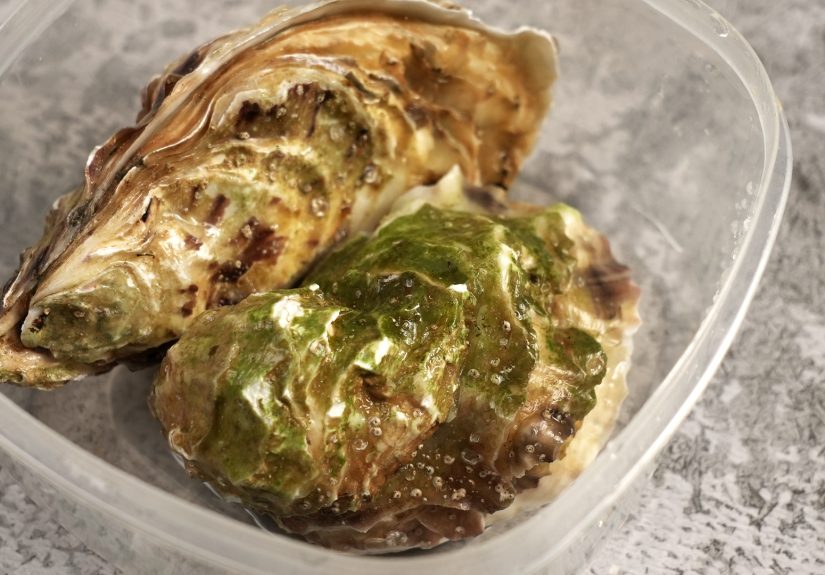
Place live oysters in an open container that allows airflow. A bowl, rimmed tray, colander, roasting pan with a rack, or perforated hotel pan can all work. The container should catch any moisture while preventing the oysters from sitting in standing water.
Never store live oysters in an airtight plastic bag or sealed container. They are alive and need to breathe. A sealed environment can suffocate them and speed spoilage. Fresh oysters are not leftovers; do not treat them like yesterday’s pasta.
6. Position Oysters Cup-Side Down
Set oysters with the deeper, cupped side facing down and the flatter shell facing up. This helps keep the oyster liquor inside the shell. If oysters are stored upside down, they may lose liquid, dry out, and become less flavorful.
For uneven shells, do your best. They do not need to look like soldiers in formation, but they should be arranged so the natural juices stay where they belong.
7. Cover Them With a Damp Towel
Cover the oysters with a clean damp kitchen towel, damp paper towels, or a slightly moistened cloth. The towel should be damp, not dripping wet. Its job is to maintain humidity without soaking the shellfish.
Check the towel daily. If it dries out, dampen it again. Oysters like cool, moist air. They do not like being submerged, sealed, or forgotten behind the orange juice.
8. Store Oysters in the Coldest Part of the Refrigerator
Put the oysters in the coldest section of your refrigerator, usually the lower back area. Keep them at 40°F or below. A refrigerator thermometer is helpful because many home refrigerators run warmer than people think, especially when the door is opened often.
Avoid storing oysters in the refrigerator door, where temperatures fluctuate. Also avoid placing them directly under strong fan airflow if it dries them out quickly. Cold and humid is the goal.
9. Do Not Store Live Oysters in Fresh Water
This is one of the biggest oyster storage mistakes. Do not put live oysters in a bowl of tap water. Do not store them in melted ice water. Do not soak them “to keep them fresh.” Fresh water can kill oysters, and dead oysters can spoil quickly.
If you use ice, place the oysters above it on a rack or in a colander so melting water drains away. Cold is good; drowning is not.
10. Keep Raw Oysters Away From Ready-to-Eat Foods
Store oysters below or away from foods that will not be cooked, such as salads, fruit, cooked leftovers, desserts, and sandwich ingredients. Raw seafood juices should never drip onto other foods. Cross-contamination is not dramatic, but it is sneaky.
Use a tray with a lip to catch liquid. Wash your hands after handling oysters, and clean any surfaces or tools that touch raw shellfish. Your future self, your guests, and your stomach will appreciate the effort.
11. Use Live Oysters as Soon as Possible
Fresh live oysters are best eaten as soon as possible, ideally within a day or two of purchase for peak flavor. Some properly handled live oysters may keep longer under refrigeration, but quality varies by harvest date, handling, species, and storage conditions.
If you are planning a raw oyster bar, buy oysters close to serving time. For a weekend party, purchasing them the day before is usually better than buying them far in advance and hoping your refrigerator becomes a five-star shellfish hotel.
12. Store Shucked Oysters Differently
Shucked oysters are no longer alive in the shell, so they need a different approach. Keep shucked oysters in their own liquor in a tightly covered food-safe container in the refrigerator. Use them quickly, and follow the date on the container if they were commercially packed.
Do not store shucked oysters uncovered. Do not mix them with live oysters. Do not leave them at room temperature. If the liquid smells sour, the texture seems slimy in an unpleasant way, or anything feels questionable, throw them out.
13. Inspect Again Before Shucking, Cooking, or Serving
Before serving, inspect the oysters one more time. Discard oysters with broken shells, oysters that remain open after tapping, or oysters that smell bad. Once opened, a fresh oyster should look moist and plump, with clear liquor and a clean sea aroma.
When in doubt, throw it out. This phrase may sound like something printed on a county fair refrigerator magnet, but it is excellent oyster wisdom. No single oyster is worth a ruined evening.
How Long Can Fresh Oysters Stay in the Refrigerator?
Live oysters can often be held for several days when properly refrigerated, but “can” and “should” are not the same word. For the best taste, serve them soon after purchase. If you are buying from a fish market, ask when the oysters were harvested or delivered. If you ordered directly from an oyster farm, check the packing date and any storage instructions included in the shipment.
The longer oysters sit, the more quality can decline. They may lose moisture, weaken, or open. Even if they remain technically alive, they may not deliver the crisp, briny, clean flavor people expect from fresh oysters. In other words, oysters are not fine wine. Aging them in your fridge will not make them more impressive.
Signs Fresh Oysters Have Gone Bad
Bad oysters usually announce themselves, though not always politely. Watch for shells that stay open, cracked shells, a strong rotten odor, cloudy or unpleasant liquid, or meat that looks dry, shriveled, or discolored. A fresh oyster should smell like the sea. It should not smell like low tide had a terrible week.
Also remember that some harmful pathogens cannot be detected by smell, taste, or appearance. That is why buying from reputable sources, maintaining refrigeration, preventing cross-contamination, and cooking oysters when appropriate are so important.
Should You Freeze Fresh Oysters?
You can freeze shucked oysters for cooked dishes, but freezing live oysters in the shell is not ideal if you plan to serve them raw. Freezing changes texture and kills the oyster. If you freeze oysters, use them later in cooked recipes such as oyster stew, fried oysters, casseroles, stuffing, chowder, or sauces.
To freeze shucked oysters, keep them in their liquor in a freezer-safe container with a little headspace for expansion. Label the container with the date. For best quality, use frozen oysters in cooked dishes rather than expecting them to behave like fresh half-shell oysters.
Common Oyster Storage Mistakes to Avoid
Sealing Live Oysters in Plastic
Airtight containers trap moisture and limit oxygen. Live oysters need airflow, so use breathable storage.
Letting Oysters Sit in Melted Ice
Ice can keep oysters cold, but melted fresh water can harm them. Always allow drainage.
Storing Oysters Too Warm
Warm temperatures increase food-safety risks and shorten shelf life. Refrigerate promptly.
Scrubbing Too Early
Heavy washing before storage can add unnecessary moisture. Scrub just before cooking or shucking.
Ignoring the Tap Test
If an oyster is open and does not close when tapped, discard it. The tap test is quick, simple, and useful.
Best Ways to Serve Properly Stored Oysters
Once your oysters are safely stored and inspected, you can serve them raw on the half shell, grilled, roasted, steamed, baked, or fried. Raw oysters are popular, but cooking is the safer option, especially for people who are pregnant, older adults, young children, or anyone with a weakened immune system, liver disease, or certain chronic conditions.
For raw service, keep oysters chilled until the moment they are eaten. Serve them over crushed ice, but avoid letting them sit in pools of meltwater. For cooked oysters, cook thoroughly until the shells open, then discard any that do not open during cooking.
Experience Notes: What Oyster Storage Looks Like in a Real Kitchen
Here is the honest truth: storing oysters at home is easy, but only if you prepare space before the oysters arrive. The first time many people buy fresh oysters, they imagine a glamorous seafood moment. Then they get home and realize the refrigerator is packed with leftovers, salad dressing, half a watermelon, and a casserole dish covered in foil. Suddenly the oysters need prime real estate, and the fridge looks like a puzzle designed by someone with a grudge.
The best experience starts with clearing a shelf before shopping. Put a rimmed tray or shallow pan in the refrigerator ahead of time so the oysters have a landing zone. When you get home, you can inspect them, arrange them cup-side down, cover them with a damp towel, and slide them directly into the coldest spot. This small step makes the whole process feel calm instead of chaotic.
Another useful habit is labeling the purchase date. A small sticky note on the tray can save confusion later. If you bought oysters Friday afternoon for Saturday dinner, write that down. It sounds simple, but after a busy weekend, every container in the fridge starts to feel like an archaeological discovery. A label prevents the classic household debate: “Were these from yesterday, or from the era before time?”
When hosting, do not shuck too early. Freshly shucked oysters taste better and stay safer when opened close to serving time. If you are new to shucking, practice slowly and use the right oyster knife and a towel or glove. Rushing is how people turn a seafood appetizer into a dramatic kitchen scene. For parties, shuck in small batches and keep unshucked oysters refrigerated until needed.
For grilled oysters, storage still matters. Some home cooks think cooking gives them permission to be casual with refrigeration. It does not. Start with live, properly chilled oysters, then cook them soon after removing them from the refrigerator. The better the oyster going onto the grill, the better the oyster coming off it.
One practical trick is to keep the towel damp but not wet. A soaked towel can create too much moisture, while a dry towel does nothing. Aim for the feel of a wrung-out dishcloth. Check it once a day if storing oysters more than overnight. This takes about ten seconds and makes you feel oddly responsible, like the caretaker of a tiny edible aquarium.
The final experience-based lesson is emotional: be willing to throw one away. People sometimes keep a questionable oyster because they paid for it. That is understandable, but not wise. A dead oyster is not a bargain; it is a tiny shell-shaped warning sign. Discarding one oyster is cheaper than ruining dinner, upsetting guests, or risking illness. Good oyster storage is part science, part kitchen discipline, and part knowing when to say, “Nope, not today.”
Conclusion
Learning how to store fresh oysters is less complicated than it sounds. Keep them cold, breathable, moist, and cup-side down. Avoid airtight containers, standing water, warm counters, and questionable oysters. Store live oysters in the refrigerator at 40°F or below, covered with a damp towel, and use them as soon as possible for the best flavor. Shucked oysters need sealed refrigerated storage in their liquor and should be used quickly.
Fresh oysters are one of the great simple pleasures of seafood, but they reward careful handling. Treat them like living shellfish, not ordinary groceries, and you will protect their clean briny flavor while reducing food-safety risks. The process is not fussy; it is just specific. And once you know the rules, storing oysters becomes as easy as chilling wineexcept the wine does not need a tap test.







 Close
Close