
Table of Contents >> Show >> Hide
- Why Some Breastfeeding Parents Cut Dairy and Soy
- Before You Start Cooking: Smart Dairy- and Soy-Free Basics
- 17 Dairy- and Soy-Free Recipes While Breastfeeding
- 1. Coconut Oatmeal with Blueberries, Chia, and Almond Butter
- 2. Banana Oat Pancakes with Warm Berry Compote
- 3. Turkey, Potato, and Spinach Breakfast Hash
- 4. Apple-Cinnamon Overnight Oats
- 5. Lemon-Herb Sheet Pan Chicken with Potatoes and Green Beans
- 6. Salmon Rice Bowls with Cucumber and Avocado
- 7. Slow Cooker Salsa Chicken Bowls
- 8. Creamy White Bean Soup with Garlic and Lemon
- 9. Sweet Potatoes Stuffed with Turkey and Black Beans
- 10. Chickpea Pasta Salad with Cucumbers and Tahini-Lemon Dressing
- 11. Beef and Broccoli Skillet with Coconut Aminos
- 12. Coconut Red Lentil Curry
- 13. Tuna and White Bean Lettuce Wraps
- 14. Quinoa Bowls with Roasted Vegetables and Pumpkin Seeds
- 15. Turkey Meatballs with Zucchini Noodles and Marinara
- 16. Pear Smoothie with Oats, Hemp Seeds, and Cinnamon
- 17. Baked Apples with Walnut Oat Crumble
- How to Keep a Dairy- and Soy-Free Breastfeeding Diet Balanced
- What Parents Often Experience While Going Dairy- and Soy-Free
- Conclusion
Going dairy- and soy-free while breastfeeding can feel like someone took your usual meal plan, added a blindfold, and yelled, “Good luck in the grocery store.” One minute you are grabbing a simple snack, and the next you are reading ingredient labels like a detective in sensible shoes. Still, plenty of nursing parents make this switch every day, often because a pediatrician suspects a baby may be reacting to proteins from cow’s milk or soy that pass through breast milk. Whether you are trying an elimination diet for a short stretch or building a new routine that lasts longer, the goal is the same: eat well, protect your milk supply, and keep yourself sane enough to remember where you left your coffee.
The good news is that a dairy- and soy-free breastfeeding diet does not have to be bland, joyless, or built entirely around dry rice cakes and heroic optimism. With the right recipes, you can still eat filling breakfasts, easy lunches, cozy dinners, and snacks that do not taste like punishment. The 17 ideas below are designed to be practical, satisfying, and packed with ingredients that support postpartum recovery and breastfeeding nutrition, such as protein, fiber, healthy fats, iron, and naturally dairy-free foods.
Why Some Breastfeeding Parents Cut Dairy and Soy
Not every fussy baby needs a maternal elimination diet, and not every spit-up episode is a villainous dairy molecule in disguise. But for some babies, especially those with symptoms like persistent mucus or blood in the stool, eczema, or ongoing digestive concerns, a pediatrician may suggest removing dairy first and sometimes soy as well. Dairy and soy are often paired in elimination plans because some babies who react to cow’s milk protein also seem sensitive to soy protein.
If you are trying this approach, give it structure. Keep a food and symptom log, follow your clinician’s guidance, and remember that improvement is not always overnight. Meanwhile, your own nutrition still matters. Breastfeeding requires energy, hydration, and a steady intake of nutrients. That means your meal plan should not just be “remove foods and hope for the best.” It should be “remove foods strategically and eat like a person who deserves dinner.”
Before You Start Cooking: Smart Dairy- and Soy-Free Basics
- Read labels carefully. Dairy may appear as milk, whey, casein, butterfat, ghee, or milk solids. Soy may show up as soy protein, soy flour, tofu, miso, tempeh, edamame, or soy sauce.
- Pick simple staples. Meat, poultry, fish, eggs, beans, lentils, rice, oats, potatoes, fruits, vegetables, nuts, and seeds are your best friends.
- Use substitutes that actually help. Coconut milk, oat milk, olive oil, avocado oil, coconut yogurt, and coconut aminos can replace many dairy- or soy-based ingredients.
- Watch fortified products. If you are skipping dairy, fortified plant-based beverages and foods can help support calcium intake, as long as they are soy-free.
- Keep meals easy. New parent life is not the ideal season for recipes that require a culinary degree and three emotional support skillets.
17 Dairy- and Soy-Free Recipes While Breastfeeding
-
1. Coconut Oatmeal with Blueberries, Chia, and Almond Butter
Cook rolled oats in unsweetened coconut milk or oat milk, then stir in chia seeds, blueberries, cinnamon, and a spoonful of almond butter. This is warm, filling, and fast enough for mornings when the baby wakes up before the sun and before your personality. Oats offer fiber, chia adds healthy fats, and almond butter helps make breakfast feel substantial instead of decorative.
-
2. Banana Oat Pancakes with Warm Berry Compote
Blend oats, bananas, eggs, baking powder, cinnamon, and a splash of soy-free plant milk into a batter, then cook like standard pancakes. Top with berries simmered in a saucepan until jammy. These pancakes freeze well, which is excellent news for anyone currently measuring time in naps and reheated coffee.
-
3. Turkey, Potato, and Spinach Breakfast Hash
Sauté diced potatoes in olive oil until golden, add ground turkey, garlic, onions, and a big handful of spinach, then finish with salt, pepper, and smoked paprika. It is high in protein, hearty, and easy to batch-cook. Add an egg on top if you want an extra boost and do not need to avoid eggs.
-
4. Apple-Cinnamon Overnight Oats
Combine oats, diced apples, flaxseed, cinnamon, and unsweetened oat or coconut milk in a jar. Let it chill overnight and top with walnuts in the morning. This is one of those recipes that makes you feel weirdly responsible, even if your kitchen currently looks like a tiny tornado hit the counter.
-
5. Lemon-Herb Sheet Pan Chicken with Potatoes and Green Beans
Toss chicken thighs, baby potatoes, and green beans with olive oil, lemon juice, garlic, oregano, and salt. Roast until everything is golden and the chicken is cooked through. This dinner is low-drama, low-cleanup, and ideal for nights when standing over the stove feels too ambitious.
-
6. Salmon Rice Bowls with Cucumber and Avocado
Roast or pan-sear salmon, then serve over rice with sliced cucumber, avocado, shredded carrots, and a drizzle of coconut aminos mixed with lime juice. It tastes fresh, balanced, and much fancier than the effort required. Salmon also brings omega-3 fats to the table, which makes this a smart breastfeeding meal.
-
7. Slow Cooker Salsa Chicken Bowls
Place chicken breasts or thighs in a slow cooker with soy-free salsa, cumin, garlic, and a squeeze of lime. Shred when tender and serve over rice with black beans, avocado, and cilantro. Check the salsa label carefully, because hidden ingredients love to keep things interesting for no reason.
-
8. Creamy White Bean Soup with Garlic and Lemon
Sauté onions and garlic in olive oil, add cannellini beans and broth, then blend part of the soup to create a creamy texture without cream. Stir in kale or spinach and finish with lemon juice. It is cozy, affordable, and excellent with toasted dairy-free sourdough on the side.
-
9. Sweet Potatoes Stuffed with Turkey and Black Beans
Roast sweet potatoes until soft, then split them open and fill with seasoned ground turkey, black beans, diced tomatoes, and avocado. This meal hits protein, fiber, and healthy fats without feeling heavy. It is also one of the easiest ways to look like you planned dinner on purpose.
-
10. Chickpea Pasta Salad with Cucumbers and Tahini-Lemon Dressing
Cook chickpea pasta, then toss with cucumbers, cherry tomatoes, parsley, and a dressing made from tahini, lemon juice, olive oil, garlic, and water. This works as lunch, dinner, or “I forgot to eat and now it is 3:17 p.m.” food. Serve chilled for an easy make-ahead option.
-
11. Beef and Broccoli Skillet with Coconut Aminos
Cook thinly sliced beef in avocado oil, add broccoli, ginger, garlic, and coconut aminos, then serve over rice. This is the dairy- and soy-free answer to a takeout craving. It has plenty of flavor, comes together quickly, and does not leave you wondering whether the sauce secretly contained six allergens and a mystery.
-
12. Coconut Red Lentil Curry
Simmer red lentils with garlic, onion, ginger, coconut milk, tomatoes, turmeric, and curry powder until soft and creamy. Add spinach at the end and serve with rice. It is comforting, freezer-friendly, and perfect for meal prep. Use a spice blend without hidden dairy or soy additives.
-
13. Tuna and White Bean Lettuce Wraps
Mix tuna with white beans, celery, olive oil, lemon juice, dill, and a little mustard if tolerated. Spoon into romaine or butter lettuce leaves. This is a quick no-cook lunch with protein and texture, and it feels refreshingly crisp after a stretch of warm, cozy, beige foods.
-
14. Quinoa Bowls with Roasted Vegetables and Pumpkin Seeds
Roast zucchini, carrots, cauliflower, and red onions, then pile them over quinoa with pumpkin seeds and a simple olive oil-lemon dressing. This bowl is flexible, colorful, and easy to customize based on what is in the fridge. It is also a nice reminder that vegetables can be more than a side character.
-
15. Turkey Meatballs with Zucchini Noodles and Marinara
Mix ground turkey with egg, garlic, parsley, and gluten-free or plain breadcrumbs if tolerated, then bake and serve with zucchini noodles and a soy-free, dairy-free marinara. The meatballs freeze beautifully, which makes future-you the lucky recipient of present-you’s effort.
-
16. Pear Smoothie with Oats, Hemp Seeds, and Cinnamon
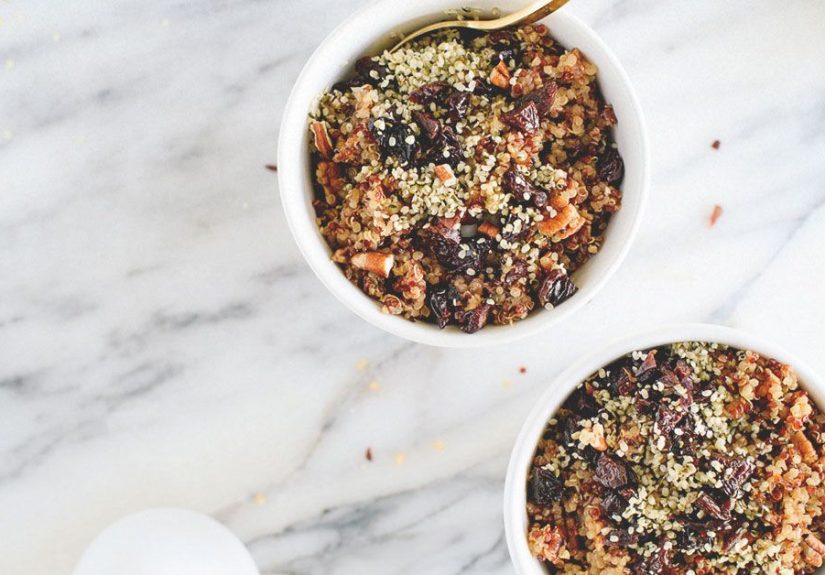
Blend pear, oats, hemp seeds, cinnamon, ice, and unsweetened coconut or oat milk for a quick snack or light breakfast. Hemp seeds add protein and healthy fats, while oats help make it more filling. This is especially useful on chaotic mornings when chewing feels optional.
-
17. Baked Apples with Walnut Oat Crumble
Halve apples, fill them with oats, walnuts, cinnamon, maple syrup, and a little coconut oil, then bake until tender. Dessert is not mandatory for survival, but it certainly improves morale. This one feels comforting, simple, and just indulgent enough without bringing dairy or soy to the party.
How to Keep a Dairy- and Soy-Free Breastfeeding Diet Balanced
Recipes are helpful, but the bigger goal is building a diet that supports both you and your baby. Try to include a protein source at each meal, whether that is poultry, fish, eggs, beans, lentils, beef, or nuts and seeds. Keep calcium in mind by using fortified soy-free plant milks, calcium-rich canned salmon with bones, greens like kale and bok choy, sesame or tahini, and other fortified products that fit your plan. Iodine also matters during breastfeeding, so foods such as seafood, eggs, and the use of iodized salt can help fill the gap if dairy is off the menu.
Do not forget practical nutrition, either. Drink to thirst. Eat regularly. Keep easy snacks around. If your elimination diet is becoming extremely restrictive, ask a registered dietitian or your doctor for help. And because breast milk alone usually does not provide enough vitamin D for babies, ask your pediatrician about the standard infant vitamin D supplement if you have not already. The point of this plan is not to make you nutritionally nervous every time you open the fridge. It is to help you eat well while you figure out what your baby needs.
What Parents Often Experience While Going Dairy- and Soy-Free
For many breastfeeding parents, the first week of going dairy- and soy-free feels less like a gentle wellness reset and more like accidentally joining a part-time research project. Suddenly, grocery shopping takes twice as long because every label has to be inspected. Bread may contain soy flour. Crackers may contain whey. “Nondairy” can still contain milk ingredients, which is the kind of food-label plot twist that deserves a dramatic soundtrack. Many parents say the hardest part is not cooking from scratch. It is the constant decision-making. Every snack, sauce, and restaurant order becomes a tiny strategy session.
Then there is the emotional side. A lot of parents begin this diet because they are worried about a baby who seems uncomfortable. Maybe there is persistent fussiness, strange stools, eczema, or feeding issues. When someone suggests eliminating dairy and soy, it can feel hopeful and exhausting at the same time. Hopeful because there is something practical to try. Exhausting because the postpartum season is already full. You are feeding a baby, healing, sleeping in fragments, and now apparently also auditing salad dressing ingredients like a highly underpaid detective.
Still, many parents describe a turning point after they create a reliable routine. Breakfast stops being a mystery once they have two or three safe staples. Dinner gets easier when they rotate familiar meals like sheet pan chicken, rice bowls, soups, and slow cooker recipes. Snacks become manageable once they stock a few dependable options such as fruit with nut butter, hard-boiled eggs, homemade muffins, seed bars, or dairy- and soy-free smoothies. The diet often feels hardest when every meal is a brand-new problem to solve. It feels lighter when the kitchen starts running on a system.
Another common experience is learning that “simple” food tends to be the least stressful. Whole foods are easier to trust. Plain rice, potatoes, eggs, chicken, salmon, oats, beans, fruit, and vegetables do not usually require a decoding session. That does not mean every meal must be ultra-minimal forever, but many parents say they feel more confident once they build around basics and add flavor with herbs, citrus, garlic, olive oil, and safe condiments.
Social situations can be awkward too. Family members may mean well and still suggest buttered vegetables, cheesy casseroles, or takeout with mystery marinades. Some parents feel isolated when food becomes one more thing that makes their day look different from everyone else’s. Others feel relieved when they start seeing improvement in their baby and realize the effort may actually be helping. That emotional mix is very real: frustration, relief, doubt, pride, hunger, and the occasional irrational attachment to a brand of safe crackers.
Perhaps the most useful experience shared by parents is this: perfection is less important than consistency and support. A thoughtful meal plan, a short list of safe staples, and guidance from a pediatrician or dietitian can make the process far more manageable. You do not need a dazzlingly curated kitchen. You need food you can actually eat, meals you can repeat, and enough grace to understand that postpartum nutrition does not have to look glamorous to be effective.
Conclusion
Going dairy- and soy-free while breastfeeding can be challenging, but it does not have to turn every meal into a culinary hostage situation. With a little planning and a dependable recipe rotation, you can build meals that are satisfying, nutrient-conscious, and realistic for postpartum life. Start simple, read labels carefully, and focus on food that helps you feel full and steady. The best dairy- and soy-free breastfeeding recipes are not the fanciest ones. They are the ones you can make again next week without losing your mind.






 Close
Close