
Table of Contents >> Show >> Hide
- Why a Breakfast Nook Is Worth It
- 21 Breakfast Nook Ideas to Try
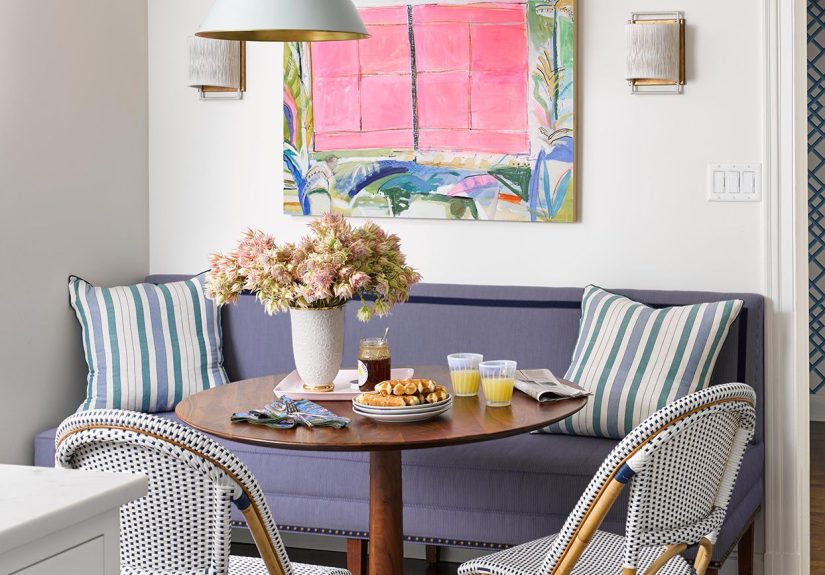
- 1) Turn an Awkward Corner Into a Built-In Banquette
- 2) Use a Pedestal Table for Easier Movement
- 3) Mix a Banquette With Loose Chairs
- 4) Build Around a Window or Bay Window
- 5) Try a Curved Banquette for Softness and Flow
- 6) Skip the Built-In and Use a Small Sofa
- 7) Add Hidden Storage Under the Bench
- 8) Layer In Vertical Storage With Shelves or Peg Rails
- 9) Create a Tiny Nook With a Floating Shelf Bar
- 10) Use a High Banquette Back as a Room Divider
- 11) Make It a Multipurpose Family Zone
- 12) Choose Performance Fabrics or Easy-Clean Materials
- 13) Add Bold Wallpaper or a Statement Color
- 14) Lean Into Farmhouse Style With Texture
- 15) Use Art to Create a Design Moment
- 16) Upgrade the Lighting With a Statement Fixture
- 17) Use a Round Table in Tight Spaces
- 18) Mix Materials for a More Lived-In Look
- 19) Bring In Plants and Natural Elements
- 20) Paint the Nook as a “Zone” Within the Kitchen
- 21) Think Beyond the Kitchen Corner
- Design Tips That Make a Breakfast Nook Feel Expensive
- Conclusion
- Experience Notes: What Real-Life Breakfast Nooks Teach You
If your morning routine currently happens while standing over the sink, clutching coffee like a survival tool, it may be time for an upgrade. A breakfast nook is one of the easiest ways to make a kitchen feel warmer, more personal, and way more useful. It doesn’t need to be huge. It doesn’t need to be expensive. It just needs to feel like a place you actually want to sit down in.
The best breakfast nook ideas combine comfort, smart layout decisions, and a little personality. Think banquette seating that saves space, a small round table that makes traffic flow easier, layered lighting, and fabrics that can survive syrup, crayons, and real life. Whether you’re working with a tiny apartment corner, a sunny bay window, or an awkward area that has never quite made sense, there’s a breakfast nook style that can make it shine.
Below are 21 breakfast nook ideas you can steal, remix, or fully commit todepending on your budget, your square footage, and how serious you are about having a “main character” coffee moment before 8 a.m.
Why a Breakfast Nook Is Worth It
A breakfast nook does more than hold a table and a couple of chairs. It can become the most flexible spot in the house: breakfast station, homework zone, laptop perch, craft corner, snack command center, and low-key dinner booth. In many homes, it also solves a common design problemhow to use an awkward corner or window area without wasting space.
Even better, breakfast nooks naturally feel inviting. They’re smaller than formal dining rooms, so they’re easier to style and easier to use every day. When done well, they look intentional, not just “we put a table there because it fit.”
21 Breakfast Nook Ideas to Try
1) Turn an Awkward Corner Into a Built-In Banquette
If you have a weird corner in or near your kitchen, congratulationsyou have breakfast nook potential. A built-in L-shaped banquette instantly makes the area feel purposeful. It also maximizes seating without requiring a giant footprint. Add seat cushions and a few back pillows, and suddenly that neglected corner becomes the best seat in the house.
2) Use a Pedestal Table for Easier Movement
Pedestal tables are breakfast nook MVPs. With no table legs at the corners, people can slide in and out more easily, especially in tight spaces. They also pair beautifully with banquettes and curved benches. If your nook feels cramped, swapping a four-leg table for a pedestal base is one of the fastest fixes.
3) Mix a Banquette With Loose Chairs
Don’t feel like you need built-ins on every side. One banquette plus two or three movable chairs gives you the cozy look while keeping the layout flexible. This hybrid setup works especially well in homes where the nook also doubles as a casual dining area for guests, because you can pull in extra seating when needed.
4) Build Around a Window or Bay Window
Natural light makes a breakfast nook feel like a mood boost. If you have a bay window, that’s the dream location. But even a single window can anchor a beautiful nook. Keep the table scale appropriate, avoid blocking views with bulky backs, and let the morning light do what it does best: make coffee taste better.
5) Try a Curved Banquette for Softness and Flow
Curved seating adds instant charm, especially in kitchens with lots of straight cabinet lines. A curved banquette feels custom, polished, and a little luxurious. Pair it with a round table to keep the visual rhythm soft. It’s also a great trick for “rounding out” an awkward corner where a square bench feels too harsh.
6) Skip the Built-In and Use a Small Sofa
Not every breakfast nook needs carpentry. A compact sofa or settee can create the same cozy effect without a renovation. This idea is perfect for renters or anyone who wants a softer, more lounge-like vibe. Look for a piece with a washable slipcover or durable upholstery, because breakfast crumbs are loyal and persistent.
7) Add Hidden Storage Under the Bench
Under-seat storage is one of the biggest practical wins of banquette seating. Use drawers or lift-up lids to store table linens, placemats, seasonal dishes, art supplies, or that random puzzle everyone swore they’d finish. In a small kitchen, this kind of hidden storage can make the nook work twice as hard.
8) Layer In Vertical Storage With Shelves or Peg Rails
If your breakfast nook sits near a blank wall, use that vertical space. Open shelves, plate racks, or a simple peg rail can hold dishes, mugs, cutting boards, or decorative pieces. It adds personality and function at the same time. Just keep the styling intentionalthis is “curated kitchen charm,” not “overflow shelf chaos.”
9) Create a Tiny Nook With a Floating Shelf Bar
No room for a table? You can still have a breakfast nook. A floating shelf mounted at dining height, paired with two stools, turns a slim wall or unused corner into a mini coffee-and-toast station. It’s ideal for apartments, galley kitchens, or anyone who wants a lightweight, modern look without crowding the space.
10) Use a High Banquette Back as a Room Divider
A high-backed banquette can do more than support your spine. It can visually separate the nook from the rest of the kitchen, creating a cozy “booth” feel. This is especially useful in open-concept layouts where you want the breakfast area to feel distinct without building a wall. It adds privacy, structure, and major design character.
11) Make It a Multipurpose Family Zone
The best breakfast nooks aren’t just for breakfast. Design yours to handle homework, laptop time, after-school snacks, and weekend baking supervision. That means comfortable seating, good lighting, and surfaces that can handle wear. If kids use the nook often, choose forgiving materials and stash crayons, chargers, or notebooks nearby.
12) Choose Performance Fabrics or Easy-Clean Materials
Let’s be honest: a beautiful breakfast nook is still a food zone. Upholstered seating looks amazing, but performance fabric, indoor-outdoor fabric, vinyl, or treated textiles can save your sanity. If your household includes children, pets, or a spouse who somehow spills coffee while standing still, this choice matters.
13) Add Bold Wallpaper or a Statement Color
Breakfast nooks are perfect for color and pattern because they’re small enough to take a risk. Try wallpaper, a painted bench, striped cushions, or a rich wall color behind the seating. A little drama goes a long way in a compact area. If the rest of your kitchen is neutral, the nook can be your “fun zone.”
14) Lean Into Farmhouse Style With Texture
If you love farmhouse design, a breakfast nook is a natural fit. Mix wood tones, a trestle or pedestal table, woven chairs, linen cushions, and a few floral or striped textiles. The key is texture, not theme overload. You want “collected and cozy,” not “I bought every chicken sign in the county.”
15) Use Art to Create a Design Moment
A breakfast nook naturally draws attention, so treat it like a little room within the room. Hang artwork, a gallery wall, or even a corkboard for rotating kids’ drawings and notes. Art gives the nook personality and helps it feel designed, not improvised. It also gives people something to look at before caffeine fully activates.
16) Upgrade the Lighting With a Statement Fixture
A pendant or small chandelier above the table instantly elevates the space. It anchors the nook visually and makes it feel intentional. Bonus points if you add a dimmer so the area works for both bright breakfast mornings and cozy evening meals. Lighting is one of the easiest ways to make a small nook feel special.
17) Use a Round Table in Tight Spaces
Round tables are a classic breakfast nook move for a reason. They soften the look, improve flow, and make squeezing into tight corners much easier. They’re especially effective with banquettes because there are no sharp corners to bump into. If your nook is compact, round usually beats rectangular.
18) Mix Materials for a More Lived-In Look
Great breakfast nook design often comes from contrast: a wood table with upholstered seating, metal lighting with natural rattan chairs, or a painted bench with warm textiles. Mixing materials adds depth and keeps the nook from feeling too matched. It should feel layered and inviting, like it evolved over time.
19) Bring In Plants and Natural Elements
A breakfast nook is one of the best places in the house for greenery because it often gets great light. Add a small potted herb, a hanging plant, or a vase of branches to soften the space. Natural elements make the nook feel fresh and calm, which is exactly the energy most mornings need.
20) Paint the Nook as a “Zone” Within the Kitchen
If your kitchen and nook blur together visually, paint can help define the area. Try painting the bench, lower wall, or trim in a contrasting color to create a subtle zone. This works especially well in open layouts and small kitchens where you want separation without adding bulk.
21) Think Beyond the Kitchen Corner
A breakfast nook doesn’t have to live inside the kitchen. It can tuck into a sunroom corner, a hallway alcove, a bay window off the living area, or even a covered porch that functions like an extension of the home. If it’s bright, comfortable, and close enough to coffee, it counts.
Design Tips That Make a Breakfast Nook Feel Expensive
Prioritize Comfort First
A breakfast nook can be gorgeous and still fail if it’s uncomfortable. Use seat cushions with enough support, add back pillows, and make sure the table height feels right for everyday eating. If people can’t sit for more than ten minutes, it’s a display corner, not a breakfast nook.
Keep the Scale Proportional
Oversized furniture is the fastest way to make a breakfast nook feel crowded. Choose a table that leaves room to move around it, and avoid super-deep seating unless you have plenty of space. The goal is cozy, not obstacle course.
Blend Style With Cleanup Reality
Use wipeable finishes, washable cushion covers, and durable fabrics whenever possible. Breakfast nooks get heavy daily use, so practical choices help the space stay pretty longer. Beautiful and low-maintenance is the dream team.
Give It Personality
Add a pendant light, artwork, wallpaper, or a fun textile. Even a small nook should feel like it belongs to your home, not a generic catalog page. A little character goes a long wayespecially in compact spaces where every detail is more visible.
Conclusion
The best breakfast nook ideas are the ones that make your mornings easier and your home feel more personal. Whether you go for a built-in banquette with hidden storage, a tiny bistro setup by a window, or a sofa-and-table combo that doubles as a work zone, the magic is in the mix of comfort and function. Start with the layout, choose seating that works for real life, then add color, lighting, and texture to make it feel special.
In other words: give your coffee a better backdrop. It deserves one.
Experience Notes: What Real-Life Breakfast Nooks Teach You
One of the most useful things about breakfast nook design is how quickly people learn what actually matters after the “pretty reveal” phase. In many homes, the first lesson is that comfort beats aesthetics every time. A beautiful bench with thin cushions looks great in photos, but after a week of rushed breakfasts and evening homework sessions, everyone gravitates to the seat with the best back support. That’s why the most loved nooks usually evolve: a pillow gets added here, a softer cushion there, and suddenly the nook becomes the default seat in the house.
Another common experience is discovering just how much a breakfast nook changes daily routines. Families often start using it for more than meals within days. It becomes the place where backpacks are zipped, calendars are checked, bills are sorted, and quick conversations happen before work or school. In smaller homes, it can even replace a formal dining room entirely. A well-planned nook doesn’t just save spaceit gives structure to everyday life without feeling rigid.
People also tend to underestimate the value of hidden storage until they have it. Benches with drawers or lift-up seats often become the home for all the “in-between” items: placemats, birthday candles, board games, and school supplies. That extra storage reduces kitchen clutter fast, which makes the whole room feel calmer. It’s one of those upgrades that sounds minor but ends up being a major quality-of-life improvement.
Lighting is another thing homeowners notice immediately. A nook with only overhead kitchen lighting can feel flat, while a pendant or sconce setup makes the area feel warm and intentional. Many people find that adding a dimmer is the secret move. Bright in the morning, soft in the evening, and suddenly the same breakfast nook works for coffee, dinner, and late-night tea. The mood shift is real.
Then there’s the cleanup reality check. Homes with kids, pets, or frequent guests quickly learn which materials hold up and which ones don’t. Washable covers, performance fabrics, and wipeable finishes aren’t “boring” choicesthey’re the reason a nook stays attractive after months of actual use. The prettiest breakfast nook is the one that still looks good after pancake Saturday and science-project Tuesday.
Finally, there’s the emotional side. A lot of people create a breakfast nook because they want their kitchen to feel more welcoming, and that’s exactly what happens. Even a simple setup can make the home feel more relaxed and lived-in. The nook becomes a place where people linger a little longer, talk a little more, and start the day on better footing. That’s why breakfast nook ideas are so popular: they’re not just about design. They’re about making everyday moments feel a little nicer.







 Close
Close