
Table of Contents >> Show >> Hide
- What Garcinia Cambogia Actually Is
- It is a fruit first, not a lab invention.
- Its newer botanical name may sound unfamiliar.
- The rind is the famous part.
- It has a culinary history that is older than the supplement aisle.
- The plant became famous for one chemical, not a complete lifestyle effect.
- Its reputation grew much faster than its evidence base.
- What the Research Really Says
- The lab theory sounds stronger than the human results.
- Some studies found a small short-term effect.
- Other studies found little to no meaningful benefit.
- When benefits show up, they tend to be short-term.
- It is not an appetite “off switch.”
- The average effect is too small to match the hype.
- Study quality matters more than catchy before-and-after stories.
- Diet and exercise still have stronger evidence.
- What Most People Do Not Realize About Safety
- “Natural” does not automatically mean safe.
- It can cause stomach-related side effects.
- Liver injury is one of the most serious concerns.
- Some reported cases have been severe.
- Multi-ingredient “fat burners” make the picture messier.
- It may interact with medications.
- Pregnancy and breastfeeding are not a safe guess-and-see zone.
- Higher-dose thinking is not smarter thinking.
- The Marketing Story Is Wilder Than Most People Know
- Weight-loss supplements often sell hope more than proof.
- Some products have been flagged for hidden ingredients.
- Companies have also been warned over disease claims.
- The label may not tell the whole truth.
- The word “detox” should make you skeptical.
- Supplements are often treated like shortcuts because shortcuts are easy to sell.
- What the Smart Takeaway Looks Like
- Conclusion
- Real-World Experiences Related to Garcinia Cambogia
- SEO Tags
Note: Body-only HTML for web publishing. No source links are embedded.
Garcinia cambogia has had a long, flashy run in the weight-loss spotlight. It sounds tropical, looks harmless, and gets marketed like it is one capsule away from turning your pantry into a temple of self-control. But the real story is much more interesting than the ads. This small fruit has a long culinary history, a famous active compound called hydroxycitric acid, and a reputation that is much bigger than the actual science behind it.
If you have ever wondered whether garcinia cambogia is a miracle, a myth, or just another supplement with a very talented marketing team, you are in the right place. Here are 29 things you probably didn’t know about garcinia cambogia, plus a deeper look at the real-world experiences people often have when they cross paths with it.
What Garcinia Cambogia Actually Is
-
It is a fruit first, not a lab invention.
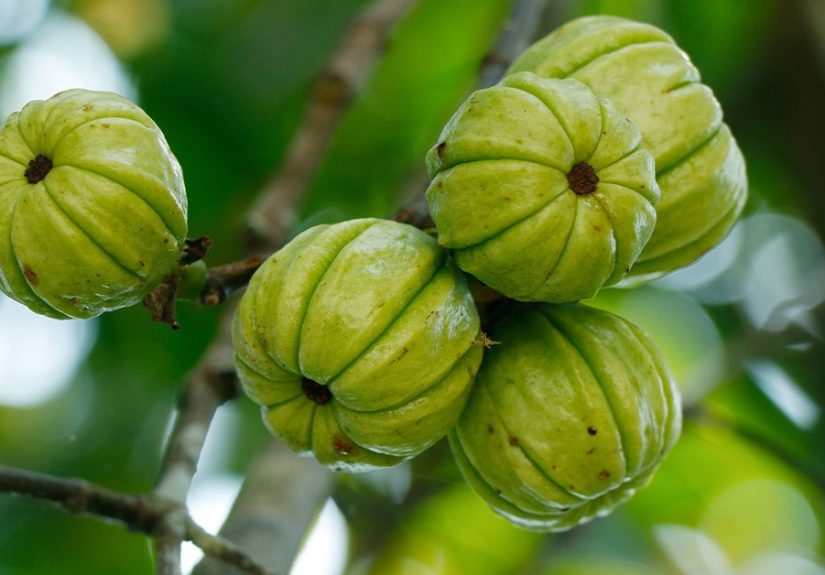
Garcinia cambogia comes from a tropical fruit also known as Malabar tamarind. That means it did not begin life as a trendy bottle on a wellness shelf. Long before it became a weight-loss buzzword, it was used in food traditions and regional cooking.
-
Its newer botanical name may sound unfamiliar.
You may also see it called Garcinia gummi-gutta. Same plant, same fruit, different label. That alone can confuse shoppers, because supplement companies love making ordinary things sound like secret discoveries from a jungle vault.
-
The rind is the famous part.
Most of the attention goes to the fruit rind, not the juicy center. That rind contains hydroxycitric acid, or HCA, which is the compound usually featured in garcinia cambogia supplements and weight-loss marketing claims.
-
It has a culinary history that is older than the supplement aisle.
In some parts of South and Southeast Asia, the dried rind has been used as a souring agent and flavoring ingredient. So yes, garcinia cambogia has a food story. It just does not automatically follow that a food ingredient becomes a powerful fat-loss shortcut in capsule form.
-
The plant became famous for one chemical, not a complete lifestyle effect.
Hydroxycitric acid is the star of the show because researchers have looked at whether it might affect fat production and appetite. But a biochemical theory is not the same thing as a guaranteed result in real people trying to lose weight.
-
Its reputation grew much faster than its evidence base.
That may be the biggest surprise. Garcinia cambogia became wildly popular because it fit a dream: a “natural” product that might reduce appetite and help weight fall off with less struggle. Science, meanwhile, has been much less dramatic.
What the Research Really Says
-
The lab theory sounds stronger than the human results.
HCA has been studied for its potential role in blocking an enzyme involved in fat synthesis. That sounds impressive on paper, and even more impressive in supplement ads. But what happens in a lab or animal model does not always translate into meaningful weight loss in everyday humans.
-
Some studies found a small short-term effect.
Human trials have produced mixed results. A few studies suggest modest short-term weight loss, which helps explain why garcinia cambogia never completely disappears from the market. But “modest” is doing a lot of heavy lifting in that sentence.
-
Other studies found little to no meaningful benefit.
That is the other half of the story, and it matters. Several reviews have concluded that the overall effect, if there is one, appears small. In plain English: it is not the metabolism-altering superhero some labels imply.
-
When benefits show up, they tend to be short-term.
Much of the research people cite looks at a period of just a few weeks. That is a very different question from whether a supplement helps with healthy, lasting weight management over months or years. Long-term proof is much thinner.
-
It is not an appetite “off switch.”
One reason garcinia cambogia got famous is the claim that it crushes cravings. Yet some human research did not show a meaningful change in appetite or fullness. So if you were picturing a dramatic “I forgot cookies exist” effect, the evidence does not really support that fantasy.
-
The average effect is too small to match the hype.
Even supportive analyses have generally pointed to small changes, not life-changing ones. That gap between expectation and reality is where many supplement disappointments are born. The bottle promises fireworks; the scale often shrugs politely.
-
Study quality matters more than catchy before-and-after stories.
Randomized, placebo-controlled trials are much more useful than influencer enthusiasm or dramatic testimonials. Garcinia cambogia is a perfect example of why personal anecdotes can explode online while the actual evidence stays frustratingly underwhelming.
-
Diet and exercise still have stronger evidence.
This may sound almost offensively unglamorous, but it is true. Sustainable weight management still leans much more heavily on eating patterns, activity, sleep, stress, and medical guidance than on any over-the-counter supplement that promises to “melt” anything.
What Most People Do Not Realize About Safety
-
“Natural” does not automatically mean safe.
This is supplement rule number one, and garcinia cambogia is no exception. Plenty of people assume a plant-based product must be gentler than a medication. Unfortunately, biology does not care about branding. Natural substances can still cause side effects and interactions.
-
It can cause stomach-related side effects.
Headache, nausea, diarrhea, and other gastrointestinal complaints have all been reported with garcinia cambogia. That is not exactly the glamorous tropical transformation promised on product pages. Sometimes the biggest thing a supplement burns is your patience.
-
Liver injury is one of the most serious concerns.
Reports of liver toxicity linked to garcinia cambogia products have made safety experts much more cautious. These cases appear to be uncommon, but they are serious enough that garcinia cambogia should never be treated like a harmless wellness candy.
-
Some reported cases have been severe.
Case reports and liver safety resources have described situations involving acute liver injury, jaundice, hospitalization, and even liver failure. That does not mean every user is headed for disaster. It does mean the risk conversation should be honest, not fluffy.
-
Multi-ingredient “fat burners” make the picture messier.
Many products do not contain garcinia cambogia alone. They mix it with other ingredients marketed for energy, appetite control, or metabolism support. When someone gets sick, it can be difficult to know whether garcinia cambogia, another ingredient, contamination, or the combination caused the problem.
-
It may interact with medications.
Garcinia cambogia has been linked to possible interactions with certain drugs, including those affecting the liver and serotonin pathways. That is a major reason healthcare providers want a full supplement list, not just a list of prescriptions.
-
Pregnancy and breastfeeding are not a safe guess-and-see zone.
There is not enough good safety information to assume garcinia cambogia is fine during pregnancy or while breastfeeding. When evidence is limited, caution is not being dramatic. It is just being smarter than a supplement ad.
-
Higher-dose thinking is not smarter thinking.
Some people assume that if a little might help, more must help more. That is not how supplement safety works. Larger amounts do not come with a guarantee of better results, and they can increase the chance of side effects or toxicity.
The Marketing Story Is Wilder Than Most People Know
-
Weight-loss supplements often sell hope more than proof.
That is not just a cynical line. Consumer health experts have repeatedly warned that over-the-counter weight-loss products often come with weak evidence and strong claims. Garcinia cambogia rose fast partly because it was easy to market, easy to bottle, and easy to believe.
-
Some products have been flagged for hidden ingredients.
One of the most alarming realities in the supplement world is adulteration. The FDA has warned consumers about products sold as garcinia cambogia supplements that contained hidden drug ingredients. That is not a minor label typo. That is a serious safety problem.
-
Companies have also been warned over disease claims.
FDA warning letters show that some supplement sellers crossed legal lines by making claims that imply their products can treat or prevent diseases. When marketing starts sounding like prescription-drug territory, regulators tend to notice.
-
The label may not tell the whole truth.
Dietary supplements are not tested and approved like prescription drugs before they hit the market. That means the ingredient list, strength, purity, and consistency may not always be what a consumer assumes they are. Buying a bottle is not the same thing as buying certainty.
-
The word “detox” should make you skeptical.
If a product tied to garcinia cambogia also throws around words like “cleanse,” “flush,” “melt,” or “reset,” that is your cue to slow down. Many detox-style claims are marketing theater wearing a lab coat costume.
-
Supplements are often treated like shortcuts because shortcuts are easy to sell.
People are busy, frustrated, and tired of slow progress. That makes the promise of a simple fix very attractive. Garcinia cambogia did not become famous because it solved obesity. It became famous because it sounded like it might.
What the Smart Takeaway Looks Like
-
The biggest thing you did not know may be this: the boring basics still win.
For most people, the real “secret” is not hidden in garcinia cambogia at all. It is in steady habits, realistic expectations, and medical advice when needed. Garcinia cambogia is more of a lesson in how wellness trends spread than a proven answer to long-term weight loss.
Conclusion
Garcinia cambogia is a fascinating example of what happens when a traditional fruit, a plausible biochemical theory, and modern marketing collide. It is real, it is widely sold, and it has been studied enough to attract attention. But the strongest honest summary is not “miracle.” It is “mixed evidence, small possible effect, and important safety concerns.”
That may not fit neatly on a glossy supplement label, but it is a better deal than false certainty. If you are evaluating garcinia cambogia, the smartest move is to look past the tropical branding, respect the safety questions, and remember that lasting health changes rarely come from one capsule with a dramatic font.
Real-World Experiences Related to Garcinia Cambogia
One reason garcinia cambogia keeps coming back into the conversation is that the experience around it is emotionally powerful, even when the physical results are modest. People often discover it during a moment of frustration. Maybe progress has stalled. Maybe a social media post promises a “natural metabolism boost.” Maybe a label suggests appetite control without the struggle. Garcinia cambogia tends to enter the picture when someone is hoping for a gentler shortcut.
At first, the experience is often optimistic. The name sounds exotic, the bottle looks clean, and the marketing language is designed to lower suspicion. Compared with a prescription medication, it can feel casual. Compared with a total diet overhaul, it can feel easy. That early stage is usually full of possibility: maybe this will be the thing that finally helps.
Then comes the middle stage, where reality usually gets less cinematic. Some people do not notice much at all. Others may think they feel slightly less hungry, but it is hard to know whether that is the supplement, the excitement of starting something new, or the fact that they are paying more attention to their eating in general. In real life, new health efforts often work partly because people become more mindful, not necessarily because the product is magical.
There is also a practical experience that rarely gets enough attention: confusion. Consumers may see one bottle standardized for a certain amount of HCA, another with extra herbs added in, and a third marketed as a “detox” formula. Suddenly, garcinia cambogia is not one thing. It is a category full of variations, and that makes it harder for ordinary buyers to judge what they are actually getting.
For some people, the experience turns disappointing rather than dangerous. They spend money, commit emotionally, and then realize the scale is not moving in any dramatic way. That gap between the promise and the outcome is probably one of the most common garcinia cambogia experiences of all. Not disaster. Not transformation. Just a very expensive shrug.
For others, the experience includes side effects, which changes the mood fast. What began as a hopeful wellness experiment can become an uncomfortable lesson in how “natural” does not always mean “gentle.” And in the more serious cases described in medical literature, garcinia cambogia becomes a reminder that supplements deserve the same honesty and caution people usually reserve for medicines.
In that sense, garcinia cambogia is bigger than one ingredient. It is a case study in modern health culture: quick promises, mixed science, glossy branding, and consumers trying to do the right thing with incomplete information. The most useful experience-based lesson is not really about the fruit itself. It is about learning to ask better questions before believing the bottle.






 Close
Close